Get the latest news and updates from Dawn
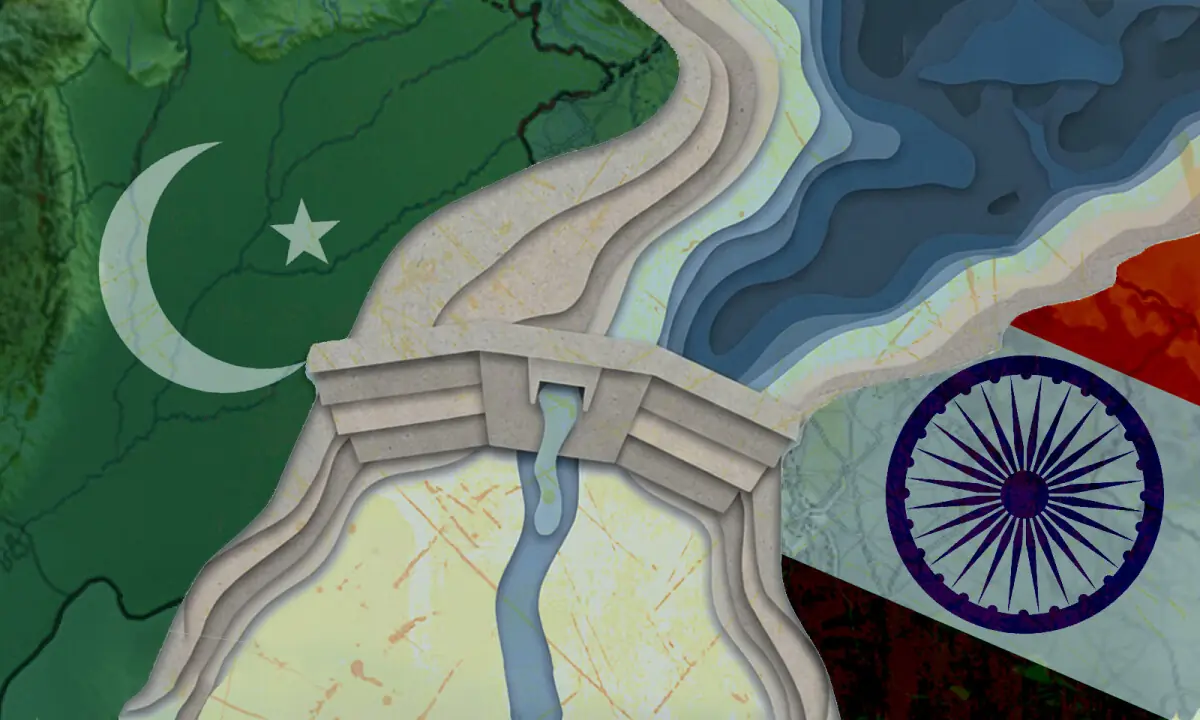
On May 9, 2026, Malay Mail published a two-part article by former Indian Commissioner for Indus Waters P.K. Saxena, titled “Indus Waters Treaty: Asymmetric obligations, unequal concessions and Pakistan’s weaponisation”.
The article tried to do more than criticise Pakistan. It sought to recast the Indus Waters Treaty as a historical injustice to India, to portray Pakistan’s use of Treaty procedures as obstruction, and to defend India’s decision to hold the Treaty in “abeyance” as a legitimate correction of an allegedly unequal bargain.
When such an argument enters the public domain, it carries institutional weight even when formally described as personal opinion. For that reason, the record should be corrected carefully, professionally and firmly from Pakistan’s side.
Water treaties survive because facts are kept straight, obligations are not blurred, and unilateral narratives are not allowed to harden into public assumptions. If a former Treaty official presents safeguards as unfairness, dispute settlement as weaponisation, and unilateral suspension as a right decision, silence would risk normalising a view that is legally unsound and strategically dangerous. The Indus Waters Treaty is too important to be left to grievance writing.