Get the latest news and updates from Dawn
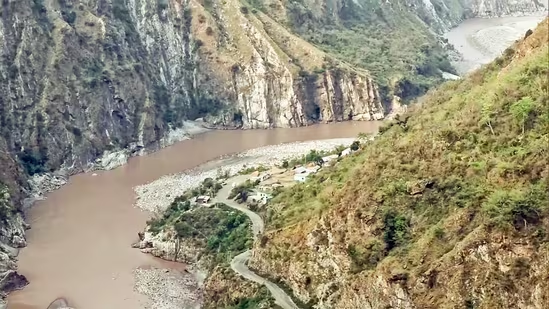
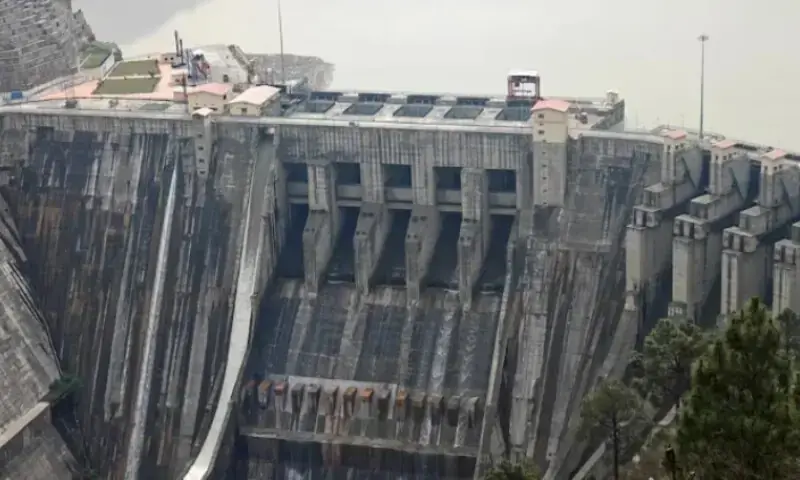
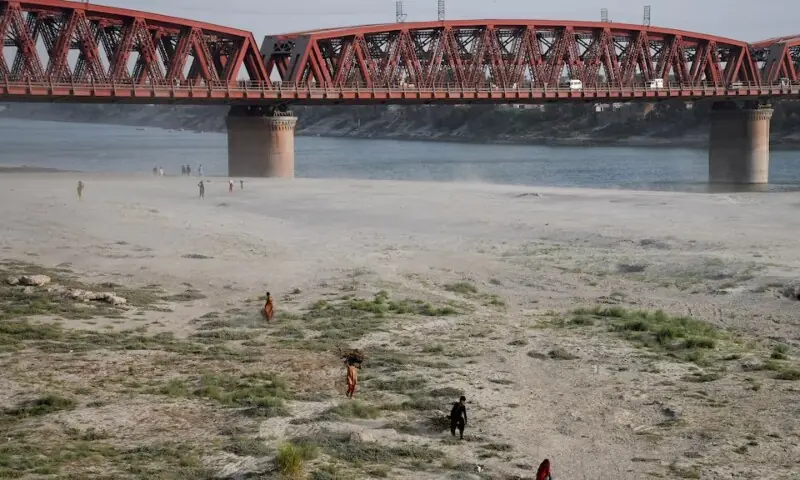
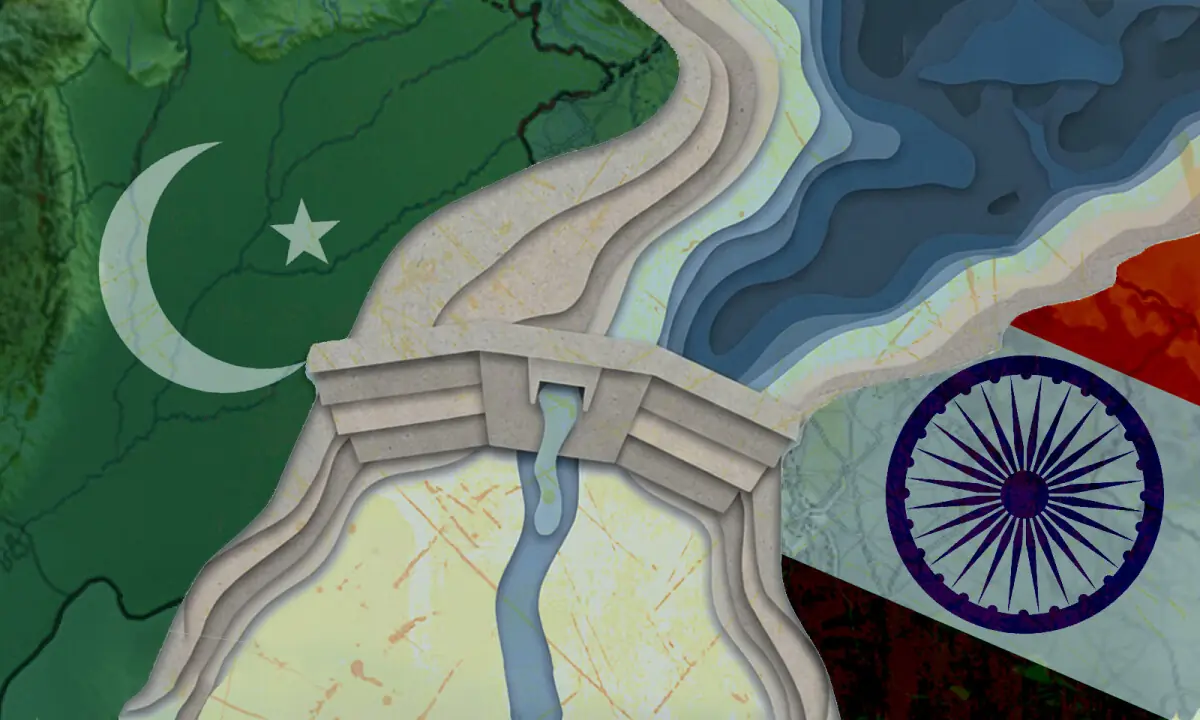
I did not expect to leave Islamabad thinking about the future of international law. I went to speak. I came home with something harder to shake: a conviction that what is happening on the Indus river is not just a bilateral water dispute between two nuclear-armed neighbours. It is a test of whether the global architecture of treaty-based cooperation can survive the moment we are living in.
On June 30, I had the honour of speaking at the Institute of Regional Studies seminar on the Indus Waters Treaty, held at the Jinnah Convention Centre in Islamabad. The high-level gathering brought together scholars, practitioners, diplomats, and policymakers from Pakistan and around the world. The expertise assembled in the room was formidable, and the sense of urgency surrounding the issue was unmistakable.
My panel was asked to examine treaty-based conflict prevention, specifically, how the institutional mechanisms embedded in international river agreements keep water from becoming a cause of war. I came to that question as a policy and diplomacy strategist, not a water lawyer. But sometimes an outside eye sees the architecture most clearly.
And what I saw, looking across the Danube, the Mekong and the Nile before turning to the Indus, was an alarming pattern. Across those basins, water does not cause conflict. The absence of institutions does. That is not a rhetorical flourish. It is what the empirical record shows.