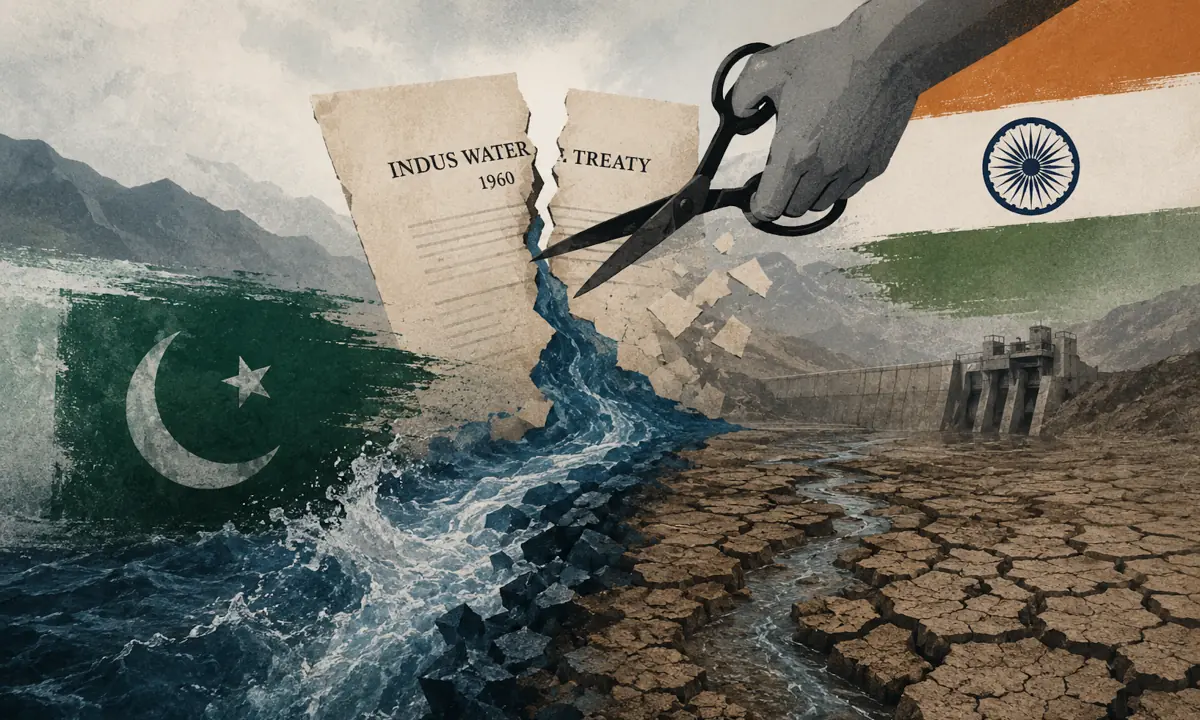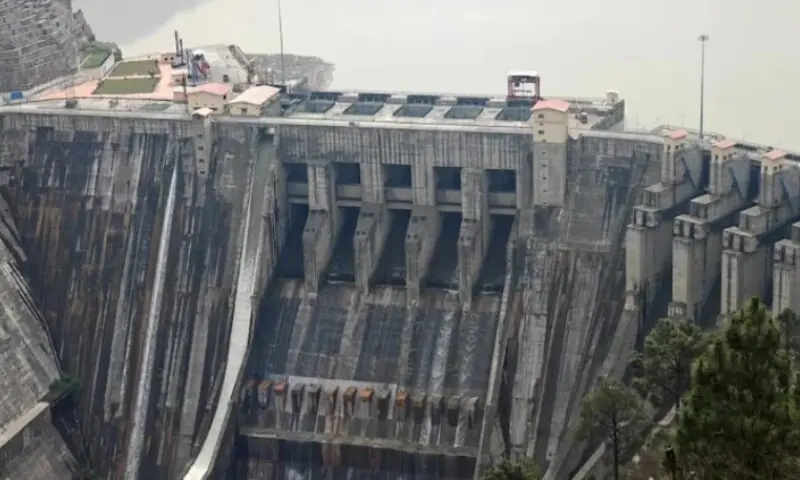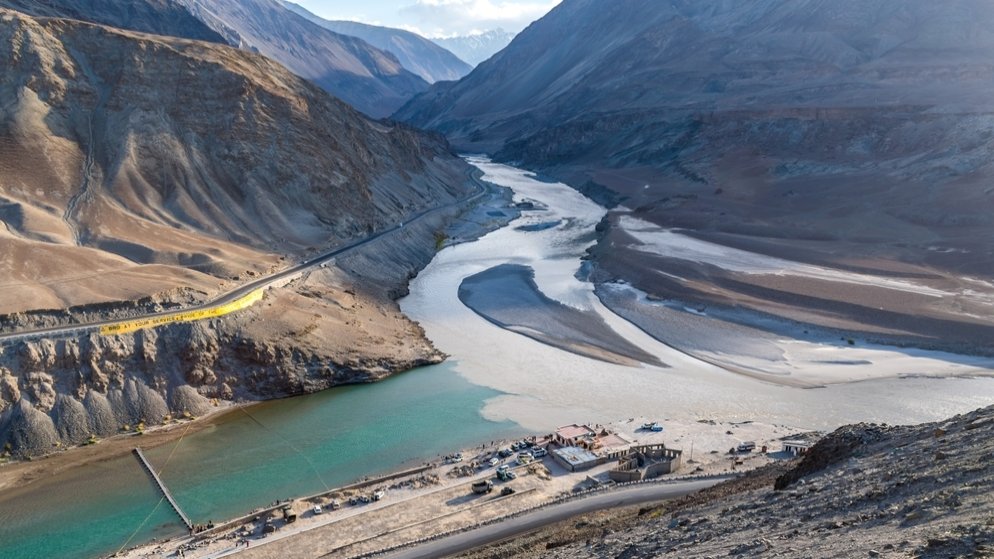
It began like a familiar line, one of those sharp political remarks that usually fade into the background of India-Pakistan rhetoric. India’s Water Minister C. R. Patil recently declared that New Delhi was working to ensure “not a single drop” of water reaches Pakistan. This time, however, the statement carried a different strategic weight due to the broader regional context.
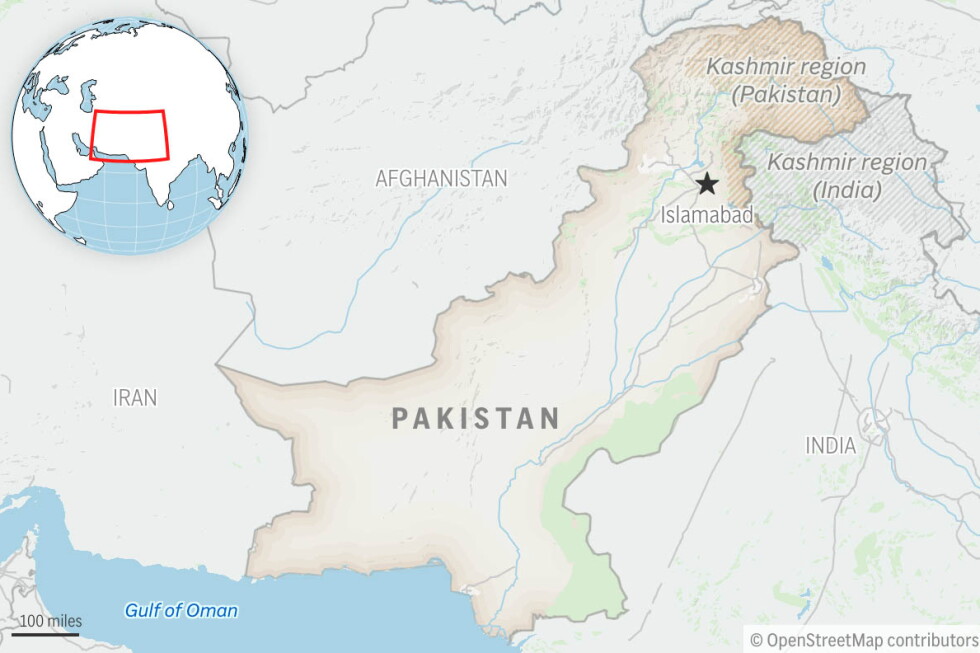
At a time when the Indus Basin is already under pressure and bilateral tensions are high, the remarks were seen in Pakistan as more than mere political signaling. Islamabad warned that any disruption or manipulation of water flows would carry serious consequences under international law, including reference to Article 51 of the United Nations Charter.
What makes this episode different is not the rhetoric itself, but the fact that it comes at a time when trust is collapsing, and both countries increasingly disagree on how shared rivers should be managed.
Emerging strain
The Indus Waters Treaty, signed in 1960 under World Bank facilitation, has long been regarded as one of the most resilient bilateral agreements in South Asia. It survived multiple wars, prolonged hostility, and repeated diplomatic breakdowns. Even during full-scale crises, water governance remained largely insulated through technical rules and institutional mechanisms. However, that arrangement is now beginning to break down.