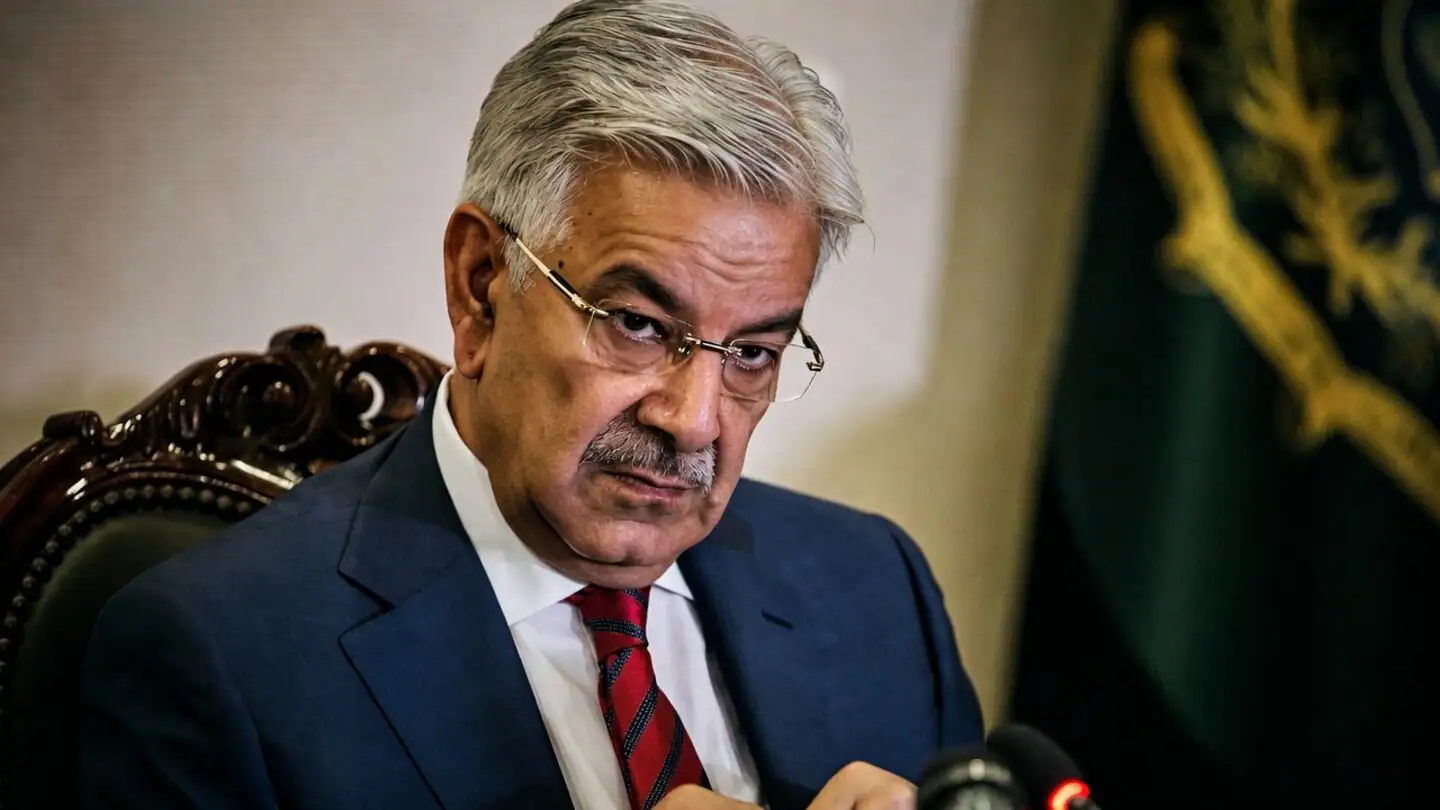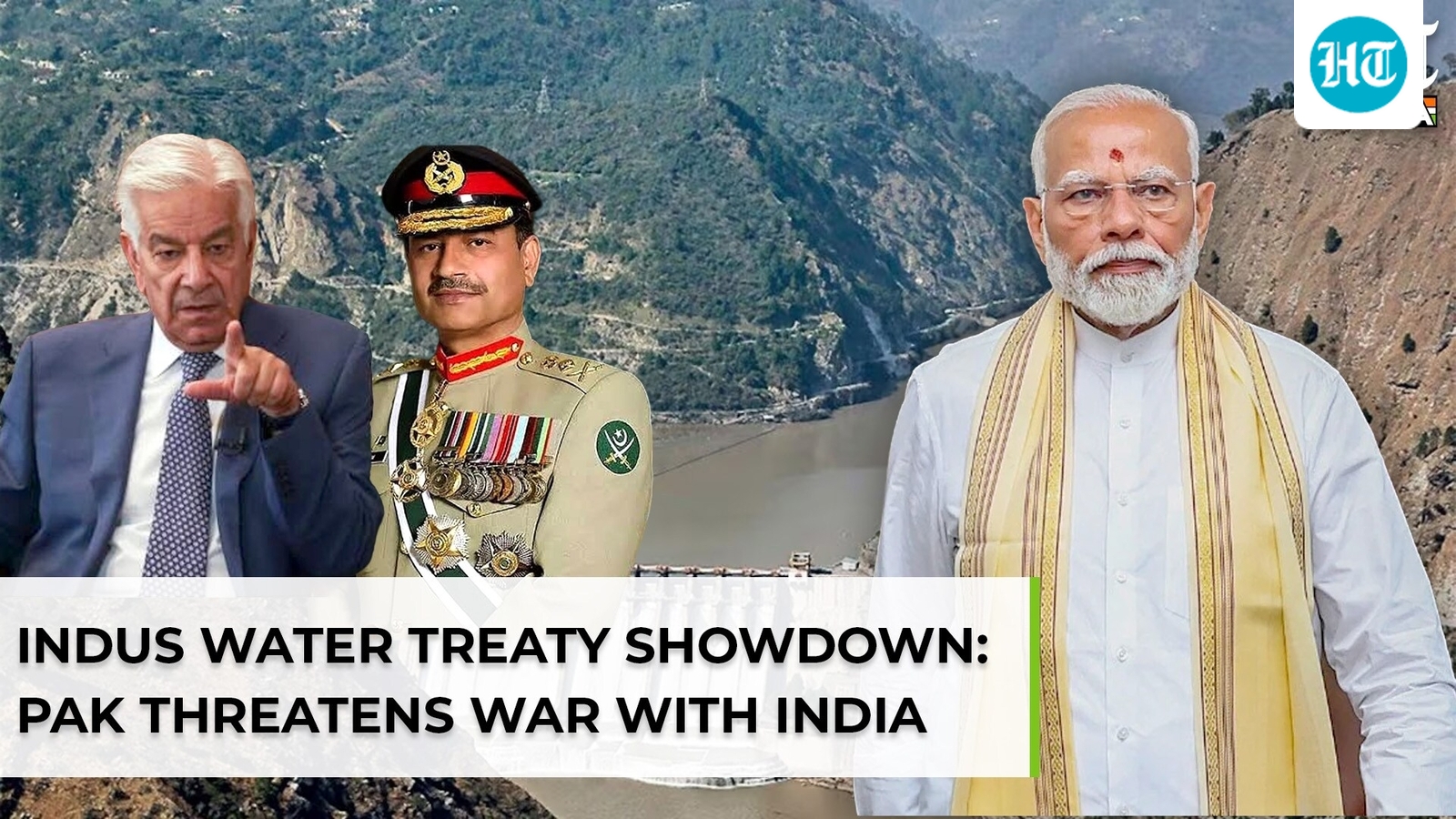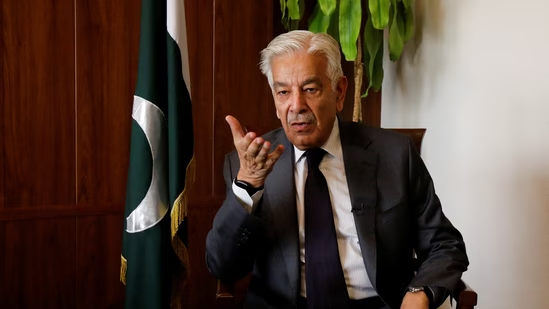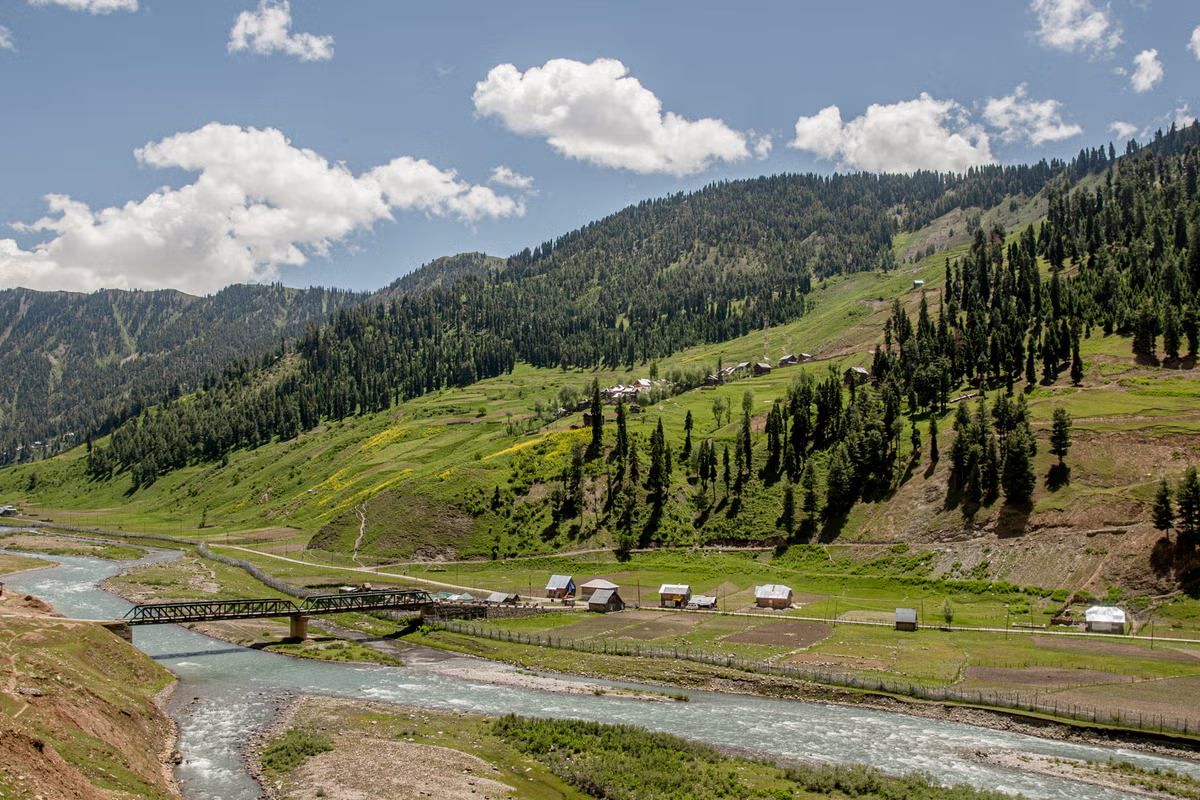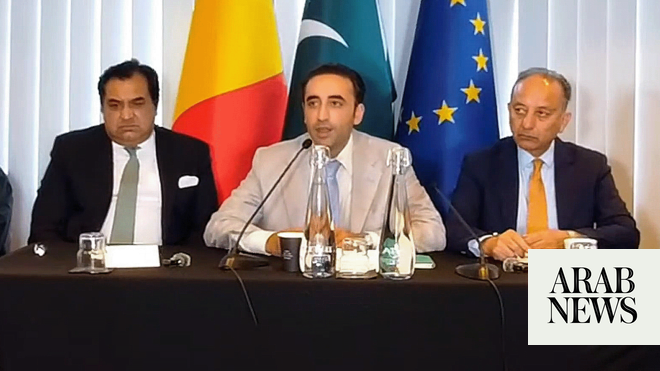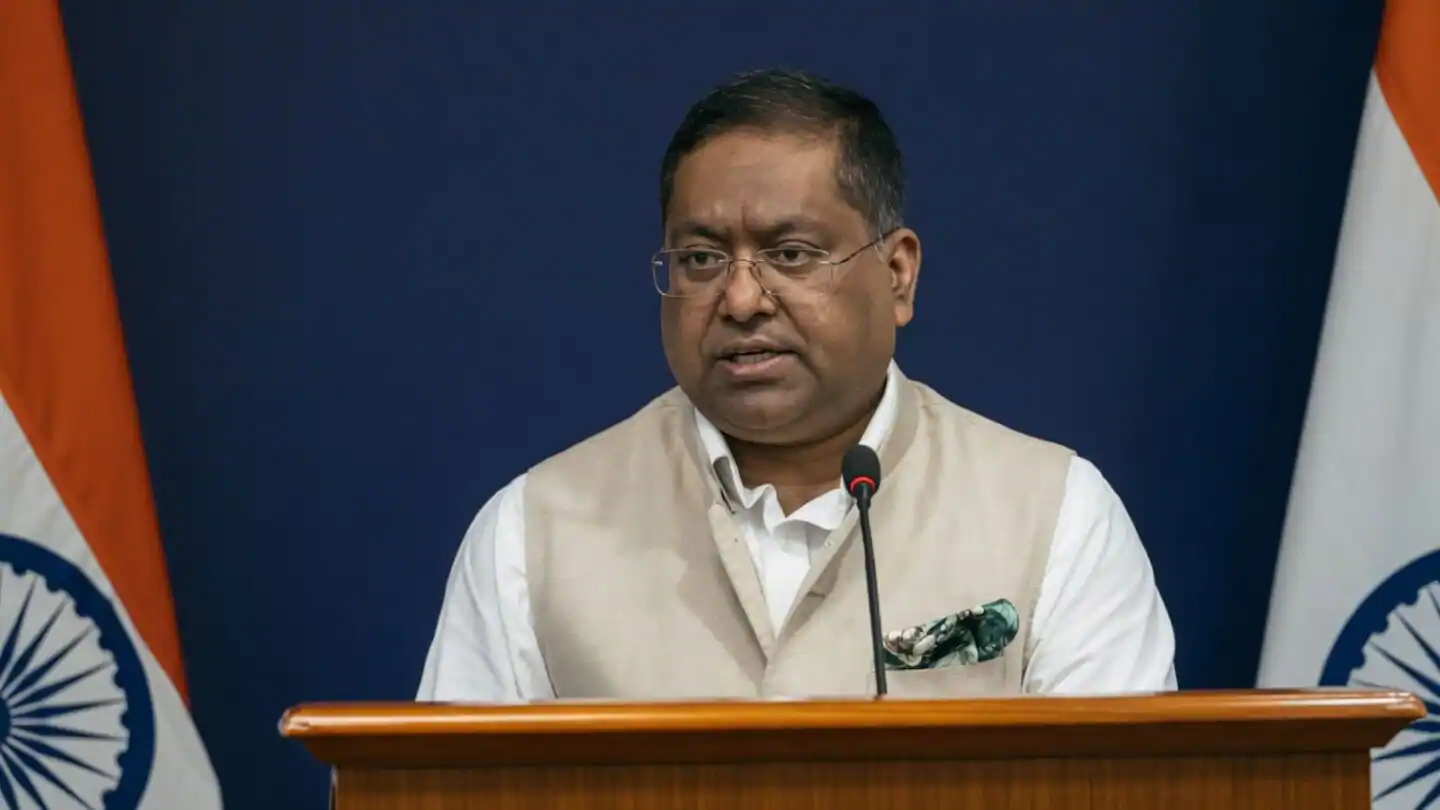
Pakistan’s Defence Minister Khawaja Asif has warned India of potential military action, saying Islamabad could resort to war if its water security is threatened. His remarks come as Pakistan faces a deepening water crisis, more than a year after New Delhi suspended the long-standing Indus Waters Treaty following the Pakistan-sponsored terror attack in Pahalgam.In an interview with ARY News, Asif said, “The moment we feel that our national security — and water is part of our national security — is being threatened, we will go to war against India. Definitely.”He added that such a step would be considered if there was concrete evidence that India was moving at an “alarming speed” to disrupt water flows. His comments follow a statement by Jal Shakti Minister C.R. Patil, who indicated that the flow of Indus waters to Pakistan could be halted entirely by June 2028.Also Read | 'Monster bites back': India calls Pakistan a 'Frankenstein state' at UN; accuses it of supporting terrorismRising tensions over the Indus Waters TreatyTensions between the two nuclear-armed neighbours escalated after a deadly attack in Jammu and Kashmir’s Pahalgam that left 26 people dead. In response, India suspended the 1960 Indus Waters Treaty — a move it has said will remain in place until Pakistan ends support for cross-border terrorism.Under the World Bank-brokered agreement, Pakistan receives nearly 80% of the Indus basin waters, which support about 80% of its agricultural land.Asif accused India of “weaponising water” by manipulating flows in the Chenab River and withholding crucial hydrological data. He noted that Pakistan had historically monitored Indian infrastructure projects through inspections, claiming that around 115 such visits had been conducted, though he admitted lacking updated information over the past year.Also Read | IWT treaty: Centre says not a single drop of water will go to Pakistan as it formulates plans to stop flowsPakistan’s deepening water crisisThe warning comes amid a severe water shortage affecting nearly a third of Pakistan’s population, particularly in Sindh and Balochistan. Data from Sindh’s irrigation department shows a 64.1% deficit in the North West Canal, while the Rice Canal and Dadu Canal are facing shortfalls of 38% and 82%, respectively.Sindh authorities have also accused upstream Punjab of drawing 53,394 cusecs of water — far exceeding its allocated 44,000 cusecs — marking an excess of over 21%.With downstream flows declining sharply, local leaders have warned of an impending “economic massacre” as inter-provincial tensions over water intensify.
'Part of our national security': Pakistan threatens war against India over Indus Water Treaty
Pakistan's Defence Minister has issued a stark warning to India, threatening war if its water security is jeopardized. This comes as Pakistan grapples with a severe water crisis, exacerbated by India's suspension of the Indus Waters Treaty. New Delhi's indication of potentially halting Indus water flow by 2028 has heightened regional tensions, with Islamabad accusing India of "weaponising water" amidst critical shortages.
401 words~2 min read