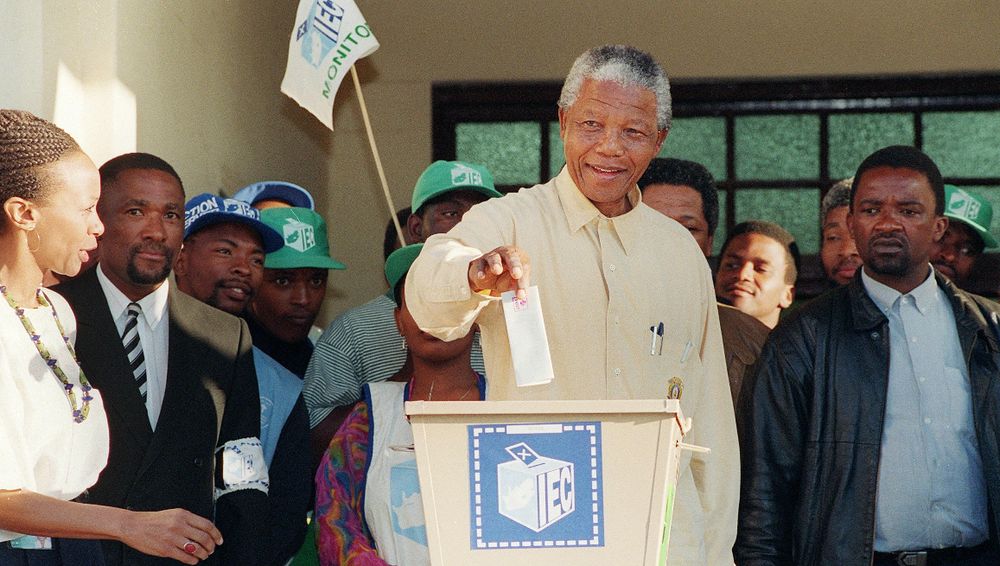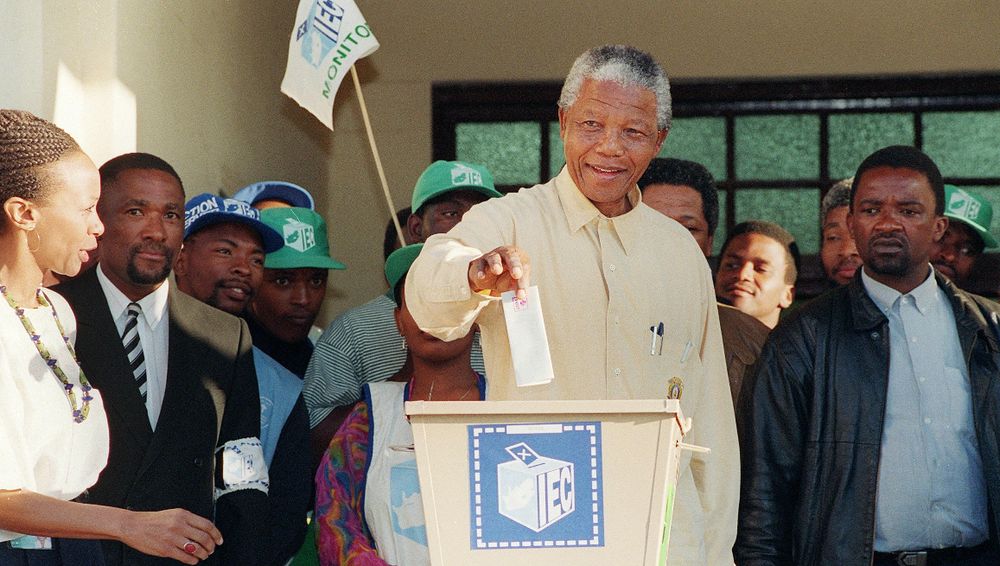
Nelson Mandela casts his vote at the John Langalibalele Dube’s Ohlange High School in Inanda, near Durban, on April 27, 1994. In a nation as young as ours, belonging cannot be left to chance or automatic forces of historical change, says the writer.
Eddy Maloka
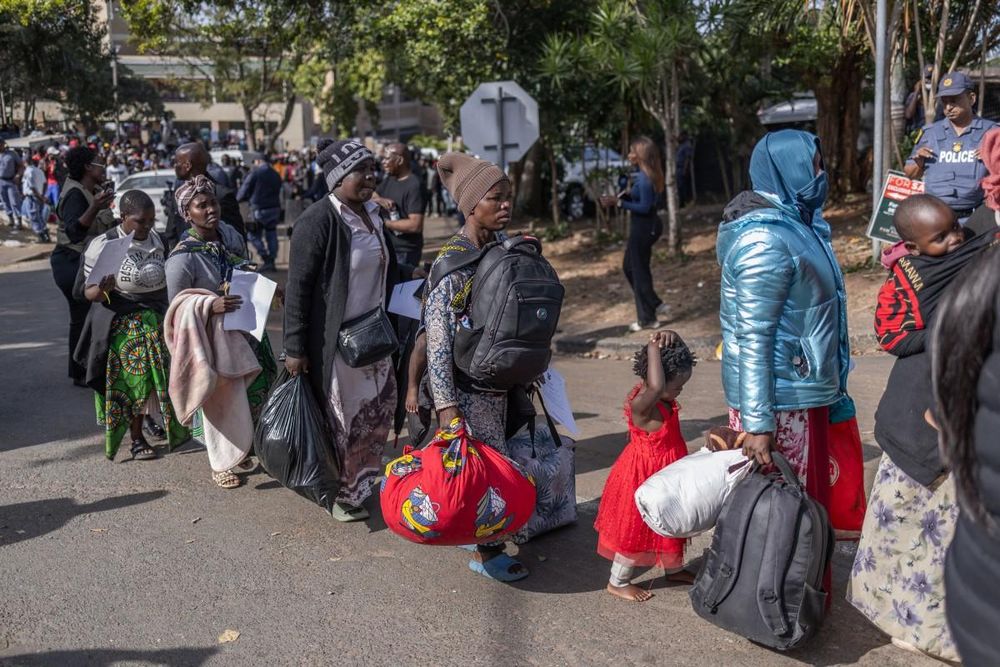
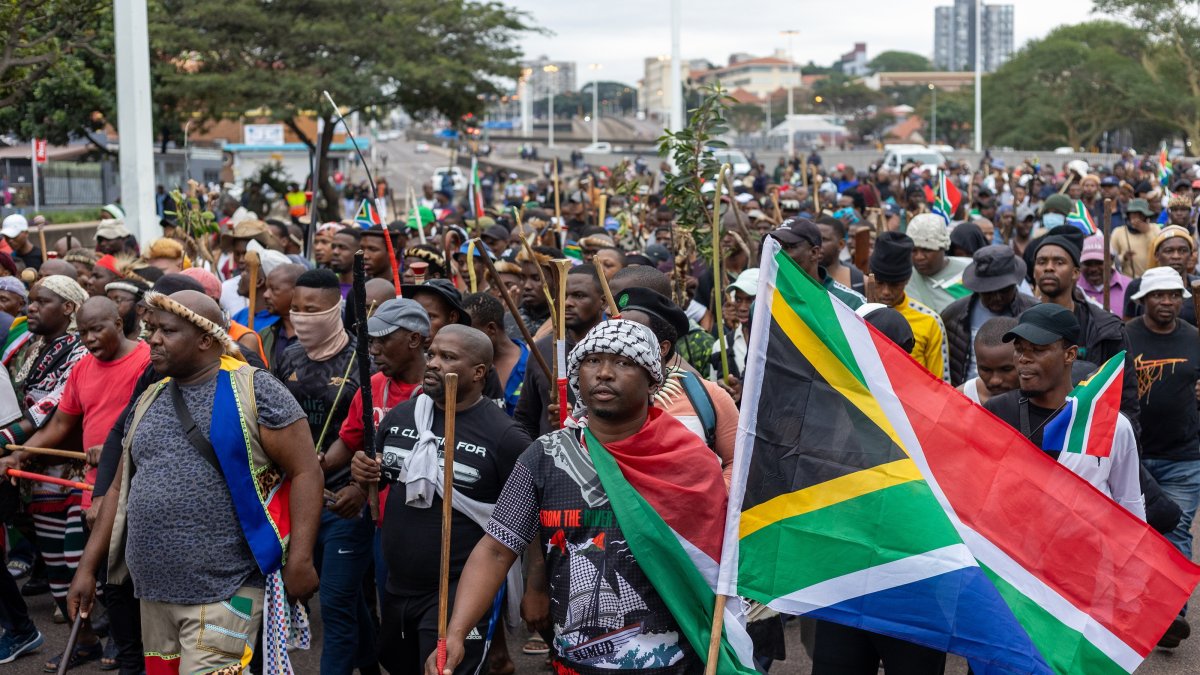
The South African migration crisis exemplifies how challenging it is for the idea of belonging to find expression in human society. Humans are social beings who live within the context of others and on a territory. What complicates our sense of belonging today is the Westphalian state system, which originated in Europe in the 17th century.
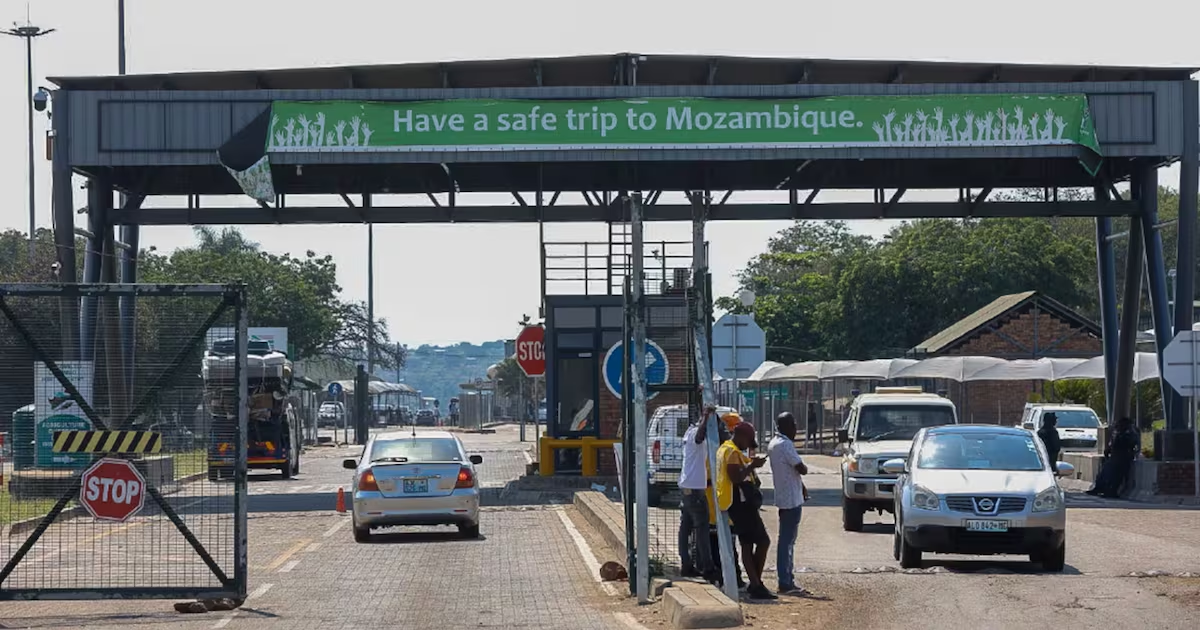
The modern state is an egomaniac: it claims people as its citizens; it is also territorial — it fences off a piece of land that it claims as its exclusive property. The geographic borders of this territory are sacrosanct, enshrined in the country’s constitution. The people it claims as its citizens are documented every step of the way, from birth to death.
Contrary to what many of us think, South Africans’ sense of belonging has evolved. Jan Smuts had his own sense of South African belonging when he was Prime Minister in the 1920s, and so did Hendrik Verwoerd when he enforced the apartheid policy in the 1950s. Founded in 1912, the ANC promoted a notion of South African belonging against tribalism.