South Africa grapples with a troubling hierarchy of foreignness, where African migrants are scapegoated for societal issues while affluent foreigners enjoy privileges. Ziyad Motala delves into the political and economic structures that perpetuate this divide, challenging readers to reconsider the narratives surrounding immigration and belonging.
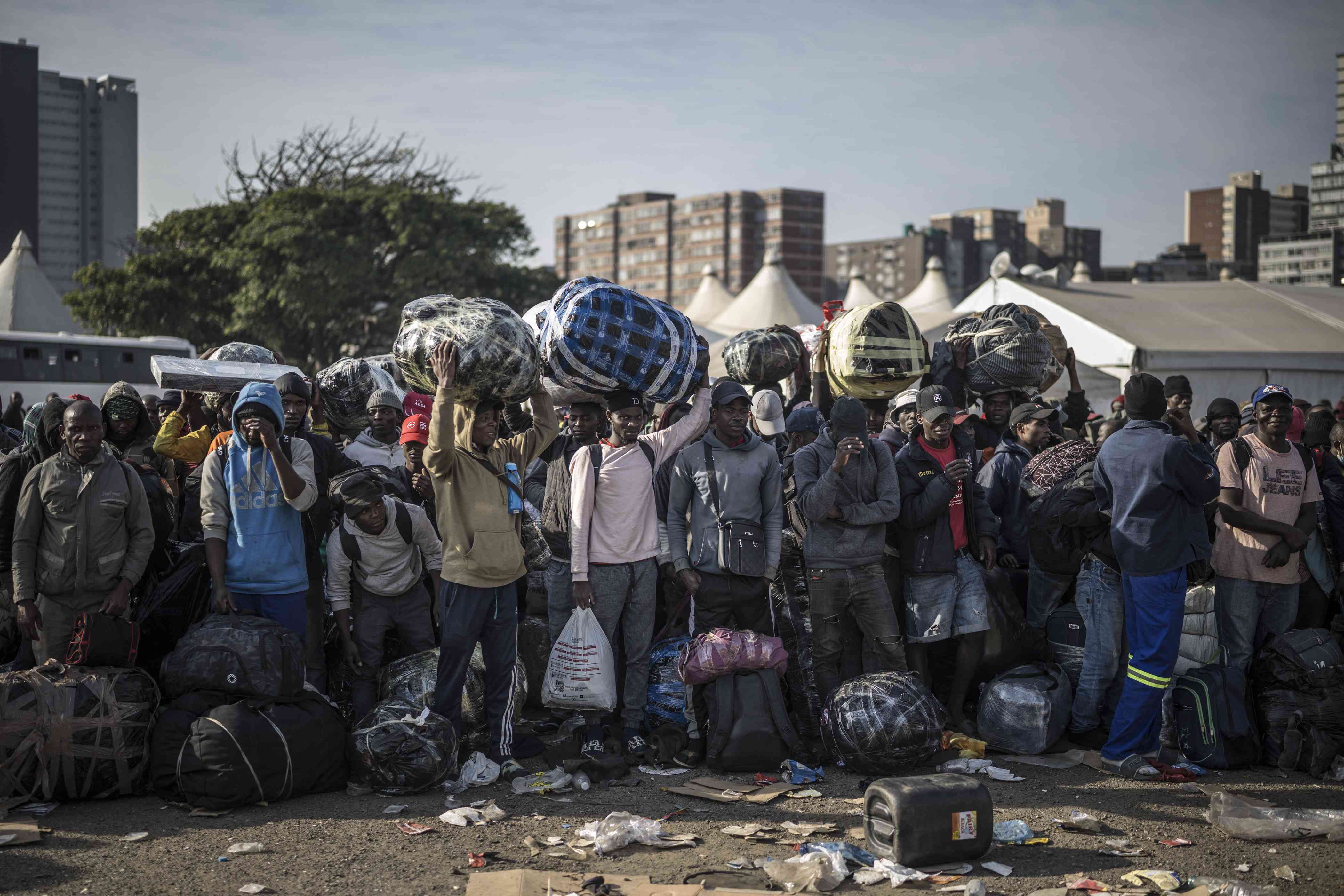
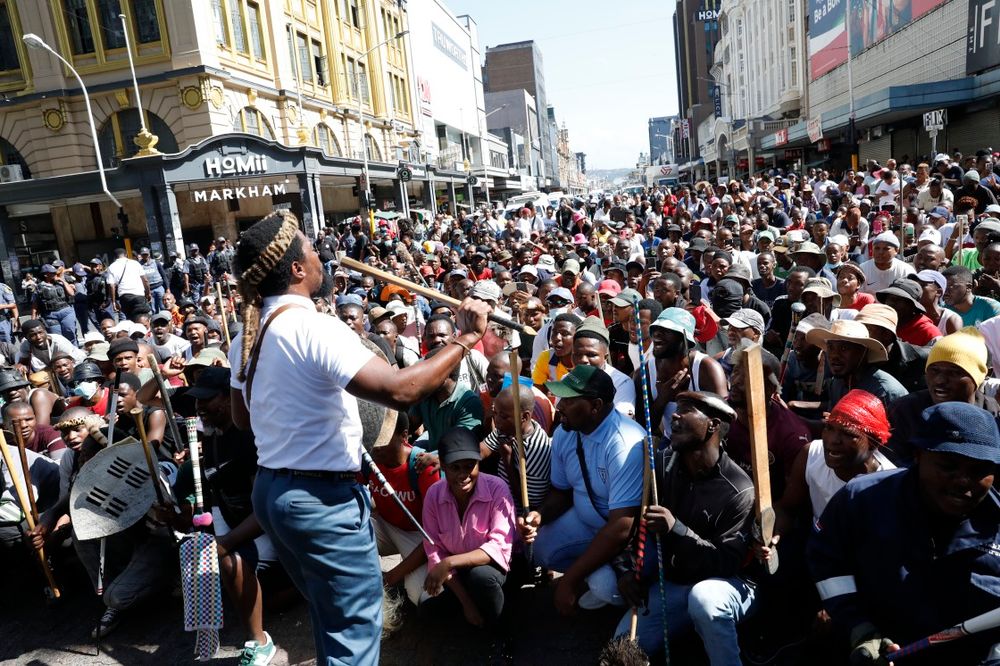
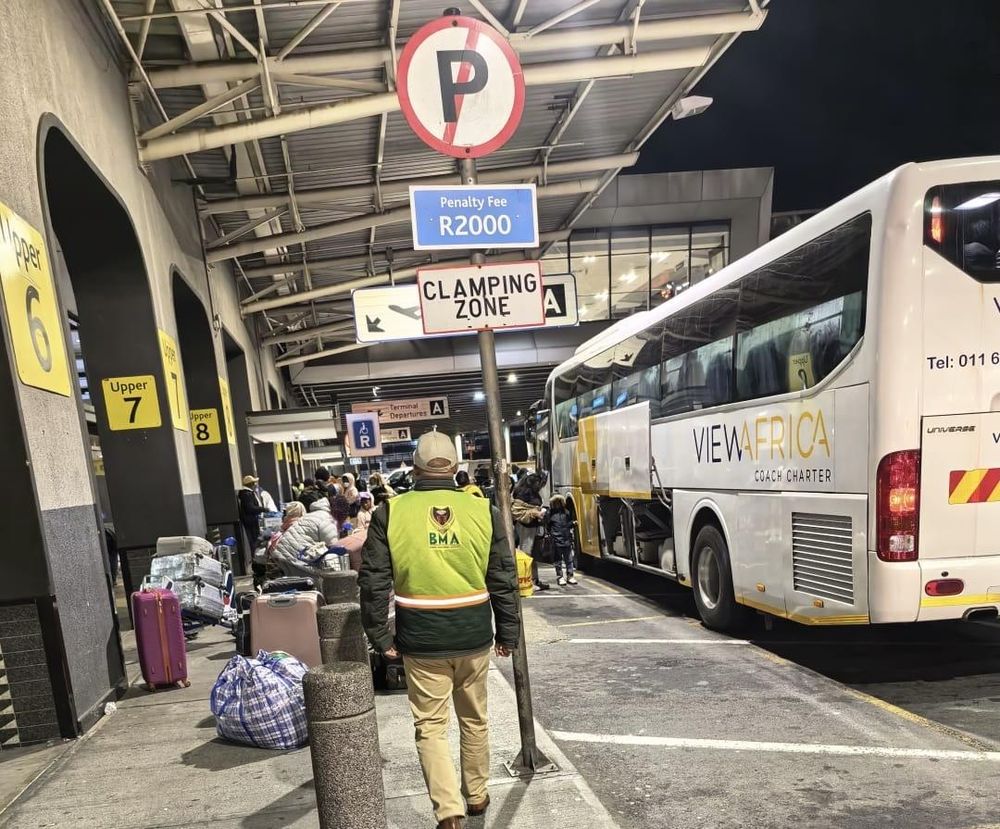
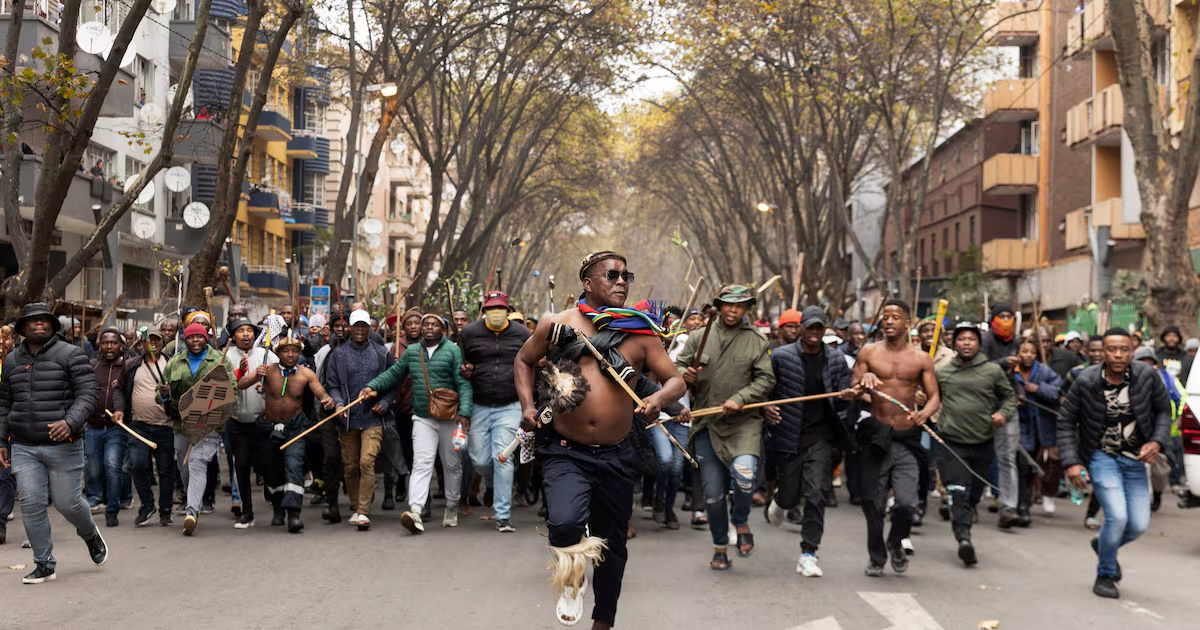
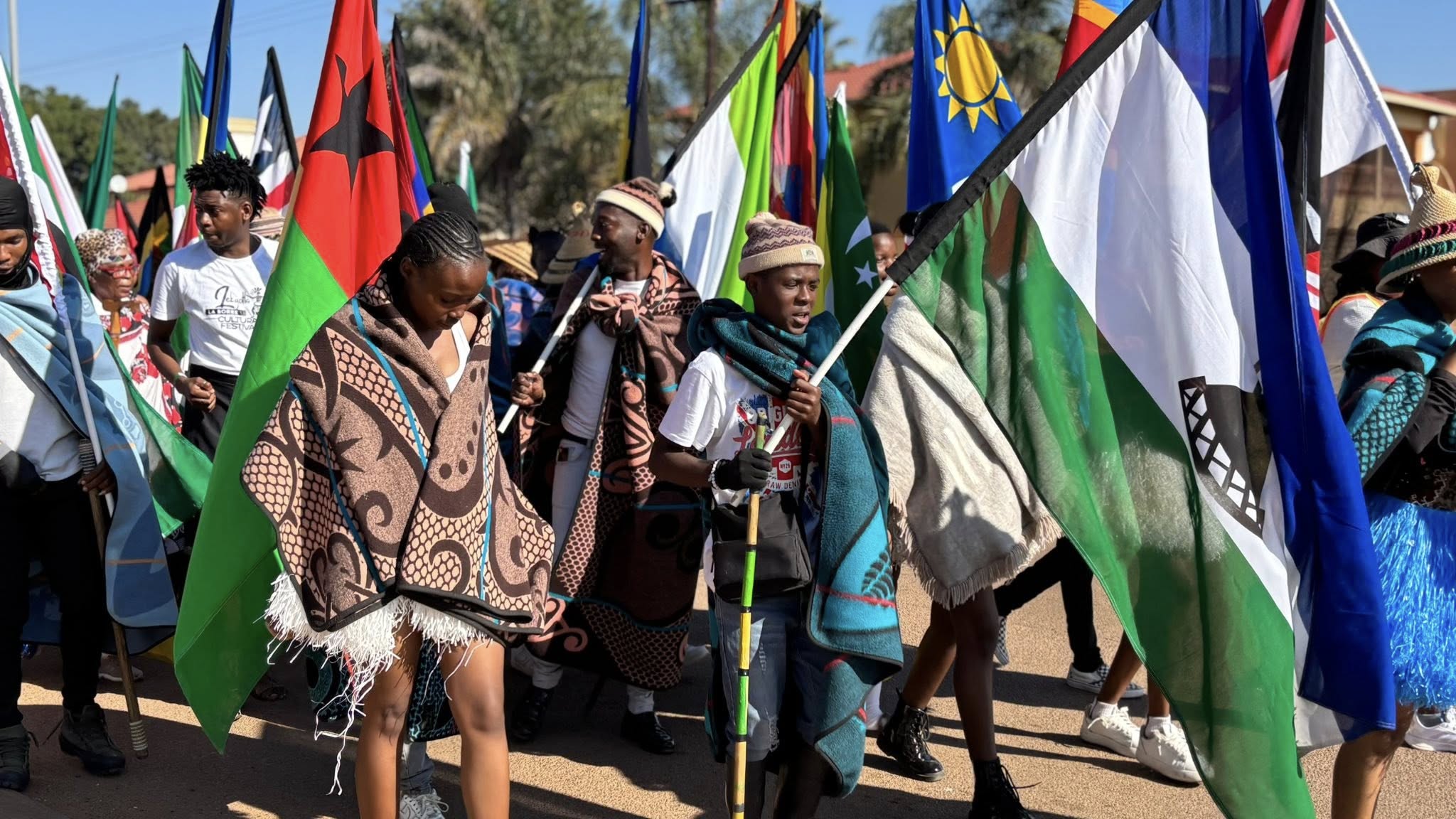
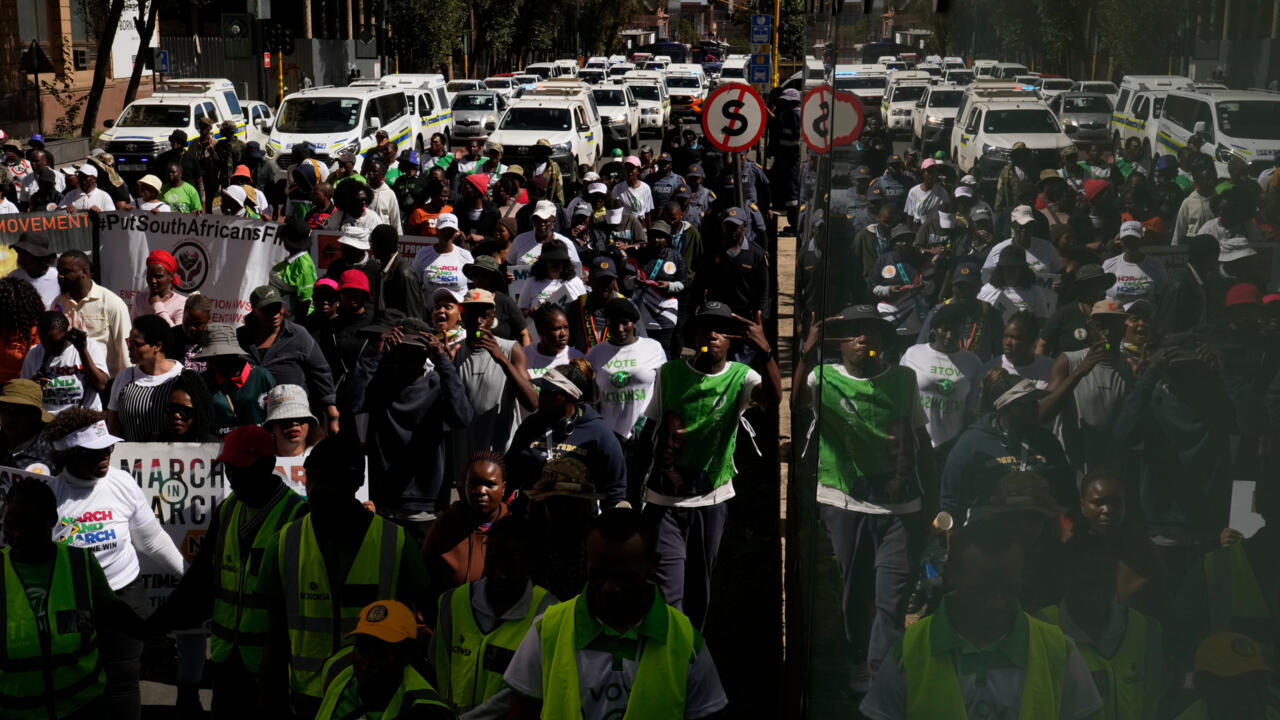
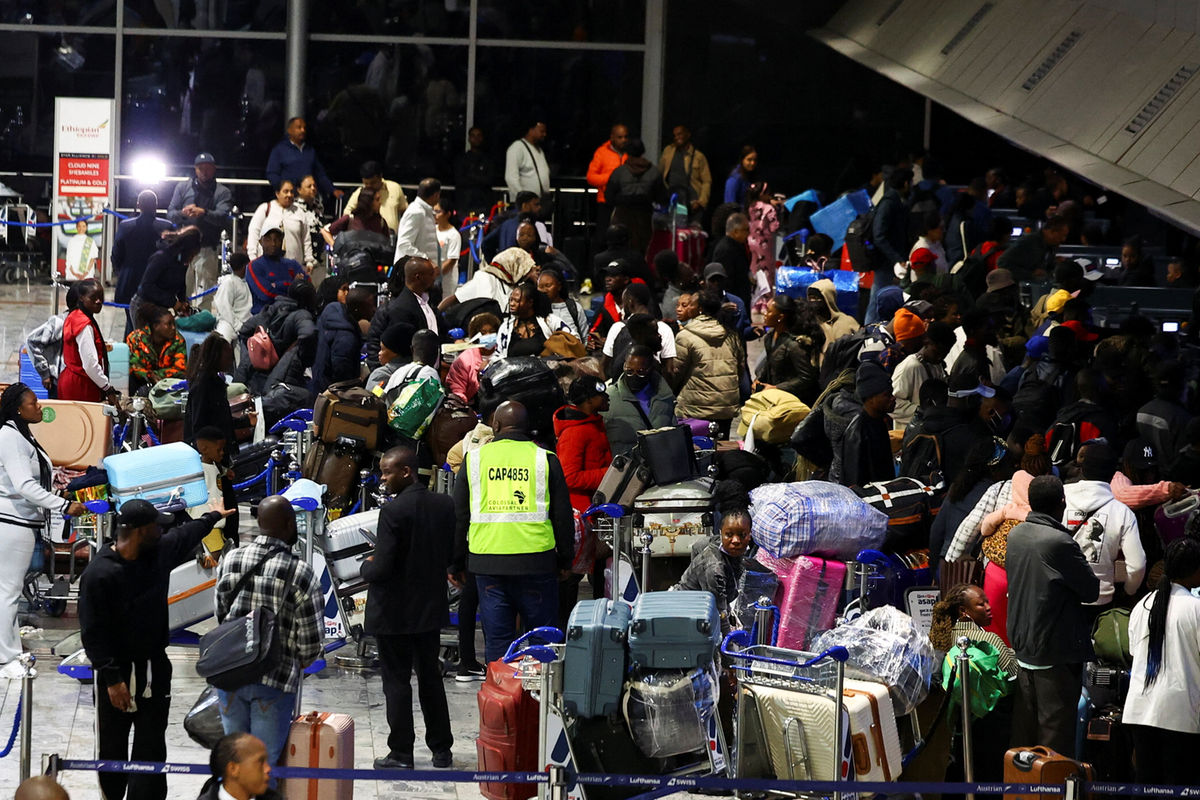
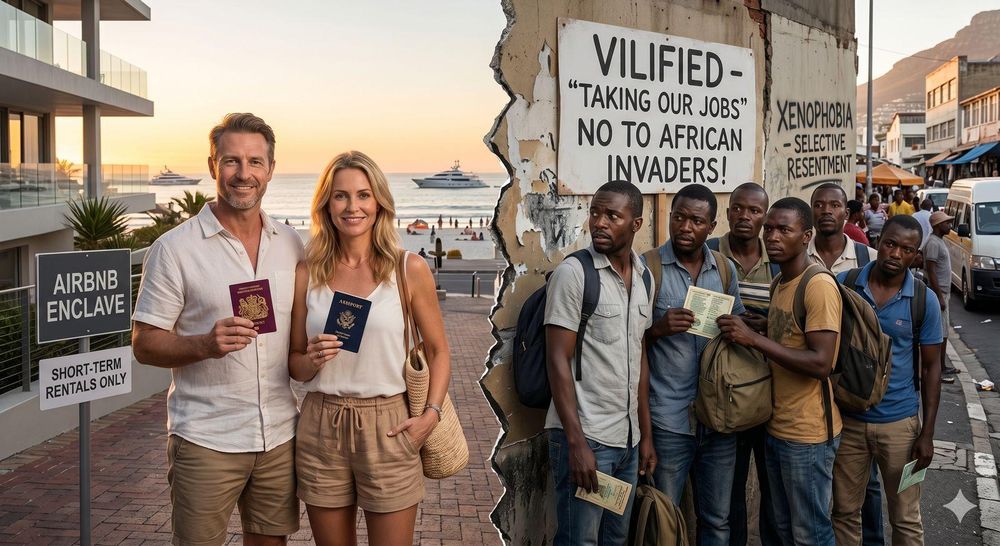
South Africa has cultivated a peculiar hierarchy of foreignness. Among a large segment of society and some political parties, the Zimbabwean gardener, the Malawian labourer, the Mozambican construction worker and the Congolese shopkeeper are denounced as invaders consuming scarce resources. They are blamed for unemployment, overcrowded clinics, strained infrastructure and rising crime. Political opportunists inflame the hysteria with slogans about foreigners “taking our jobs,” while periodic eruptions of violence descend upon vulnerable African migrants whose only crime is attempting to survive. Yet another class of foreigner moves through South Africa with almost complete immunity from scrutiny.
They arrive from Europe, the United States and increasingly Israel, carrying powerful passports, remote incomes and the confidence of people accustomed to moving through the world without restriction. They settle into Cape Town’s Atlantic Seaboard, transform neighbourhoods into short-term rental zones while living lives insulated from the economic realities surrounding them. Many could not remotely afford in London, Amsterdam, New York or Tel Aviv the lifestyles they casually enjoy in South Africa. The economic arithmetic is simple. Salaries earned in dollars, euros and pounds purchase extraordinary privilege when converted into rands. Domestic labour becomes cheap. Luxury apartments become attainable. Fine dining becomes routine. The ordinary middle-class Westerner suddenly acquires the lifestyle of a colonial elite. The elite in South Africa applauds this as sophistication.