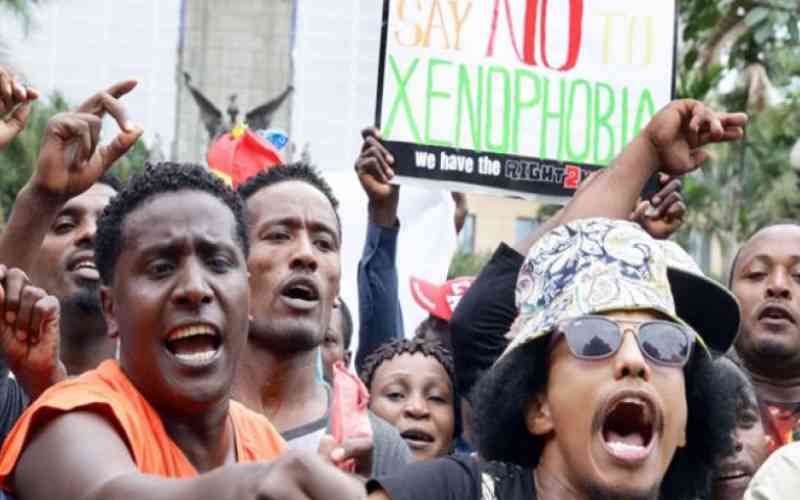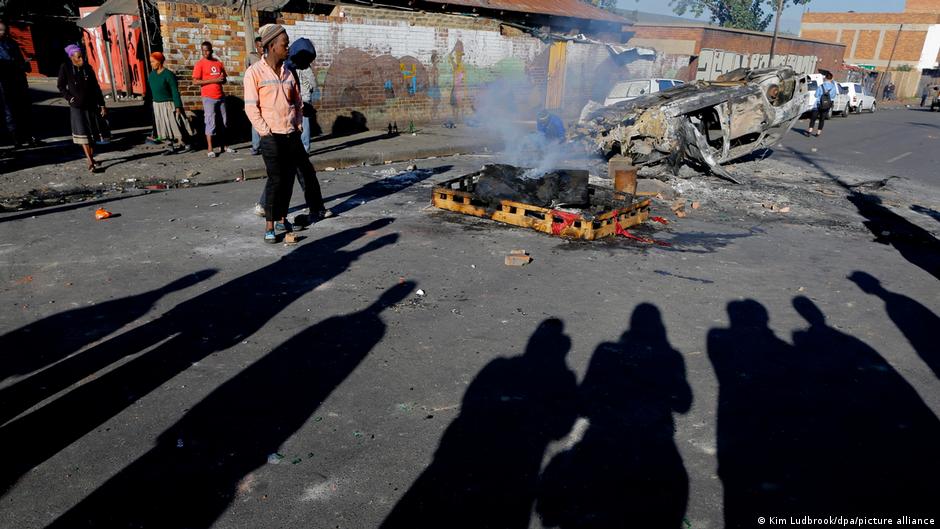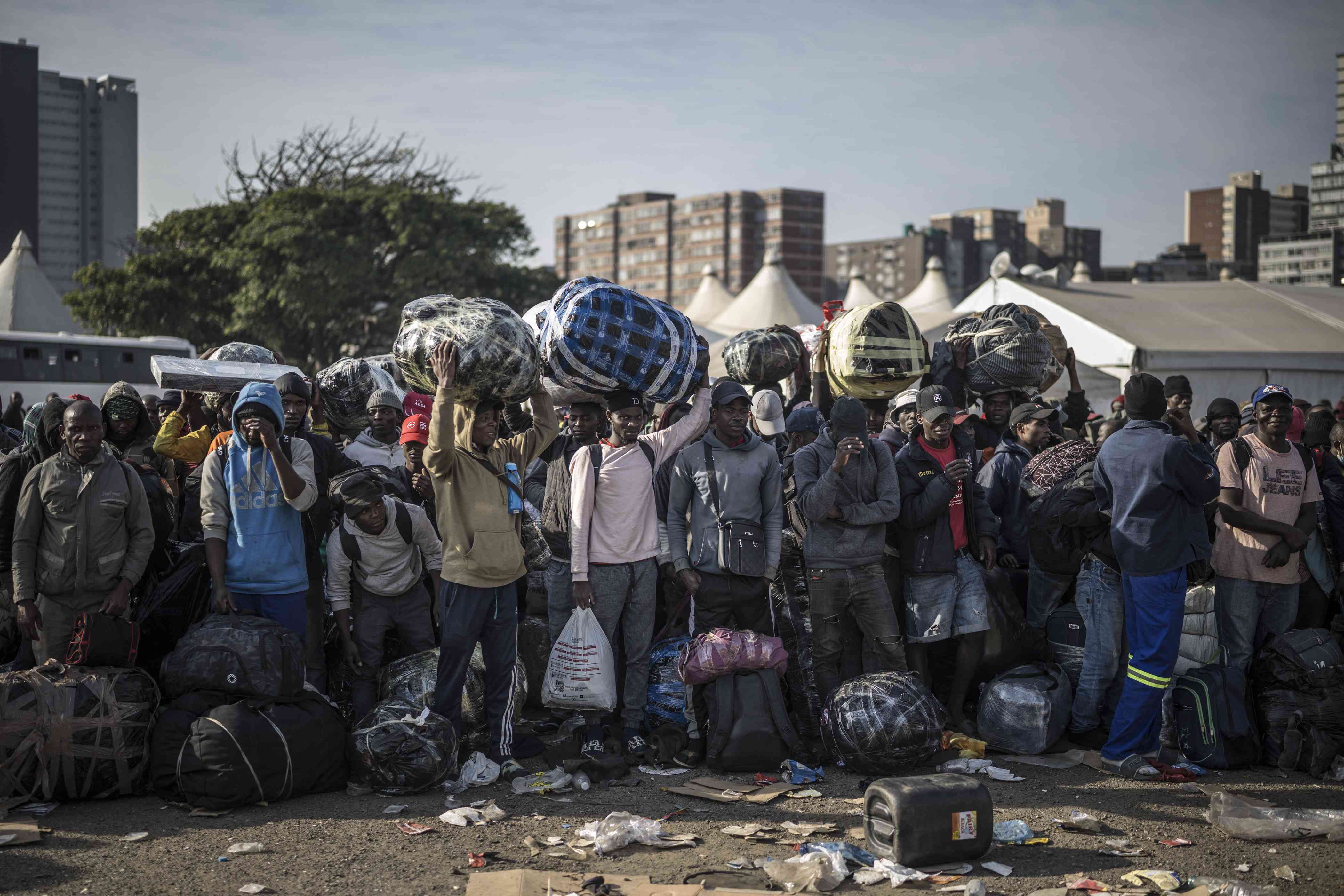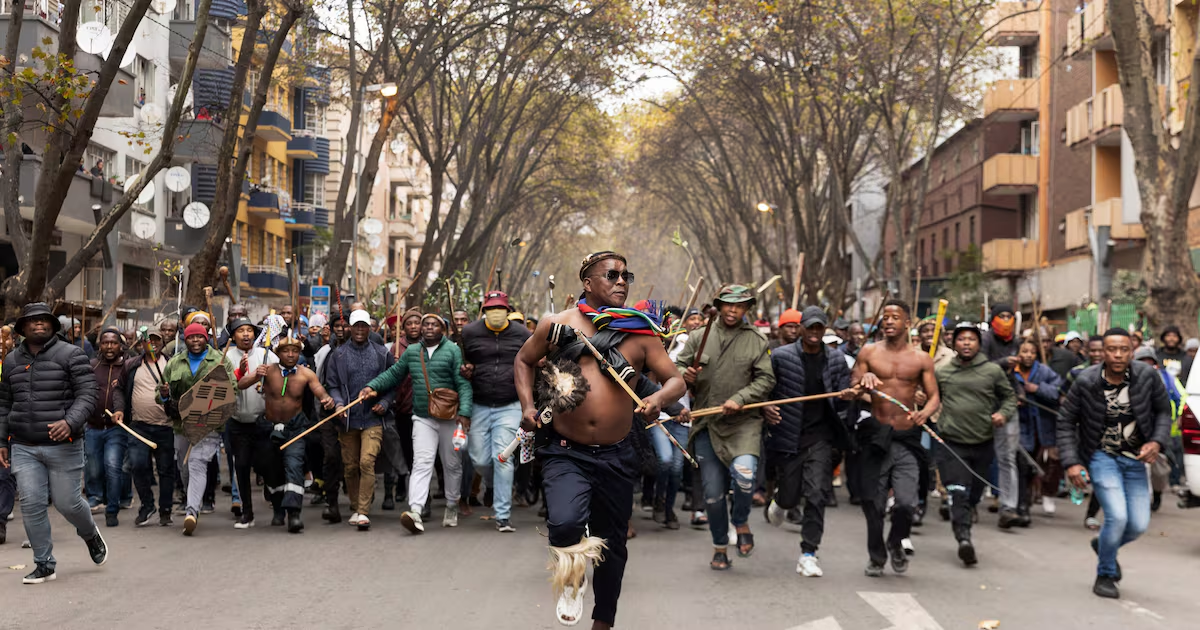
The recent xenophobic attacks in South Africa against fellow African migrants have again placed the country under intense regional and international scrutiny. Stakeholders continue to offer different explanations for the violence. Some point to the failure of African governments to provide opportunities and basic services to their citizens, forcing migration across borders. Others blame the South African government for failing to maintain law and order, or for allowing political rhetoric that scapegoats migrants for socioeconomic frustrations. Whatever the explanation, one reality remains undeniable: xenophobia is a violation of the principles contained in the African Charter on Human & Peoples’ Rights to which South Africa is a signatory. The attacks undermine not only human dignity but also the idea of African solidarity that many across the continent associated with South Africa during and after the liberation struggle. President Cyril Ramaphosa has previously argued South Africans are not xenophobic and criminal opportunists are exploiting tensions for their own benefit. While criminality may indeed play a role, it is equally true many attacks are fuelled by longstanding misconceptions that migrants are responsible for unemployment, crime and economic hardship. In reality, many migrants contribute significantly to the economy through entrepreneurship, informal trade and labour sectors that are often neglected or under-serviced. Regardless of debates around migration policy or undocumented migration, violence against foreign nationals cannot be justified under any circumstances. Questions relating to documentation and immigration enforcement remain the responsibility of law enforcement authorities, not ordinary citizens and vigilante groups. Against this backdrop, comments made by international relations & co-operation minister Ronald Lamola have generated some concern. According to reports published by News24, the minister suggested growing diplomatic criticism from African countries regarding xenophobia in South Africa may be driven partly by efforts to undermine South Africa’s standing on human rights in the international arena. The minister said: “Obviously, with the geopolitical environment and South Africa’s role in the international space, including our case at the International Court of Justice (ICJ), you cannot exclude state and nonstate actors trying to erode the human rights standing of South Africa.” The remarks immediately drew attention because of their reference to South Africa’s ICJ case against Israel. While the minister did not directly accuse Israel of involvement in xenophobic violence, the implication was widely interpreted as suggesting criticism of South Africa’s handling of xenophobia may be politically co-ordinated in response to the country’s international posture. The problem with this argument is not simply the geopolitical speculation itself. The deeper concern is that it risks shifting attention away from the urgent domestic realities facing migrants in South Africa. At a time when African migrants are facing intimidation, assaults and threats, public focus should remain on accountability, protection of human rights and restoring public trust. Critics argue that linking xenophobia criticism to foreign geopolitical agendas risks creating the perception that external actors are more responsible for South Africa’s image problem than the violence occurring within its own borders. Whether intentional or not, such framing can weaken efforts to directly confront the underlying causes of xenophobia. At a time when African migrants are facing intimidation, assaults and threats, public focus should remain on accountability, protection of human rights and restoring public trust. Former president Thabo Mbeki offered an important perspective when he warned against blaming migrants for South Africa’s social and economic difficulties. Mbeki reminded South Africans that many African countries supported South Africa during the liberation struggle, and argued that scapegoating migrants would neither solve unemployment nor address deeper structural challenges facing the country. His comments highlight an important truth: xenophobia cannot be addressed through denial, political defensiveness or externalisation of blame. It requires serious introspection and practical leadership. Reports that Lamola objected to xenophobia in South Africa being placed on the AU agenda because South Africa was not given sufficient notice have further intensified concerns about the government’s posture on the matter. At a regional level there is growing frustration that xenophobia in South Africa re-emerges despite repeated warnings and previous outbreaks of violence dating back many years. Xenophobic violence is not new to South Africa. The devastating attacks of 2008 remain one of the darkest chapters in the country’s democratic history, resulting in dozens of deaths, widespread displacement and trauma across migrant communities. Civil society organisations, religious groups and advocacy bodies, including the African Diaspora Forum and South African community organisations, have repeatedly intervened to promote peace and protect vulnerable communities during such periods. These efforts demonstrate many South Africans reject xenophobia and continue to uphold values of co-existence and human dignity. However, meaningful progress requires political leadership that acknowledges the seriousness of the crisis without appearing dismissive of legitimate criticism. South Africa remains an influential voice on the African continent and frequently positions itself as a defender of human rights and international justice. For that reason, the government’s response to xenophobia carries implications far beyond its borders. The country’s credibility as a regional leader depends not only on its positions in international courts and diplomatic forums, but also on how it protects vulnerable people within its own communities. Addressing xenophobia requires more than rhetoric. It requires stronger law enforcement, responsible political leadership, regional co-operation and honest engagement with the economic and social frustrations that often fuel anti-migrant sentiment. All African states, including South Africa, have a responsibility to protect those who live within their borders while encouraging lawful migration and safeguarding human rights. South Africa faces an important test: whether it will respond to xenophobia with accountability and leadership, or continue allowing political distractions to overshadow a crisis that has already damaged too many lives. • Ndlovu is a Zimbabwean international human rights activist with experience in migration, human rights and climate change matters.
NKANYEZI NDLOVU | The politics of blame
SA’s response to xenophobia tests its credibility as a defender of human rights in Africa
948 words~4 min read