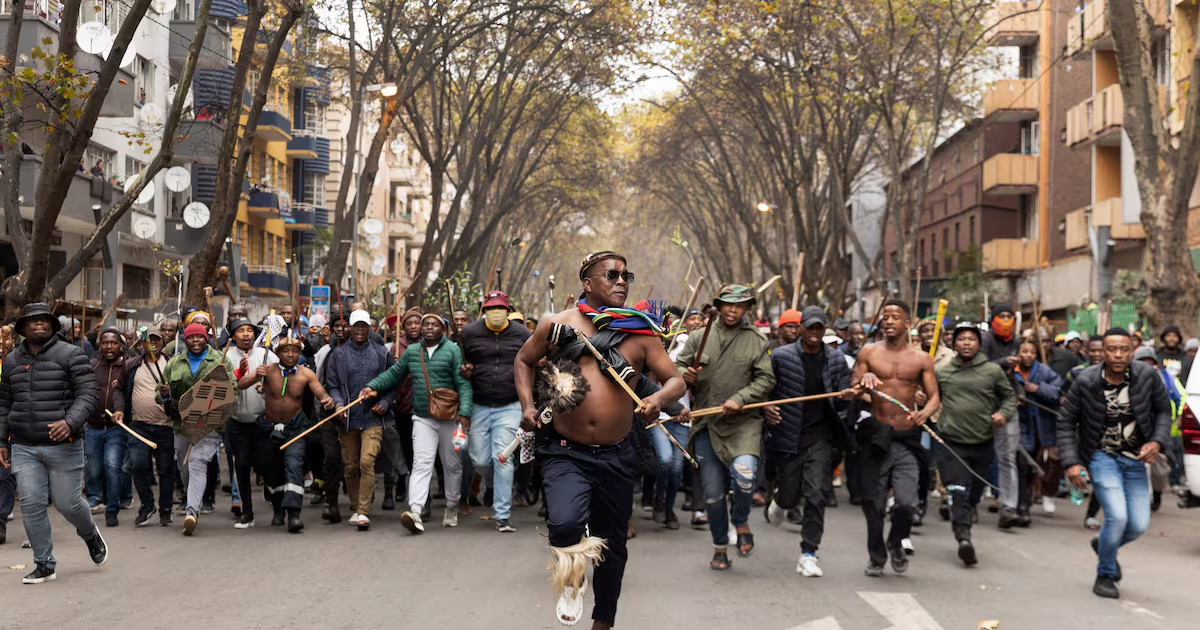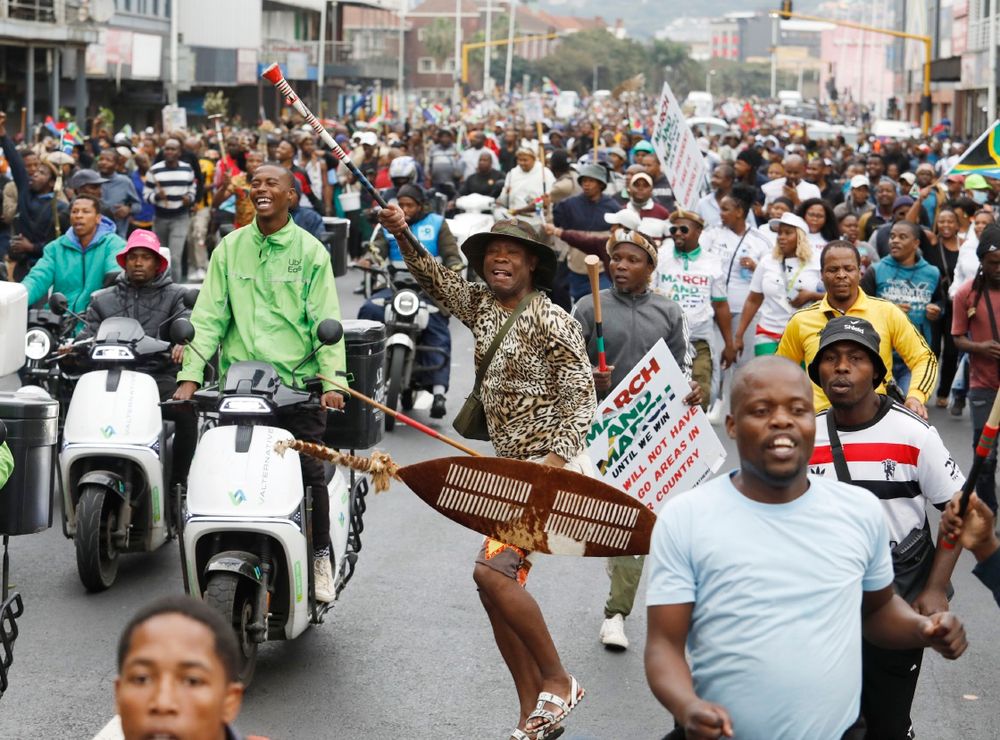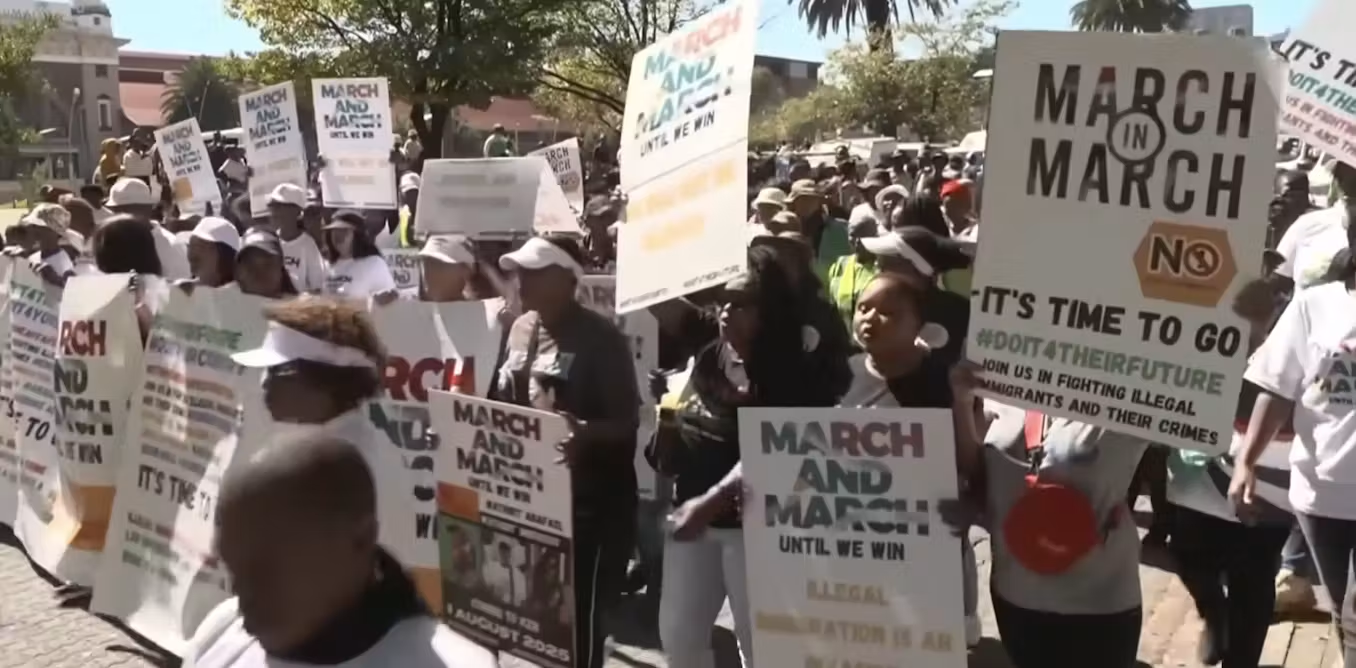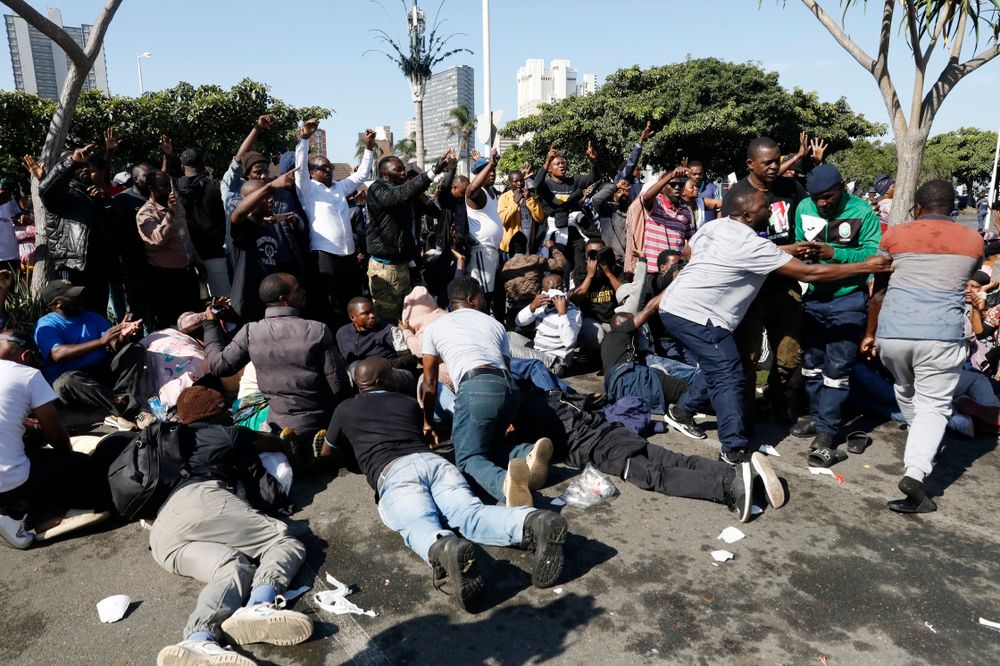
Clashes outside Durban’s Diakonia Centre as the ANC in KwaZulu-Natal called on the security cluster to strictly enforce existing laws, with the party taking a hard line against rising vigilantism and slamming populist leaders for stoking xenophobic tensions. As South Africa faces a rising tide of xenophobia, the absence of African ambassadors on Africa Day highlights the urgent need to examine how social media algorithms amplify societal tensions.
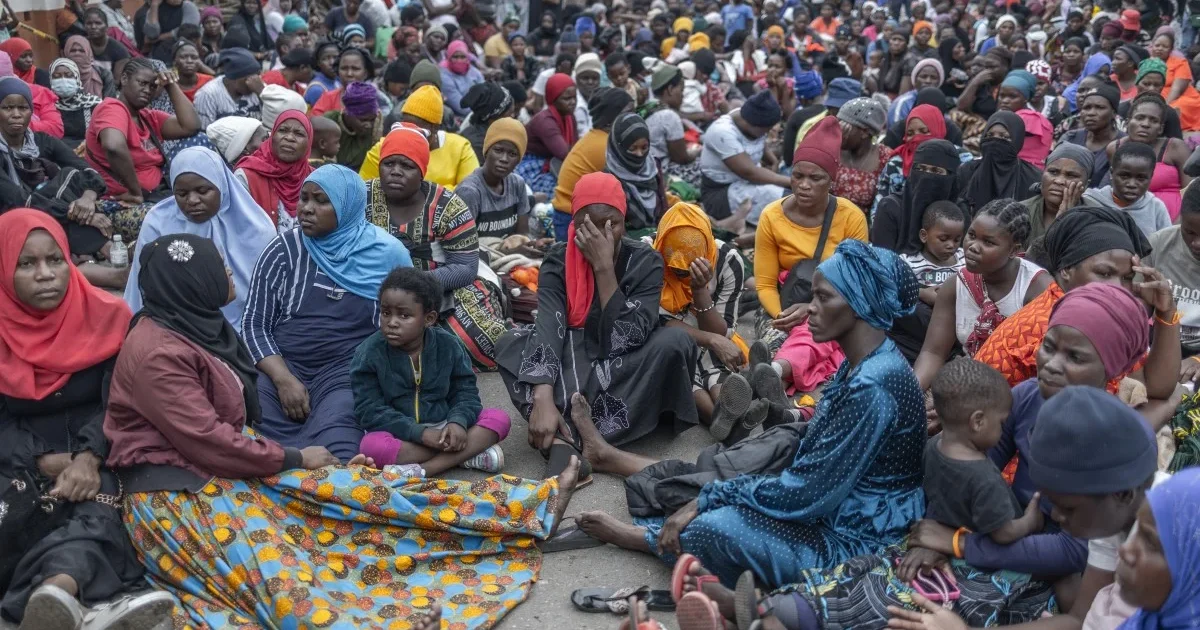
Few days after Africa Day fell silent in the shadow of boycotts and repatriations, South Africa is confronting an uncomfortable truth about the crisis unfolding within its own borders. On 25 May, the day the African continent traditionally gathers to affirm its unity, African ambassadors refused to attend South Africa's official celebrations. They did not feel safe. Nigeria and Ghana had already begun repatriating their citizens.
According to reports, at least seven people were dead. The movements behind the violence, March and March and Operation Dudula, had swept through Johannesburg, Pretoria, and Durban, leaving fractured communities, destroyed businesses, and formal diplomatic complaints from Nigeria, Ghana, and Mozambique in their wake. A United Nations warning had drawn international headlines. A country that presents itself as the gateway to Africa was being watched with alarm by the very neighbours it claims to lead.