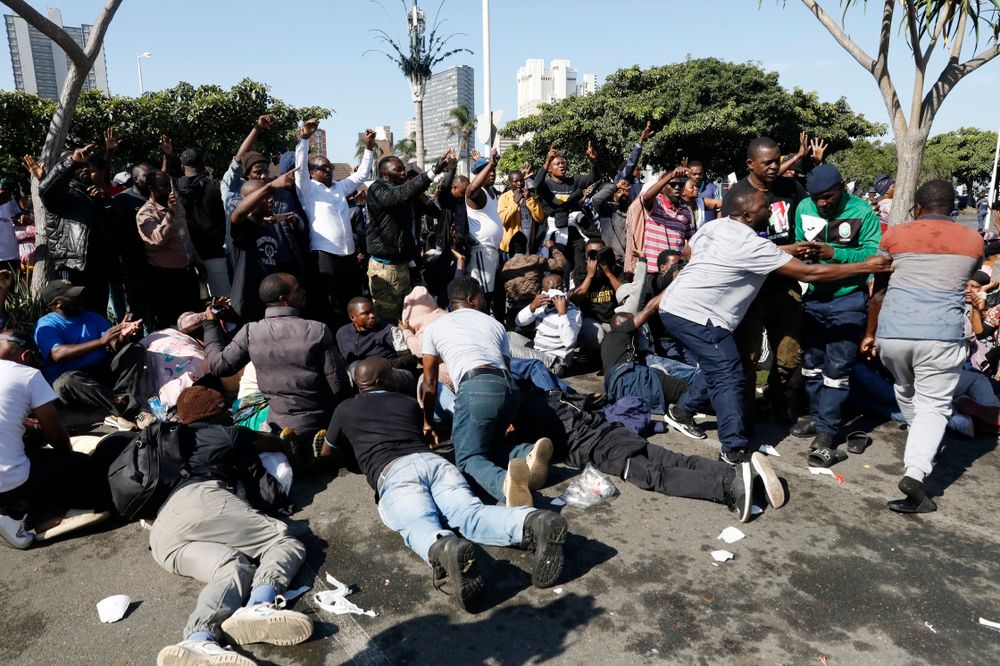
As tensions around immigration and xenophobia continue to flare in South Africa, social media platforms are increasingly being flooded with misleading, manipulated, and AI-generated content designed to provoke outrage, drive engagement, and generate advertising revenue.
Many of these posts appear authentic at first glance. They often feature shocking images, emotional videos, or alarming claims about foreigners, crime, jobs, or public services. But in many cases, the content is fabricated, taken out of context, or generated entirely by artificial intelligence.
The spread of such content can inflame tensions, deepen divisions, and make it harder for people to distinguish fact from fiction.
Here are 10 ways to identify potentially misleading AI-generated posts before sharing them.
1. The Post Triggers an Immediate Emotional Reaction