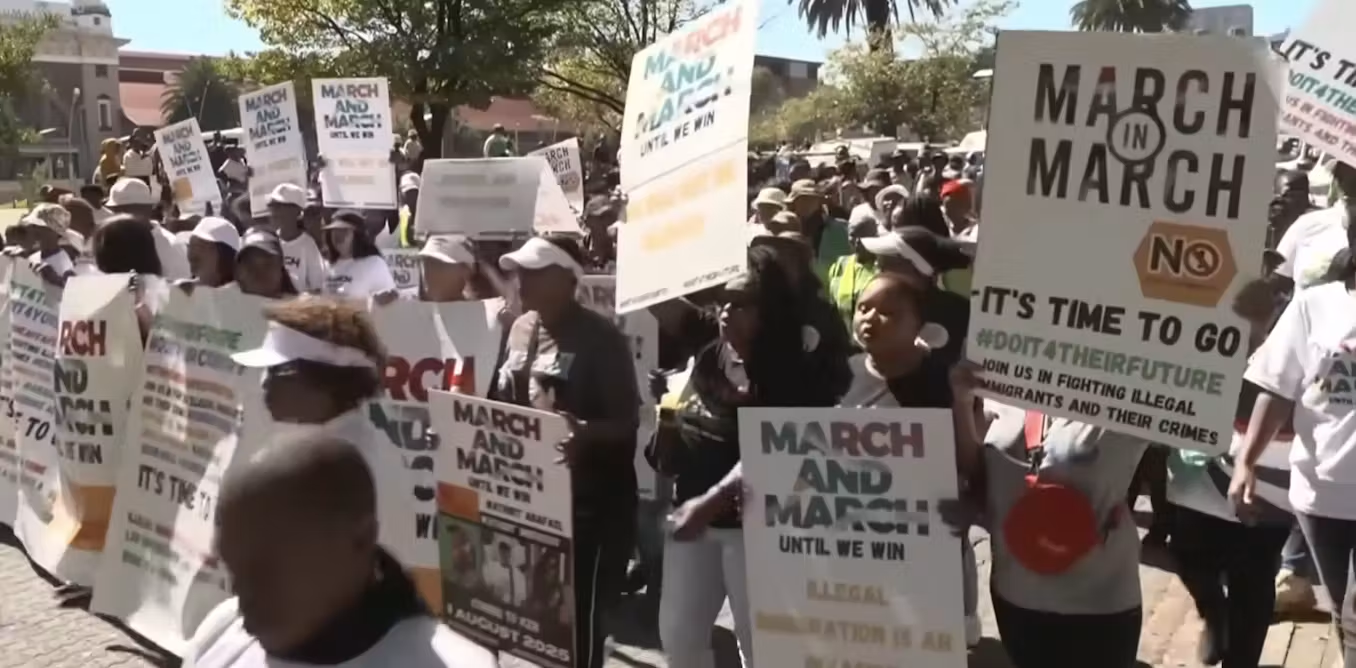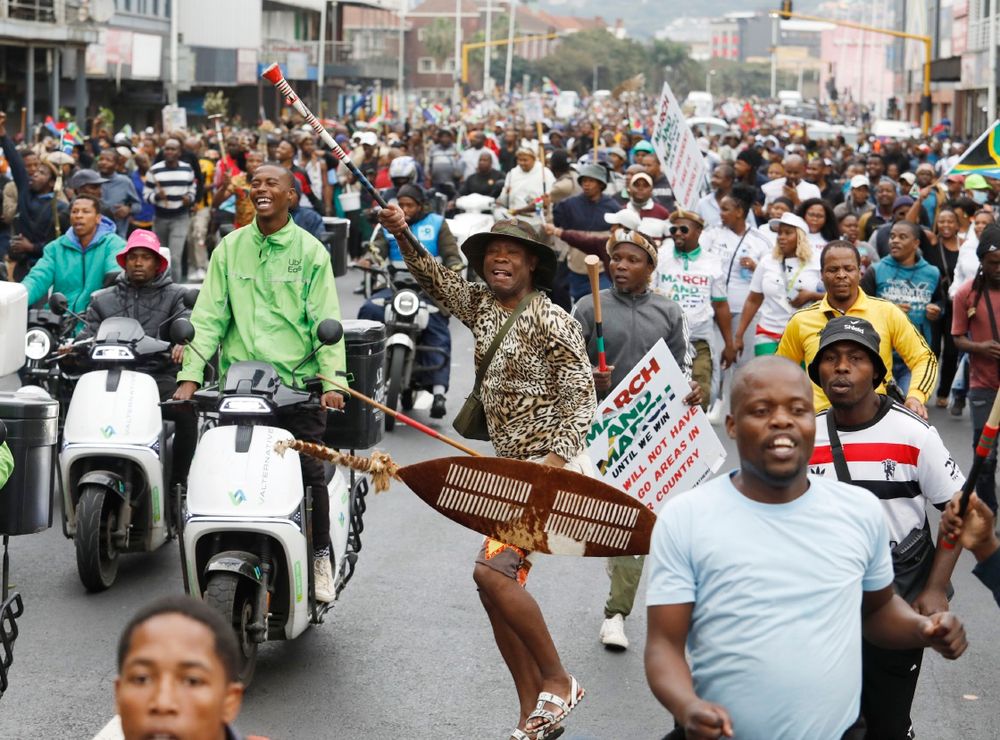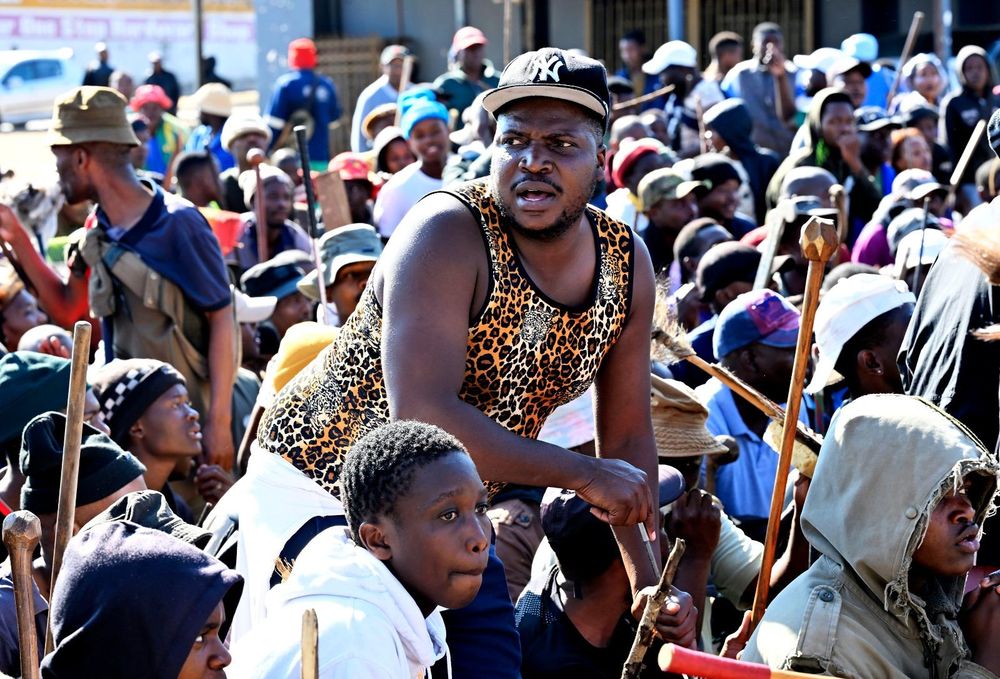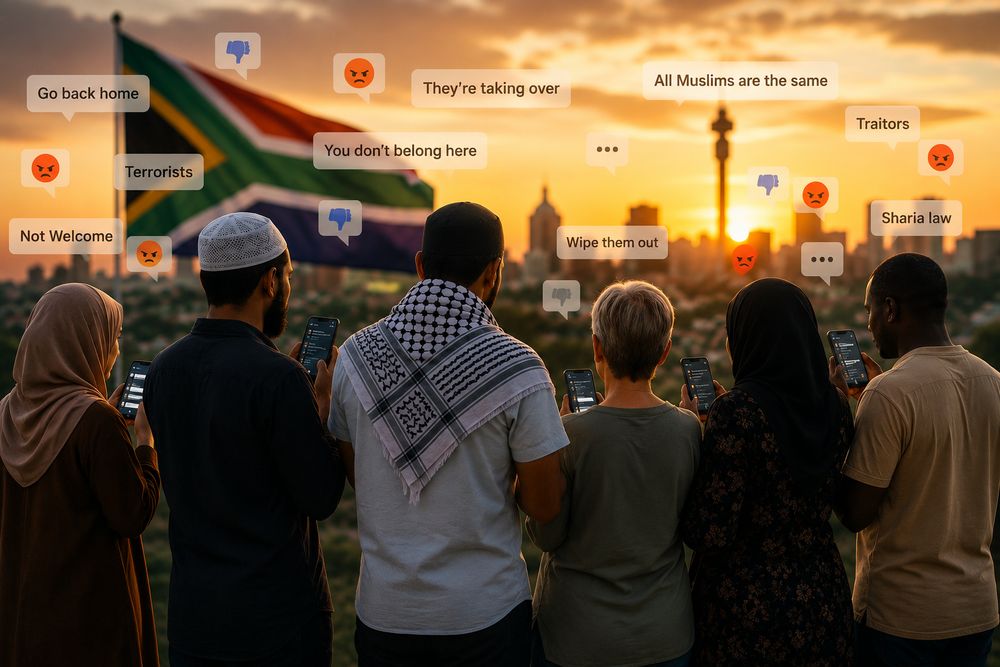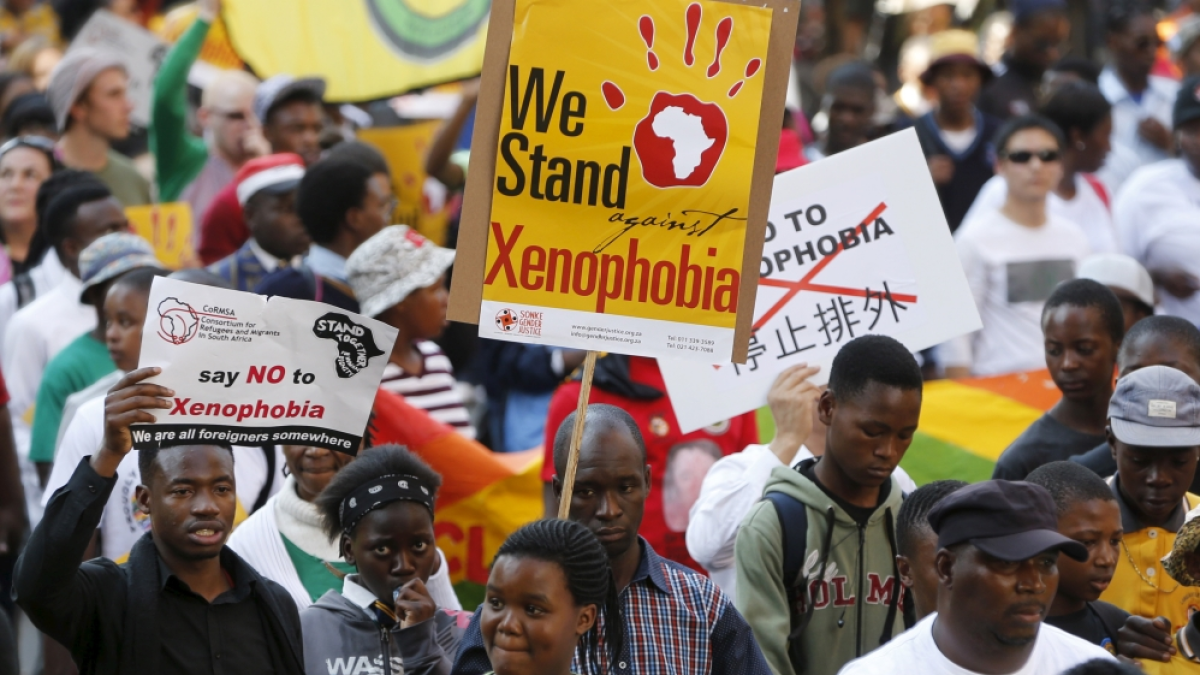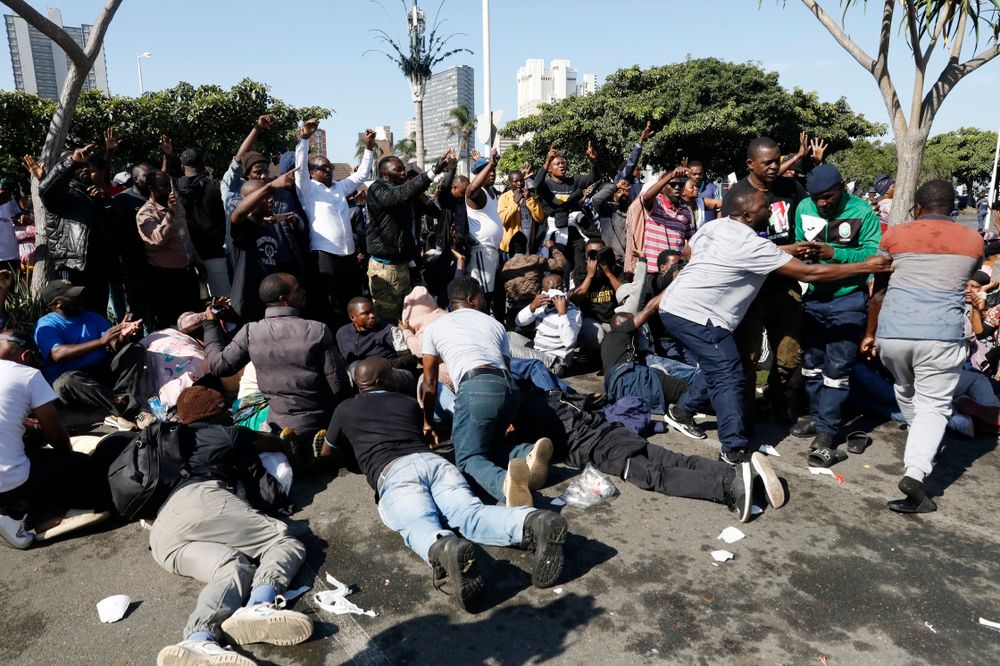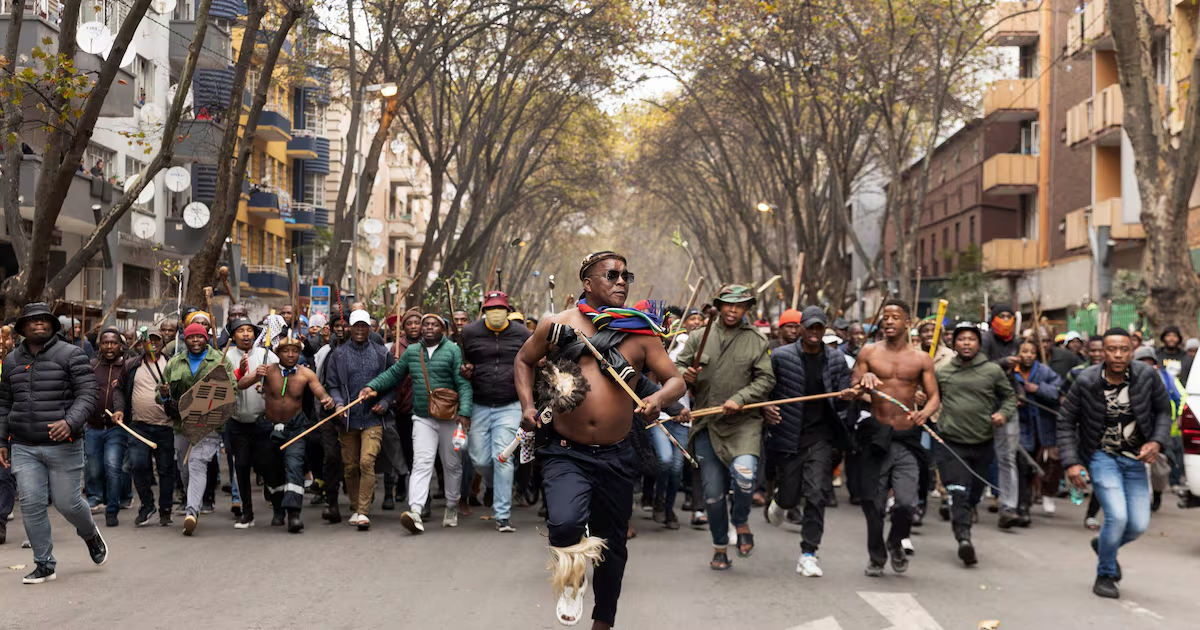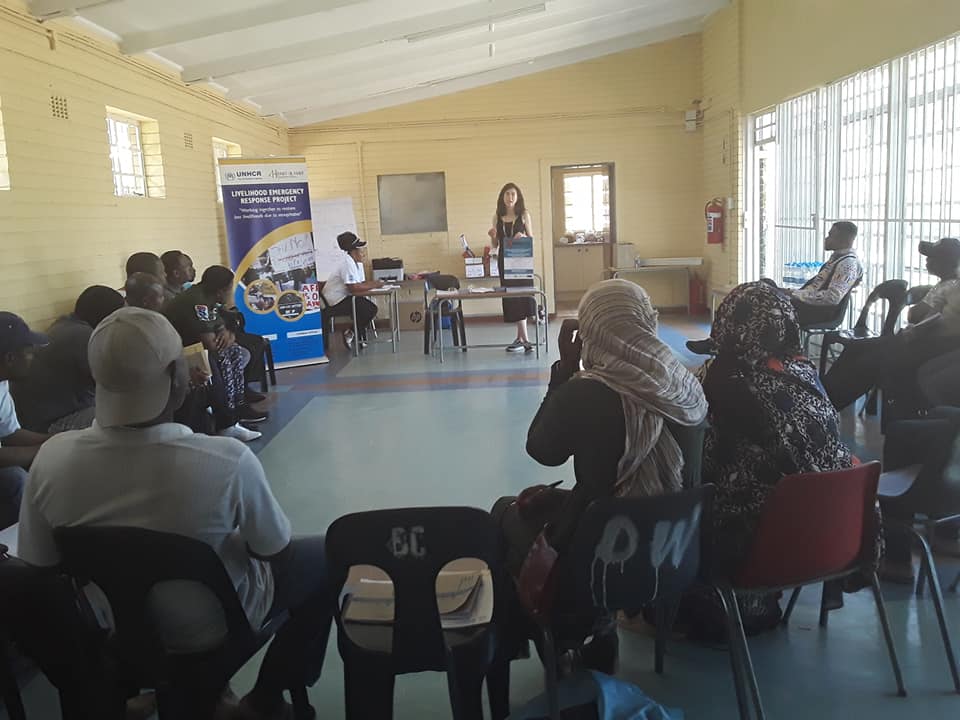
The first target: Xenowatch talking to victims of xenophobic violence. Between 1994 and November 2021, the platform identified 873 incidents of victimisation, which included 612 deaths, 1 184 physical assaults, 122 298 people displaced and 6 306 shops or properties looted or damaged. Photo: Xenowatch ACMS
In a report published in December 2021 by Xenowatch, a project at the African Centre for Migration & Society at the University of the Witwatersrand, xenophobic violence was defined as acts explicitly targeting foreign nationals or “outsiders” because they are perceived as strangers.
It is categorised as a hate crime with the primary motive of driving foreign populations out of communities. While it primarily targets non-nationals, South African citizens from other provinces have occasionally been targeted as well. Xenophobic violence has also been orchestrated by leaders to further their own interests.
Xenophobic violence has been recorded every year since South Africa’s transition to democracy in 1994. The violence peaked in 2008, with at least 150 recorded incidents. Gauteng, the Western Cape, KwaZulu-Natal and the Eastern Cape were the worst affected.
Between 1994 and November 2021, Xenowatch identified 873 incidents of victimisation, which included 612 deaths, 1 184 physical assaults, 122 298 people displaced and 6 306 shops or properties looted or damaged. These are only the recorded incidents.