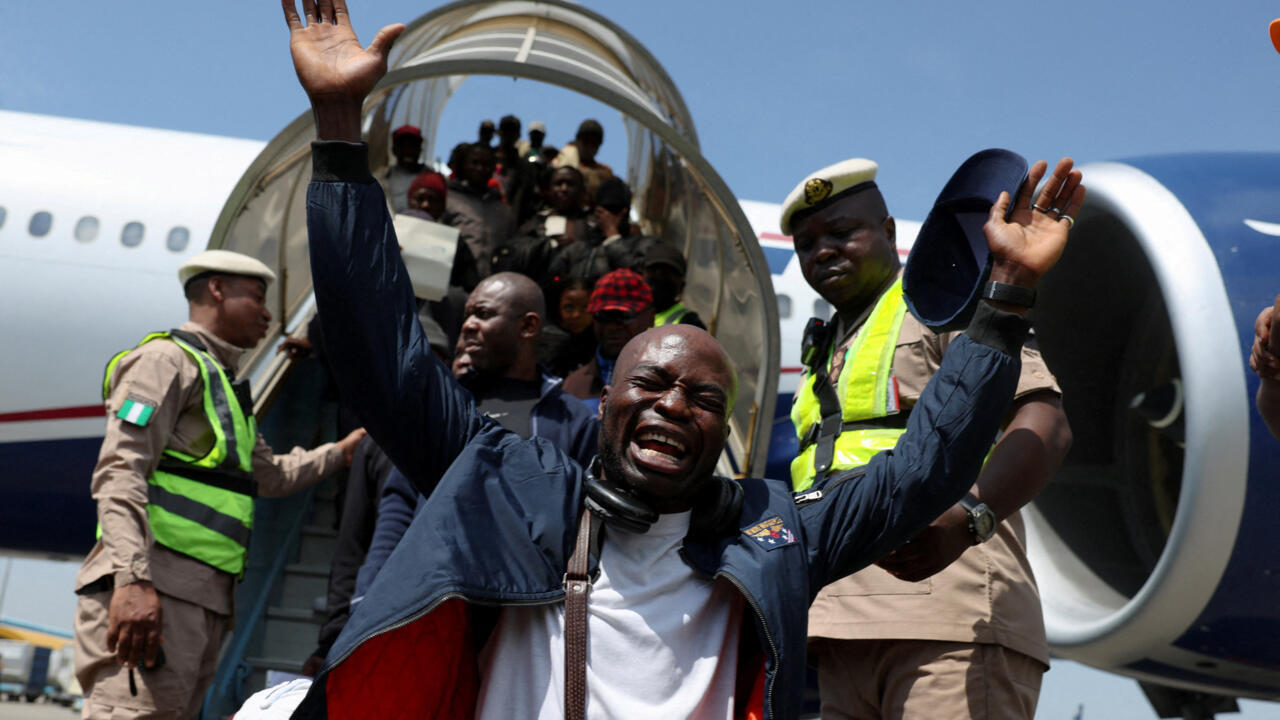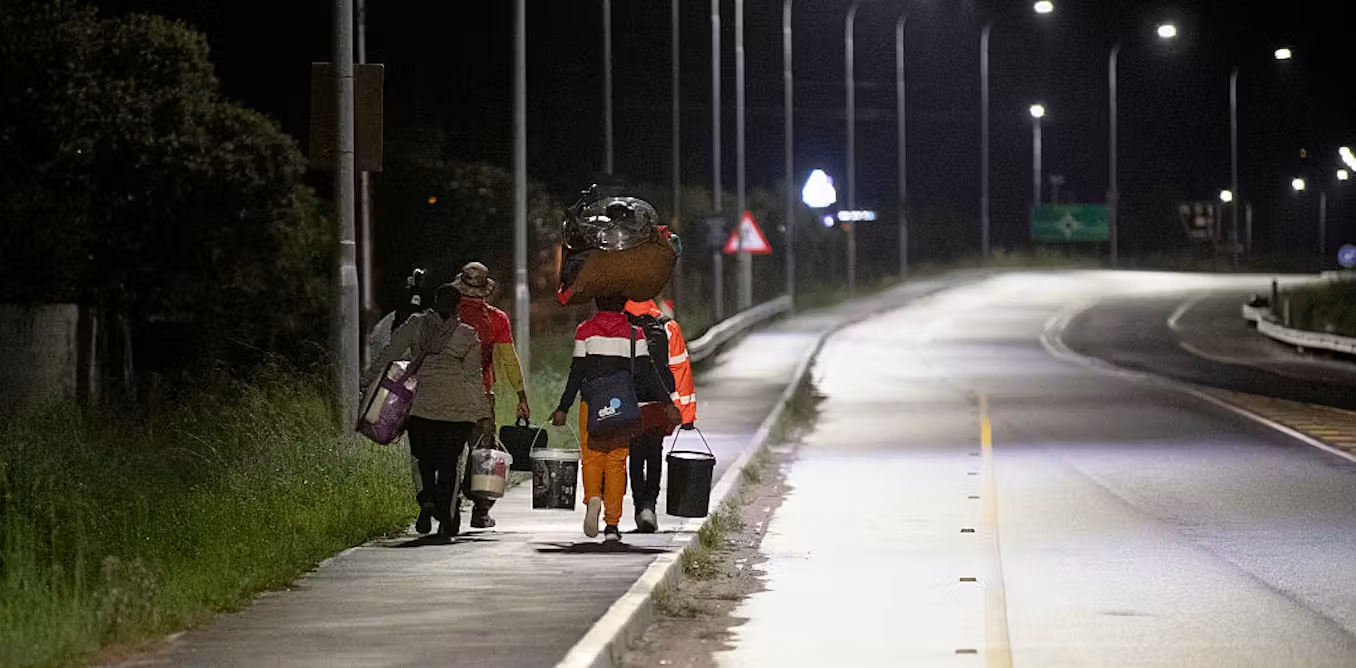
These attacks are unacceptable under any standard of human civilization, and they must be condemned in the strongest possible terms.
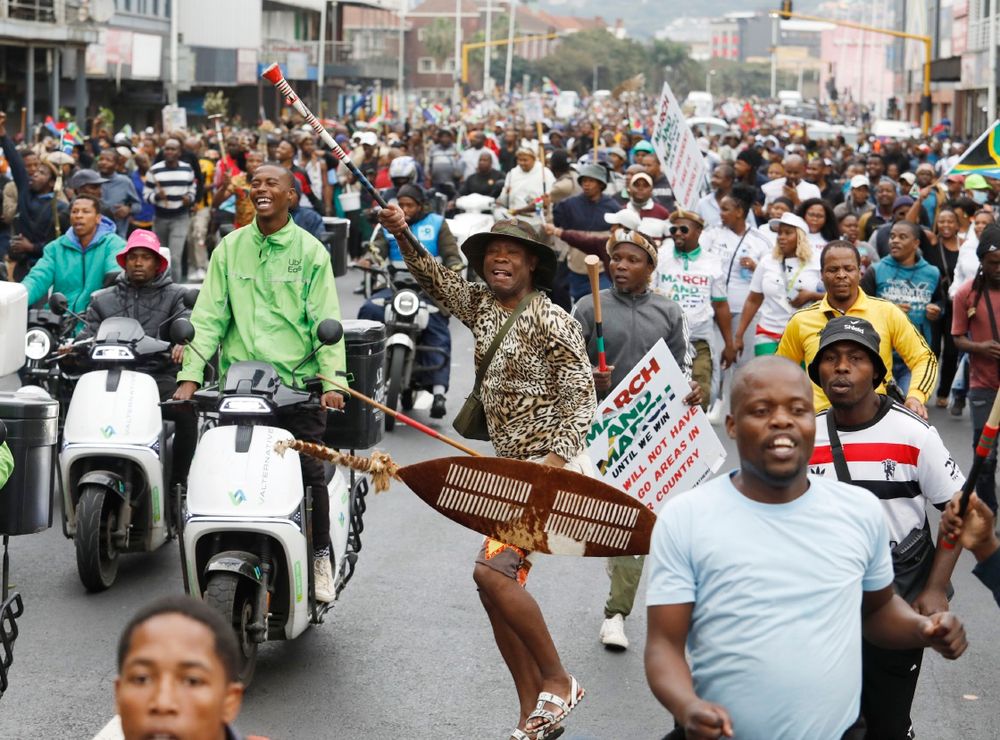
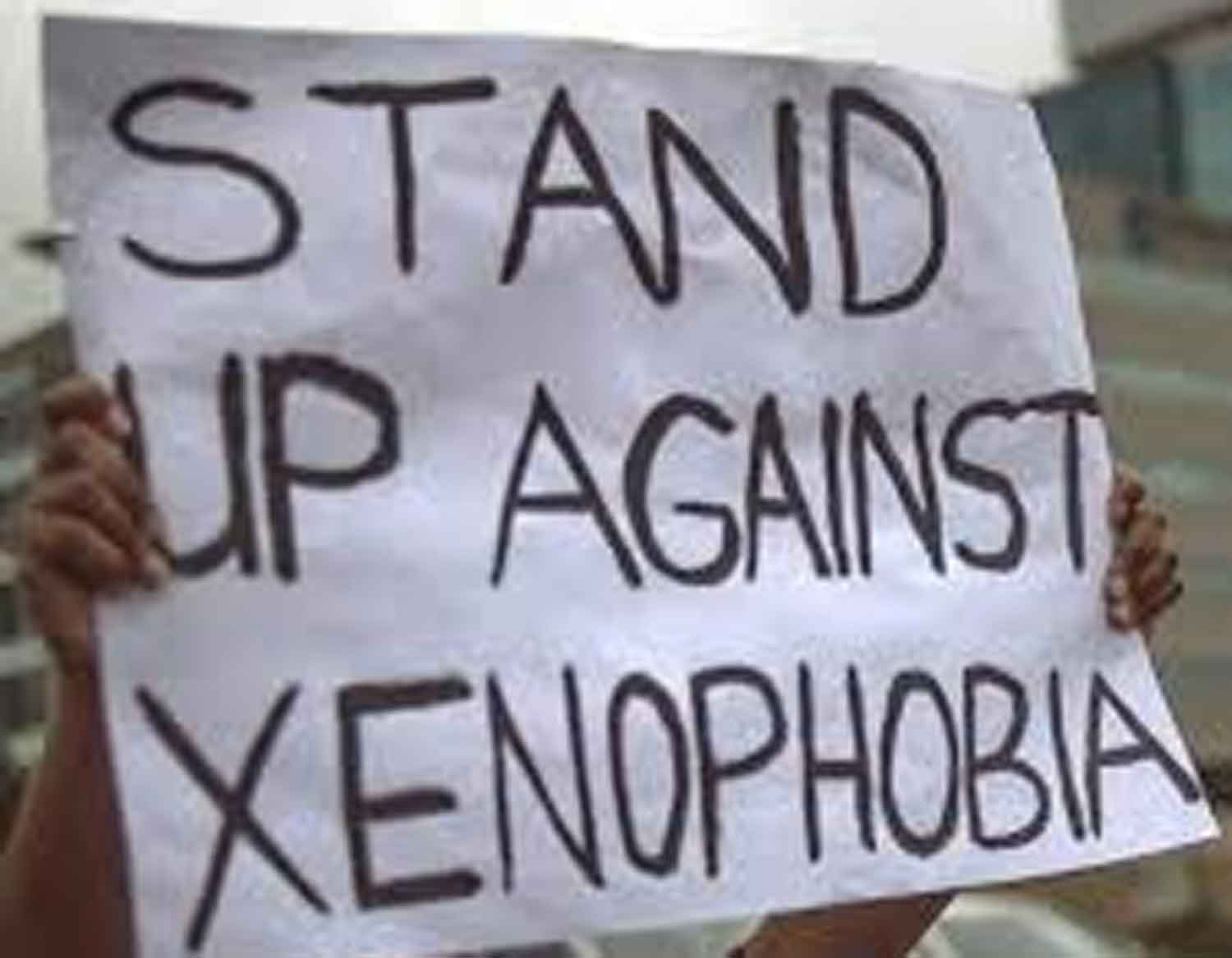
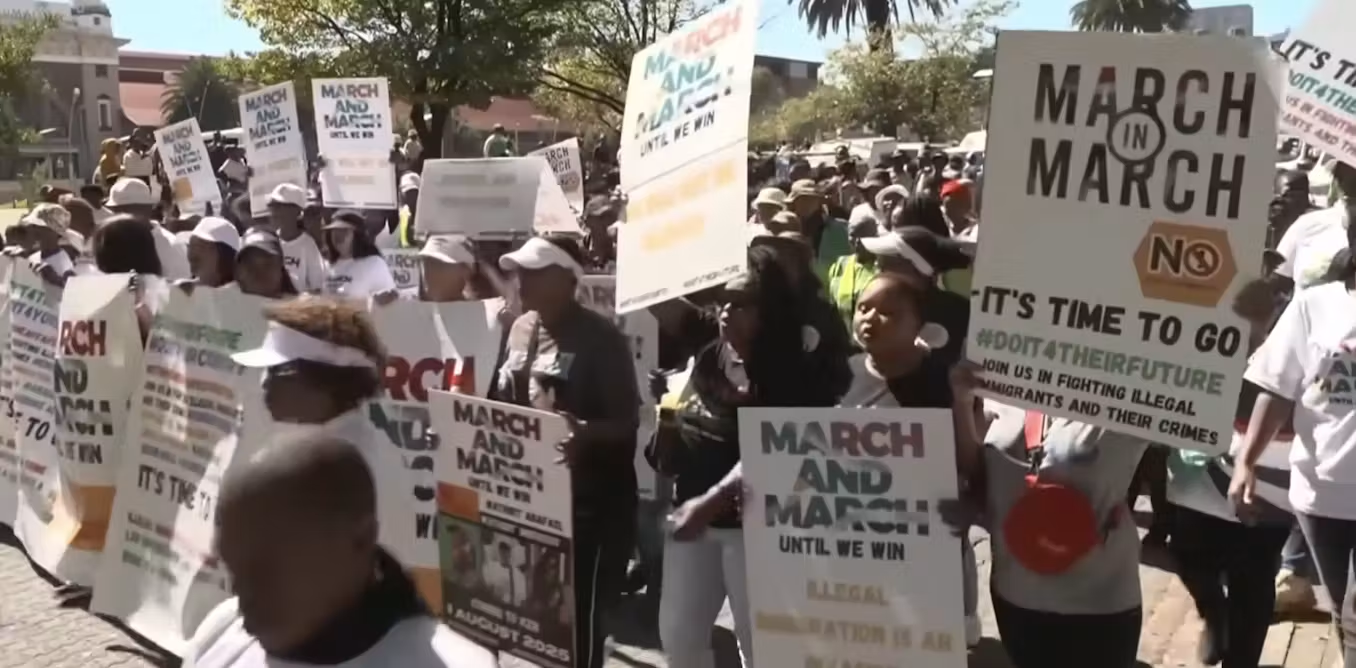
The recurring xenophobic attacks in South Africa are not merely isolated criminal acts; they are a profound moral, political, and legal crisis that strikes at the very foundation of African unity. From the streets of Johannesburg to the townships of Durban and Pretoria, African migrants—many from Nigeria, Zimbabwe, Mozambique, Somalia, Malawi, and the Democratic Republic of Congo—have repeatedly become targets of violence, looting, intimidation, and murder. These attacks are unacceptable under any standard of human civilization, and they must be condemned in the strongest possible terms.
For a country whose liberation was supported by the blood, sweat, diplomacy, and resources of fellow African nations, xenophobia against Africans is not only shameful; it is historically contradictory and politically dangerous.
South Africa Owes a Historical Debt to Africa
During the dark years of apartheid, African countries stood firmly with South Africa. Nigeria funded anti-apartheid movements and imposed sanctions against the apartheid regime. Zambia, Tanzania, Angola, Mozambique, and others sheltered South African freedom fighters. The Organization of African Unity mobilized continental solidarity against racial oppression.