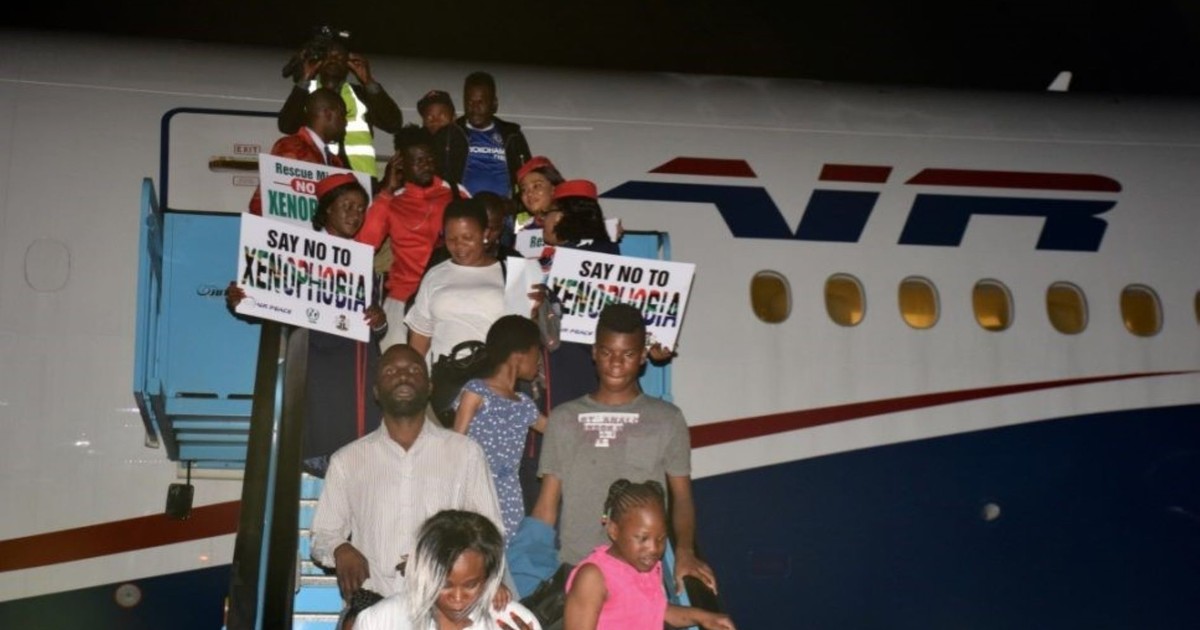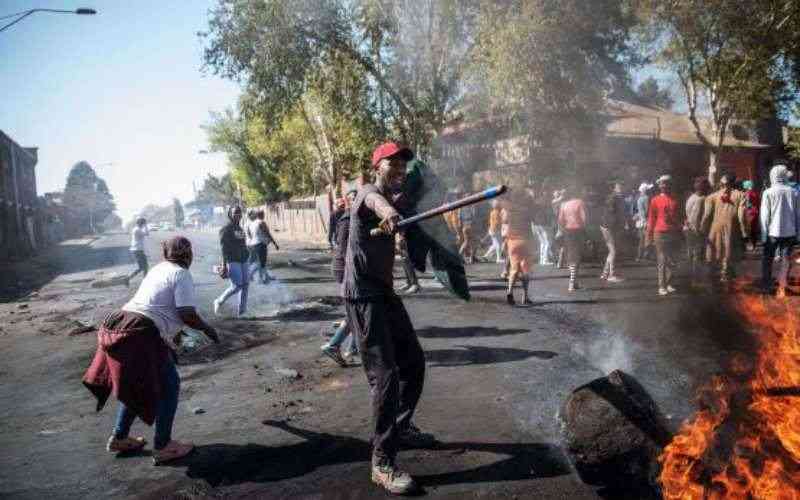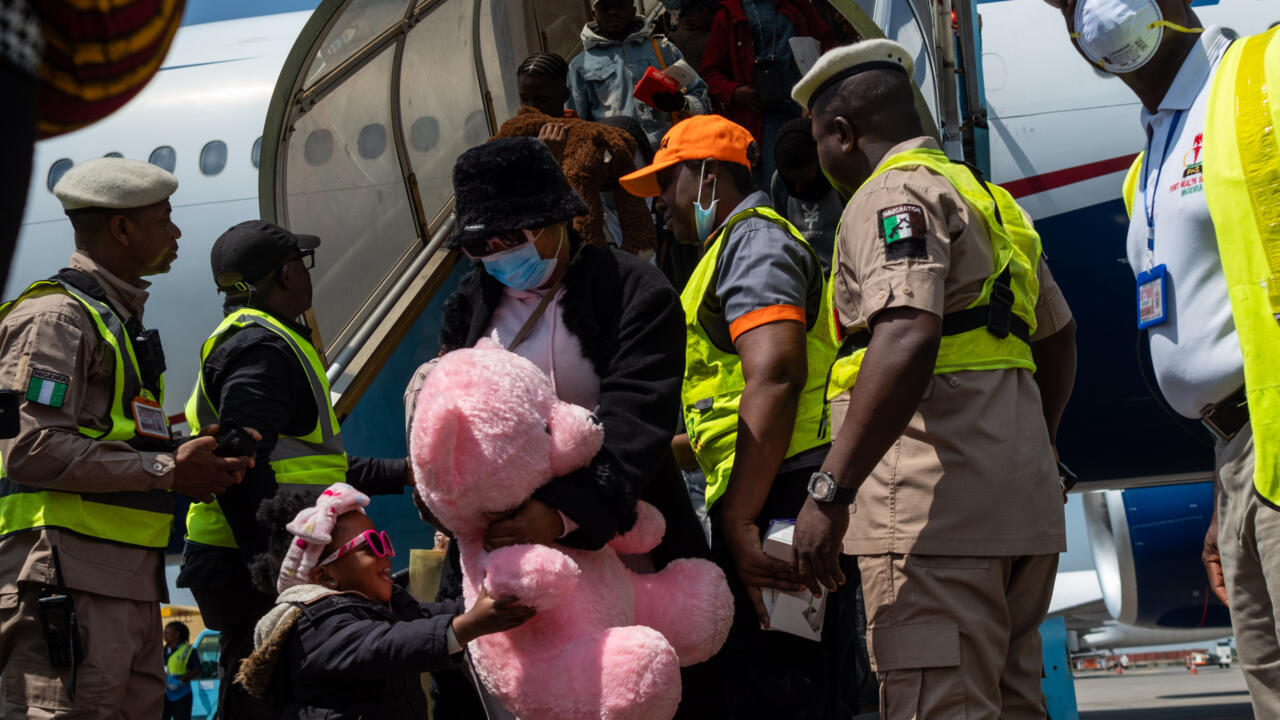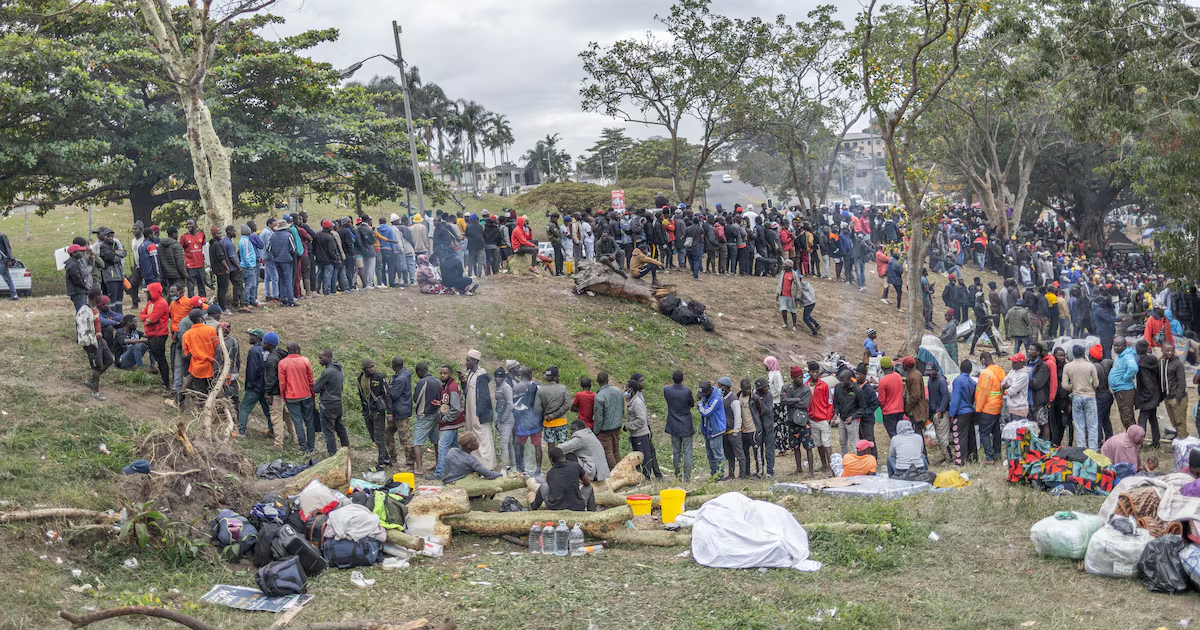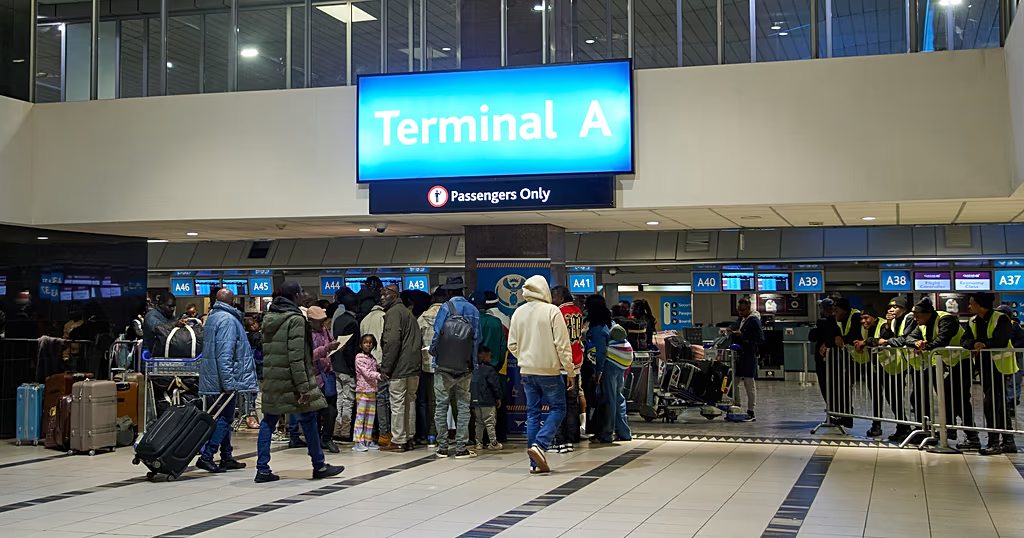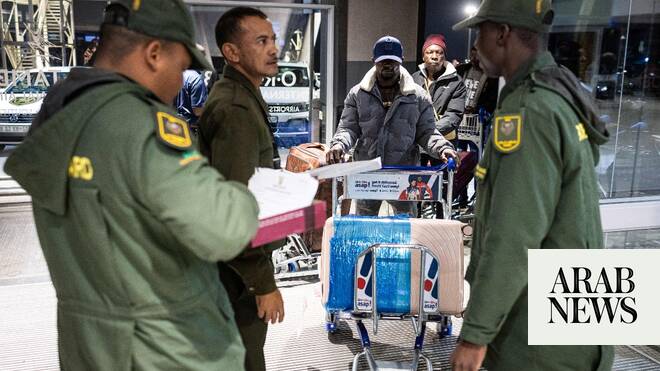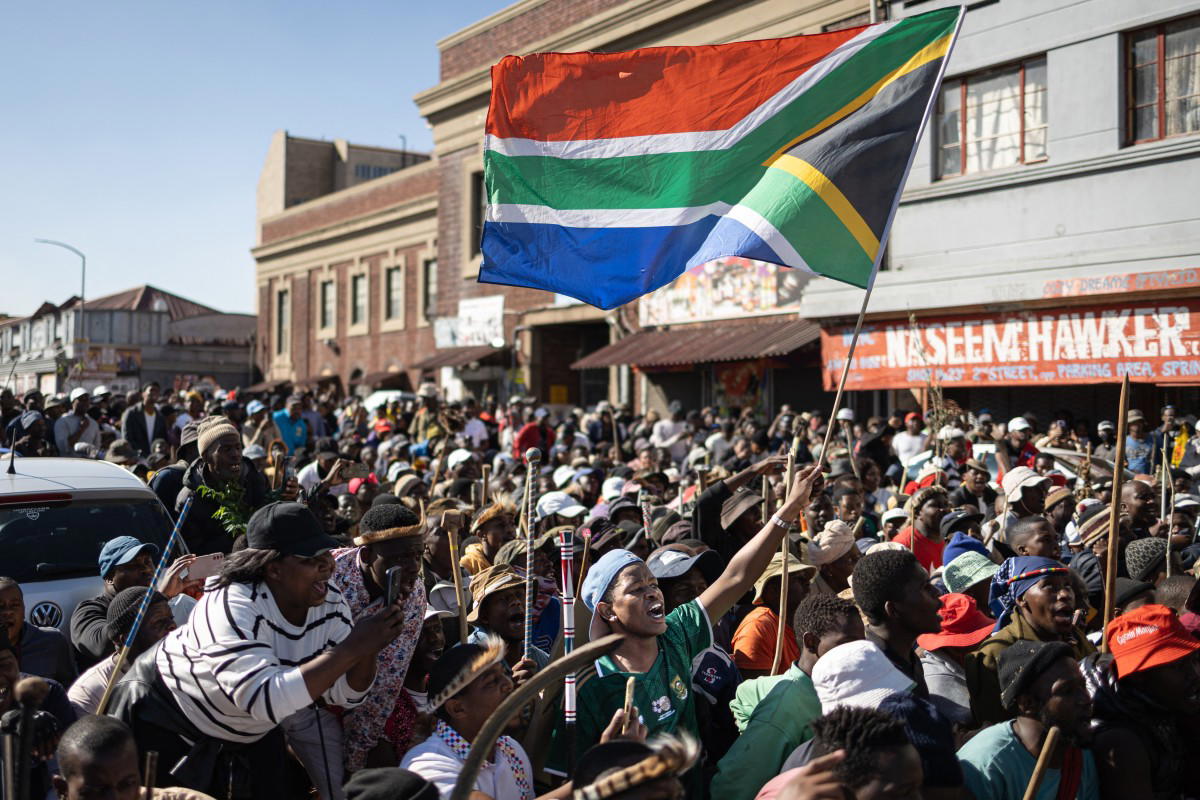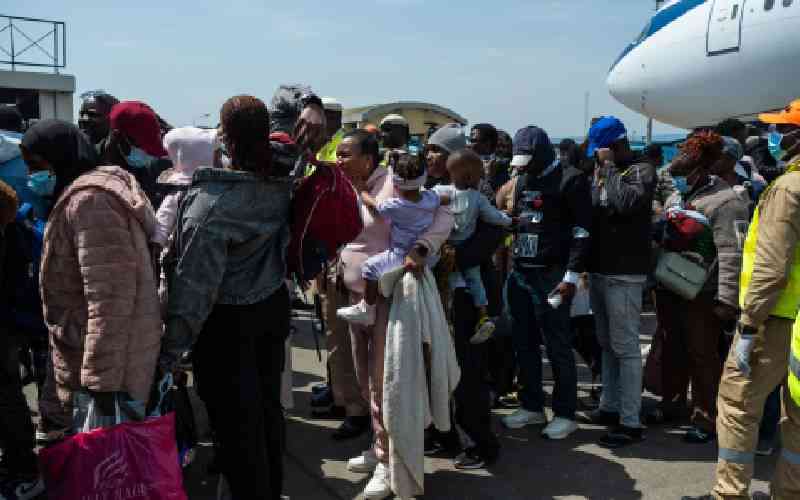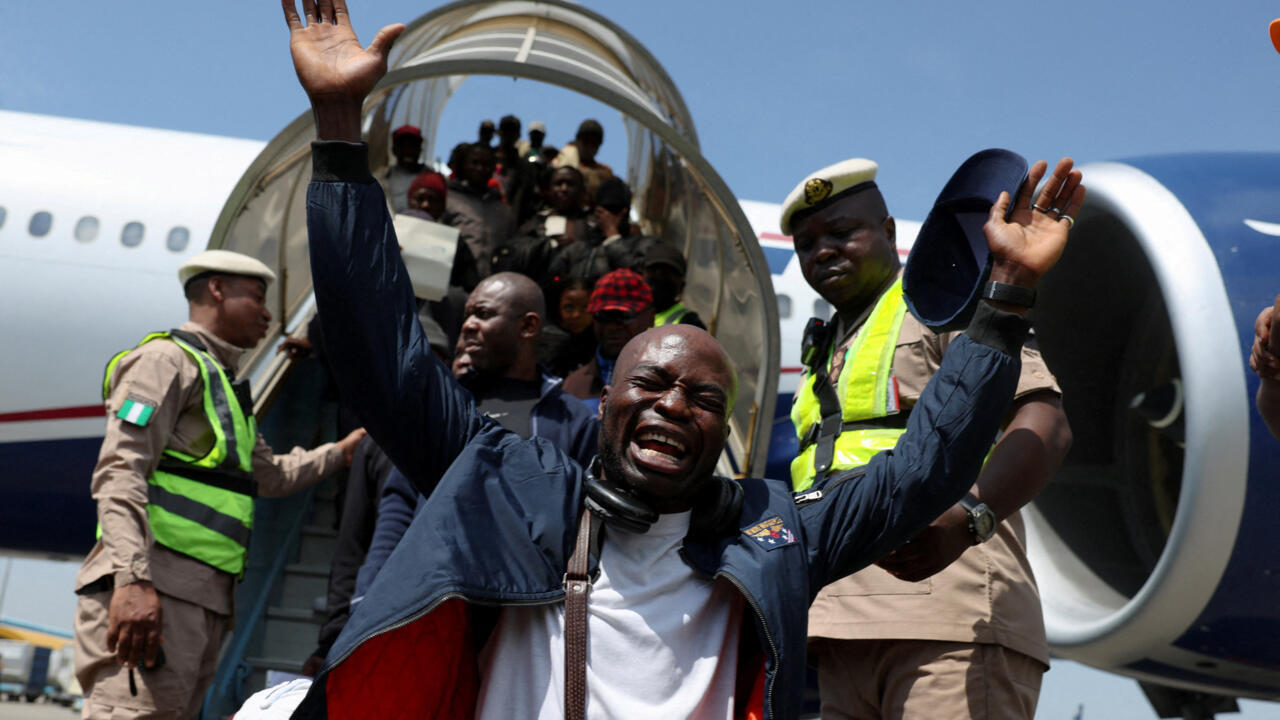
Several African countries are repatriating their citizens from South Africa following weeks of xenophobic attacks on black migrants. The vigilante violence has drawn international condemnation, with some accusing the South African authorities of failing to take a tough approach.
Nigeria is the latest African country to organise evacuation flights from South Africa, with a first group of 262 Nigerians repatriated on Thursday. The Nigerian government has chartered four other flights over the next two weeks. According to Nigeria’s Foreign Ministry, 1,092 Nigerians have so far registered to leave South Africa voluntarily. Zimbabwe, Ghana, Mozambique and Malawi have already repatriated hundreds of their citizens in recent weeks. Since April, a series of anti-immigration protests have led to attacks on foreign workers in the rainbow nation. As unemployment hovers above 30 percent, angry locals claim other Africans are taking their jobs. “Migrants are made scapegoats,” post-apartheid South Africa specialist Cécile Perrot told RFI. Amid endemic poverty and unemployment, they are blamed for worsening standards of living, she said, while social media amplifies hate speech and fuels the anger. South Africa, which has long been a destination for both legal and undocumented African workers, has faced recurring waves of xenophobic attacks since 2008, when dozens of migrants died and thousands were displaced. In the latest spate of violence, two Mozambicans were killed and hundreds of people injured. 'No consequences' “The government in South Africa is not taking drastic measures against the people responsible for xenophobic violence in the country,” said Smart Nwobi, president of the Nigerian Union South Africa association. “Ordinary citizens here go up to foreign nationals and ask to see their papers. Then, they take the law into their own hands. They are not the police! And they face no consequences for their actions,” declared Nwobi, a lawyer who acts as a liaison between the Nigerian embassy and Nigerian nationals in South Africa. He claimed some police officers were siding with anti-immigration groups. “Some police officers are marching with those groups. While they have a constitutional right to their opinion, to march, it cannot come at the cost of other people’s rights,” he told RFI.