Story audio is generated using AI
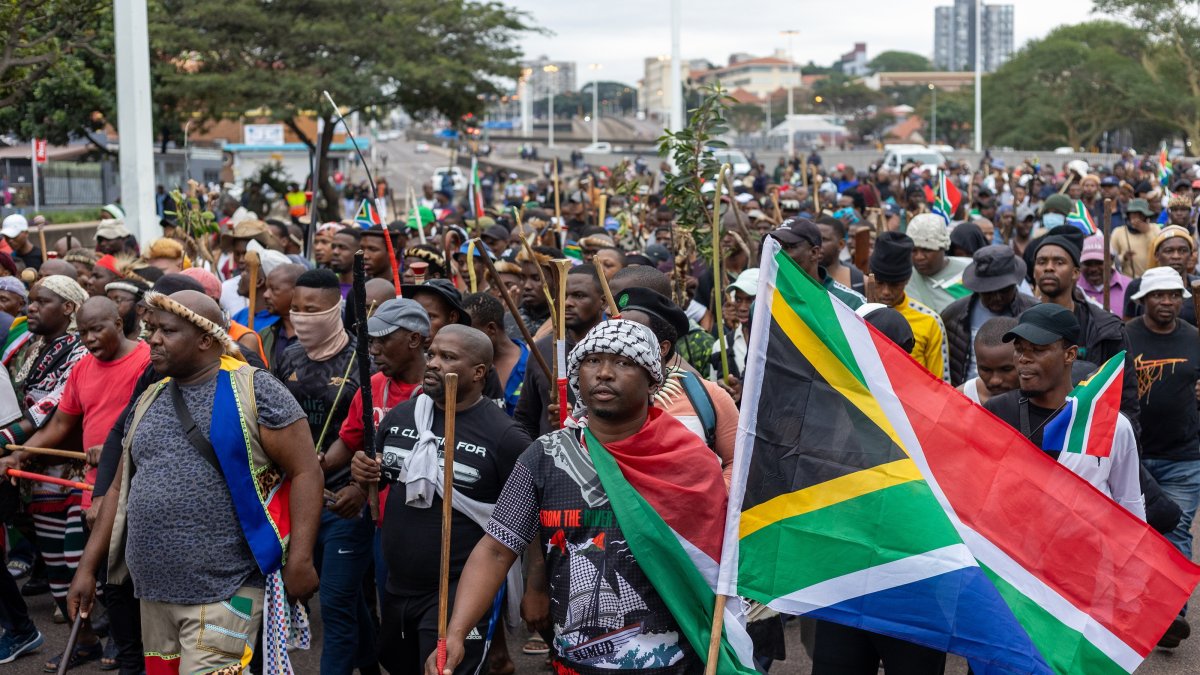
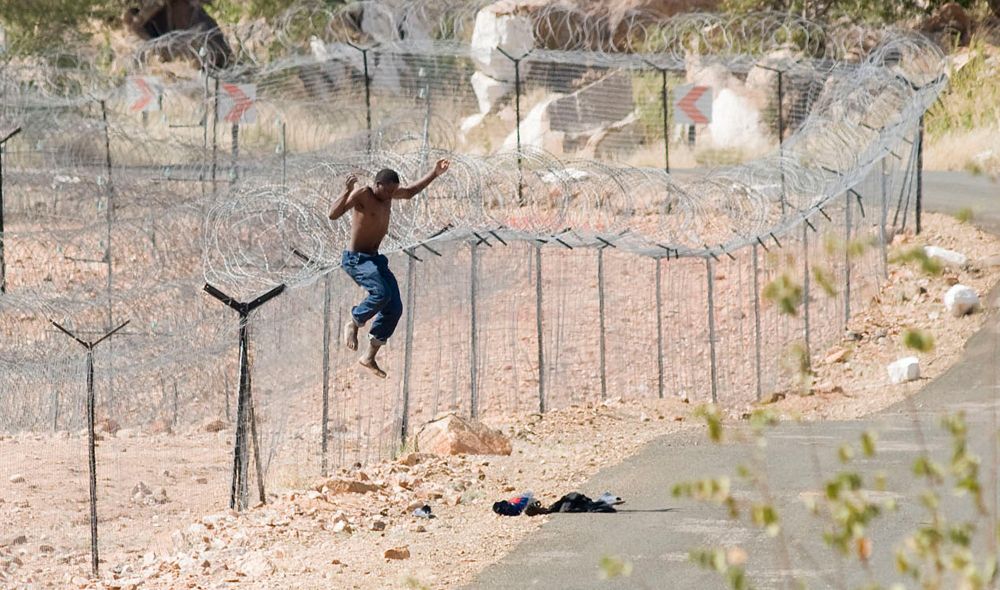
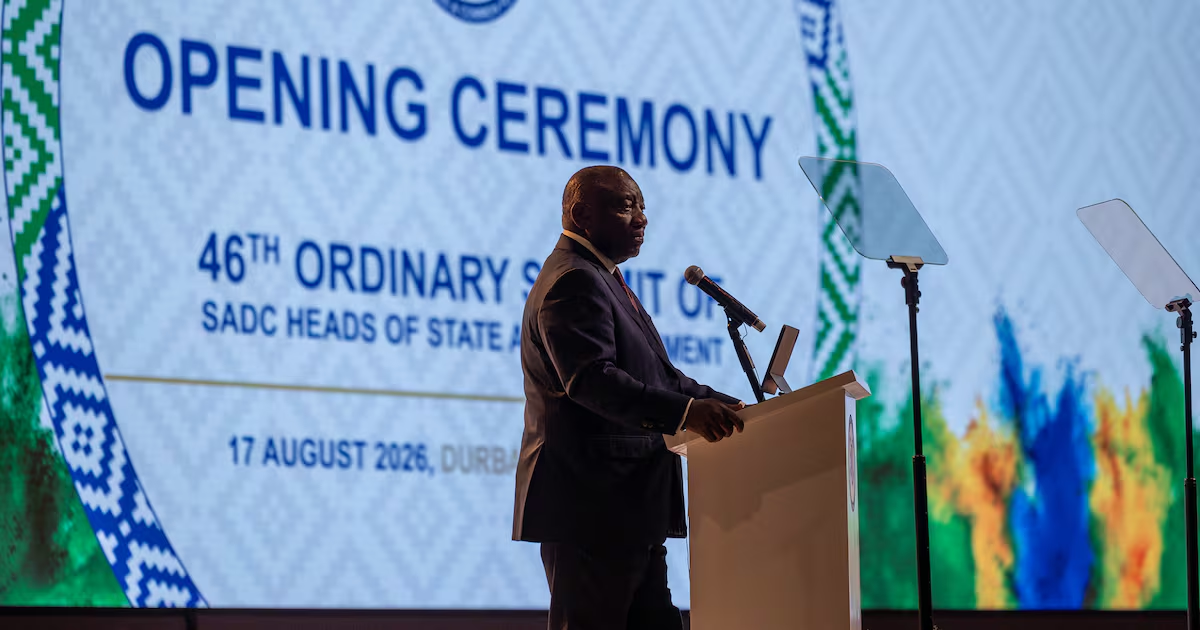
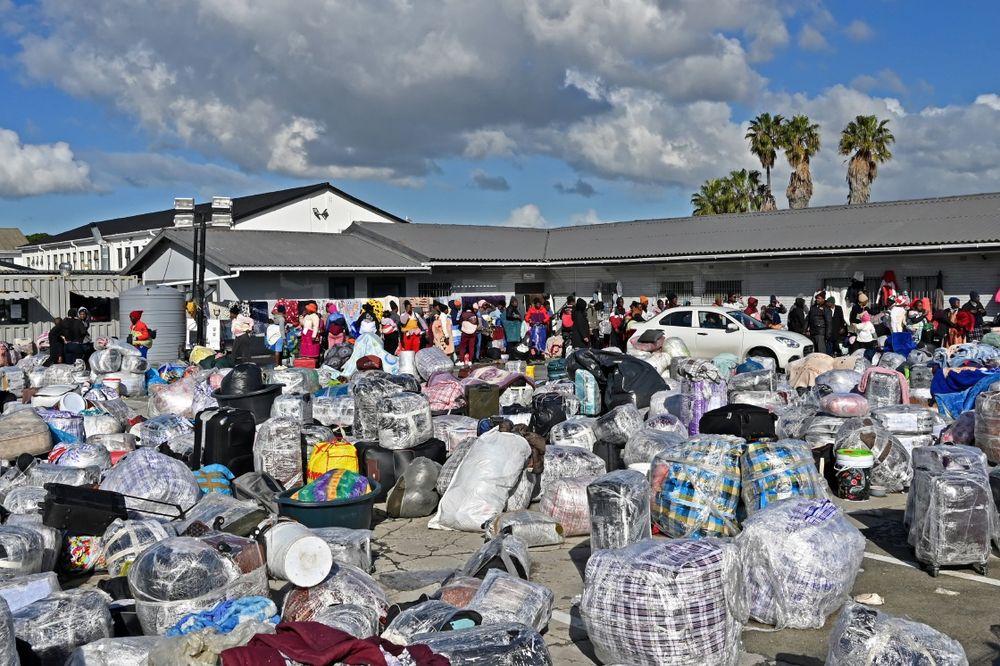
Public debate about the events of June 30 has, more than before, cast migration into South Africa as an entirely negative phenomenon. Lost in the process is that South Africa’s democratic era has been marked by deepening regional integration within Southern Africa, a development that has been an unequivocal success.Over 30 years, the Southern African Development Community (Sadc) has been transformed from a bloc that was once set up to reduce dependence on apartheid South Africa to a bloc in which South Africa plays a leading role regarding internal engagements and in global negotiations. Regarding the latter, the EU-Sadc economic partnership agreement signed in 2016 has augmented the region’s exports to Europe by 38%. The value of South Africa’s contribution is consistently at 65%-75% of the region’s trade. Furthermore, when the other countries trade, South Africa often benefits. Despite big developments at Walvis Bay, Maputo and Dar es Salaam, the port of Durban is still extensively used for the export and import of goods to and from the region. With the relative stability of its banking, legislation and logistics, South Africa is often cited as a gateway to the continent. This status has attracted many foreign investors that have selected South Africa as their headquarters to implement regional strategies. Then there is South Africa’s own presence in neighbouring countries. Since democracy, South African exports to Sadc have more than tripled in real terms. Sadc is by far the fastest-growing market for South African exports, challenging the EU as our primary destination. This is in a context where export-competitiveness has become fiercer and South African goods have lost market share elsewhere, especially to China. Since democracy, South African exports to Sadc have more than tripled in real terms. Sadc is by far the fastest-growing market for South African exports, challenging the EU as our primary destination. An estimated 1,100 South African companies operate elsewhere in the region. Crucially, these include state-owned enterprises Transnet and Eskom, the latter generating R18bn in revenue from electricity sales to neighbouring countries.One common, and fair, criticism has been that South Africa under the ANC has been too soft on liberation parties turned parasites on the state, especially Zanu (PF) in Zimbabwe. However, Sadc’s longstanding emphasis on political stability helps explain this approach.As well as harming people within the region, the accommodation of bad governments in it has certainly harmed South Africa. But there is no guarantee that an alternative strategy of countering incumbents, for example by supporting regime change, would not have resulted in even more harmful results, including civil wars. The example of Zimbabwe speaks to the road that still needs to be travelled in Southern Africa. Structural gains now need to be felt by people on the ground. However, South Africa increasingly shares its fate with the region. This applies to economic growth, climate and populations. South Africa, as a leader in the region, has a greater say than others in this fate. There are astoundingly symmetrical patterns of trade in South Africa and the rest of Sadc. South Africa’s economic production is almost exactly identical to the entire rest of Sadc.Not only is the region’s trade dominated by natural resources and subject to commodity cycles, it also relies on common infrastructure, institutions and companies. Thus, it is a fair bet that future movements will be in tandem with each other. Viewed from this perspective, immigration into South Africa may have as much to do with regional integration as anything else. In this context, one of the takeaways from the last month and a half is that Southern Africa’s regional integration has fallen short because citizens have not benefited enough from all the progress made. It is thus good news that the government’s response has been to intensify engagement within the region. The current crisis should be used to further improve South Africa’s regional co-operation and begin thinking of ways that more people may benefit from our advancement. The possibility that some of the downsides of Sadc integration can be remedied by adjusting immigration laws and tightening up borders is valid in the short run. However, a broader vision of South African foreign policy — to grow the region and drive collaboration between its people — must surely be considered a longer-term strategy. Southern Africa is a key partner to South Africa, and the exclusion of poor people from this partnership only stunts the region’s potential. Any perspective that negates this is not serious about South African interests. • Stewart is a political risk consultant at The Paternoster Group.