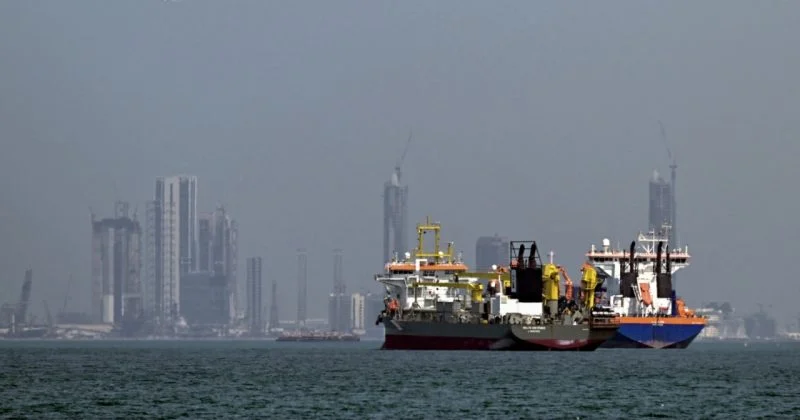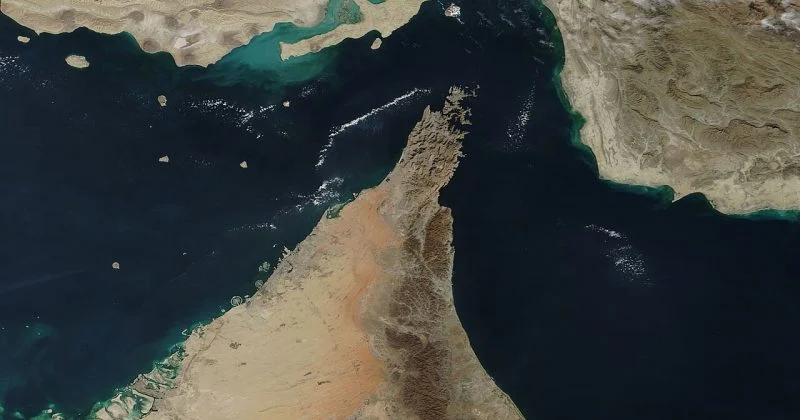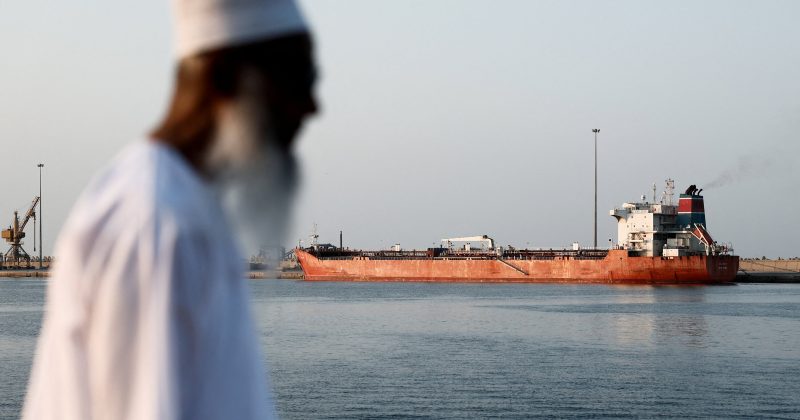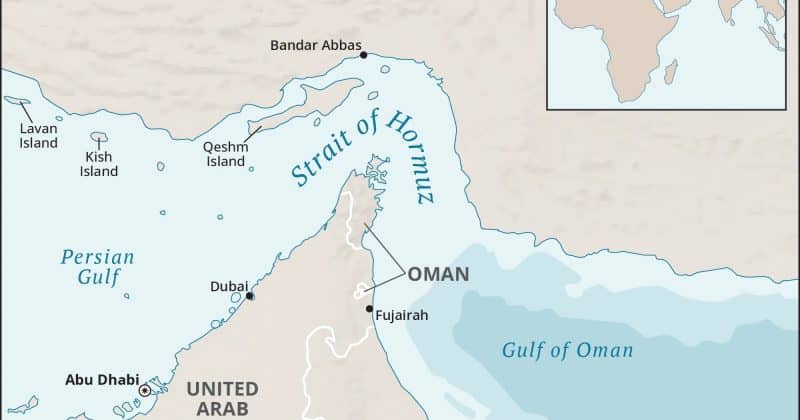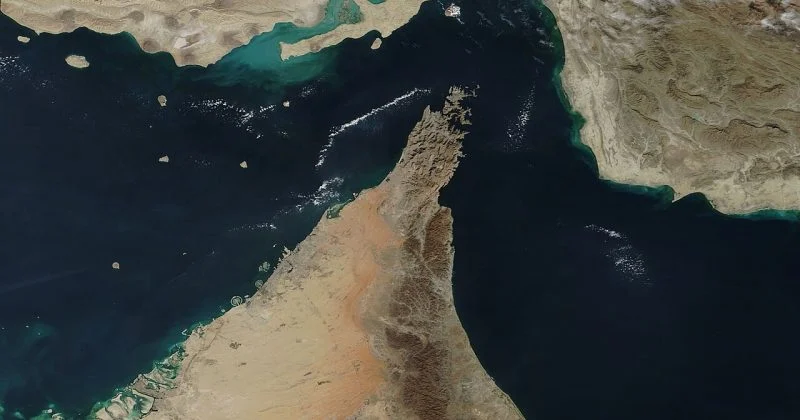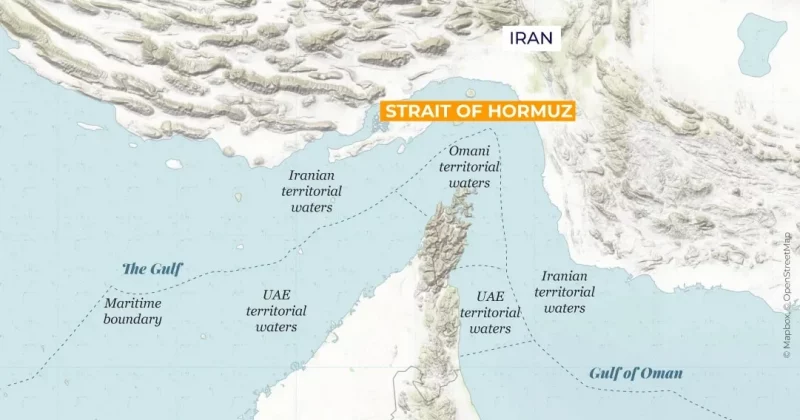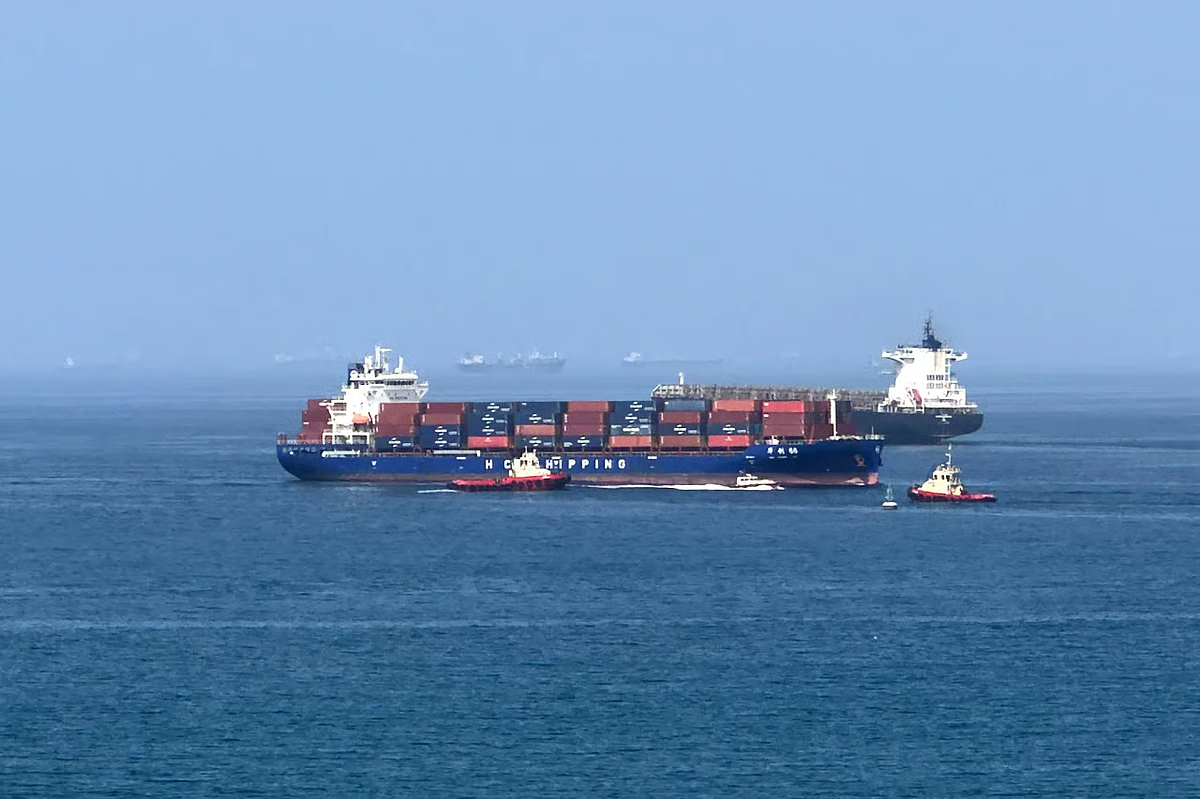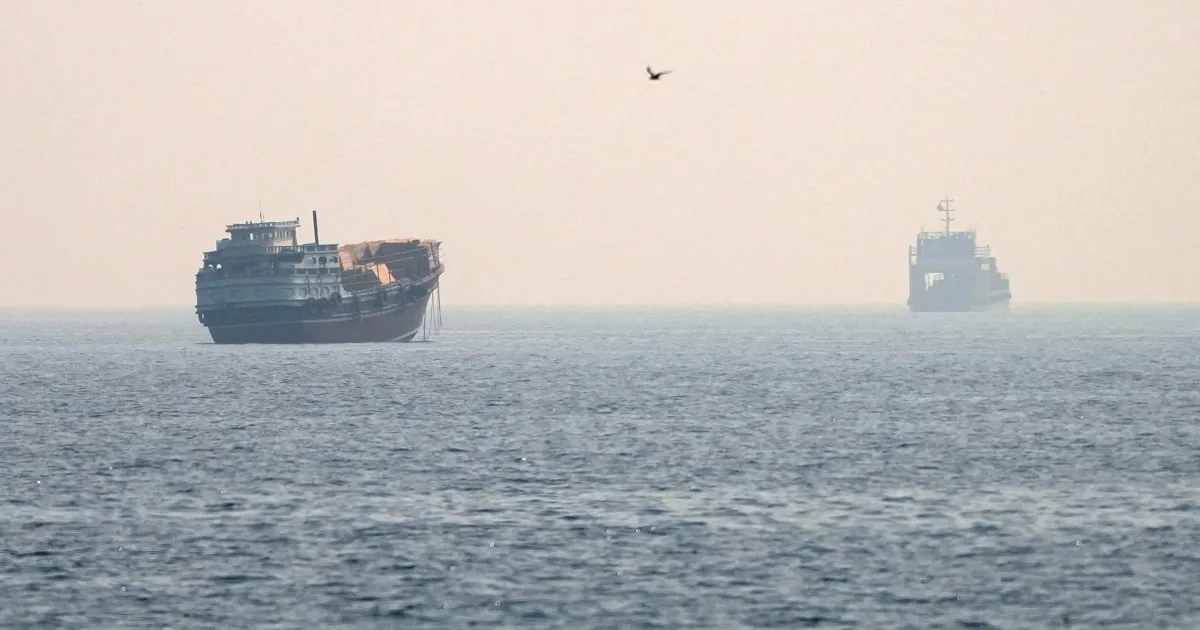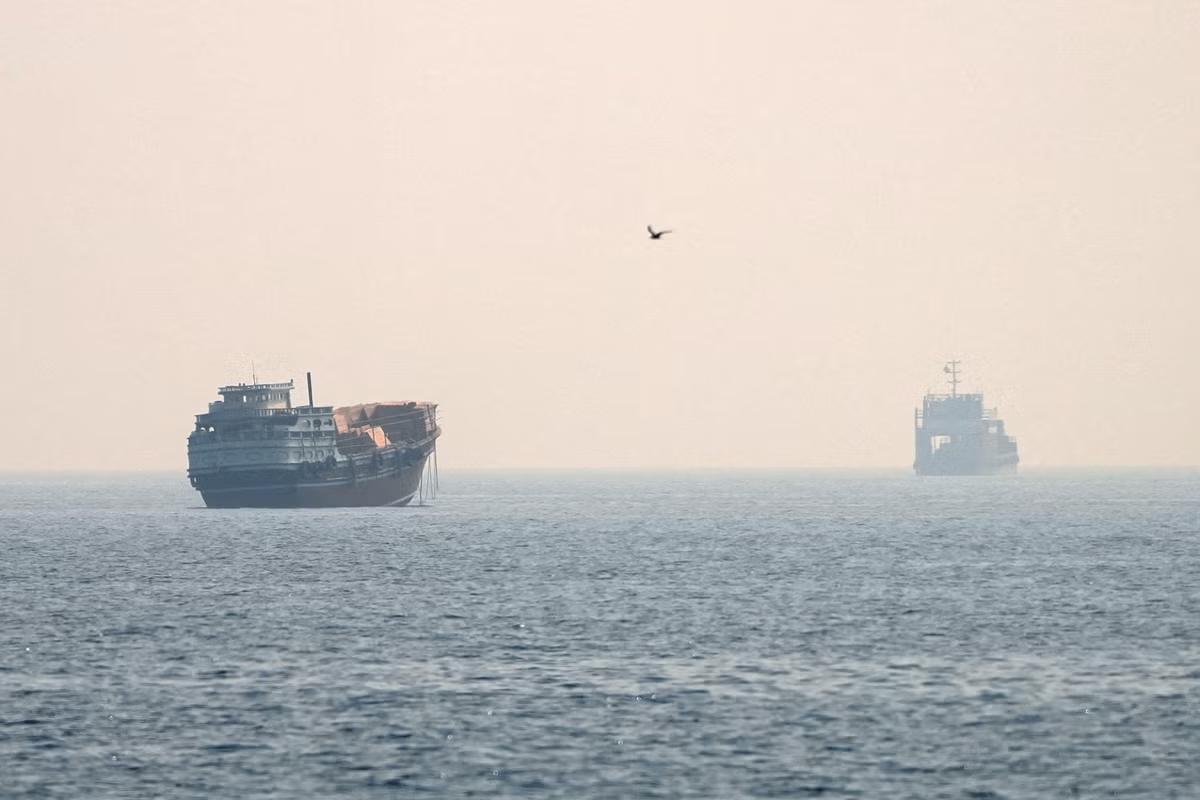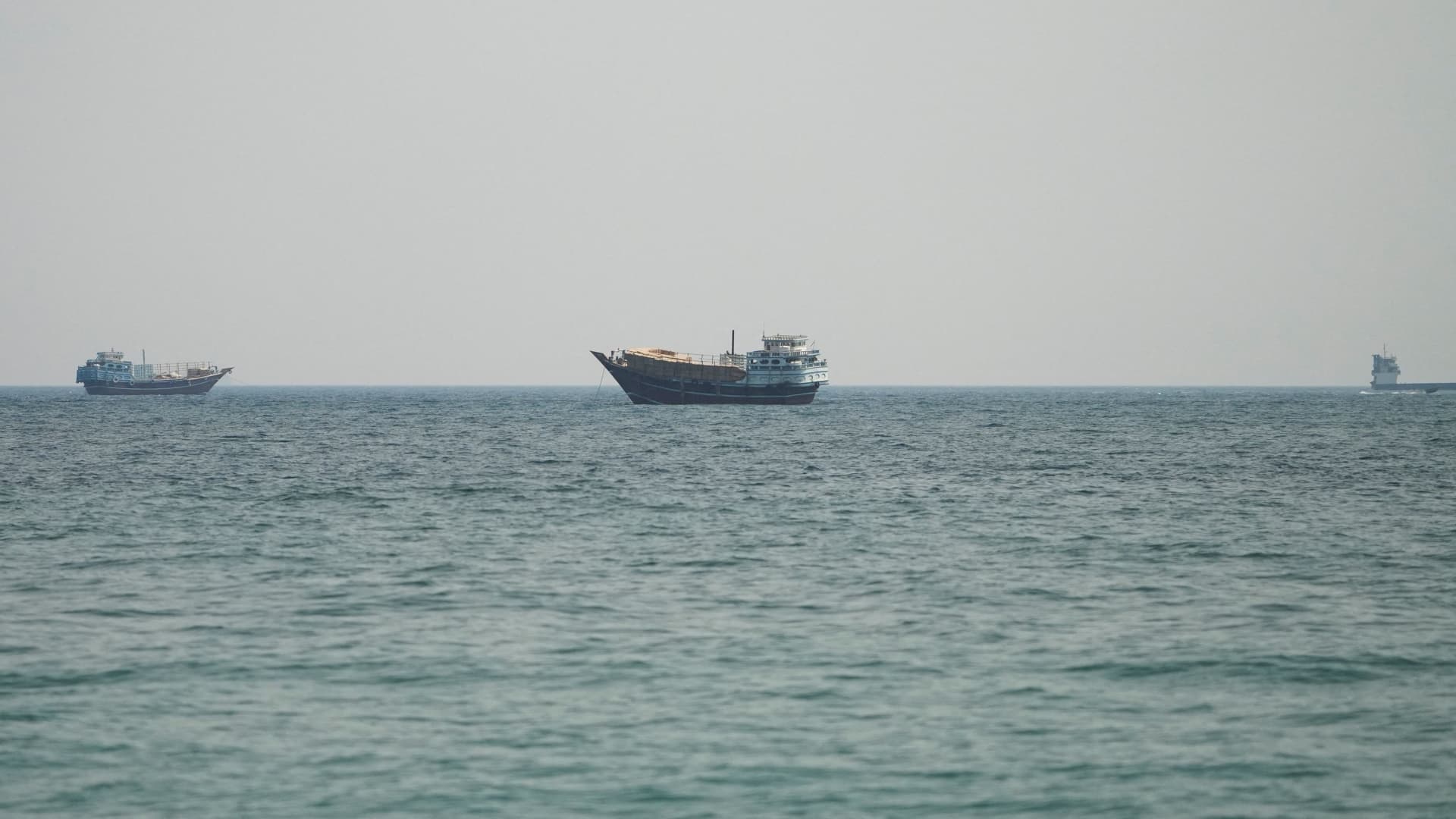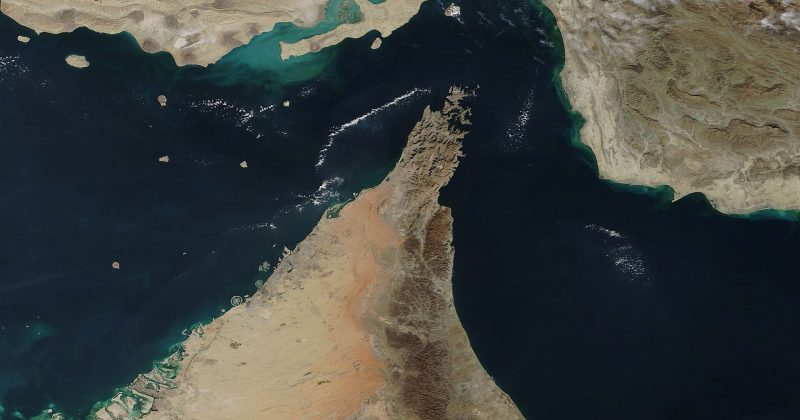
The Strait of Hormuz, a narrow waterway responsible for roughly 20% of the world’s oil and LNG shipments, has effectively become a no-go zone. Daily vessel traffic through the strait has collapsed from over 100 ships before the US-Iran conflict escalated to as few as 12-29 vessels on certain days in recent weeks. Major shipping lines including Maersk and Hapag-Lloyd have suspended transits entirely. And in one of the more unexpected twists, Iran has reportedly begun exploring Bitcoin as a settlement mechanism for maritime insurance and transit fees through a platform called “Hormuz Safe.”
How the strait went from busy to barely functional
The current crisis traces back to US and Israeli military operations launched in late February 2026. Iran responded with threats to disrupt shipping, mine-laying operations in the strait, and outright declarations of closure. Iran formally declared the strait closed on February 28, and again on June 20 and June 22.
By April, approximately 2,000 ships were stranded in the Persian Gulf, with around 20,000 mariners stuck aboard with no clear timeline for passage. A brief window of reduced hostilities allowed some traffic to resume, with vessel counts climbing back to around 74 earlier in one week of July. But renewed military actions, including US strikes on Iranian targets and Iranian assaults on commercial vessels, drove those numbers right back down to the 12-29 range.