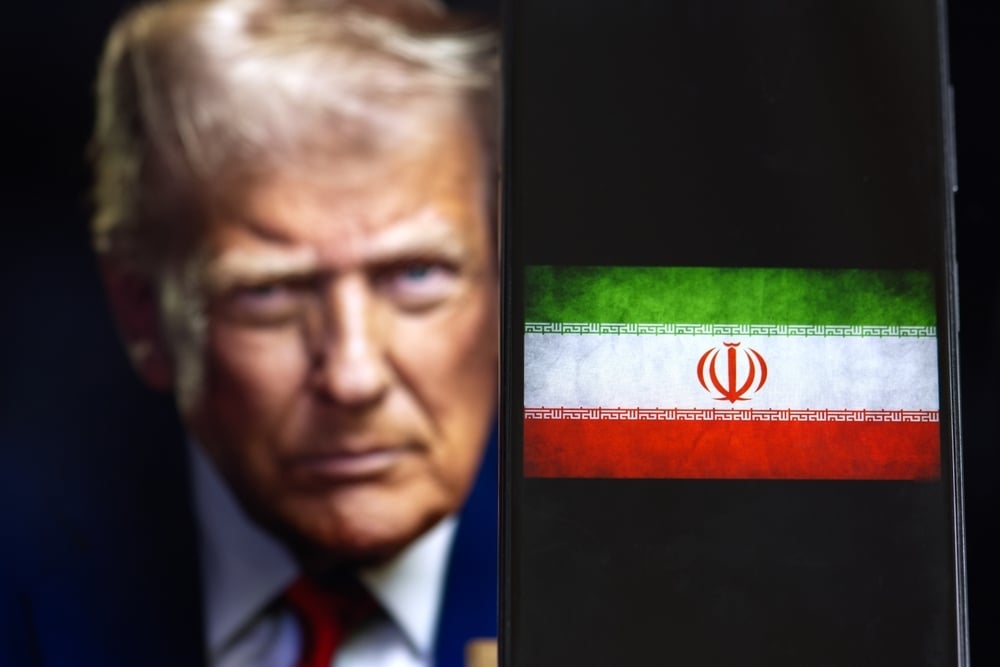
The memorandum of understanding between the US and Iran, designed to end hostilities and reopen one of the world’s most critical oil chokepoints, is already showing cracks. The culprit isn’t a geopolitical disagreement or a last-minute betrayal. It’s a badly written paragraph.
The paragraph that could sink the deal
The MOU is a 14-point framework intended to wind down the conflict between Washington and Tehran over a 60-day negotiating window. On paper, it covers the big items: reopening the Strait of Hormuz, dismantling the US naval blockade within 30 days, and eliminating American sanctions on a negotiated timeline. The endgame requires a binding UN Security Council resolution to ratify a final deal.
The first paragraph of the ceasefire agreement is so ambiguously worded that it leaves fundamental questions unanswered. How permanent is the cessation of hostilities? What exactly are Iran’s rights in Lebanon and surrounding areas? The language is open to interpretation, which in diplomacy is another way of saying it’s open to exploitation.
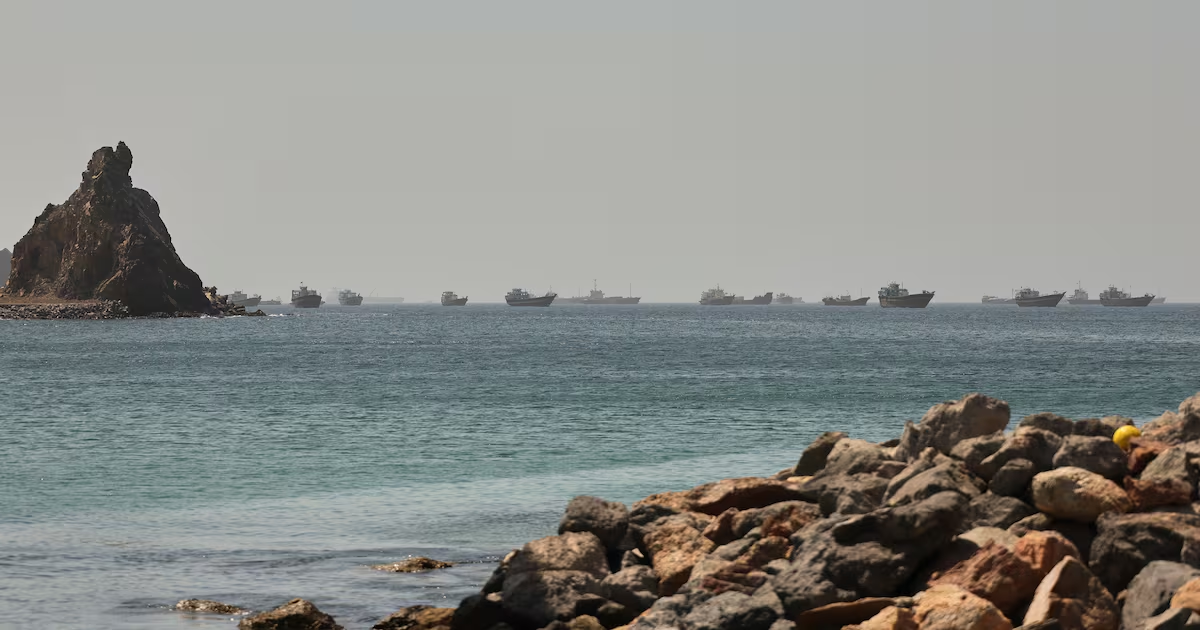
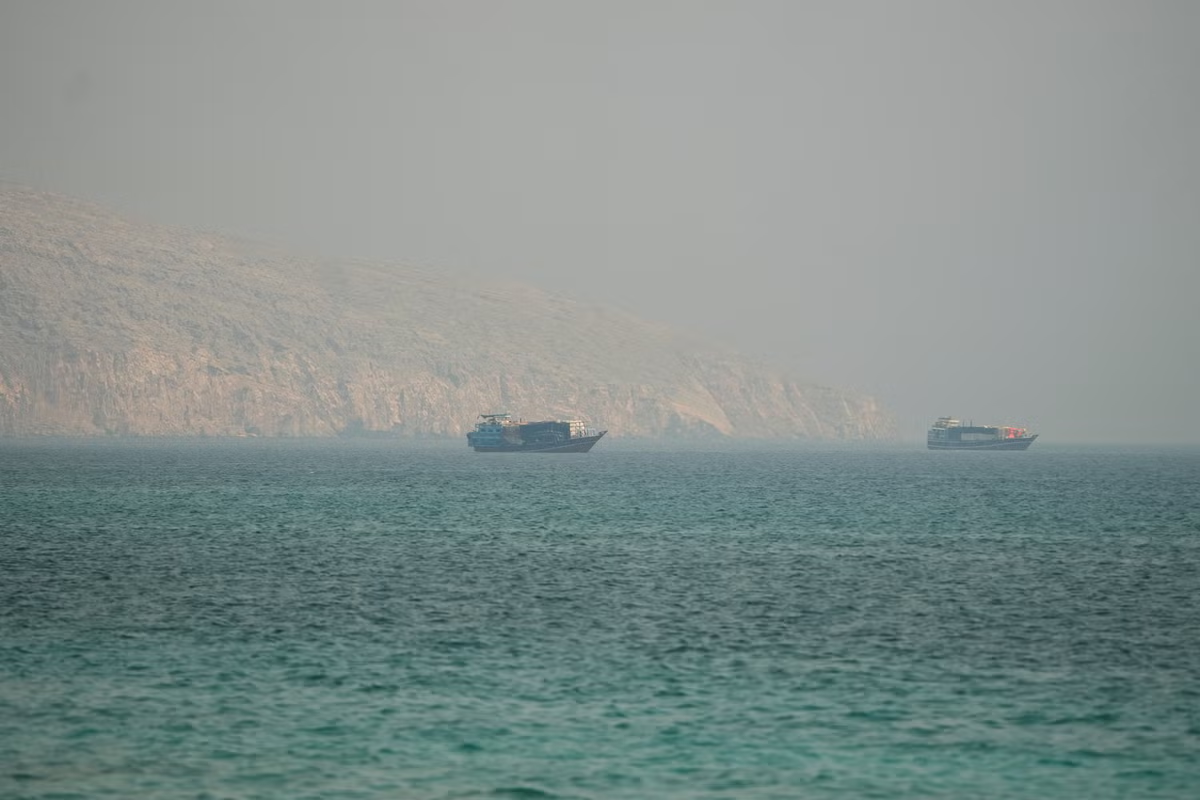
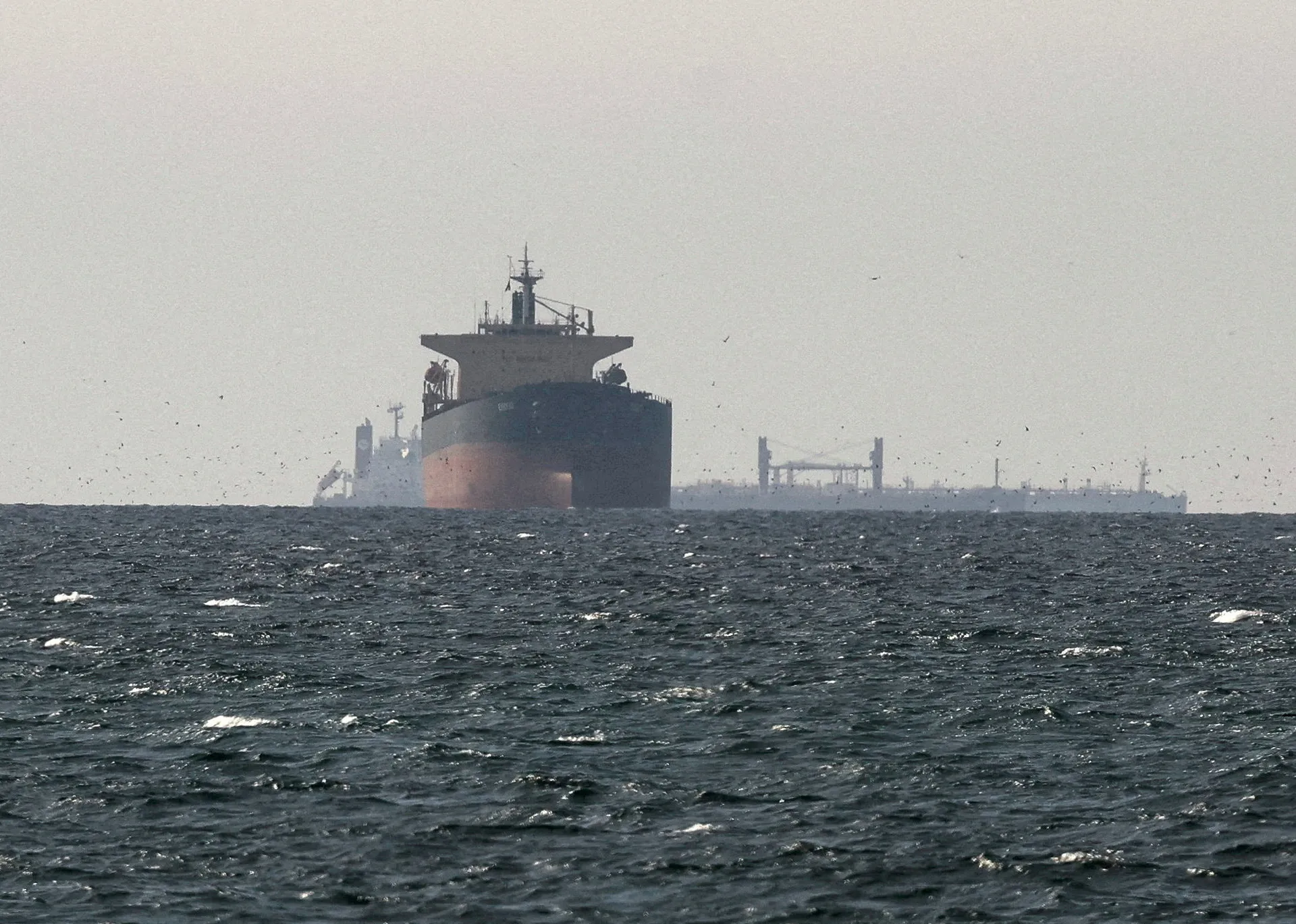
The Strait of Hormuz provisions illustrate the problem nicely. Iran agreed to reopen the strait toll-free for 60 days. After that window closes, Tehran reserves the right to impose fees on vessels transiting the waterway. In English: Iran gets to keep its thumb on the valve of roughly 20% of the world’s oil supply while the US simultaneously loosens its economic leverage by rolling back sanctions.