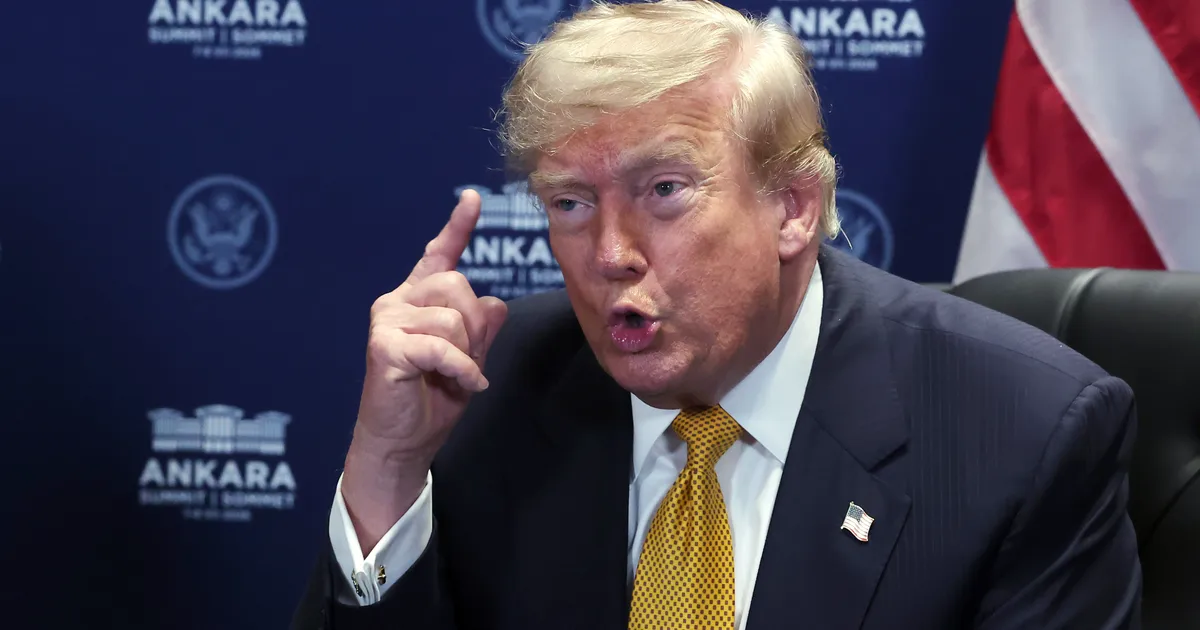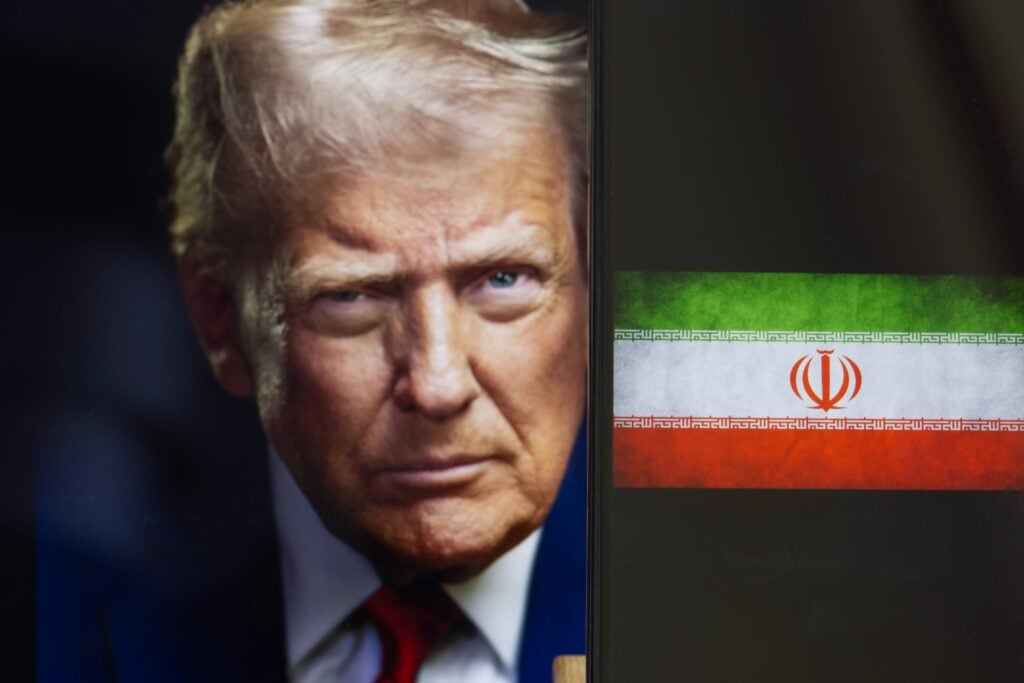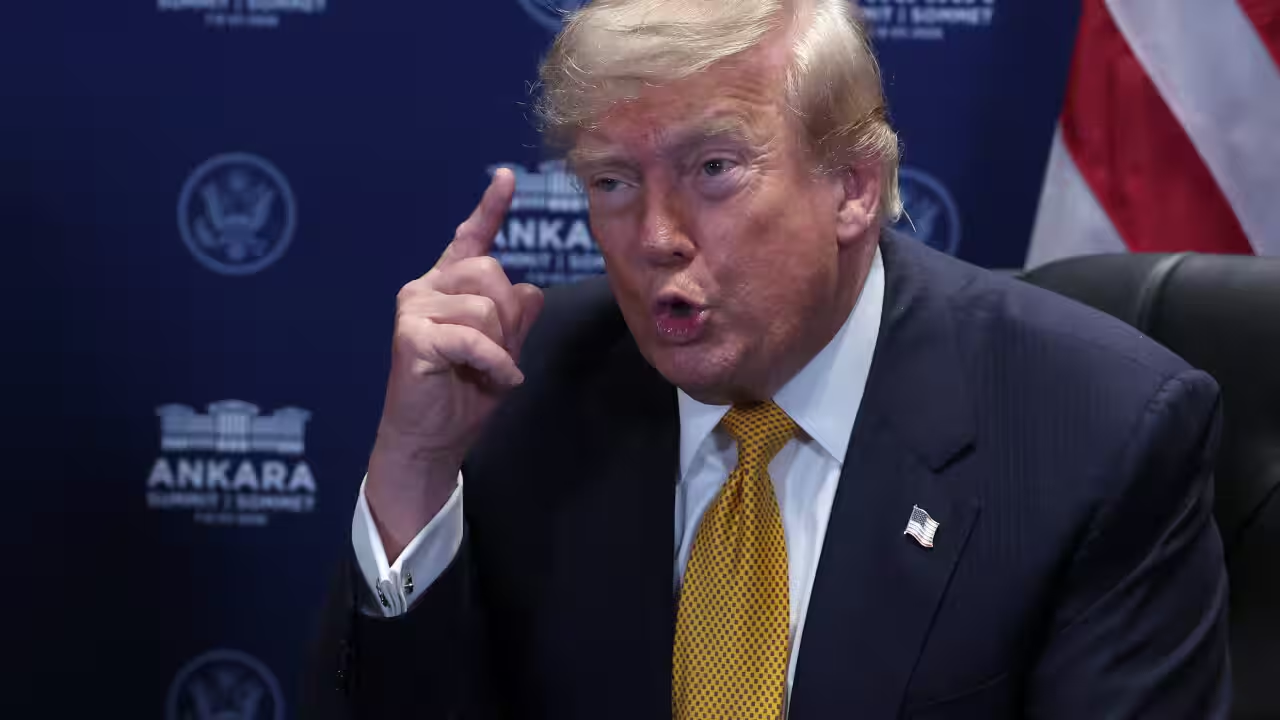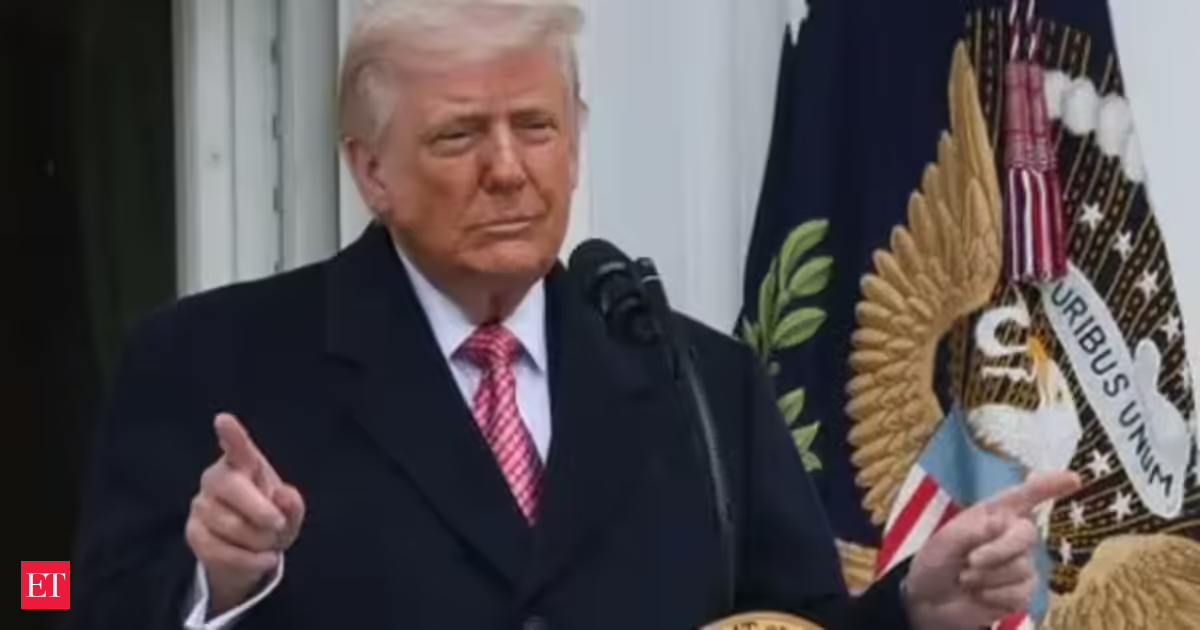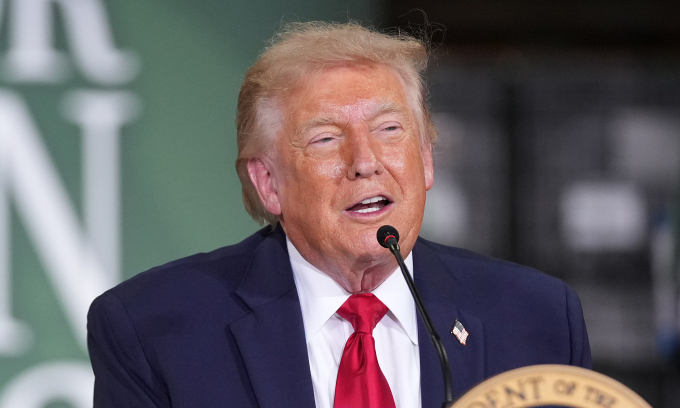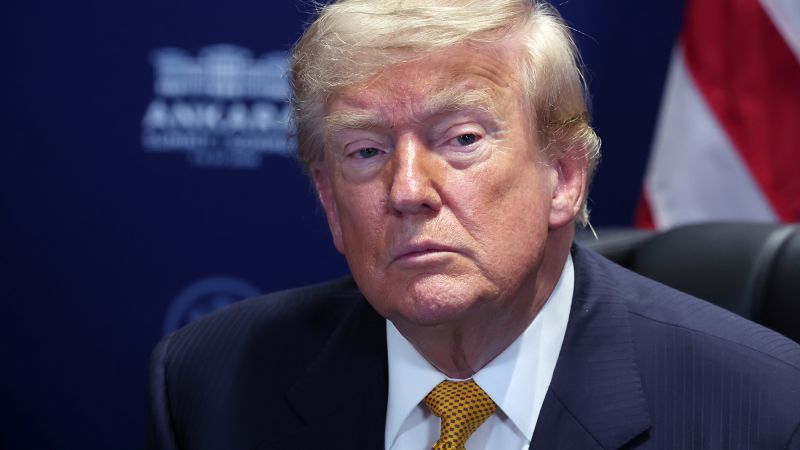
Three weeks of fragile peace bought President Donald Trump some time and leverage over Iran. But not too much.
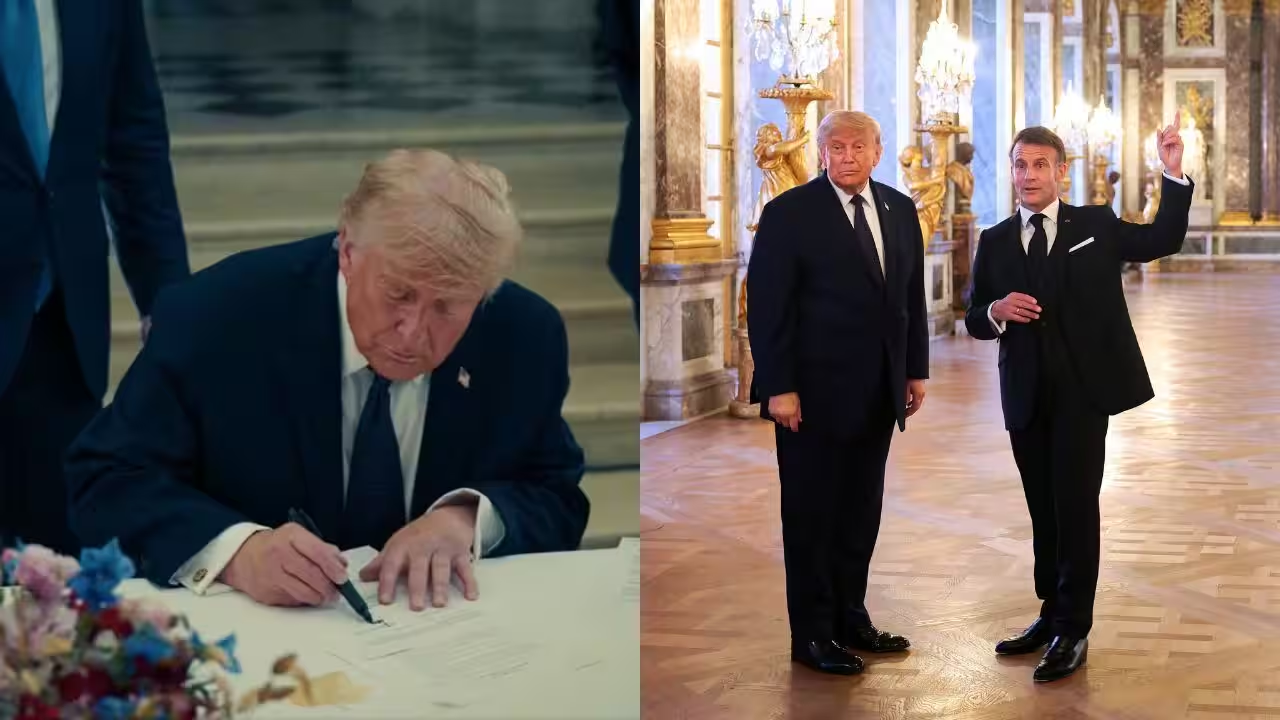
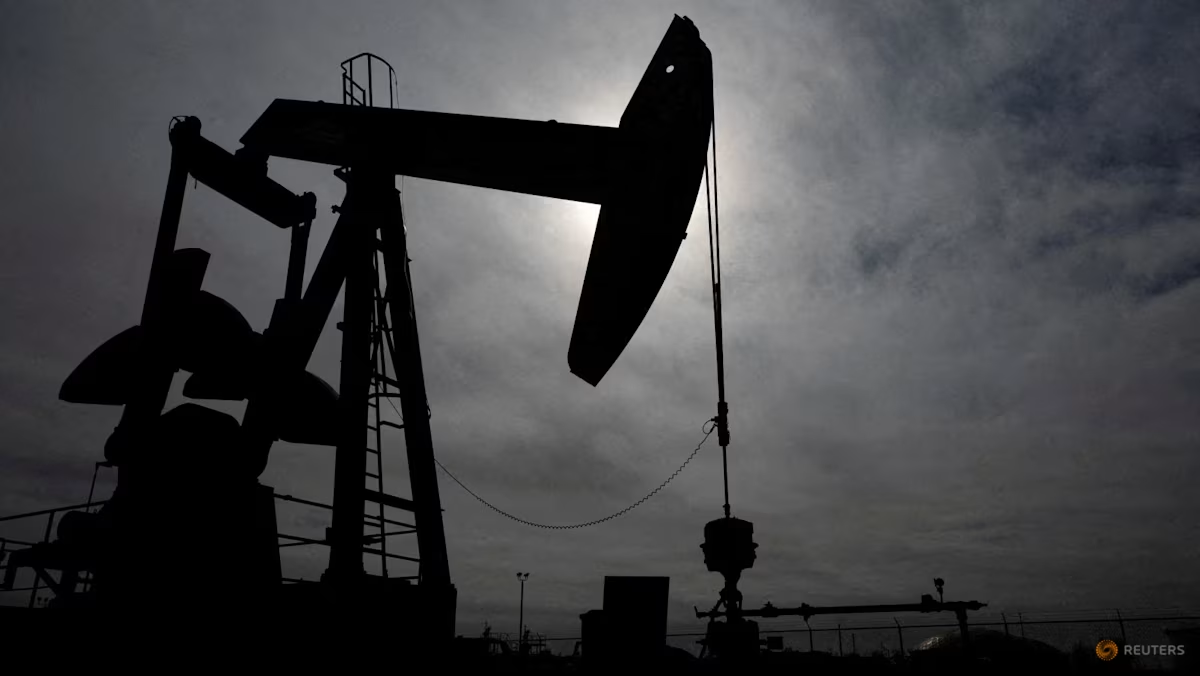
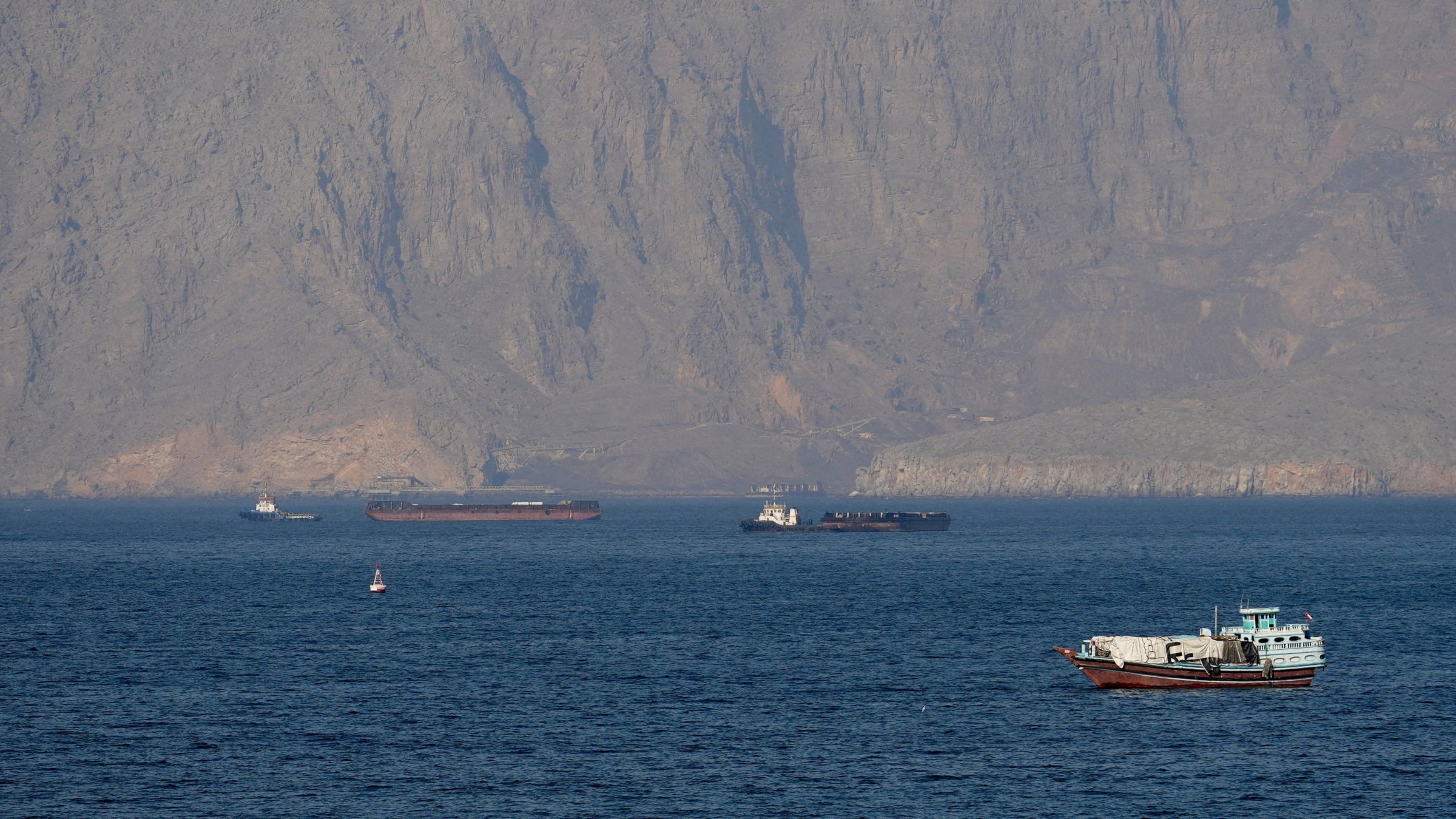
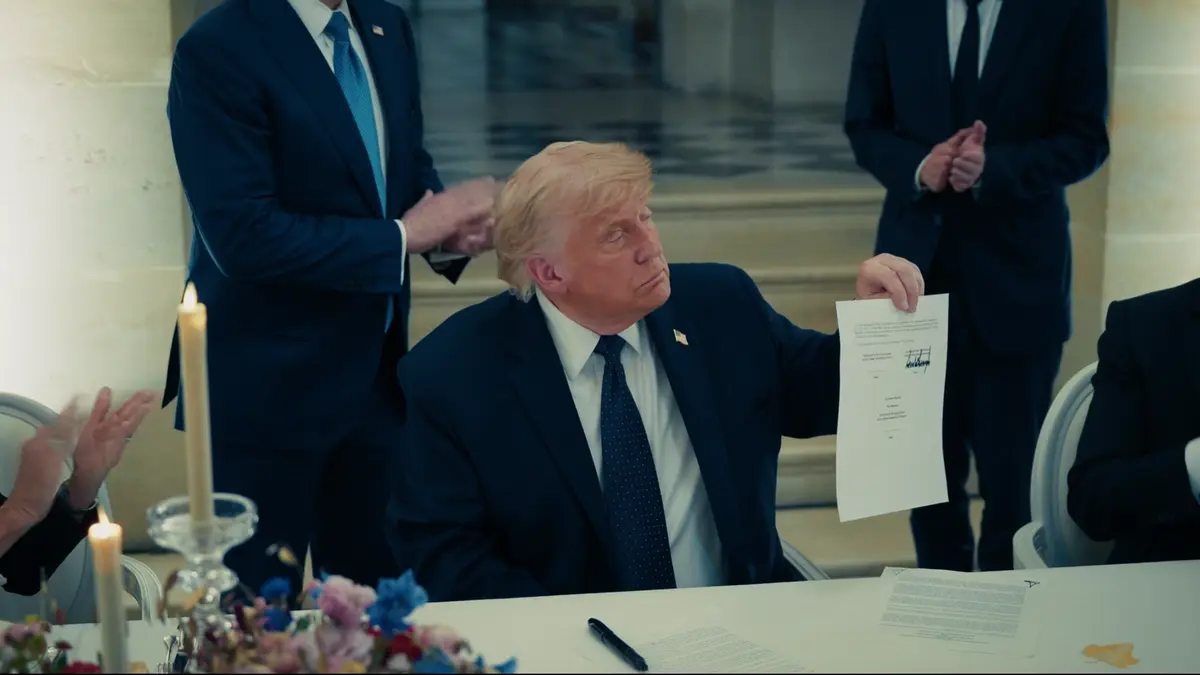
After Trump signed the Memorandum of Understanding with Iran on June 18, oil prices tumbled, sinking below pre-war levels by last week. The oil market cheered as the Strait of Hormuz reopened somewhat, and crude started gradually flowing out of the Persian Gulf after getting stuck there for months. Gas prices have been slowly falling back down to Earth, too.
But three weeks of a partially reopened strait wasn’t enough time to overcome the biggest oil supply shock the world has ever seen. It didn’t offer sufficient time to refill the emergency and commercial stockpiles that the United States needs to supply itself with fuel – and avoid the looming “economic catastrophe” that Trump feared would earn him comparisons to Depression-era President Herbert Hoover.
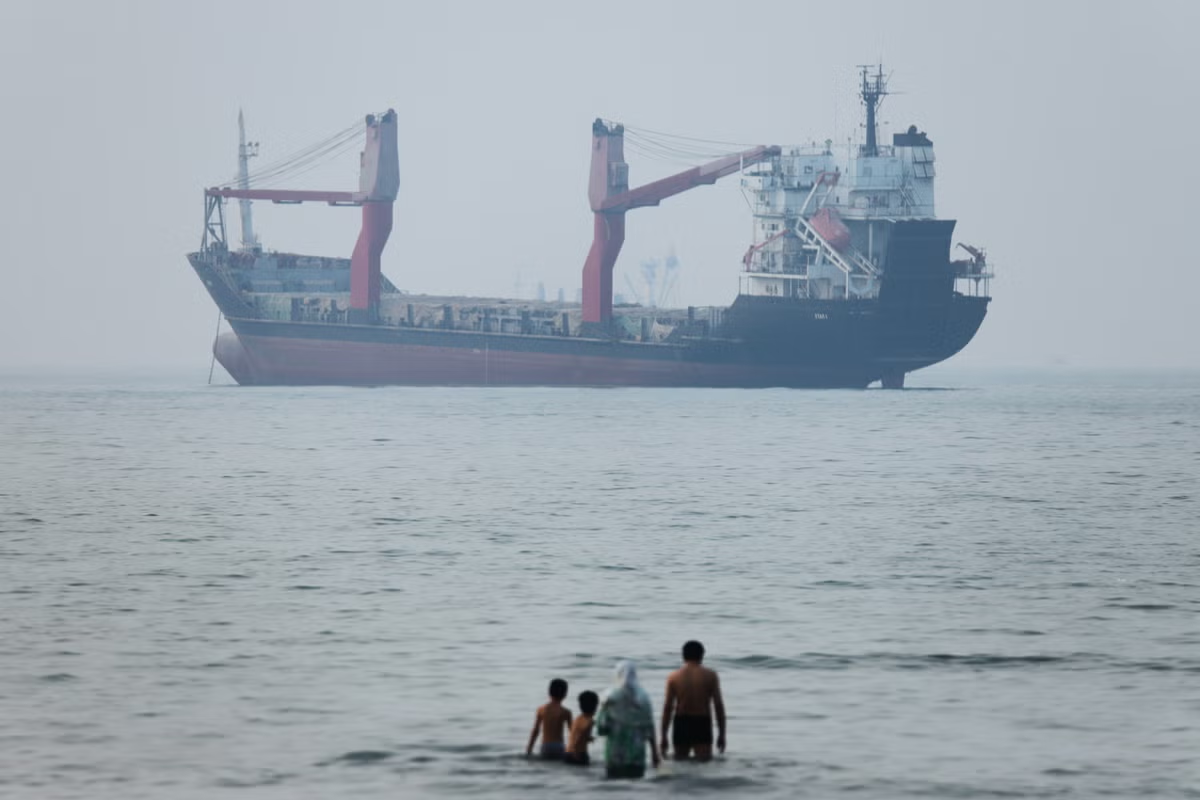
No one knows if this latest exchange of fire in the Middle East is a blip or a return to all-out war. Trump threatened Wednesday to resume America’s naval blockade of the strait – but so far, the strait remains open to ships willing to take the risk to get in and out.
But if it closes again, the US economy could take an unwelcome hit.