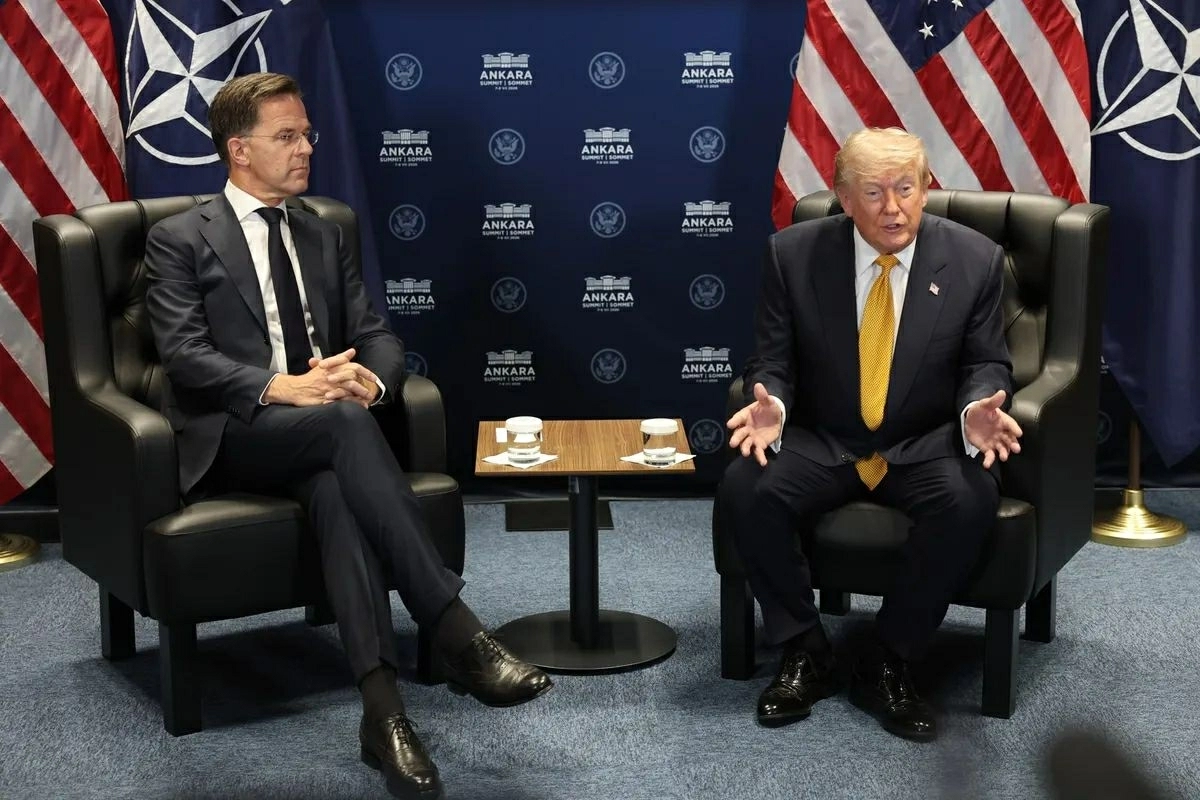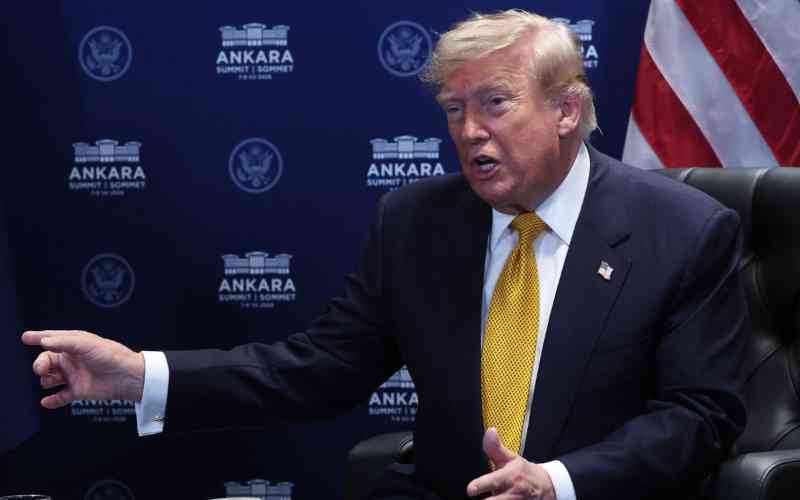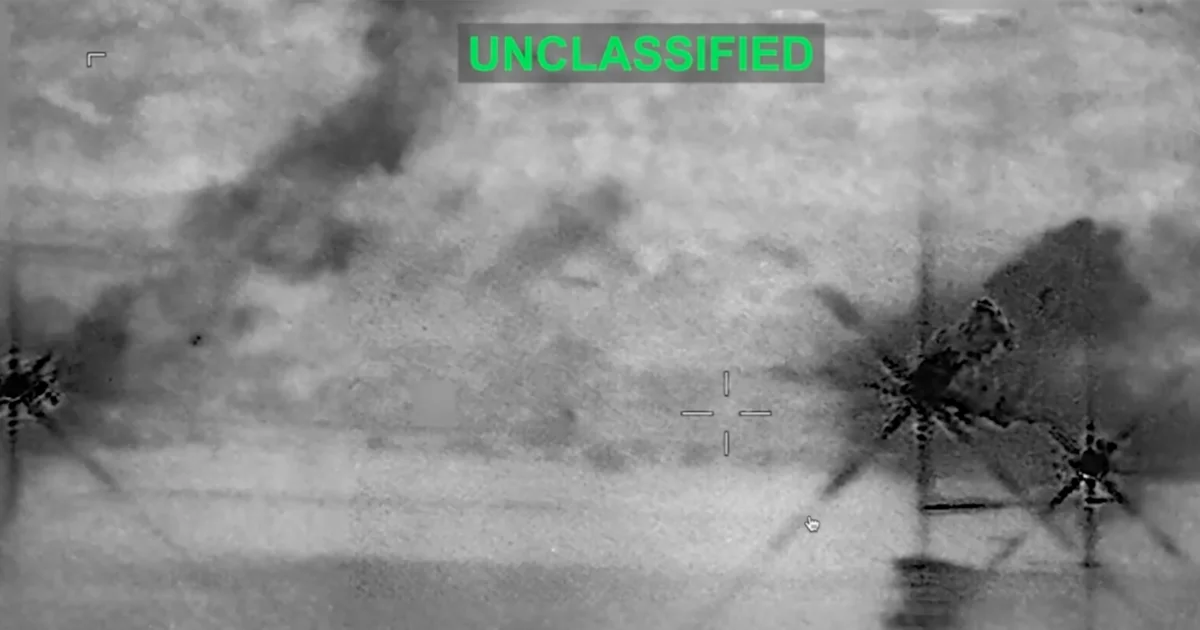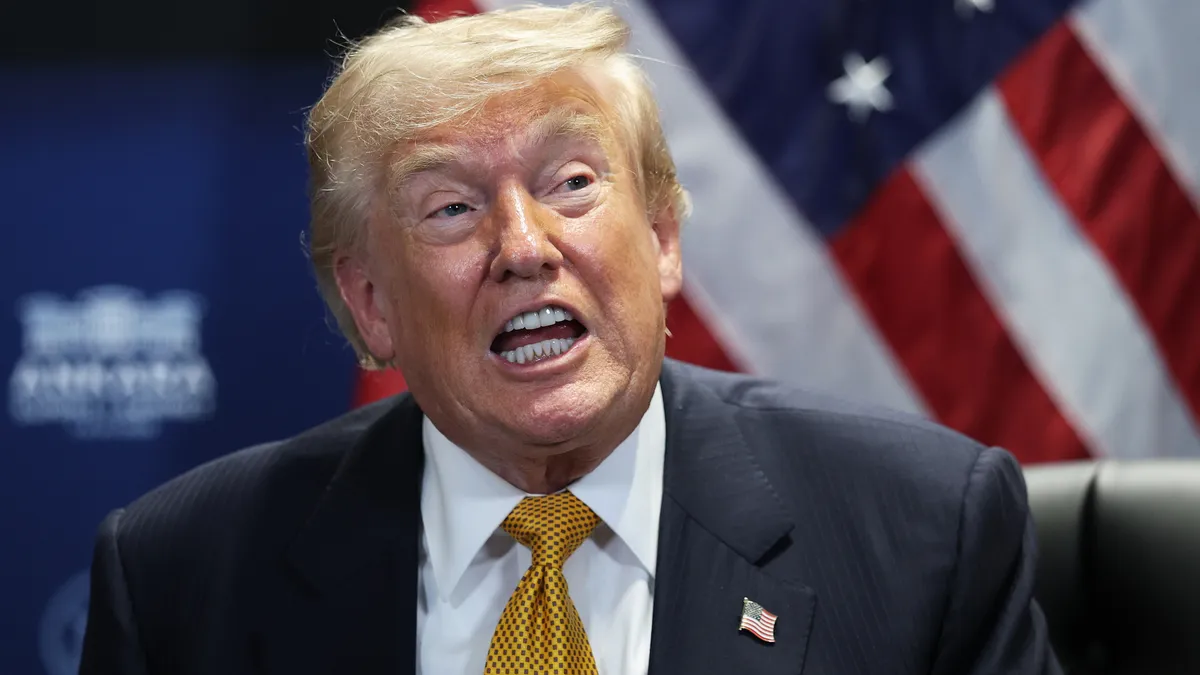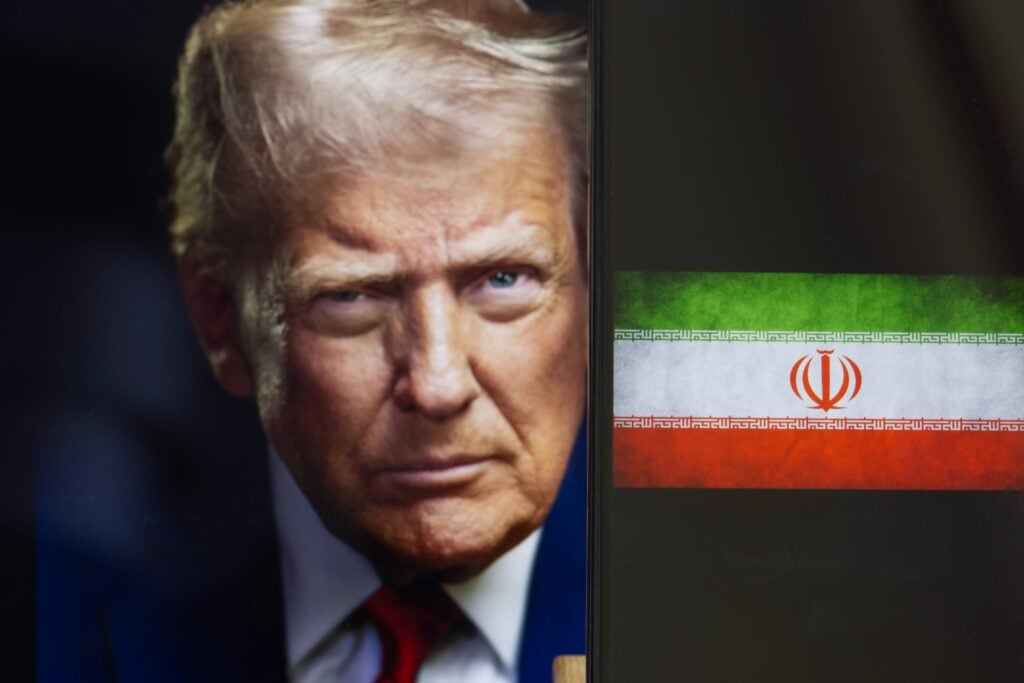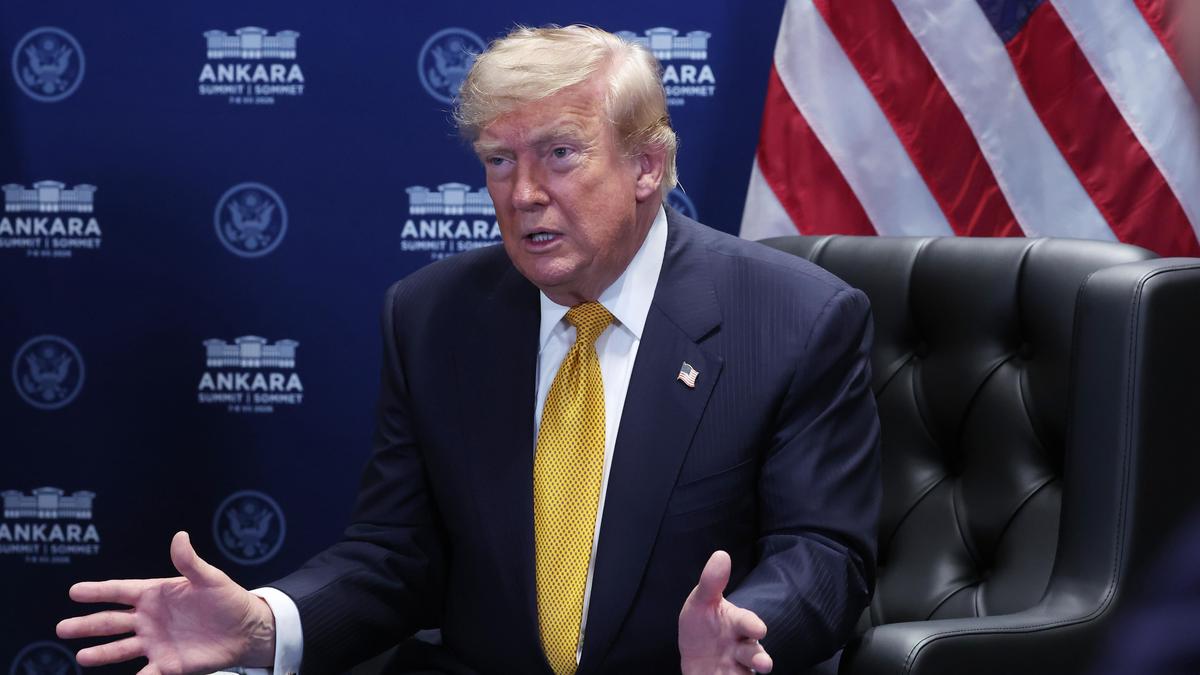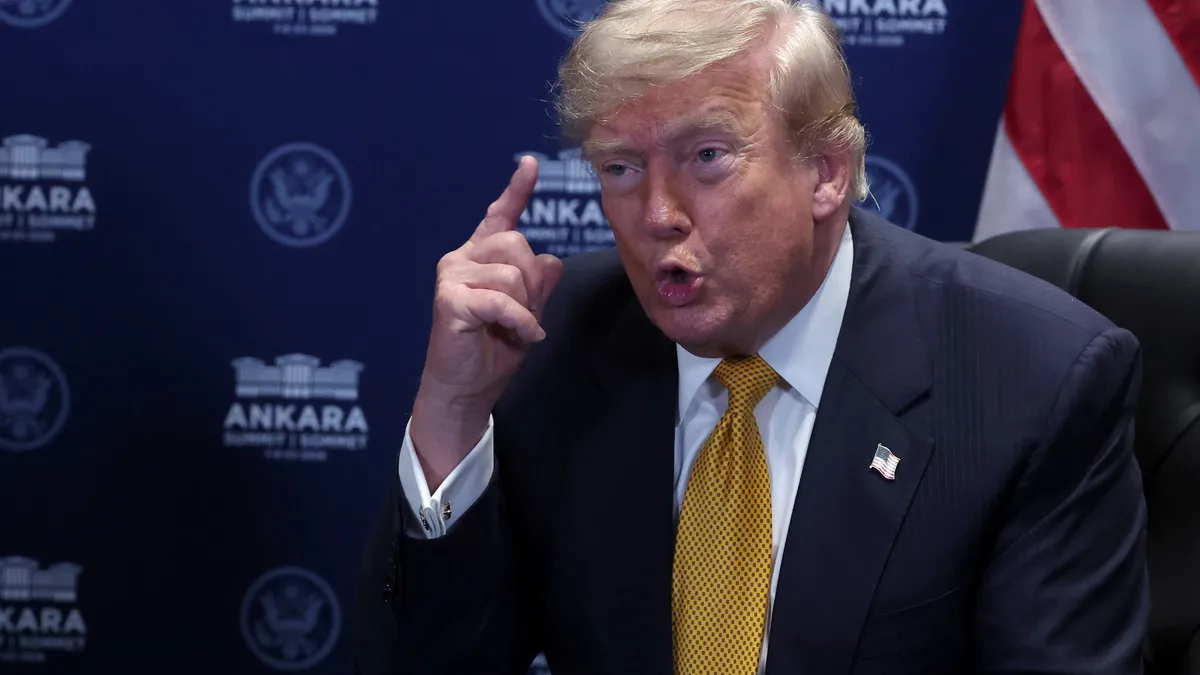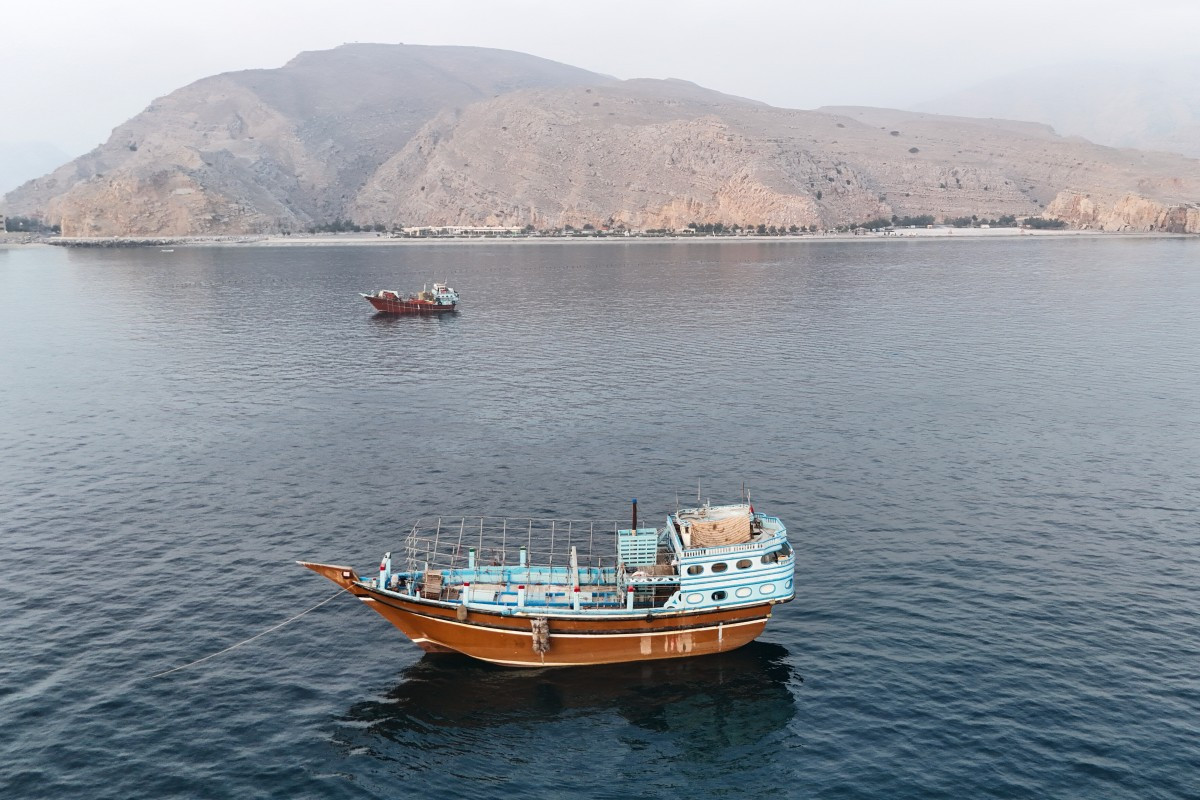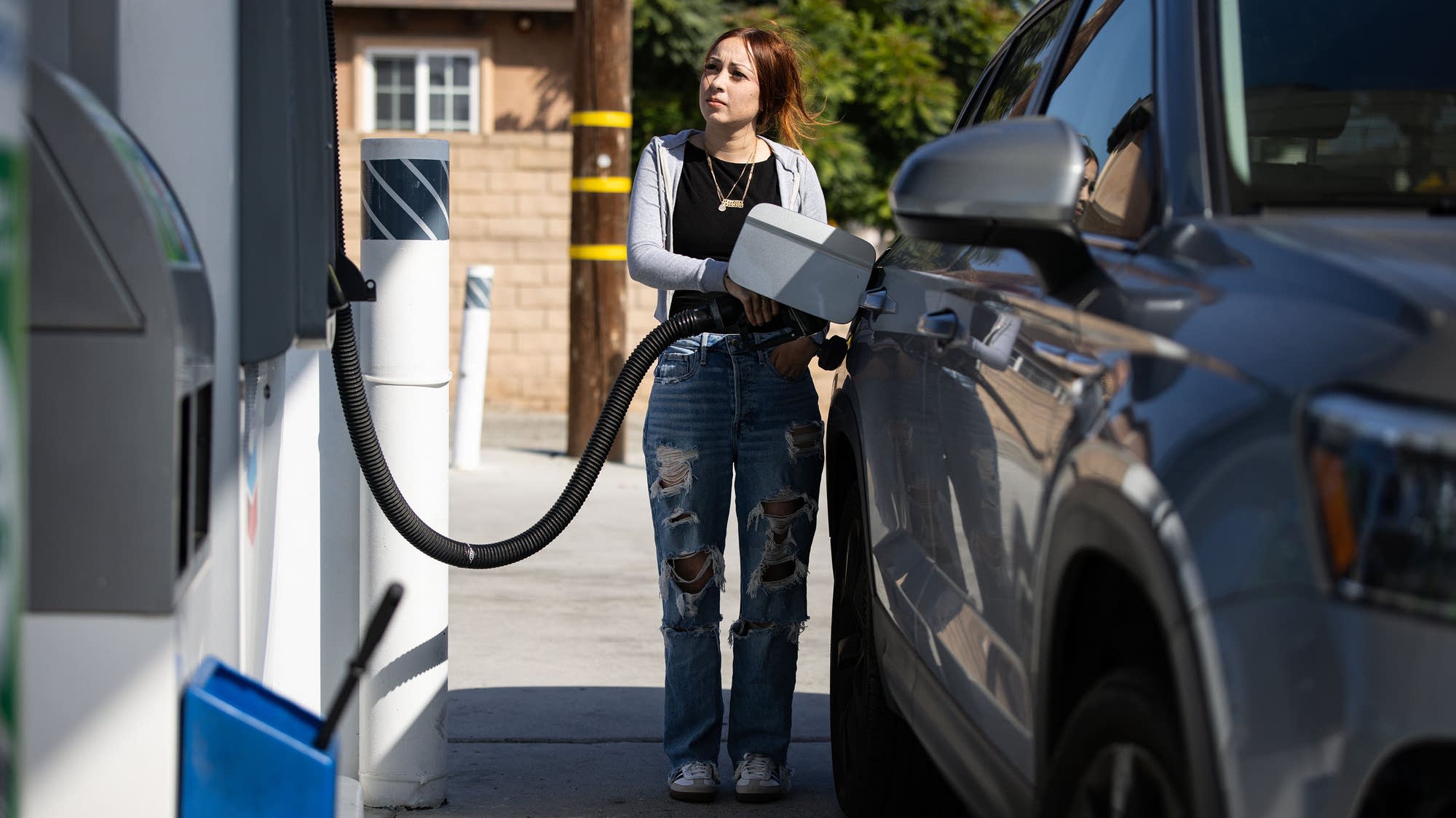
On Wednesday, at the NATO summit being held in Turkey, President Donald Trump said the ceasefire between the U.S. and Iran is “over,” but that talks can continue. Just to recap where things stand: The U.S. said Iran violated a memorandum of understanding when it attacked three tankers in the Strait of Hormuz. So, the U.S. said it launched air strikes against 80 targets in Iran and canceled a waiver allowing Iran to sell oil. Iran said that, plus Israeli attacks on southern Lebanon, were violations. So, Iran targeted 85 U.S. military sites around the Persian Gulf. In response, oil prices spiked on Wednesday morning. To discuss the economic ripple effects, “Marketplace Morning Report” host Sabri Ben-Achour was joined by Dan Coatsworth, head of markets at the UK-based investment platform AJ Bell. The following is an edited transcript of their conversation.Sabri Ben-Achour: So, let's talk about oil prices, because that feeds in, as we have seen, to everything from fertilizer and food to transportation. Oil prices had fallen at one point very close to where they were before the war. Is that progress just about to be out the window? What happens to oil prices now?Dan Coatsworth: I mean, as we're speaking, you're looking [at a] 5%, 6% jump in a single day. I mean, this is the market stepping back, quite sort of alarmed by what's going on. For Donald Trump to come out and essentially say the ceasefire is over, it has really shocked people. And, of course, people are now asking the question, saying, like, "Well, hang on a minute, I thought that oil prices coming back would suggest that the Strait of Hormuz was reopening, we were seeing ships going through," but now essentially saying, "Well, there's a major risk to traffic flowing through the Strait of Hormuz again." And so, therefore, the attention switches back to concerns about oil supplies going forward. Of course, that's why the price is jumping up. For a one-day movement, we haven't seen this for a while. Because whilst it feels like we've been going for months and months, where oil has actually been trading really high. It has falling quite a lot recently. So, yeah, just to the point where everyone thought everything seems to be near a resolution, it's like we've torn up the piece of paper, and we're going to start again.Ben-Achour: Are ships going through at all right now?Coatsworth: So, what's been happening is there has been some traffic, but part of the reason why Donald Trump has sort of said that ceasefire is over is because there were some attacks on commercial ships going through the Straight of Hormuz a couple of days ago. So I think that the idea that the traffic is flowing freely, it was never going to return to normal at the click of a finger. There's been some traffic going through, but now, of course, the question mark is, is anything going to go through now?Ben-Achour: Consumers have been getting some relief at the gas pump. The average price of gas has fallen in recent weeks in the U.S. down to $3.80 a gallon. How quickly does an escalation like what we're seeing take to show up at the gas pump? Coatsworth: The normal trend is for, as soon as oil prices go up, you'd see immediately at the gas pump for those prices to go up. What you typically see is a lag for when oil prices fall, it still costs motorists a lot more before they can see those savings. So, yeah, unfortunately, you'll probably feel it in your pocket very soon. If you go up to fill up today, you'll see it. Of course, the other thing is that oil prices having come back in recent weeks, that should have been positive for consumer sentiment, for people sort of feeling a bit more perhaps willing to go and spend money in the shops. It might be good for businesses thinking about investing in the future.Because now oil prices go back up again, that sort of puts a question mark of like, "Do I need to sort of worry, perhaps spend a little less when I go to shops?" Sort of, businesses are going, "Well, you know, we're back to uncertainty. Do I pause on any sort of major investment plans or any hiring plans?" So this is this is quite a significant event, and I think markets will be watching to see if this is just a one-day knee-jerk reaction, or actually are we now back into the territory where we could see multiple days in a row where cost pressures go up again?
Trump says the U.S.-Iran ceasefire is "over." What's that mean for prices?
Uncertainty over the ceasefire means uncertainty over prices.
777 words~4 min read