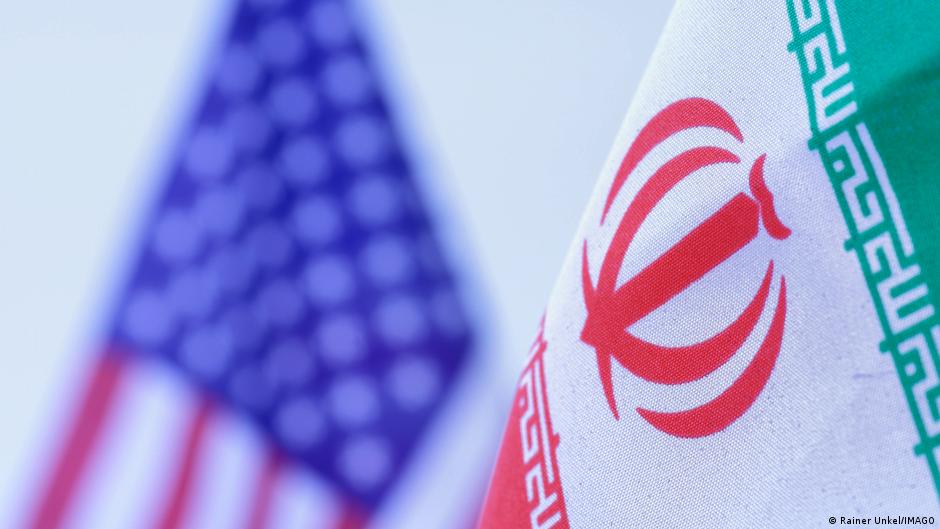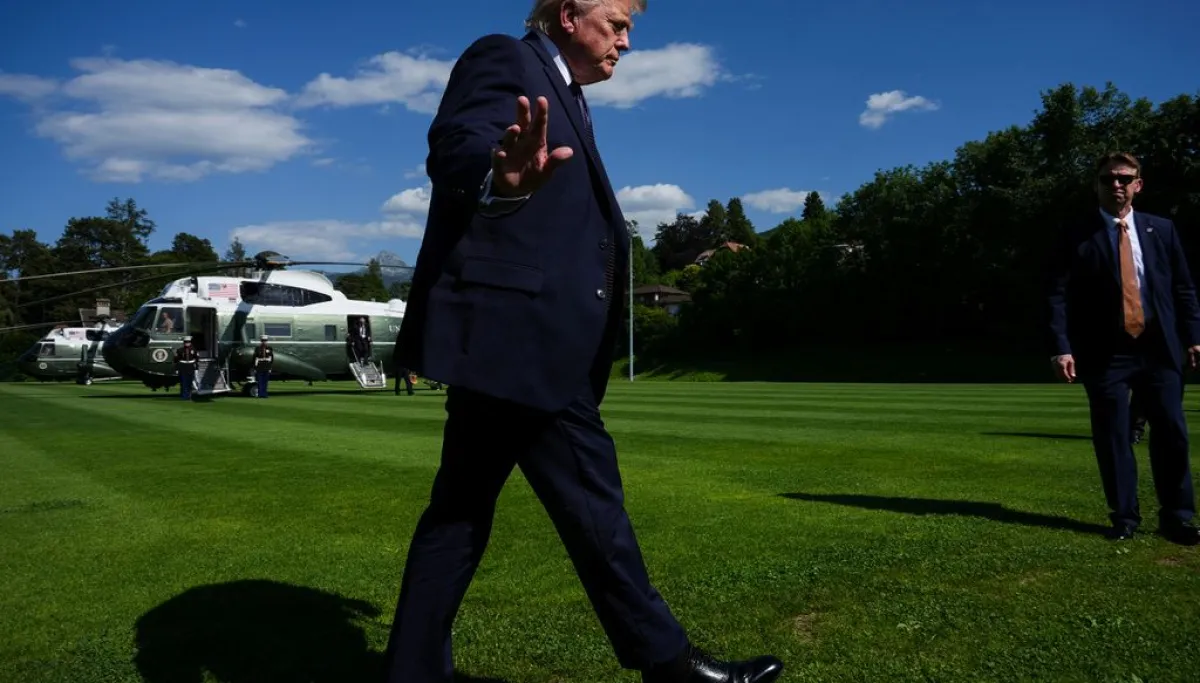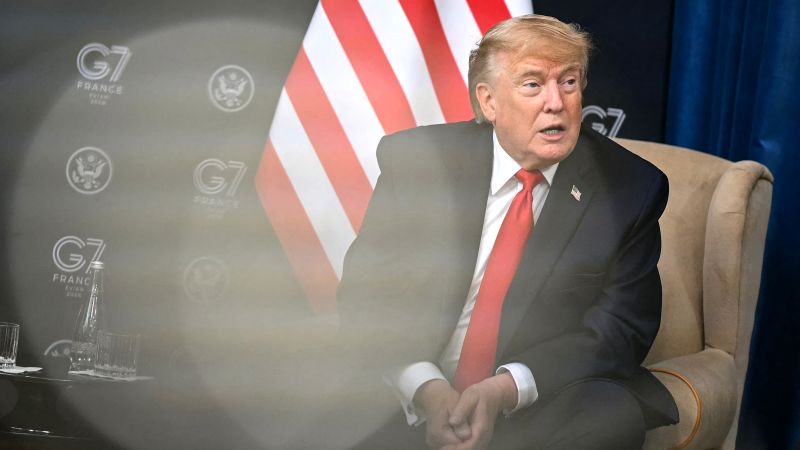
Could the memorandum of understanding between the US and Iran actually be a memorandum of misunderstanding? That’s the question veterans of Middle East negotiations are asking in the wake of this apparent breakthrough.
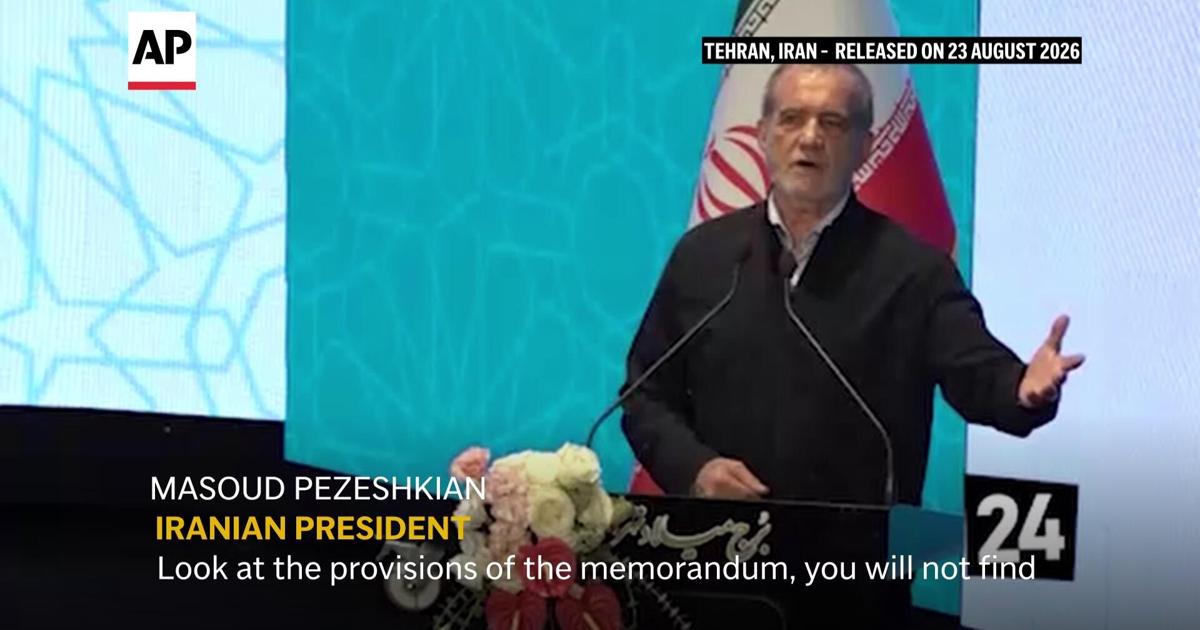
The text of the memorandum is not public. The “negotiations” between the US and Iran have occurred largely via intermediaries – Pakistan and Qatar. So far as we can glean from public statements, Iran has agreed to reopen the Strait of Hormuz from Friday, through which 20 per cent of the world’s oil supplies flow, and the US has agreed to end its naval blockade of Iranian ports in the Strait.
All the tricky issues – the fate of Iran’s nuclear programme, sanctions relief for Iran in exchange for compliance with the agreement – have been kicked down the road and will be negotiated within a 60 day ceasefire period after the accord’s “signing ceremony”, which will apparently take place in Switzerland on Friday. So the two month old shaky ceasefire is extended by a further two months, and the big problems still loom large.
Vessels anchored in the Strait of Hormuz as seen from Musandam, Oman. (Photo: Stringer/Reuters)
Thus far, this is the status quo ante. The Strait of Hormuz was open before President Trump launched this war against Iran, in conjunction with Israel, more than 100 days ago, and there was no US blockade. Nor was there a global energy crisis, or rising inflation due to higher fuel costs. What, then, was the war for? The US killed Iran’s Supreme Leader, and destroyed Iran’s navy. But the theocracy of Iran has been replaced by an even more militarised leadership.