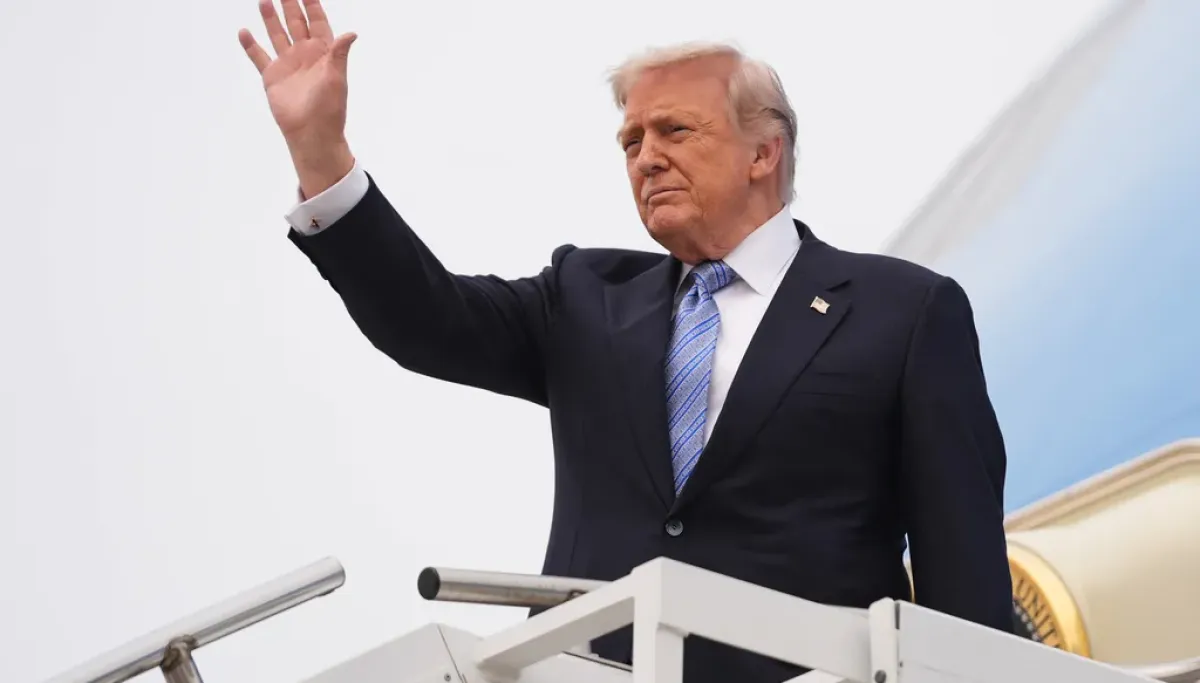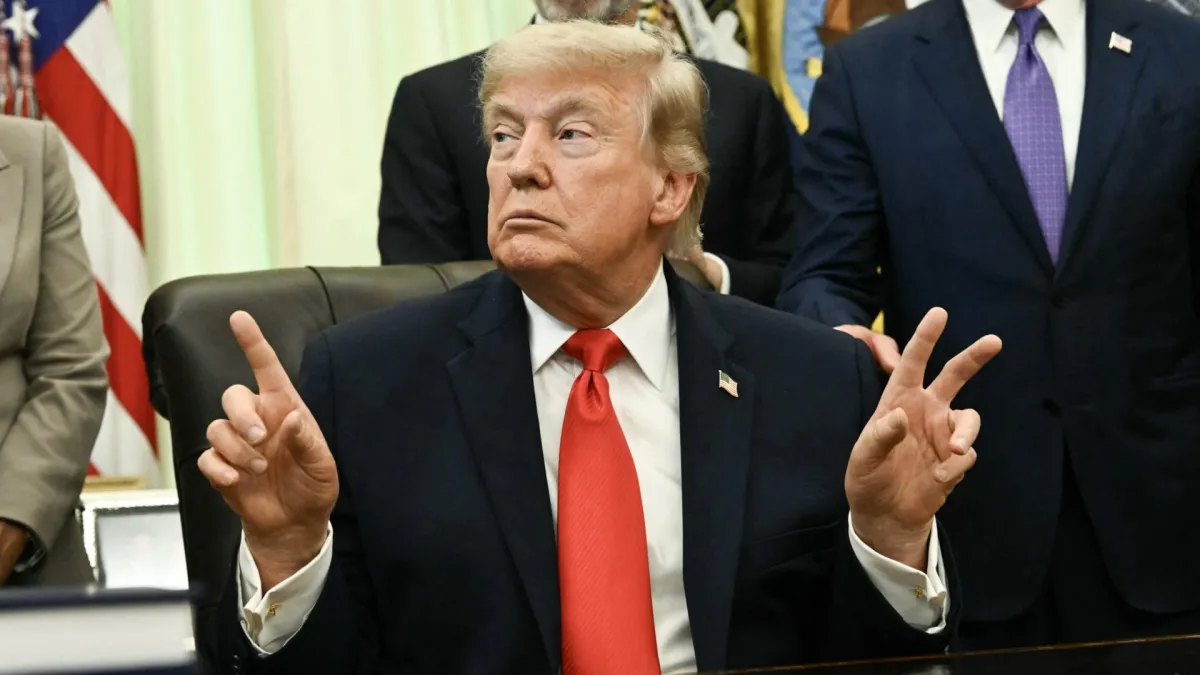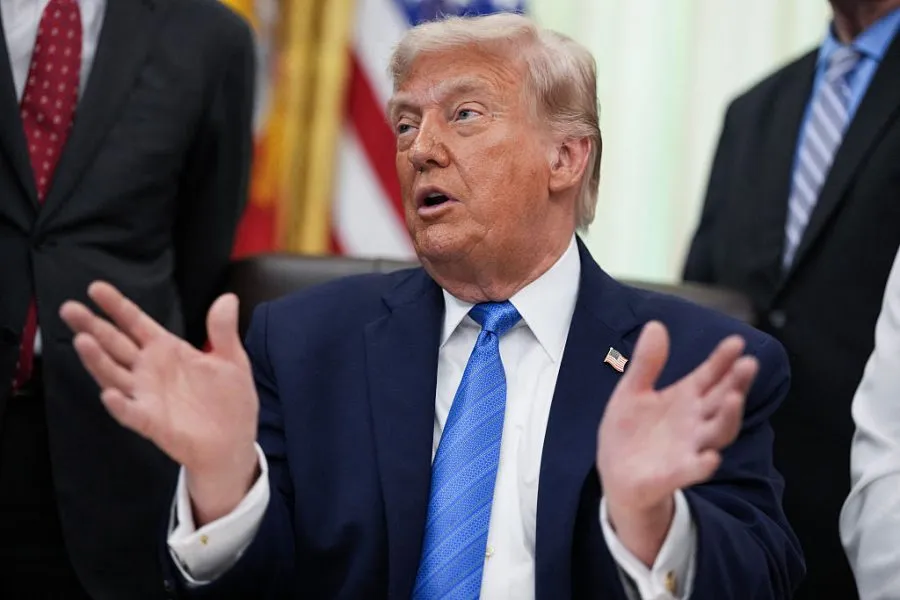
Donald Trump would have us believe he’s achieved peace in our time with his so-called ‘memorandum of understanding’ with Iran, designed to end hostilities in the Gulf and pave the way for a comprehensive peace deal between America and Iran.In reality, it’s far from clear it resolves anything. Indeed, it’s more likely his whole Iranian misadventure has merely made matters worse for America and its allies in the Middle East region.We should be cautious. Neither Iran nor America has yet issued a specific list of what’s in the heads of agreement, which is meant to form the basis of 60 days of peace talks while the guns fall silent.The memorandum won’t be signed until Friday, in Geneva. Some of the finer points are still being negotiated, we’re advised. So all commentary is, to some extent, flying blind.Even with that caveat, the mood music is not encouraging. Iran is close to gloating. Israel is quietly fuming. Conflicting interpretations are already emerging, even before the ink has had time to dry.‘I hereby authorise the opening of the Strait of Hormuz,’ said Trump on Sunday, insisting that the moment the mines were cleared it would be back to pre-war, toll-free, open navigation for world shipping through one of the great chokepoints for global trade.We must all hope so. For since Trump attacked Iran in cahoots with Israel at the end of February and Iran retaliated by seizing control of the Strait (for the first time ever) the global economy has taken a battering, as oil and gas prices spiked and shortages of essentials, like fertilisers (for farming) and helium (for making microchips), spread.But Iran doesn’t quite see it Trump’s way. The regime’s Fars news agency announced that Iran would continue to regulate shipping through the Strait in coordination with Oman (which lies on the south side of the Strait). Donald Trump announced on Sunday: ‘I hereby authorise the opening of the Strait of Hormuz’ Neither Iran nor America has yet issued a specific list of what’s in the heads of agreement, which is meant to form the basis of 60 days of peace talks while the guns fall silentSo not quite a return to the status quo ante. Even if that was to happen – with a return to previous normal service – it could hardly be regarded as a great Trump achievement. It would only restore the sensible state of affairs that existed before he launched his war.Nor does there appear to be anything in the memorandum about limiting Iran’s ballistic missile arsenal or its ability to replenish what it lost in Israeli-American attacks.I also understand it has next to nothing to say about Iran’s continued arming and financing of its terrorist proxies in the Middle East – Hamas, Hezbollah, the Houthis and several lesser known but just as nasty ones.Now you’ll understand why Israel is less than pleased with Trump’s ‘peace deal’.‘This is a disastrous agreement for Israel,’ a senior Israeli official told a local TV channel yesterday morning.‘There is no one at the top who does not think so, from the Prime Minister to the IDF [Israeli Defence Forces] chief of staff.’Israeli concern is heightened by Trump’s talk of giving Iran access to some of its frozen funds held abroad and allowing it to ramp up oil exports.Both moves would help replenish Tehran’s coffers, and when the regime has been relatively flush with funds in the past it has built up its missile capabilities and financed its proxies. Israeli prime minister Benjamin Netanyahu is facing backlash over the US-Iran peace dealThen there’s Iran’s ambition for nuclear weapons. Trump has often stated Iran can’t have a nuclear bomb under any circumstances. He’s sometimes cited that as the primary purpose of launching his war.The original line of the Trump administration was that there could be no financial lifeline or sanctions relief for Iran until its nuclear capabilities had been clearly and verifiably dismantled. That line is now being fudged.I’m told there’s very little in the memorandum about nuclear weapons. All the thorny issues – Iran’s existing stockpile of near-weapons-grade uranium and its ability to enrich more – have been kicked into the 60-day talks, with no noticeable progress on any in advance.Trump now says he’s in ‘no rush’ for Iran to give up its existing enriched uranium, describing what he once claimed was the casus belli for war with Iran as ‘harmless’. Thus does Trump’s concept of a peace deal not only fail to resolve long-standing frictions between Iran, America and its Gulf allies – it even fails to solve problems he’s created. Iran’s grip on the Strait of Hormuz is one. Enriched uranium is another.President Obama’s previous deal with Iran had its flaws but it did result in 97 per cent of Iran’s enriched uranium being shipped off to Russia.Trump ripped up that agreement early in his first term, freeing Iran to enrich enough uranium to near-weapons-grade to build ten to 12 nuclear bombs.All this is now a matter for 60 days of talks to come. As Obama can testify, Iran is a master at dragging out such talks, pocketing concessions as it goes.I wouldn’t be surprised if they were followed by another 60 days of talks. Or that a proper peace is never reached.Iran thinks that Trump has no stomach for further major attacks, much less for launching all-out war on Iran. It is a reasonable operating assumption.America is now putting its faith in diplomacy without the credible threat of force as a back-up. No wonder Tehran is feeling cocky.The regime is bloodied but unbowed. The hardliners have consolidated their grip and they are more repressive than ever.Now they look forward to sanctions relief; new resources to strengthen their control and pump more money into missiles and proxies; and to stringing along talks about nuclear capabilities until Trump gets bored and turns his attention elsewhere. He already seems to be making things up as he goes along.On Sunday afternoon he called the New York Times and spoke for almost half an hour, during which he insisted the Strait of Hormuz would very soon be ‘permanently toll-free’ (Iran has other ideas); claimed he’d saved Israel from ‘nuclear obliteration’ (the Israelis don’t think that); stated that if no final accord was reached he’d restart attacks on Iran (nobody believes that); argued the Middle East had been ‘remade in America’s favour’ (delusional); and asserted the US stood ready to act as the ‘guardian of the Middle East’ for 20 per cent of the region’s revenues (if anybody believes a word of this, I have a campervan to sell them).As we await the exact working of the ‘peace’ memorandum we can be sure of one thing: the people of Iran will not feature in it.There was a time when Trump urged them to rise up and throw off their oppressors. He was even talked into the war by Israeli prime minister Bibi Netanyahu, who assured him the regime would crumble. Now he says: ‘I never cared about regime change.’The Iranian people are being left to a fate even grimmer than before Trump started his war. America’s allies in Europe and Asia have suffered from his war because of the damage it has done to the global economy. Israel is furious.The Gulf allies are now courting Iran because they’ve concluded they can’t count on America. The odious Iranian regime has discovered new resilience and enhanced global leverage.In the months ahead, Trump will scuttle away under cover of much bombastic rhetoric but with little to show for the fruitless, unnecessary war he launched – and history will record it as the biggest foreign policy disaster of his administration. Nothing else comes close, as he’s fond of saying.
ANDREW NEIL: Don't believe Trump's wild boasts about his Iran deal
Donald Trump would have us believe he's achieved peace in our time with his so-called 'memorandum of understanding' with Iran, designed to end hostilities in the Gulf and pave the way for a peace deal.
1,281 words~6 min read