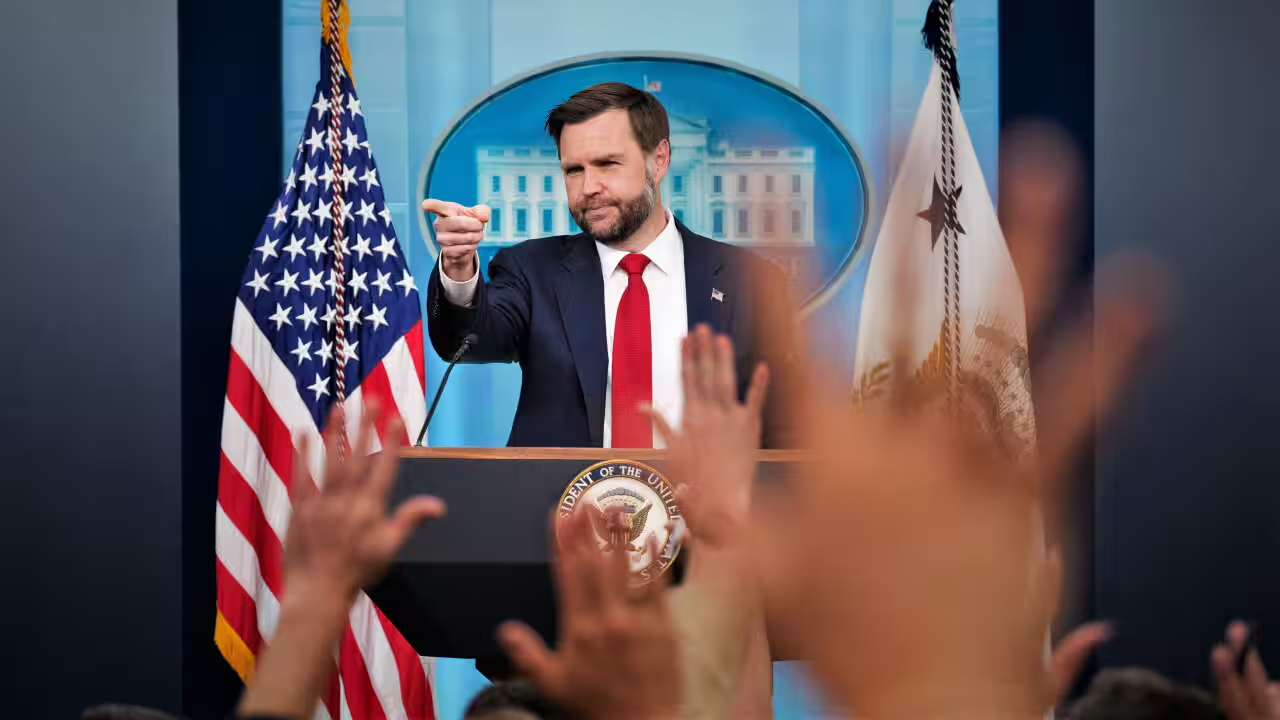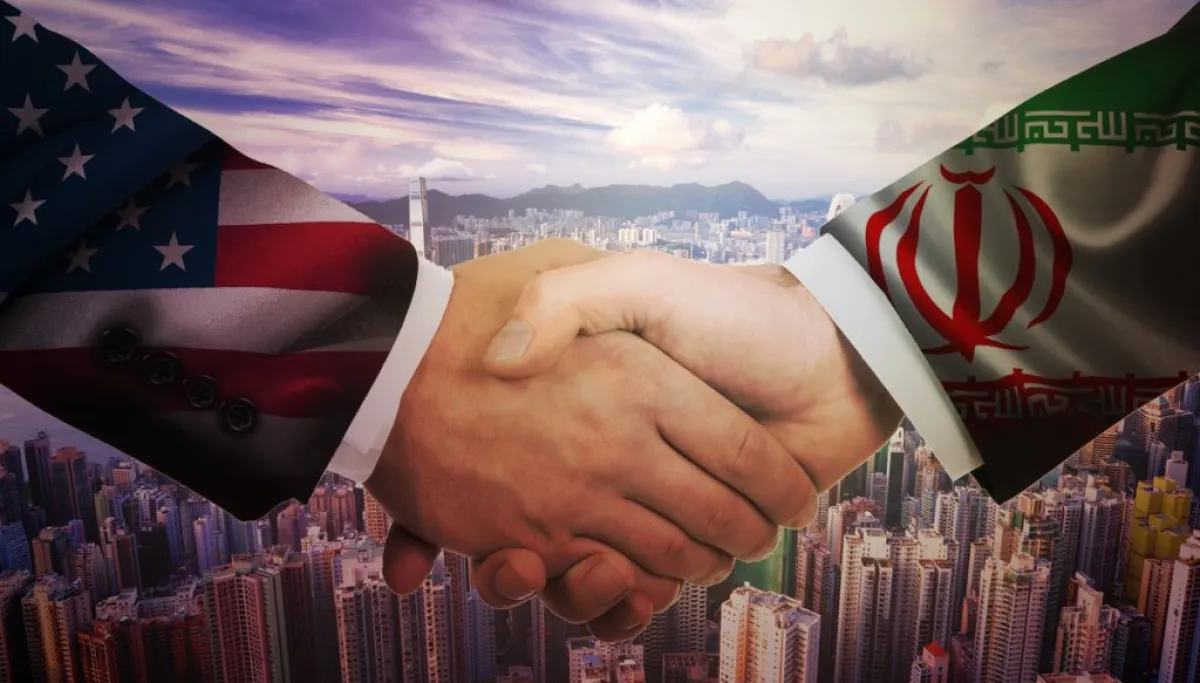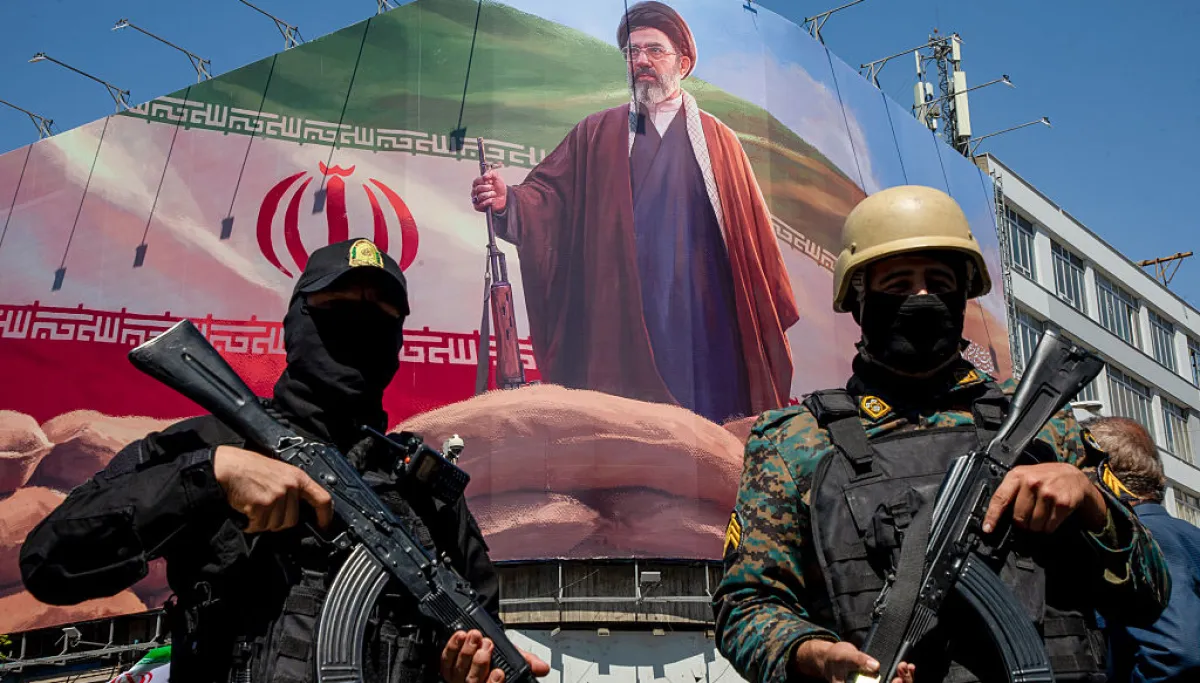
Some in the United States may believe Vice President JD Vance’s claims that the memorandum of understanding with the Iranian regime can bring about a true regional peace. However, throughout the Middle East, it is seen as a failure of will on the part of President Donald Trump and a complete surrender to the Iranian regime’s demands. Nor do many in the region believe that, having been given the money and sanctions relief they wanted up front, Iran will change its behavior 60 days down the road.Likewise, the administration’s contention that Iran will be judged on its adherence to the agreement is unconvincing, as Iran has not agreed to anything concrete other than the lifting of U.S. sanctions, resumption of its oil exports, unfreezing of Iranian assets, $300 billion in additional aid, and future Iranian control over the Strait of Hormuz.Even before the publication of the MOU, the Gulf States concluded that they could no longer rely on the U.S. to protect them from Iran. Trump abandoned his original war goals of ending Iran’s ballistic missile program and support for terrorist proxies and now says it’s “OK” if Iran has some missiles and enriches uranium. It is reported that, to end Iranian missile attacks, the UAE has begun transferring billions of dollars in previously frozen assets to Iran, although the UAE has denied this. The Gulf States have read the writing on the wall and now bow to Iran.
Trump's Iran deal will have grave consequences for the United States
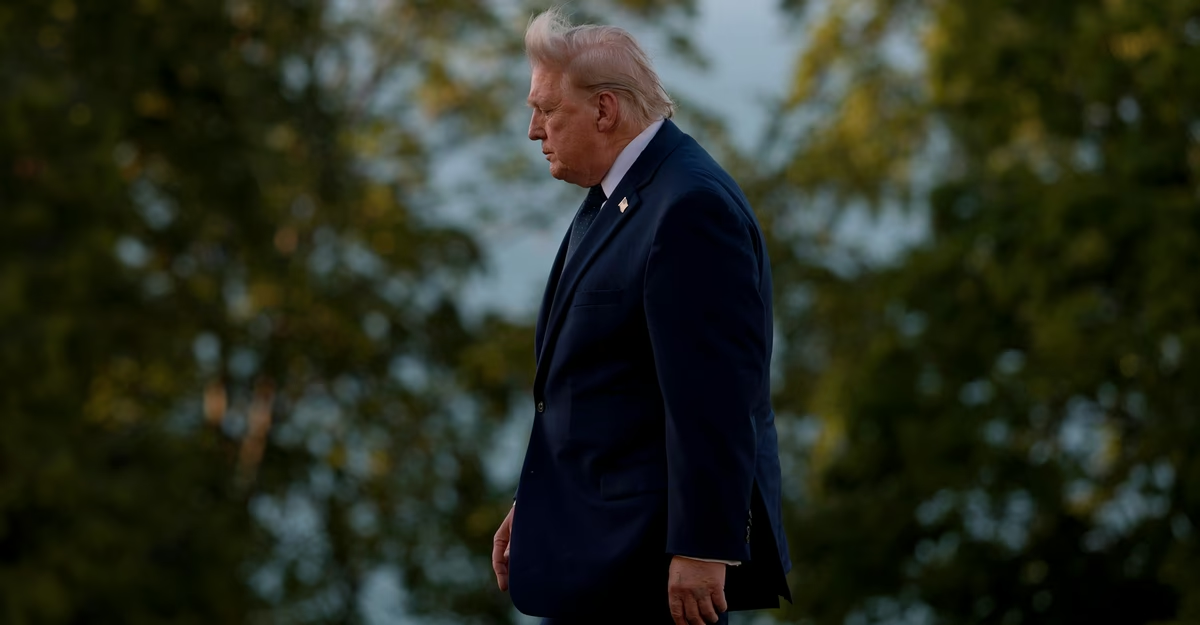
President Donald Trump has abandoned his original war goals of ending Iran's ballistic missile program and support for terrorist proxies.
1,171 words~5 min read