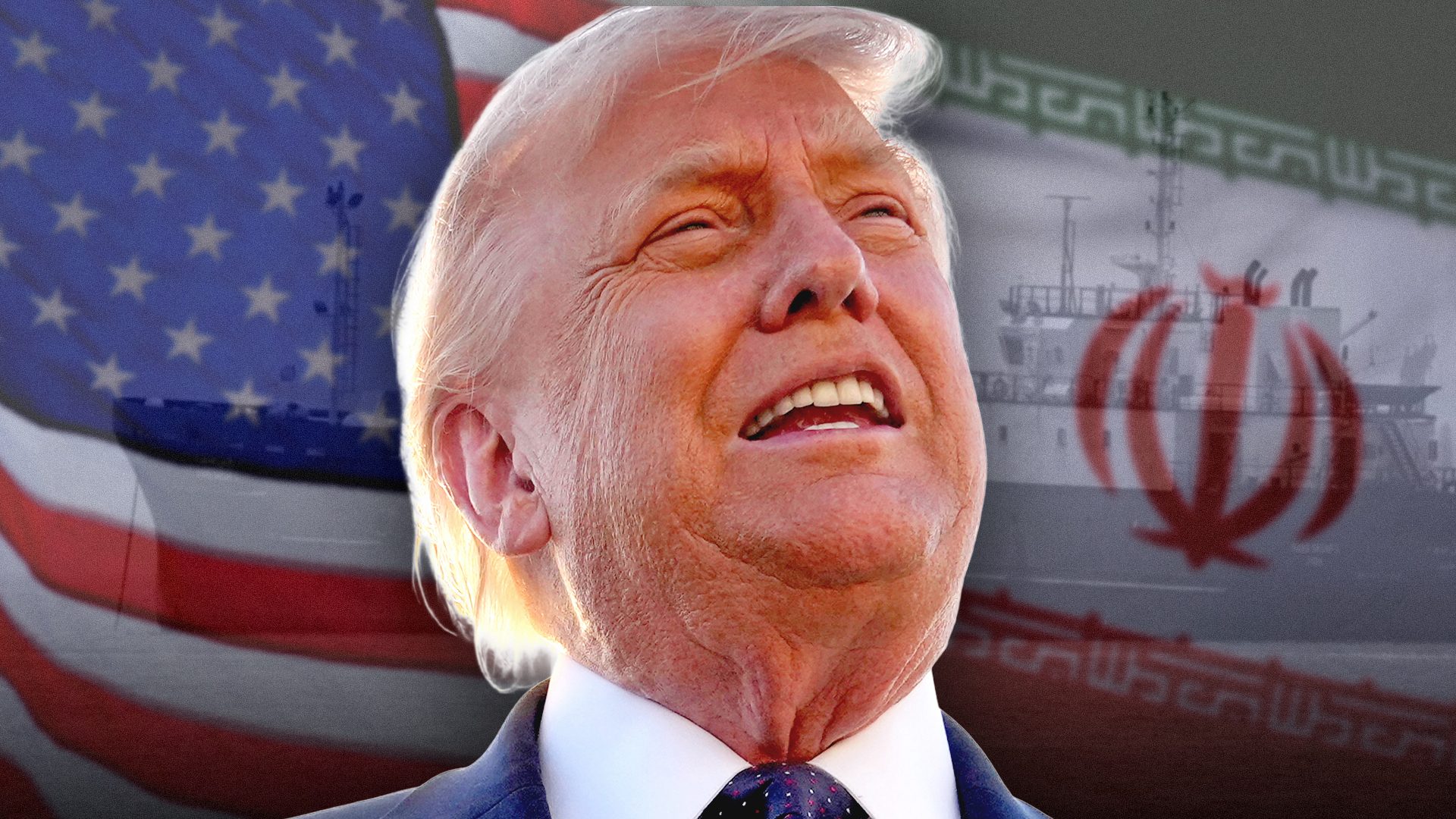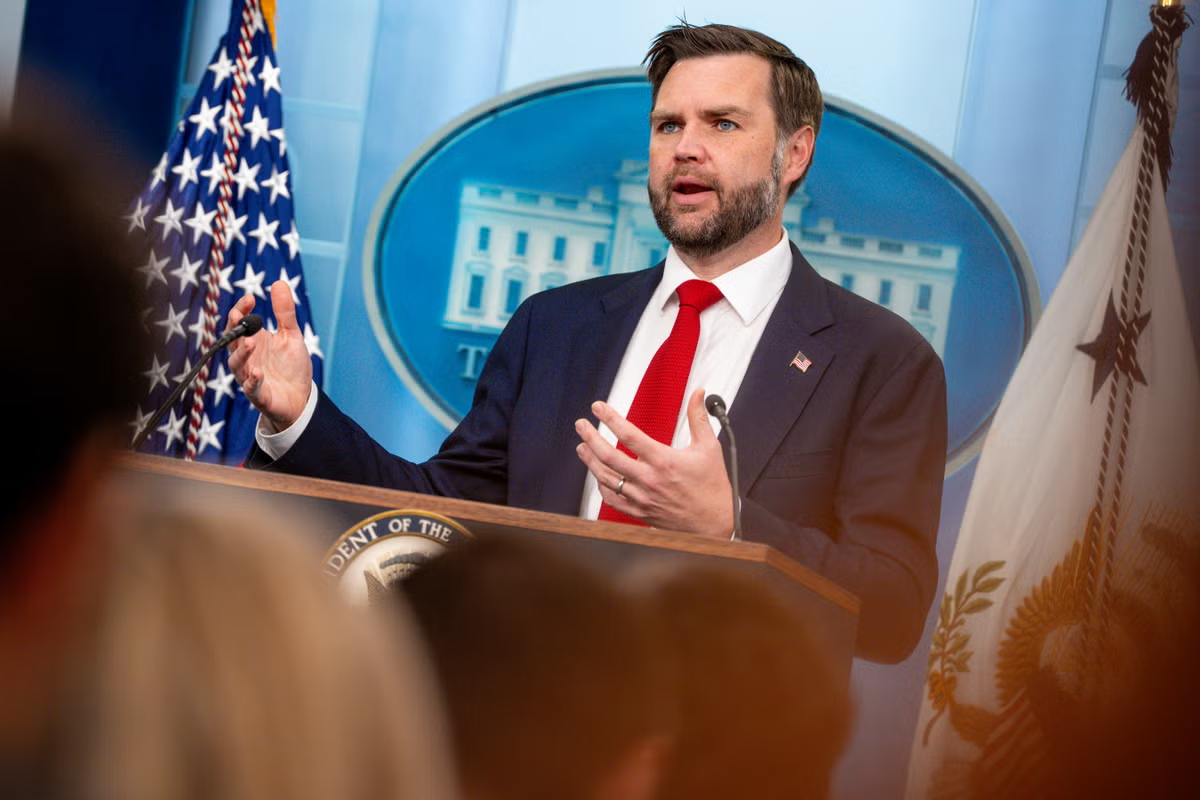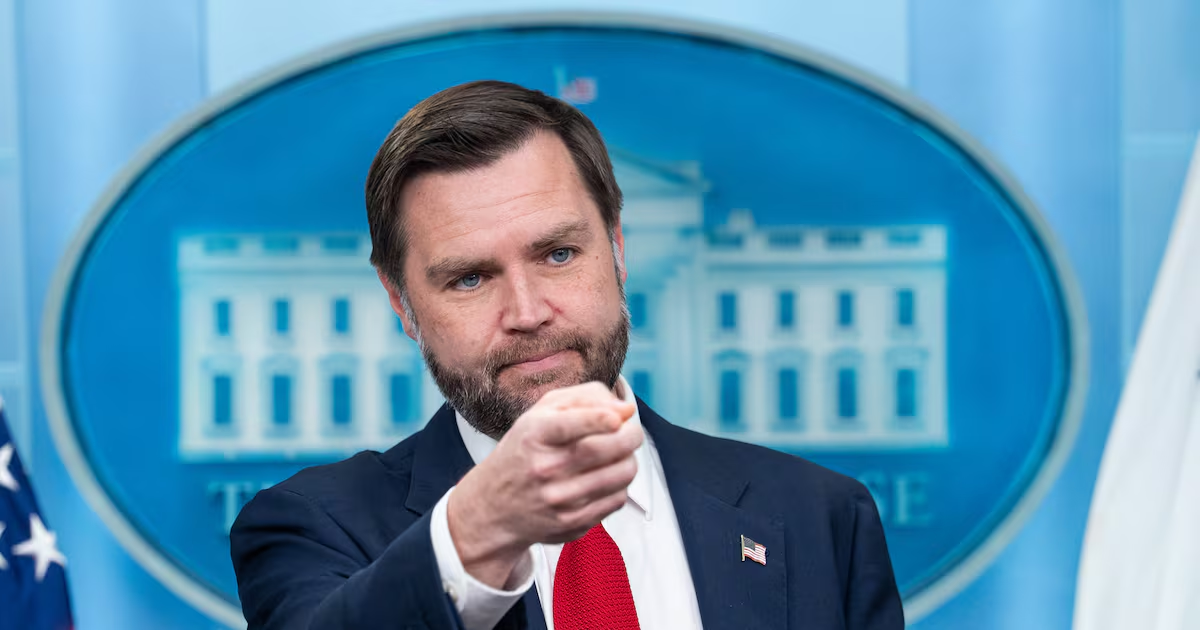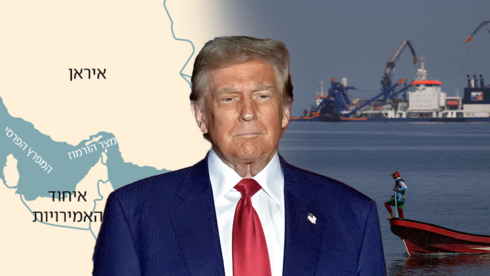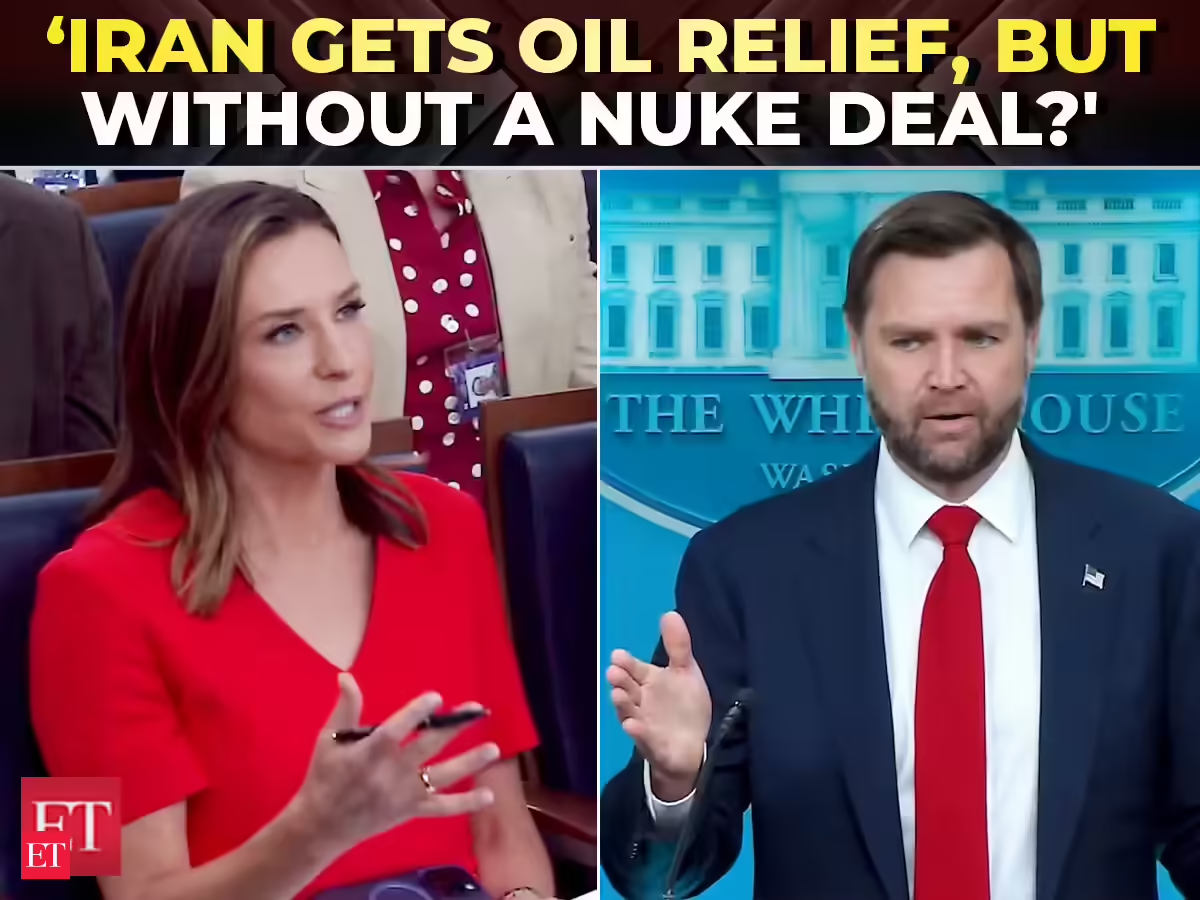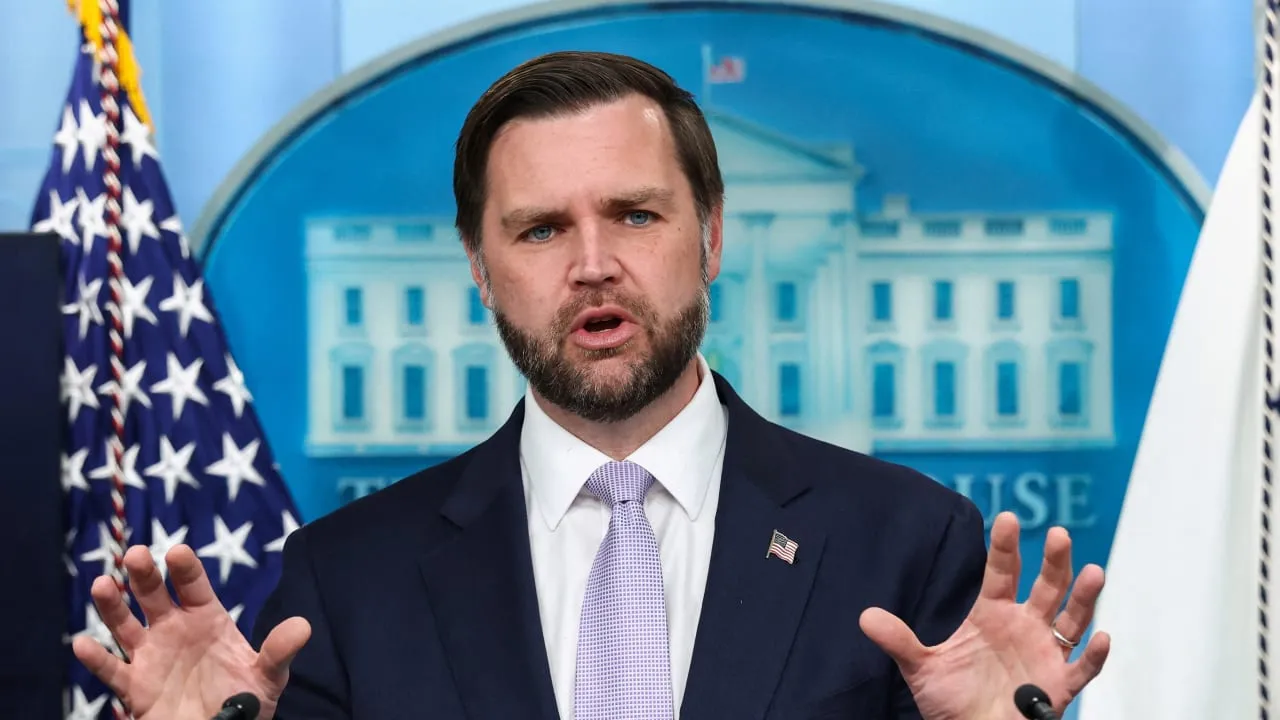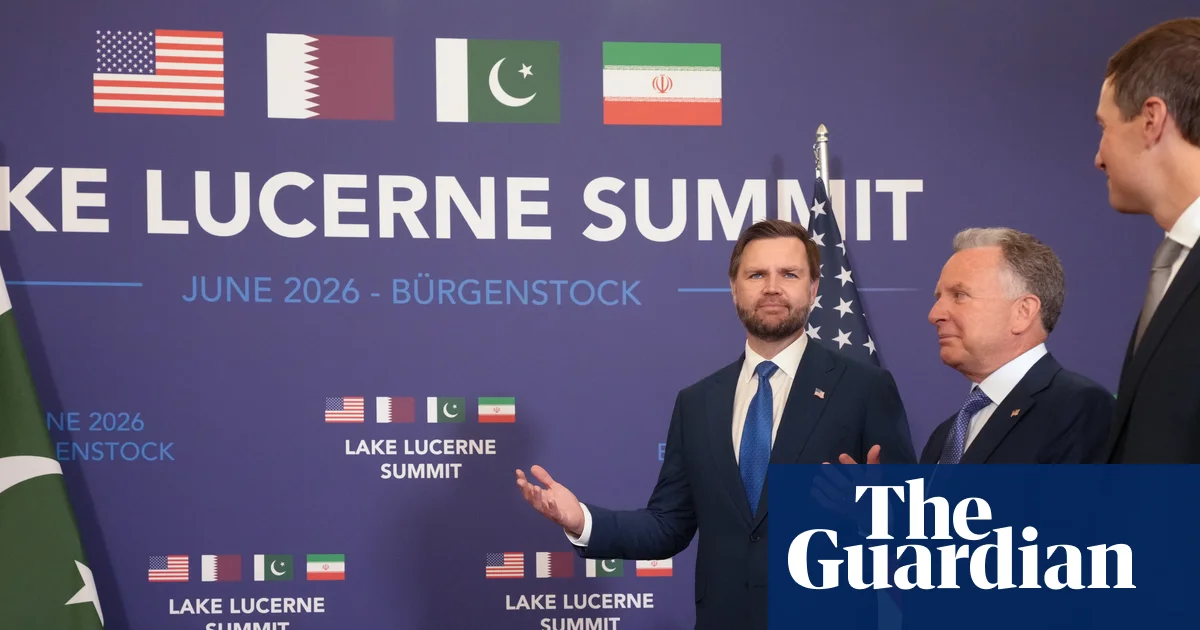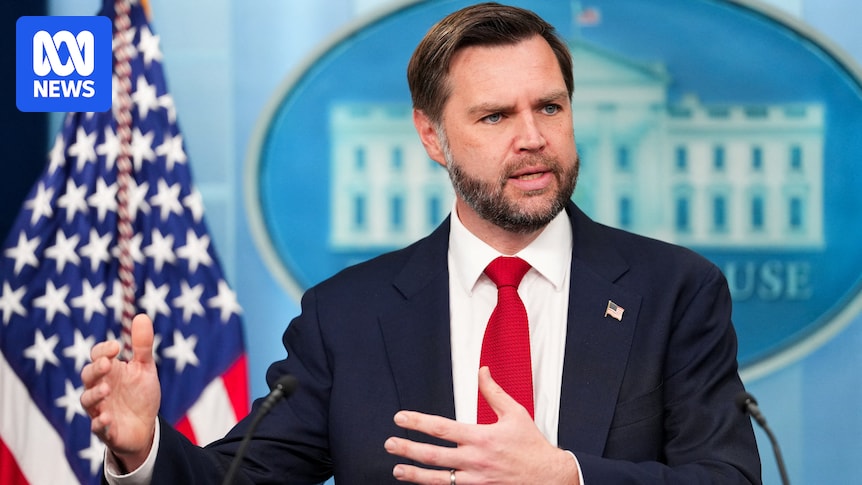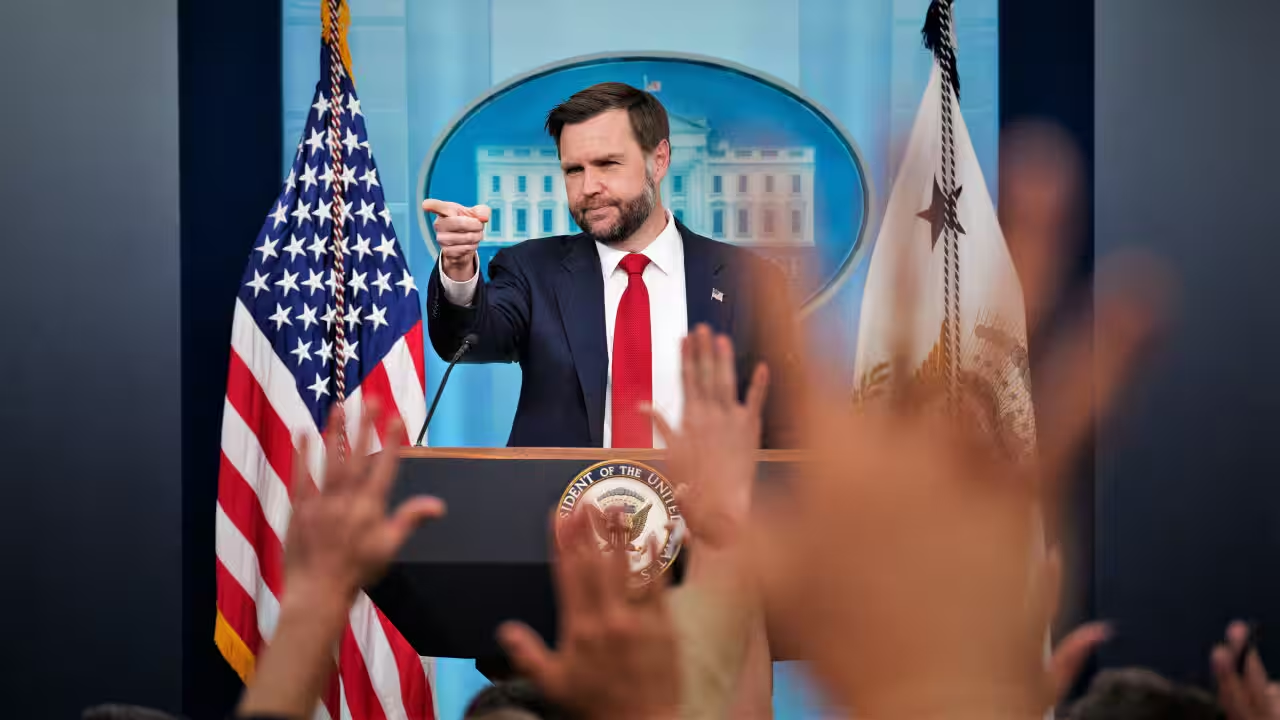
in briefMAGA allies have claimed the Iran deal is a significant improvement to the one secured under Obama.Critics, including in Israel, have lambasted the Trump administration's efforts.US President Donald Trump's deal with Iran has been sharply criticised by detractors in Israel as well as Republican hawks, who warn the agreement falls far short of the sweeping victory he promised. They said it could leave Tehran richer, stronger, and still able to threaten the region.The memorandum of understanding (MOU), signed by Trump in France on Thursday, aims to end months of conflict, reopen the vital Strait of Hormuz, and stabilise energy markets after a war that drove up oil prices and raised fears of a wider Middle East crisis.But the terms have alarmed some of the same Republicans who spent years denouncing former US President Barack Obama's 2015 nuclear agreement with Iran as dangerously weak.News that makes senseYour trusted source for staying up-to-date with the world around you. Get free daily news updates and analysis, straight to your inbox.They have voiced concerns that Trump is offering Iran sanctions relief, access to oil markets, and the prospect of a US$300 billion ($427.3 billion) reconstruction fund while failing to secure firm commitments on uranium enrichment, ballistic missiles, or the country's support for armed proxies. When he launched the war nearly four months ago, Trump said he aimed to destroy Iran's nuclear weapons program, end its ability to strike its neighbours, prevent it from supporting allied militants in the region, and make it possible for Iranians to topple their hardline leaders.Though he initially demanded Iran's "unconditional surrender," Trump ultimately signed the agreement with none of those objectives met.The deal gives negotiators 60 days to reach an agreement on the status of Iran's nuclear program and limit its long-range missiles.Traffic flows through Hormuz as deal takes effectOil tankers sailed through the Strait of Hormuz and the US said it lifted its blockade on Iran on Friday as the interim deal took effect.Oil prices dropped to their lowest level since the war began on 28 February, as analysts said exports through the strait — which handles about one-fifth of global oil supply — could return to normal in the coming months.US Vice President JD Vance said the 60-day window "officially started today" while addressing reporters at the White House on Friday.Asked what happens after the 60-day period in terms of governance of the Strait of Hormuz, Vance repeated the US view that the major supply route for oil and gas shipments should be free of tolls.Iran's Supreme Leader Ayatollah Mojtaba Khamenei said Trump signed the deal "out of desperation" and signalled that upcoming nuclear talks would not be easy."If the American side wants to be too demanding, we will not accept it," he said in a written message.Vance sharply rejects Israeli critics of US-Iran dealAsked at the White House news briefing about a report that Israeli Prime Minister Benjamin Netanyahu was fuming over the agreement, Vance said he had not heard such comments from Netanyahu but criticised members of the Israeli leader's cabinet, who he said have opposed the deal and personally attacked Trump."My message to them would be twofold. No. 1: Donald J Trump is the only head of state in the entire world who is sympathetic to the nation of Israel at this moment in time," Vance told reporters at the White House."If I was in the cabinet of the Israeli government, I might not be attacking the only powerful ally that I have anywhere left in the entire world."He said he would also remind those cabinet members that two-thirds of the defensive weapons that have protected Israel "have been built by American hands and paid for by American tax dollars".Trump has repeatedly criticised longtime ally Israel, spiking tensions nearly four months after the two countries partnered to attack Iran.The US provides Israel with roughly US$4 billion ($5.7B) in military assistance a year, but the two countries are negotiating a new aid agreement."The problem for Israel is not Donald J Trump and anybody in Israel who thinks their biggest problem is the president of the United States needs to wake up and smell the reality of the situation that country is in," Vance said.Netanyahu's office and Israel's foreign ministry did not immediately respond to a request for comment.Israeli senior officials, speaking anonymously, have said the deal terms were bad for Israel because they failed to address concerns over Iran's nuclear and ballistic missile program, a view they say is shared across Israel's leadership.In his first comments since the deal, Netanyahu said at a public event that Israel appreciated its relationship with the US but would continue to occupy southern Lebanon to maintain security for citizens living near Israel's northern border."This requires maintaining the security strip in southern Lebanon; it requires that we not leave there as long as Israel's security needs require it," Netanyahu said.Hours after the US and Iran signed their agreement on Thursday, an Israeli drone strike in south Lebanon killed one person.Israel published a map on Thursday showing an expanded military control zone in southern Lebanon and said it would not rule out carrying out attacks beyond it, challenging the terms of the US-Iran pact.Israel's ultranationalist National Security Minister Itamar Ben-Gvir, a linchpin in Netanyahu's governing coalition, has harshly rebuked the US-Iran deal and insisted Israeli troops would remain in Lebanon.Vance criticised Ben-Gvir and Finance Minister Bezalel Smotrich in a New York Times interview released earlier on Thursday."What is your exact proposal? You're a country of nine million people. You can't just kill your way out of solving every single national security problem that you have," Vance said.'Art of the Disaster'The deal restates Iran's pledge not to seek a nuclear weapon but does not require an immediate halt to enrichment or the surrender of highly enriched uranium stockpiles.Republican Senator Bill Cassidy wrote on X that former president and Republican icon Ronald Reagan would be "rolling over in his grave," calling the agreement "the worst foreign policy blunder in decades.""Before the war, the strait was open, Iran was being crushed by sanctions, and 13 service members were still alive," he said. "Now, 13 Americans are dead, families have paid billions at the pump, sanctions will be lifted, and the bombing has stopped."Republican Senator Ted Cruz urged Trump not to "suddenly come in with massive buckets of cash to let them rebuild and become a threat to America again.""I don't want to see theocratic Islamists who want to kill us made stronger. So if this deal is giving them $300 billion, that's a mistake," he said.Texas Senator John Cornyn told reporters he was concerned the accord could be little more than "an intermission," leaving Iran able to rebuild its arsenal and keep enriching uranium.Other Trump allies urged patience.Senator Lindsey Graham said the deal opened the Strait of Hormuz, suspended hostilities, and created space to test whether diplomacy could curb Iran's nuclear ambitions."I doubt if they can — on the nuclear program, but why not try?" Graham said, according to US publication, The Hill.Democrats, who are united in opposition to the deal, argue that Trump launched a costly war only to accept a deal that largely restores the pre-war status quo while handing Iran new leverage."Everyone who bought Trump's book 'The Art of the Deal' ought to ask him for a refund because what Trump has done in Iran is 'The Art of the Disaster,'" the Senate's top Democrat, Chuck Schumer, said in a floor speech.— With additional reporting from the Reuters news agency.For the latest from SBS News, download our app and subscribe to our newsletter.
US struggles to defend Iran deal as 60-day negotiation period begins
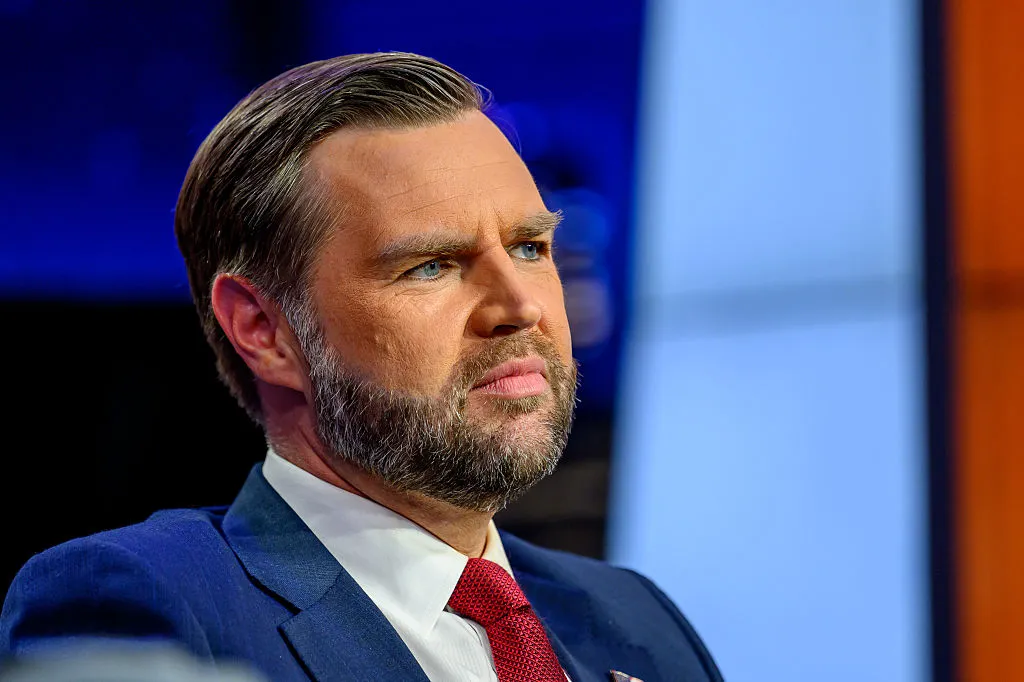
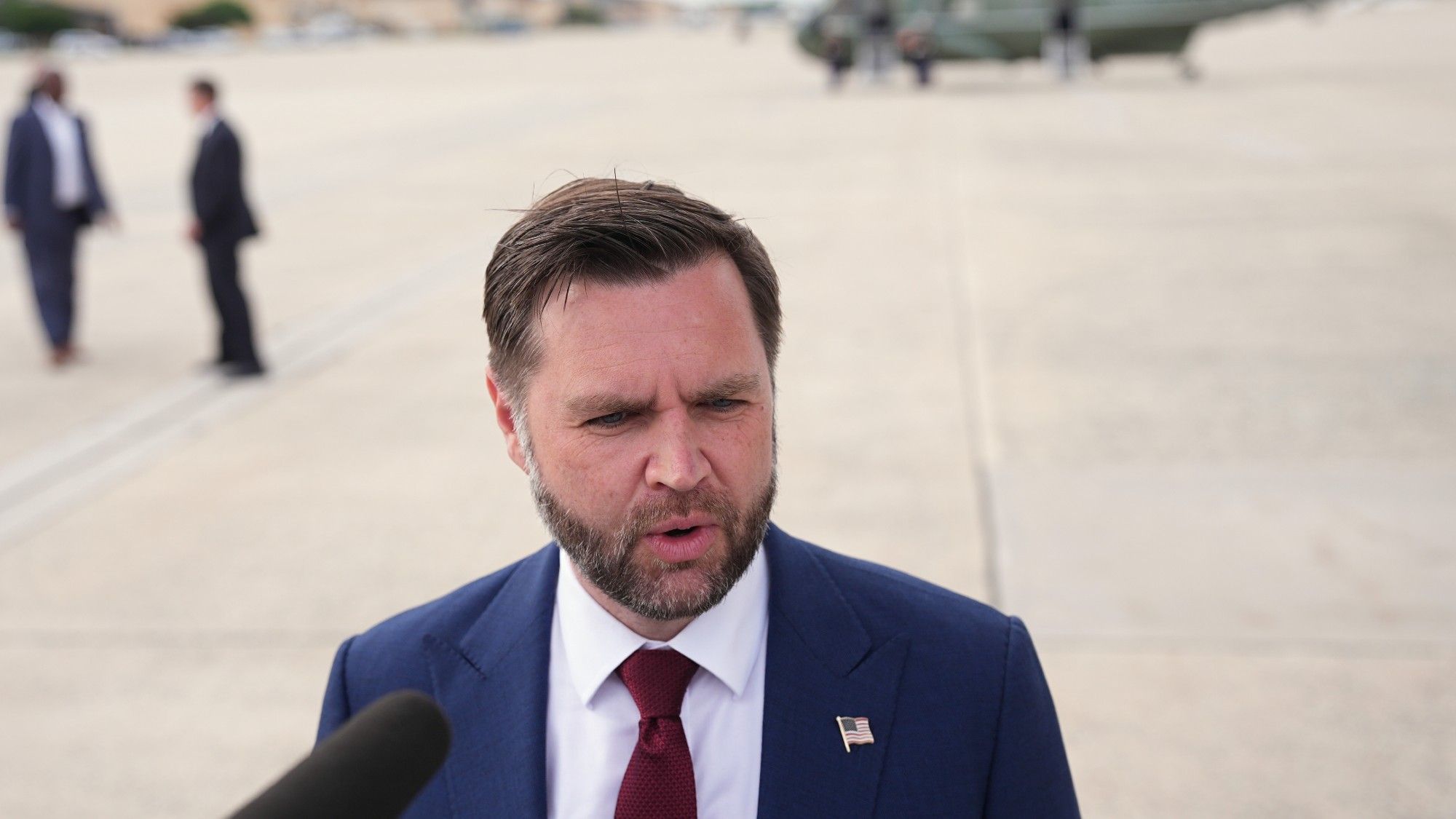
Vice President JD Vance has been on a media tour defending Donald Trump's negotiations with Iran.
TL;DRAI
Trump's 60-day Iran pact lifts sanctions and unlocks $300B reconstruction but lacks uranium, missile, and proxy curbs—Israeli critics warn of escalation risk. Geopolitical volatility threatens energy costs and tech supply chain stability during the negotiation window.
1,263 words~6 min read