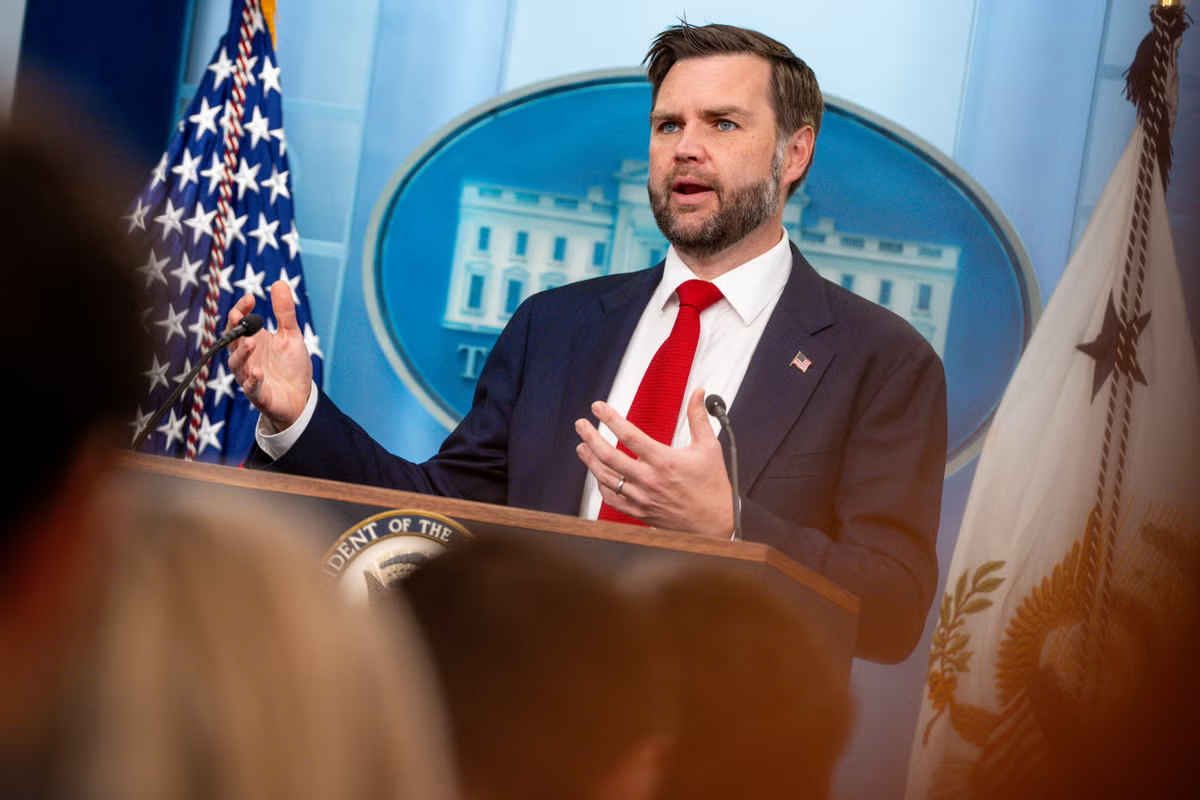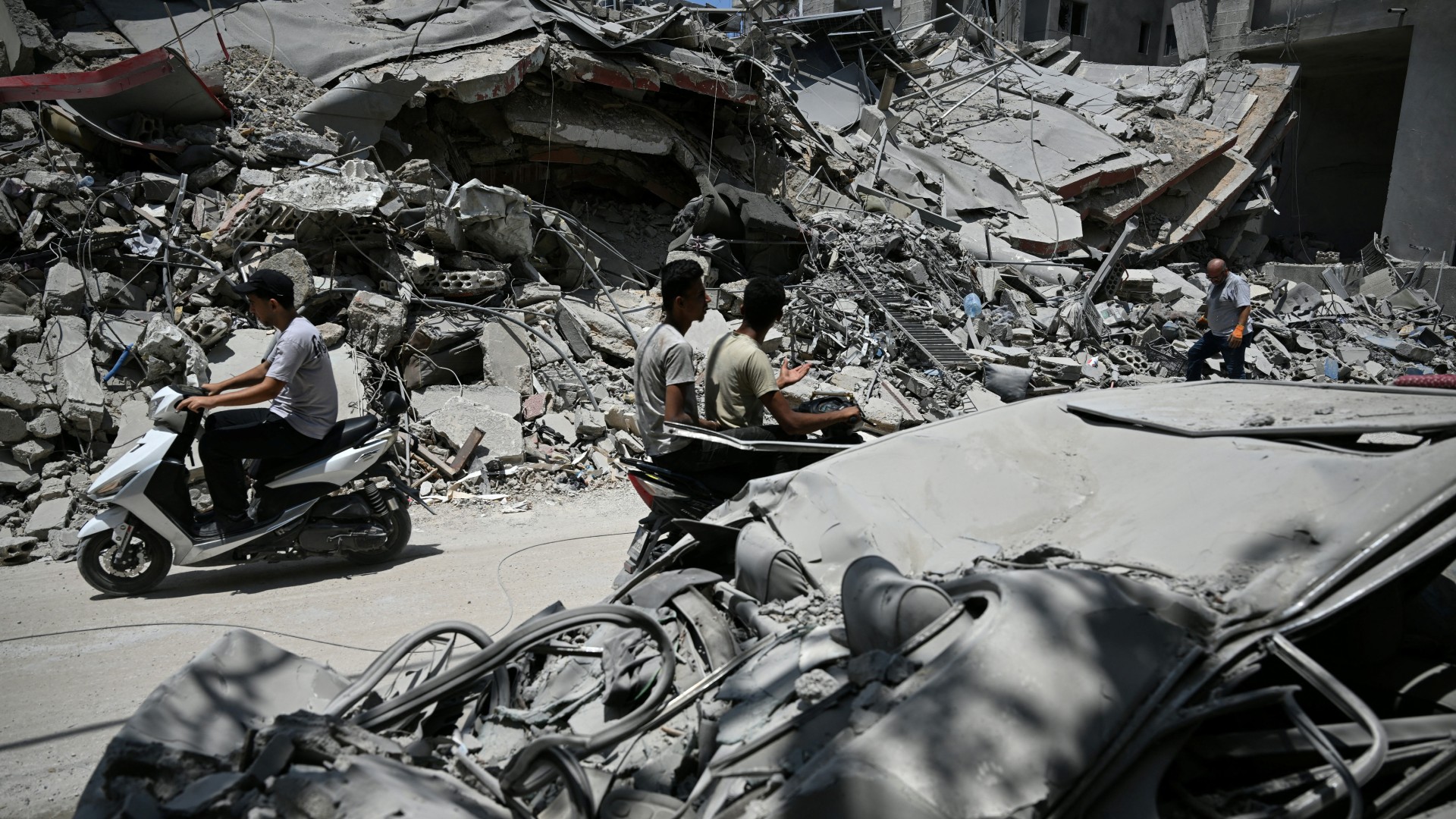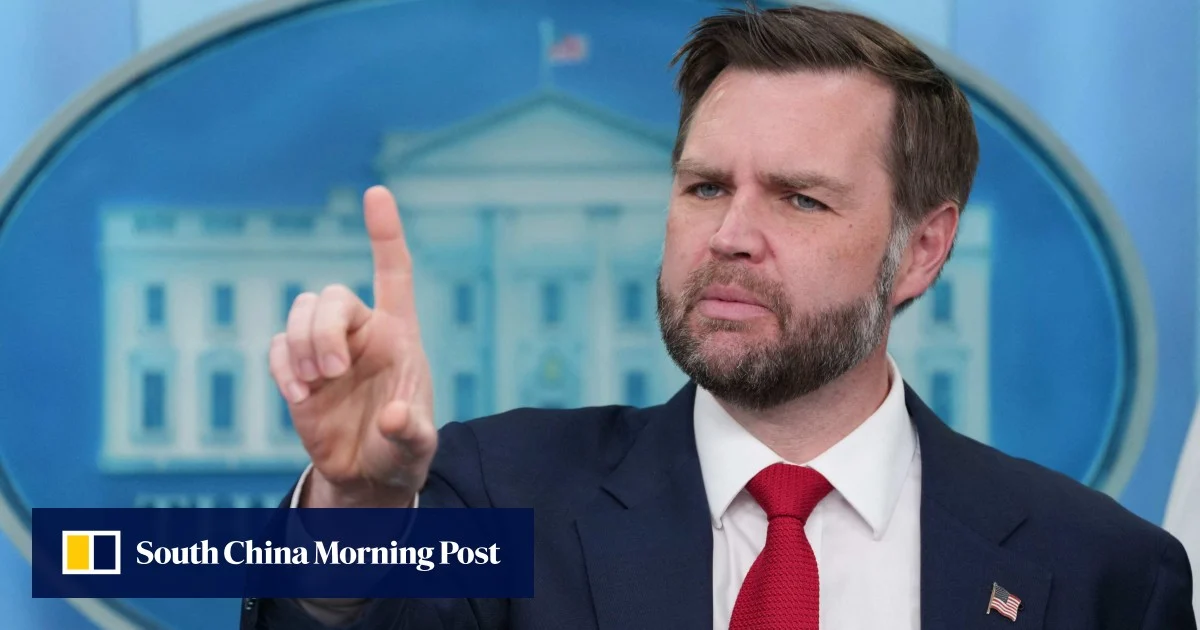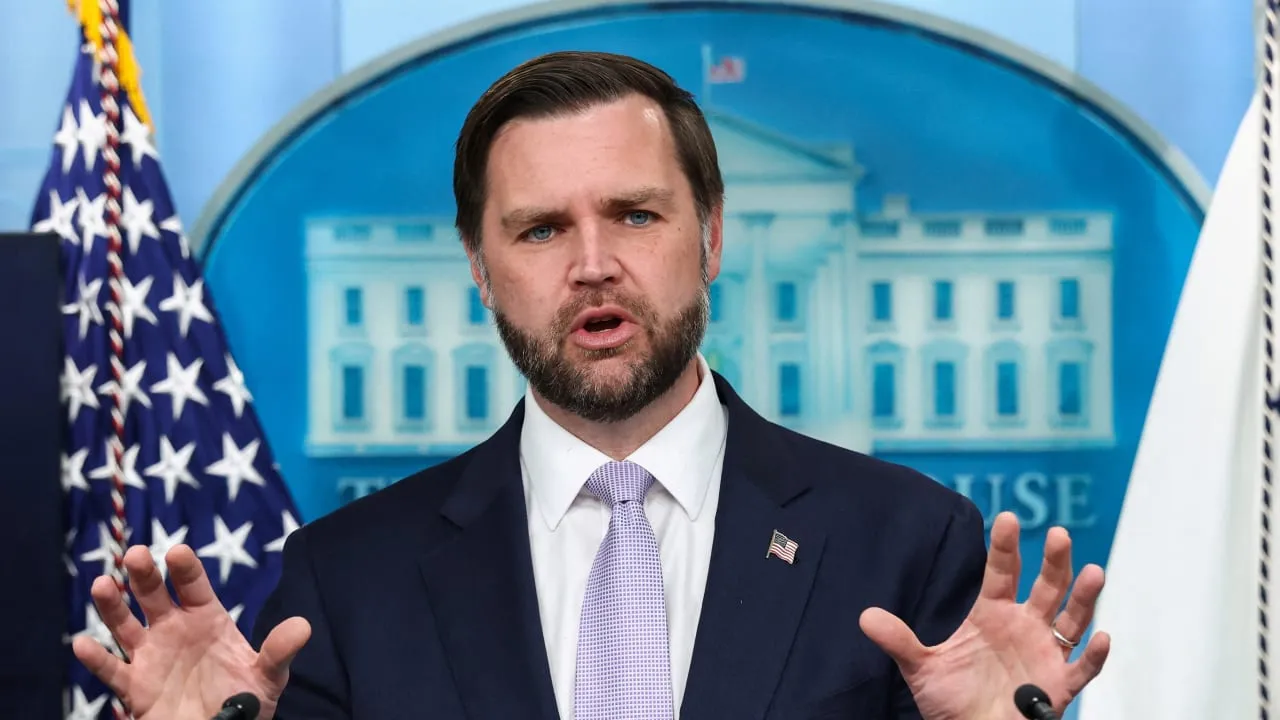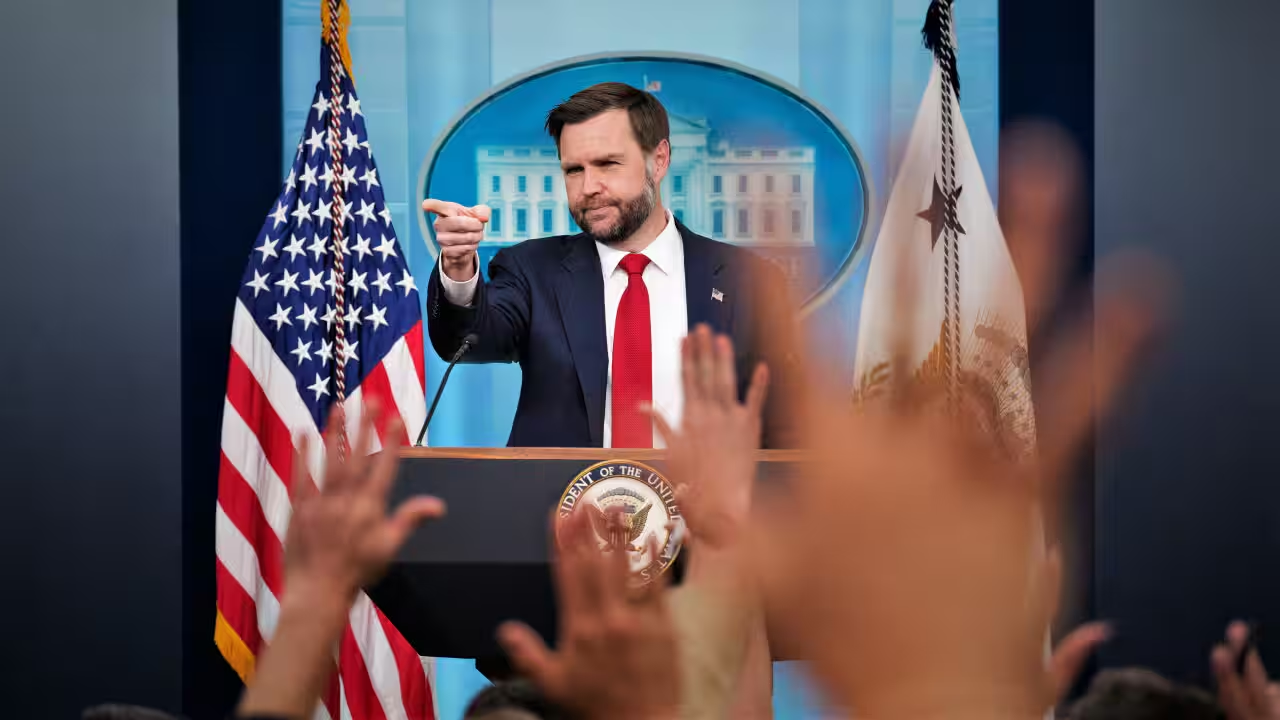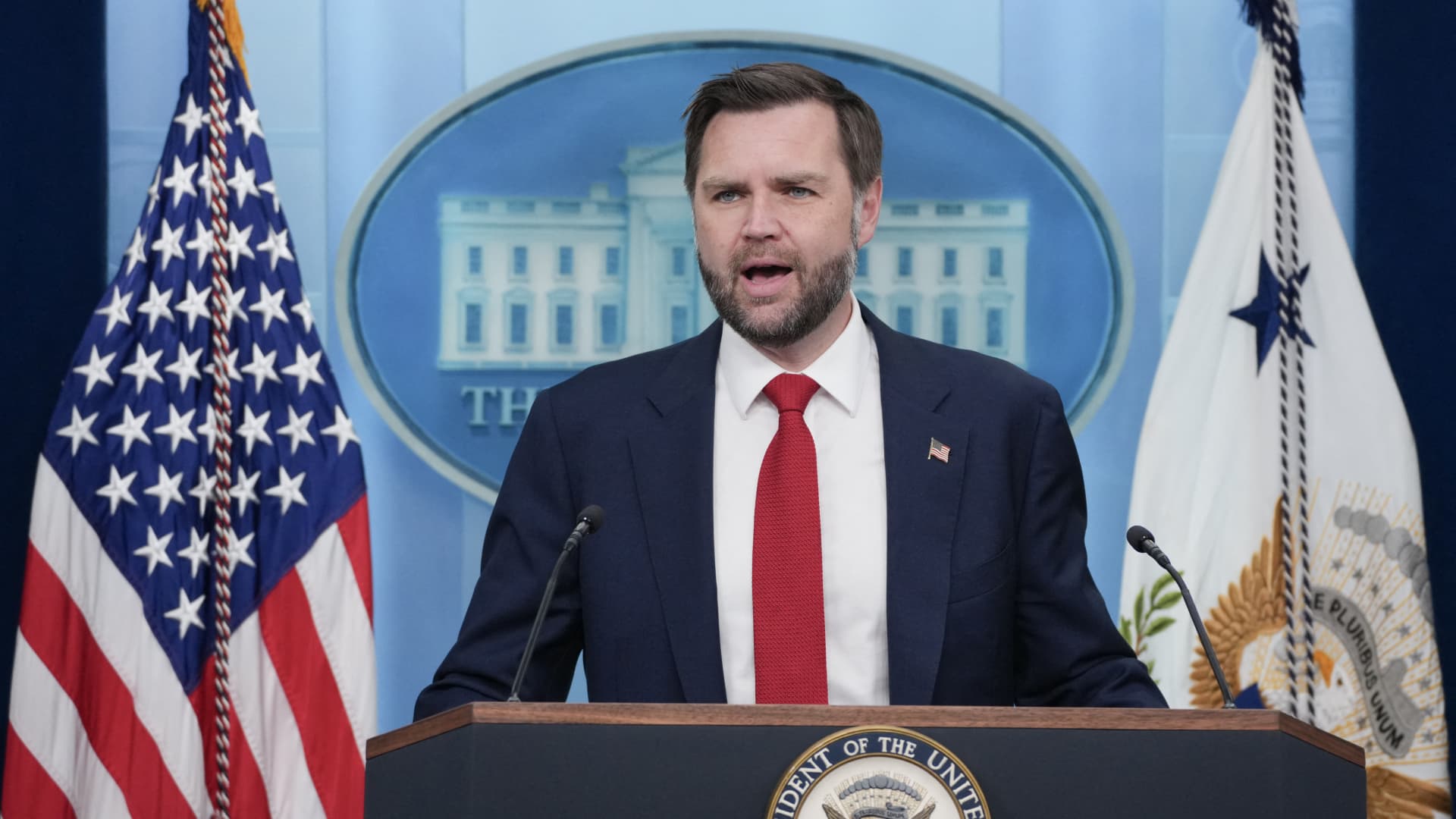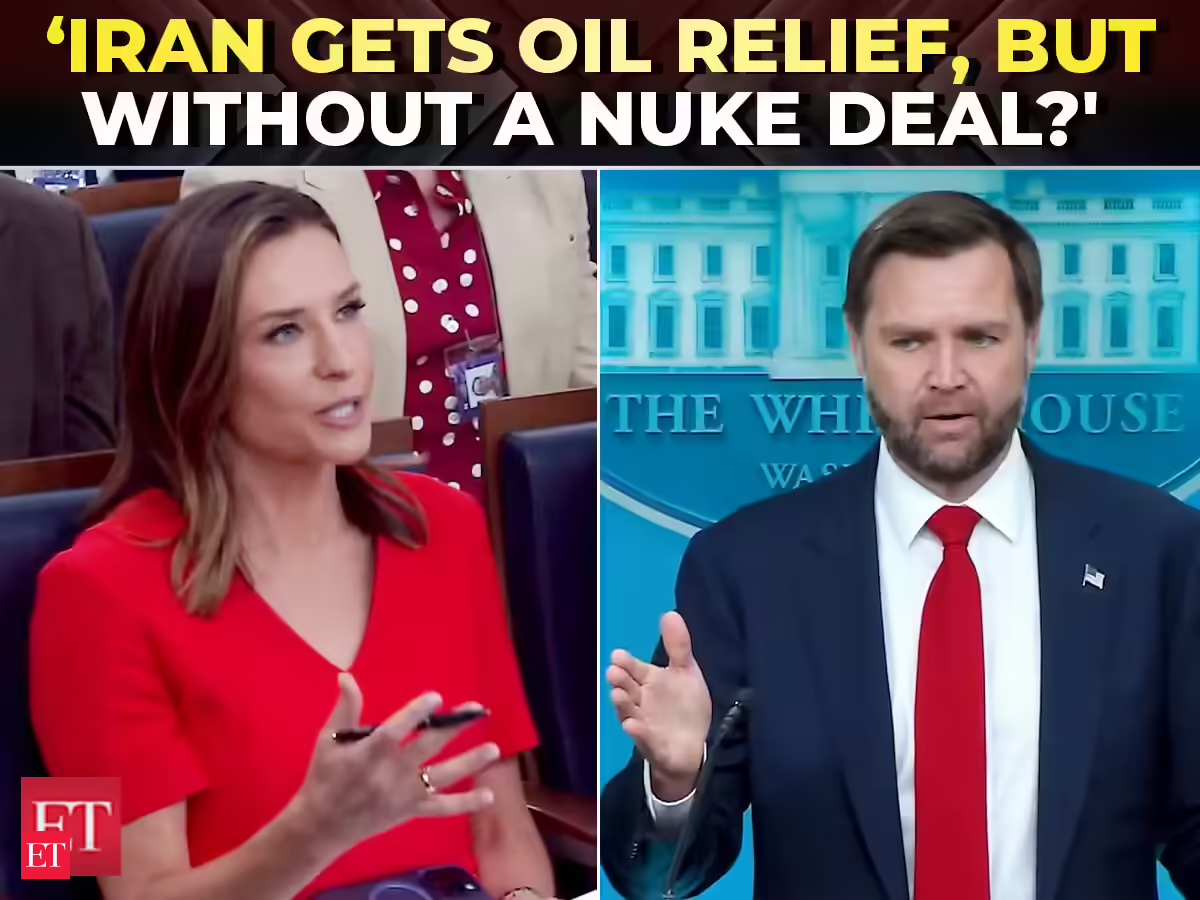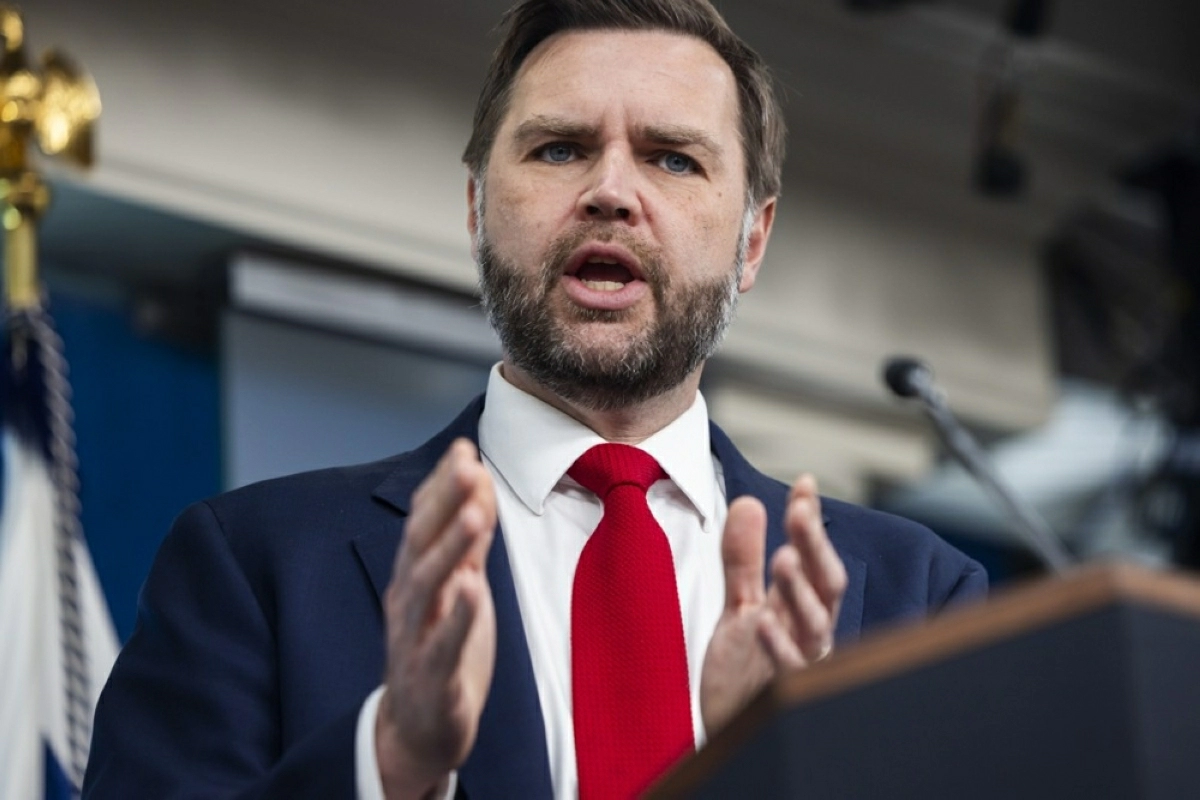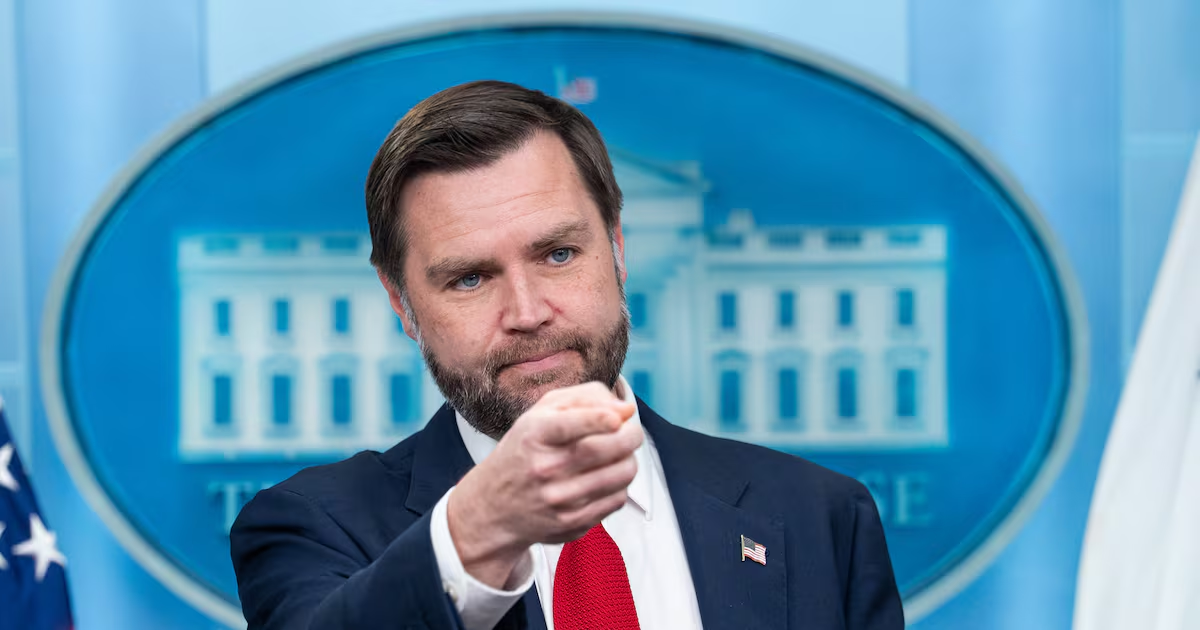
President Donald Trump's administration on Thursday mounted a defence of its peace agreement with Iran, seeking to persuade a sceptical American public that the deal marks a decisive break from the Obama-era nuclear accord negotiated more than a decade ago.Speaking to reporters at the White House, Vice President JD Vance cast the agreement that ended the months-long war with Iran not as a concession, but as a deal negotiated from a position of military and political leverage.He was repeatedly pressed on how the arrangement differed from the 2015 nuclear agreement negotiated under former president Barack Obama, which Mr Trump had long criticised and later abandoned.“The Obama deal allowed enrichment. Ours will not,” Mr Vance said. “The Obama deal gave them over a billion dollars of American money. This deal gives them zero dollars of American money.”He added that support from Gulf allies underscored the strength of the agreement. “The most important differences are where we’re coming at it from a position of strength and the fact that our Gulf coast partners love this deal,” he said.Mr Vance also addressed rising friction with Israel’s leadership, particularly Prime Minister Benjamin Netanyahu, amid criticism that the White House is moving too quickly to end military operations.“Donald J Trump is the only head of state in the entire world who is sympathetic to the nation of Israel at this moment in time, and he happens to be the head of state of the world's superpower,” he said. “If I was in the cabinet of the Israeli government, I might not be attacking the only powerful ally that I have anywhere left in the entire world.”In unusually blunt language towards a major US ally, Mr Vance added: “Anybody in Israel who thinks their biggest problem is the President of the United States needs to wake up and smell the reality of the situation that country is in.”Mr Trump engaged in rare criticism of Israel on Tuesday, saying that it had been fighting Hezbollah for “too long and too many people are being killed”.When Mr Trump started the war alongside Israel on February 28, he said it would last only a few weeks. The move was risky even then. The US President had returned to office pledging to lower prices, avoid new foreign entanglements and end wars rather than start them. Instead, the conflict stretched on for nearly four months, disrupted shipping through the Strait of Hormuz, pushed energy prices higher, and fuelled concerns about inflation and economic growth.Polling showed sustained public opposition to the war and continued disapproval of Mr Trump’s handling of it. While Mr Trump cannot run for another term, the political consequences are expected to weigh heavily on Republicans heading into November’s midterm elections, where control of Congress is at stake.What was initially framed as a short military operation of “four to five weeks” quickly expanded after Israel opened a second front in Lebanon in early March, attacking Hezbollah positions and carrying out strikes deep in southern Lebanon and even Beirut. The fighting has killed thousands and displaced more than a million people. The Lebanon front soon became one of the main obstacles to diplomacy, with Iranian officials saying that progress in talks in Washington depended on securing a ceasefire.Despite the agreement with Iran, the situation in Lebanon remains unresolved, with Israeli leaders refusing to withdraw from areas seized during the conflict and maintaining that they retain the right to strike if Hezbollah threatens Israel.“This is about regional peace, and what that means is we expect Hezbollah is not going to be firing rockets and firing drones at the Israelis, and we also expect that the Israelis are not going to be going wild in Lebanon, right?” Mr Vance said. “Both sides have to honour their end of the deal. Now, as you guys know, sometimes these ceasefires are a little messy.”Throughout the war, Mr Trump alternated between threats of renewed strikes and claims that a broader diplomatic breakthrough was imminent. Mr Vance, meanwhile, has played an unusual role in the administration’s exit from the conflict. Before becoming the public face of the negotiations, he was viewed as one of the more sceptical senior figures on US involvement in the war. He was later dispatched to lead early talks in Islamabad aimed at finding a settlement. The effort did not succeed. On Wednesday, Mr Trump said he would only take credit for the peace deal if it succeeds. “If it doesn’t work out, I’m blaming JD,” he said at the G7 in France. “You better be careful, JD.”Asked whether he feared being made the “fall guy” should the agreement falter, Mr Vance responded: “No, not at all, I think the President was joking, as he often does.”
Vance tries to sell sceptical American public on new Iran deal | The National
Vice President says agreement reflects US strength and pushes back against criticism from Israel
785 words~4 min read