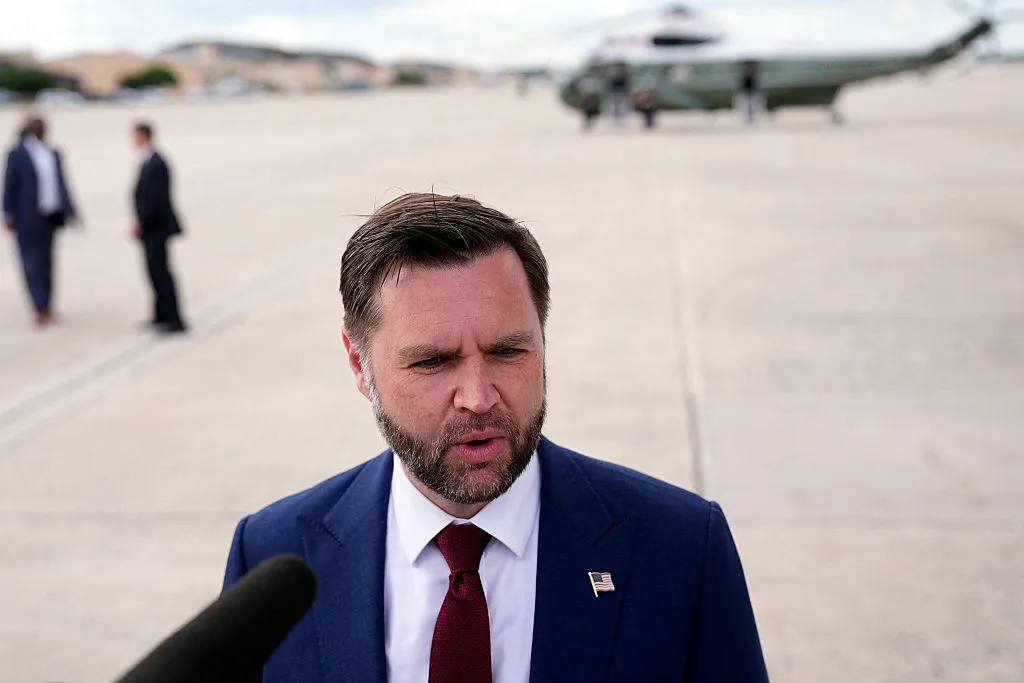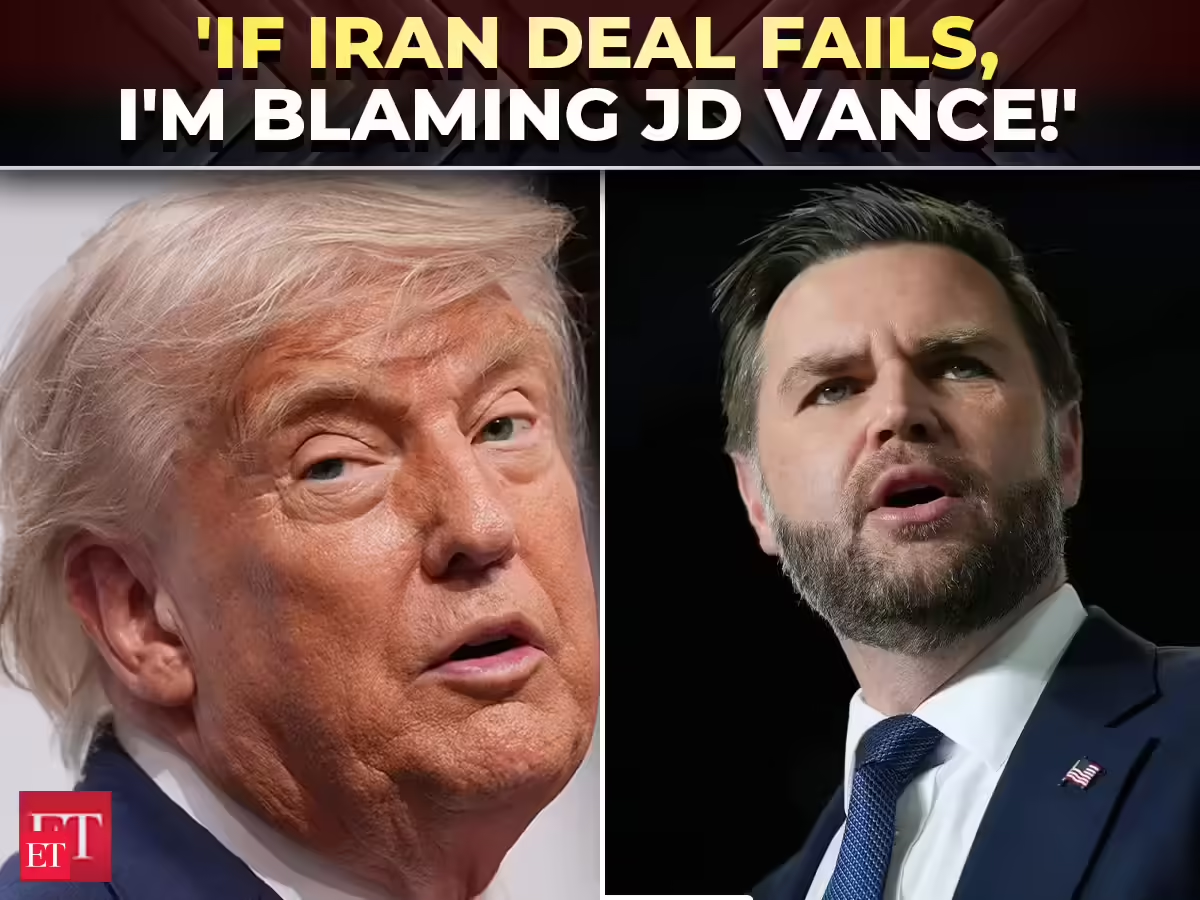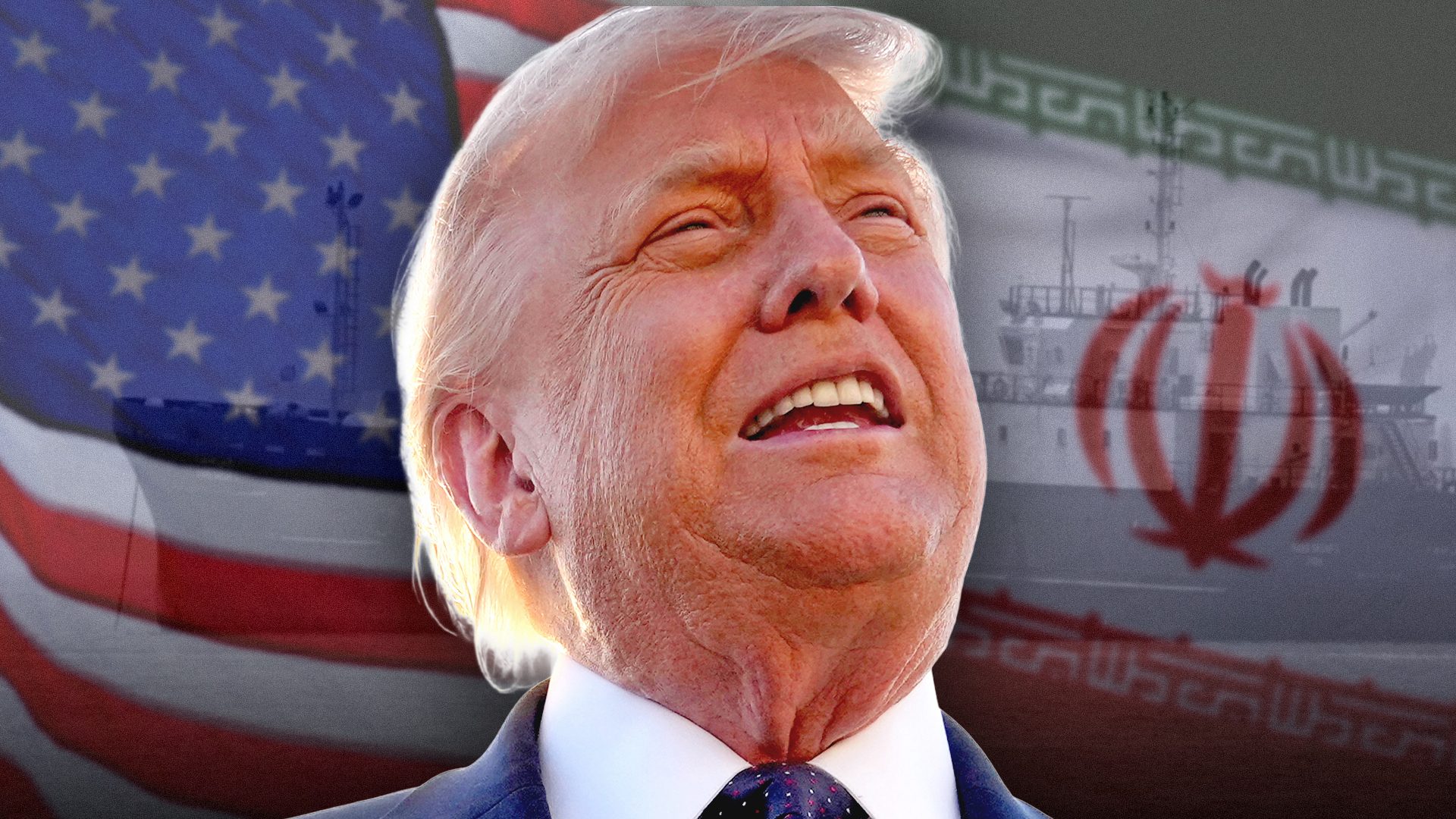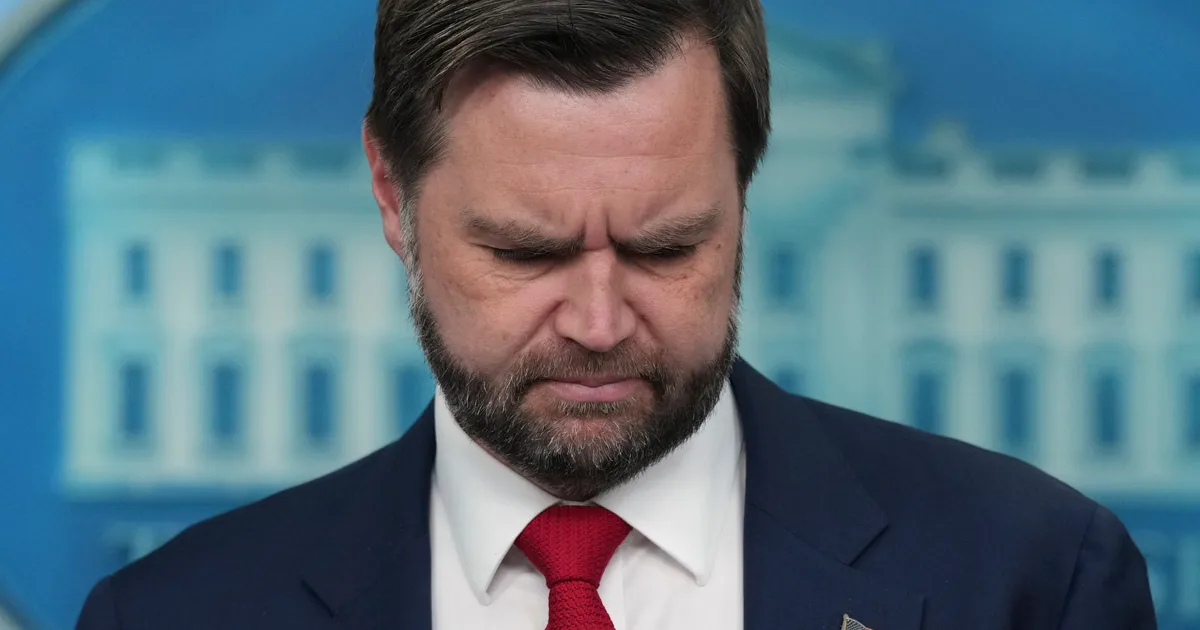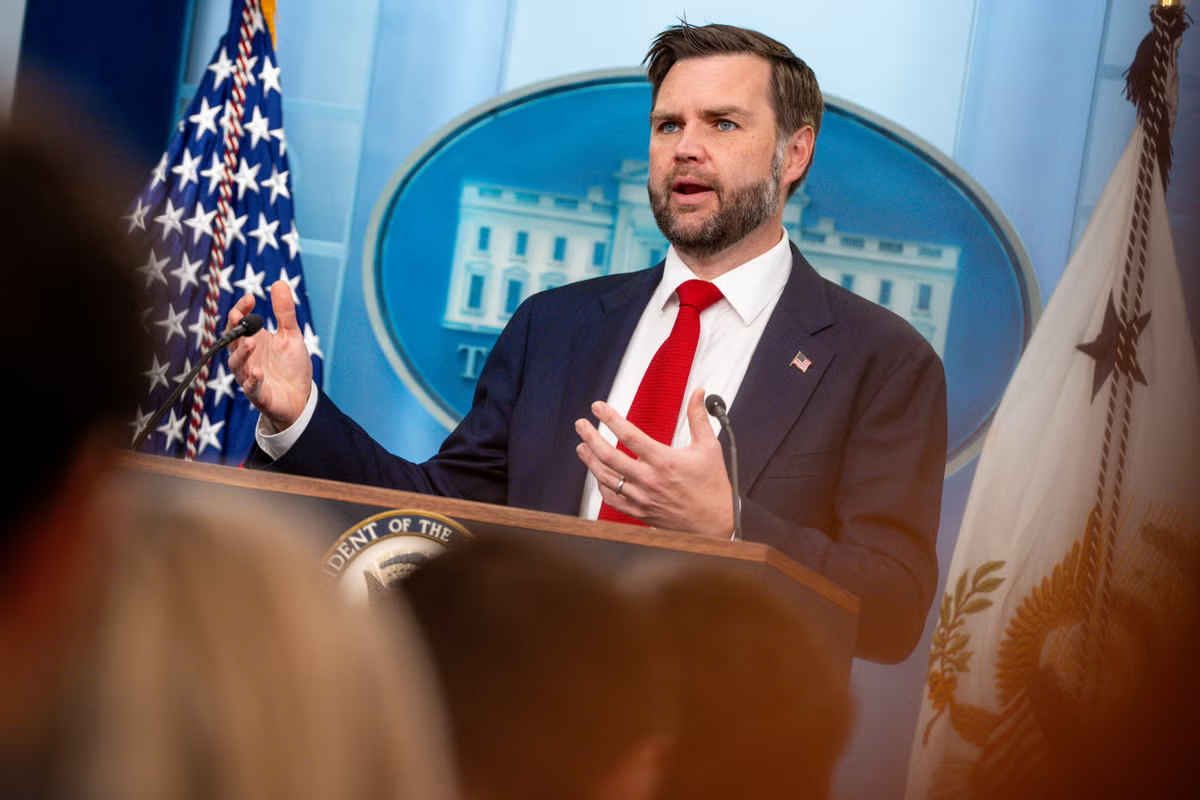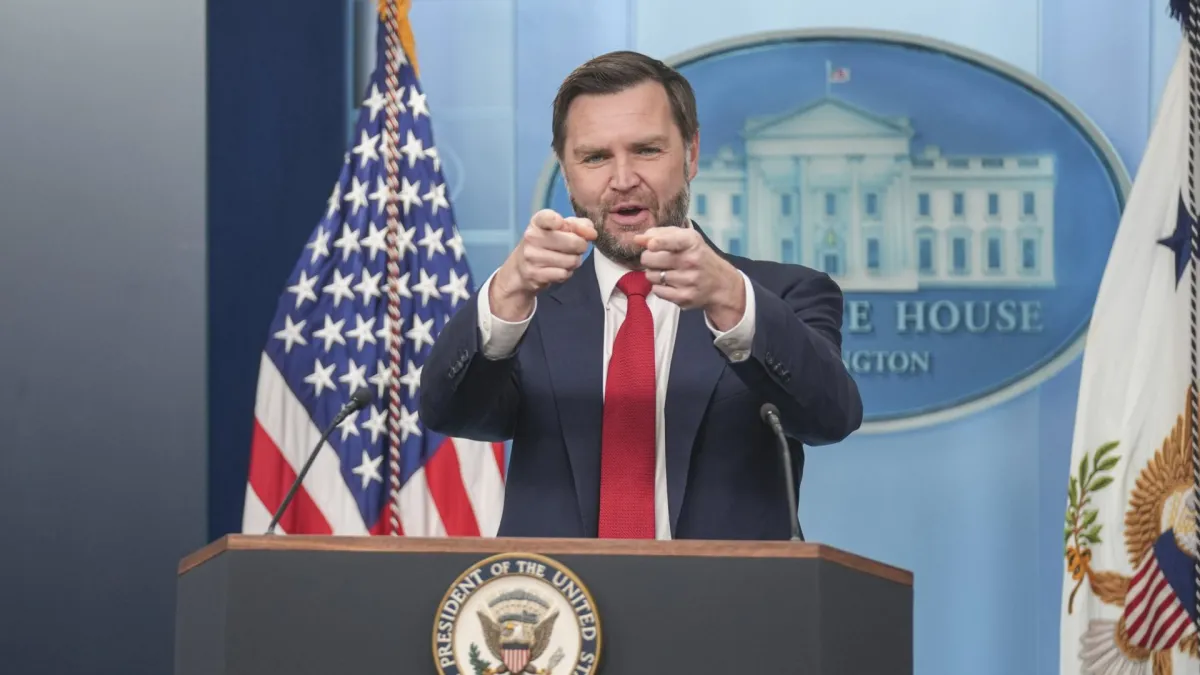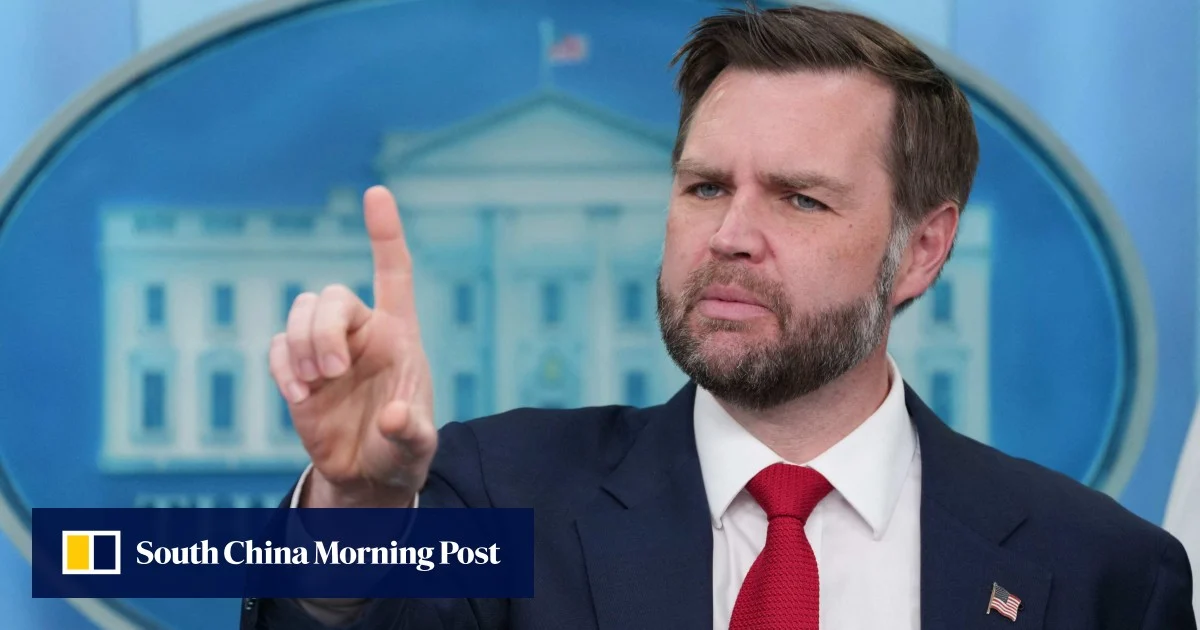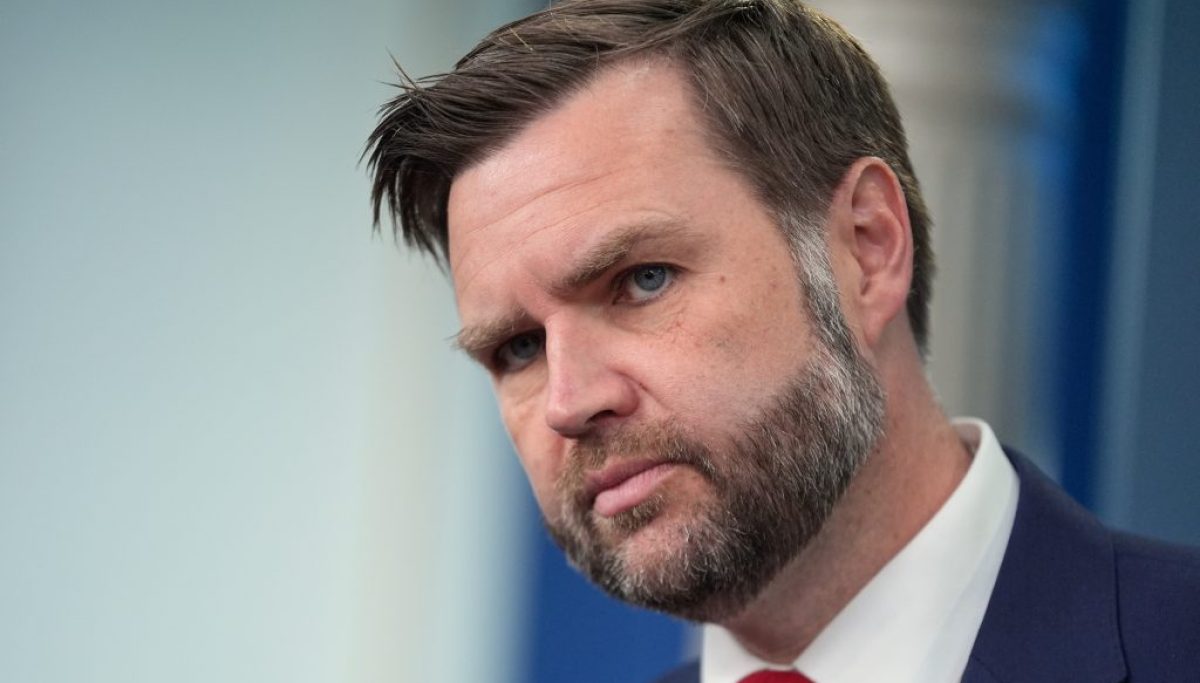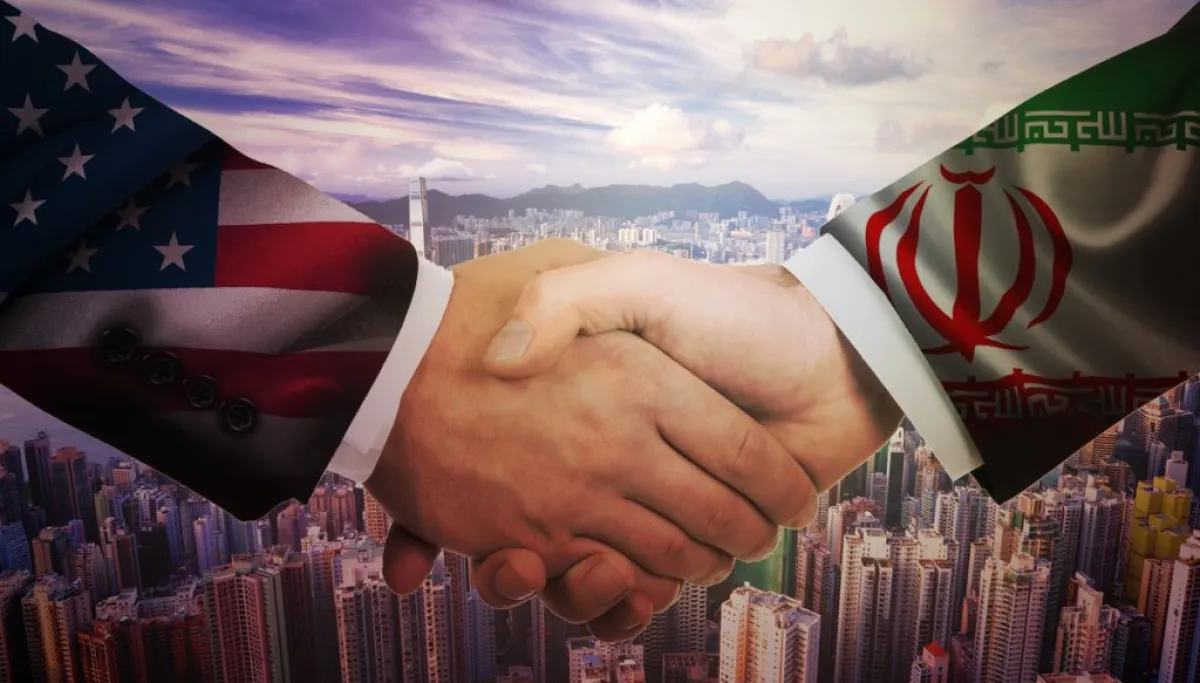
Vice President JD Vance was the point person in negotiating the U.S.-Iran memorandum of understanding and has since become the face of that agreement. At his press conference on June 18, Vance tried to mask the realities of the U.S.-Iran MOU in ambiguities and contradictions. The vice president repeatedly said all the benefits given to Iran would be conditioned by its “performance,” never identifying what “performance” he sought to change. We have an abundance of examples of Iran’s misbehavior, but they are conspicuously absent in the MOU. Iran’s support for militia proxies is not mentioned, its sponsorship of hit squads of dissidents is not broached, and its storehouse of ballistic missiles is excused as a right of self-defense. Vance also boasted that “we have all the cards,” despite a guarantee that Iran would quickly reap tens of billions of dollars in frozen assets merely by signing the MOU. Iran’s use of the Strait of Hormuz to blackmail the international community poses an even more vexing question with regard to whose political leverage carries the day. If the United States holds “all the cards,” as Vance claims, why do we jump so quickly to the negotiating table every time Iran threatens to close the strait?
Trump-Vance Iran memorandum: The disgrace of the deal
Should the Iran deal be realized in its current form, it will forever stain the Trump presidency as an abject defeat, and will reflect on the rest of us.
580 words~3 min read