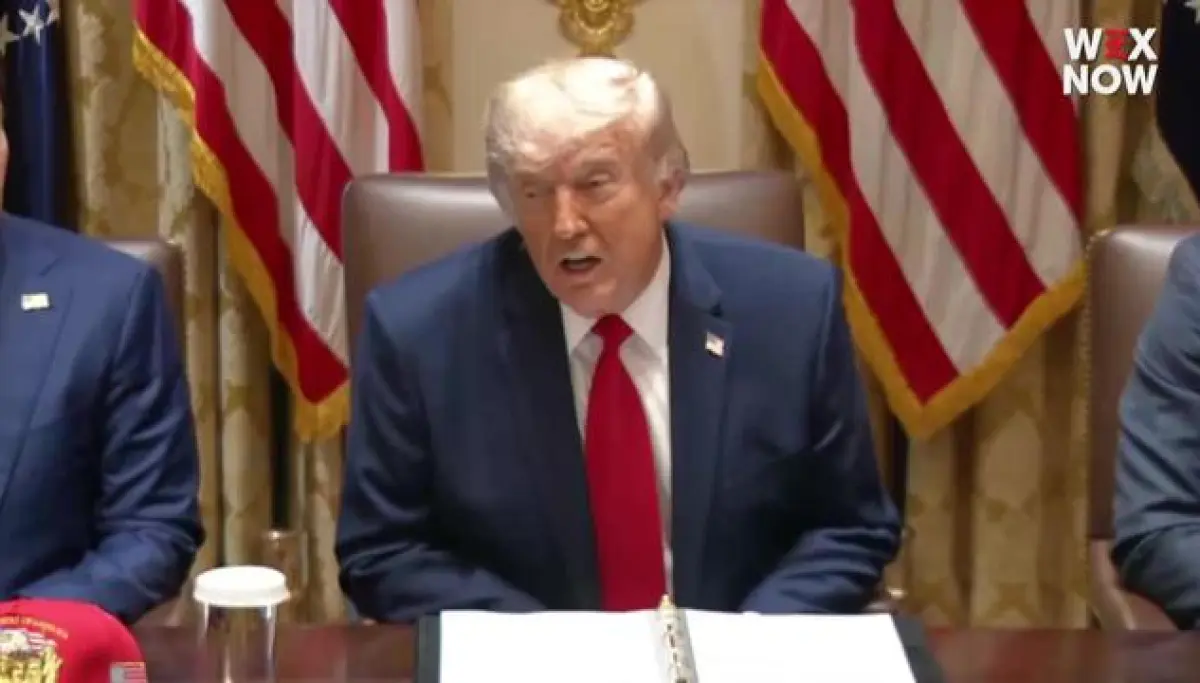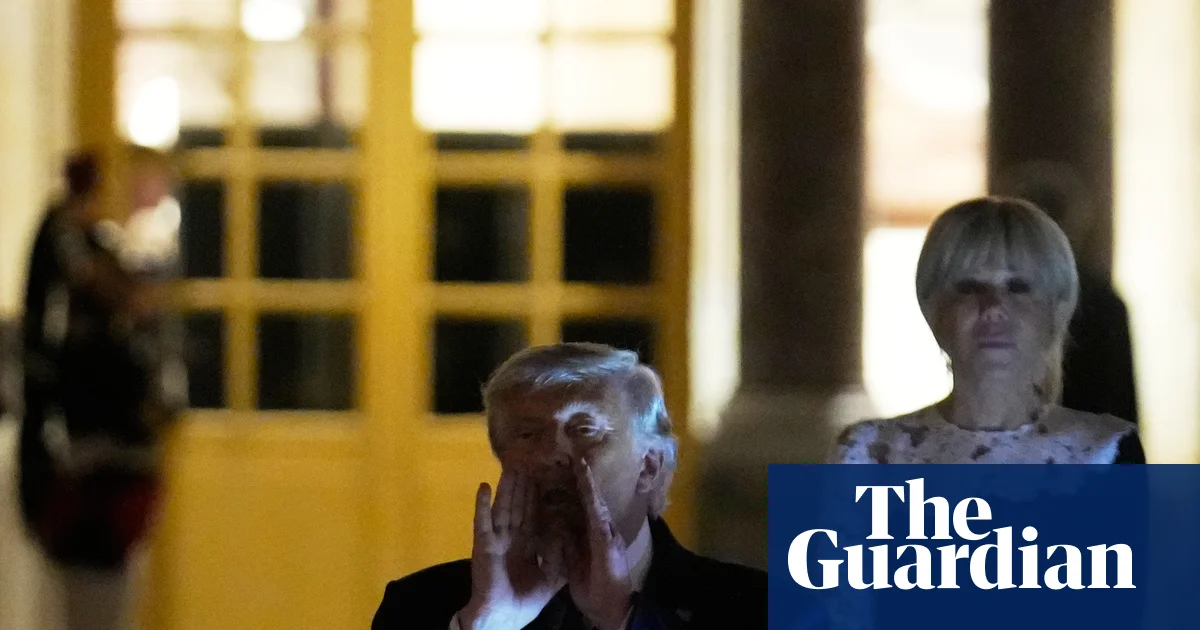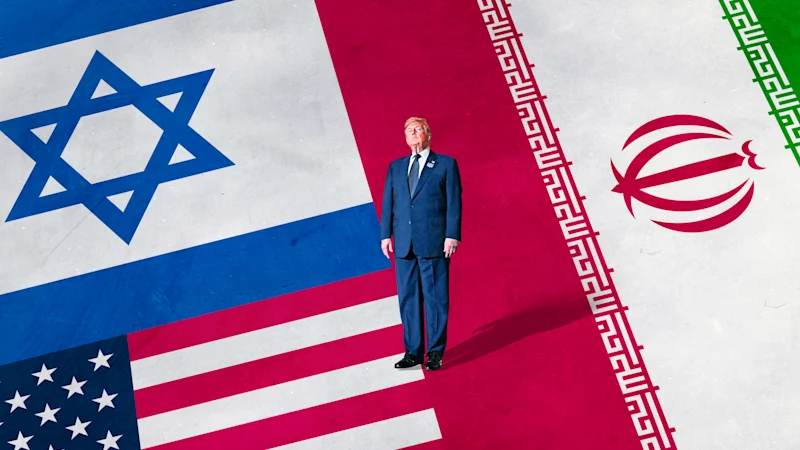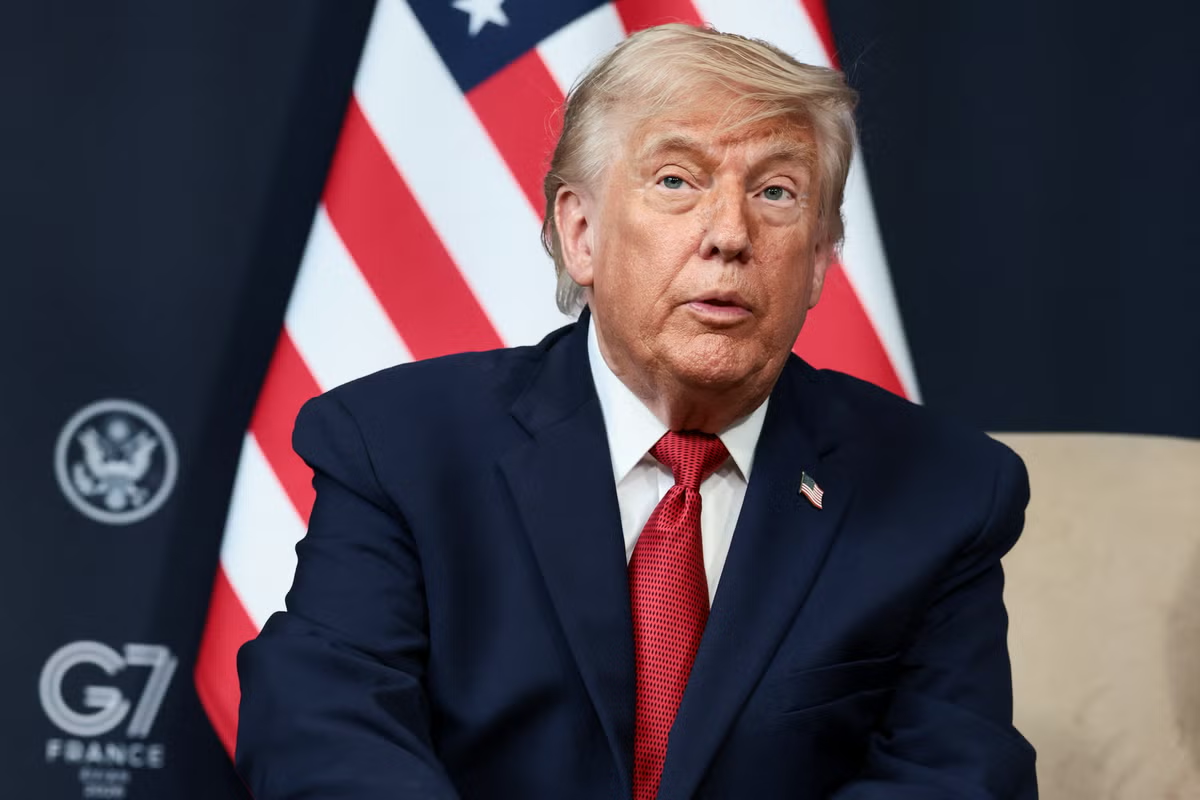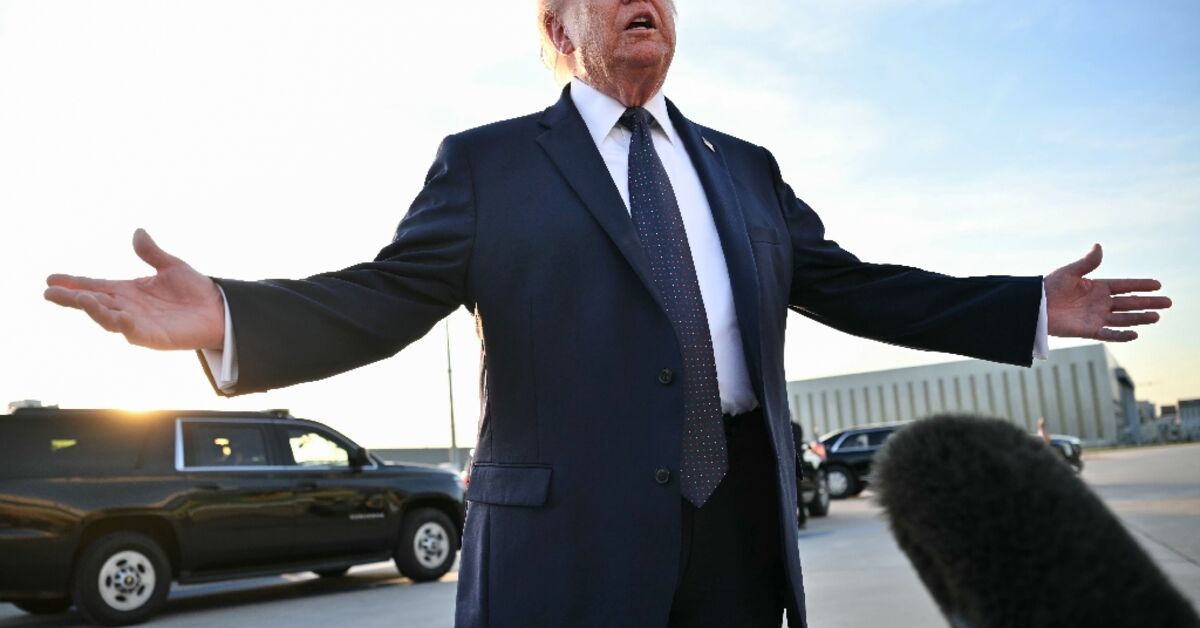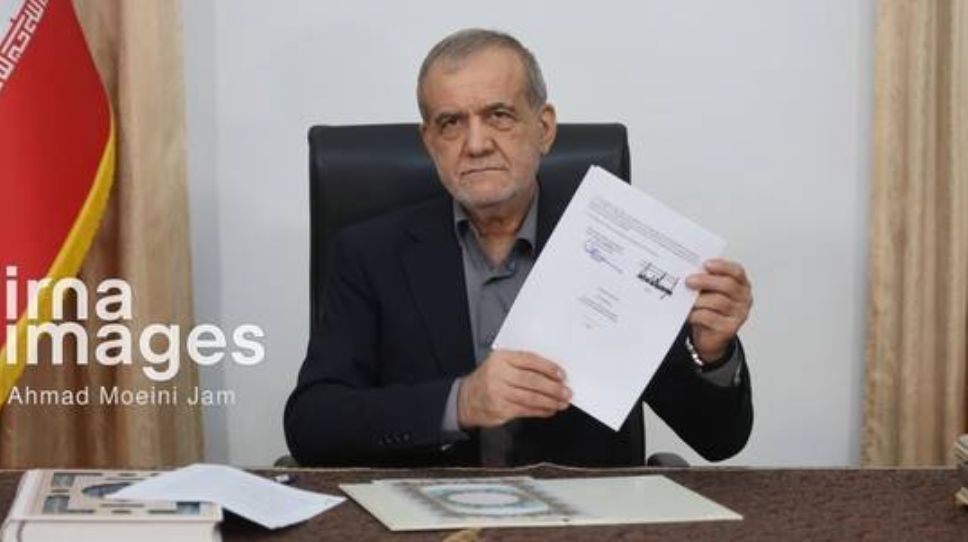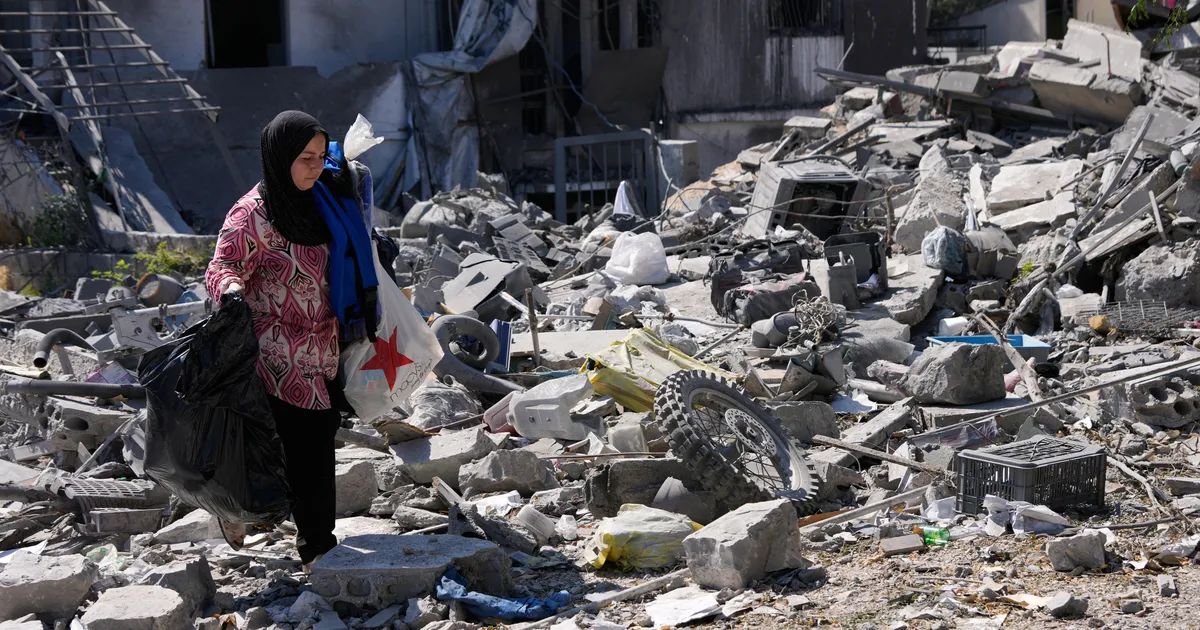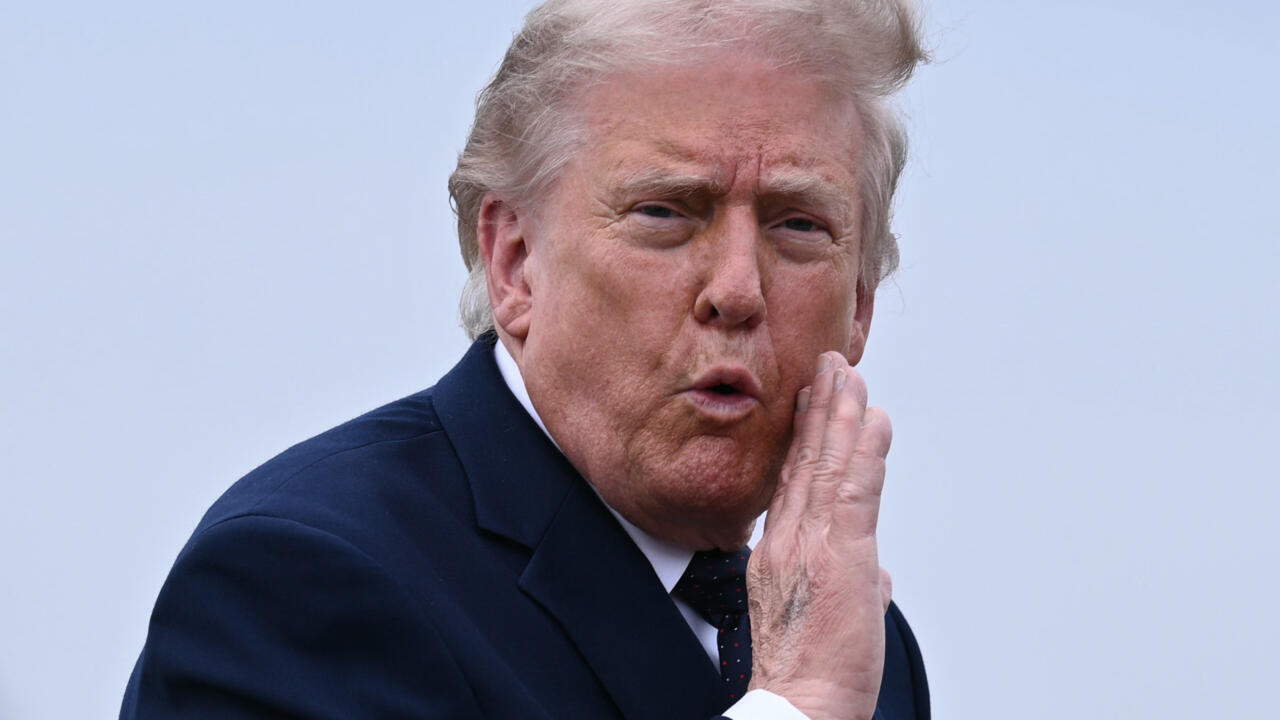
Yesterday, at the Palace of Versailles, in France, President Trump signed a memorandum of understanding (M.O.U.) to end hostilities with Iran. (A representative of the Iranian government had reportedly already signed the document digitally, as had a representative of the United States.) Trump’s deputy chief of staff shared a video of the moment on social media, showing the President affixing his signature to a document in familiar Sharpie. Afterward, the French President, Emmanuel Macron, sitting at Trump’s elbow, told him “Good job,” and the Secretary of State, Marco Rubio, stood over his shoulder, clapping. Trump, gesturing with his hands, declared, “Oil down, stocks up.”The location of this scene, at Versailles, where the Allied powers and Germany signed the fateful peace agreement to end the First World War, was striking. As was its generally muted tone. Later, on Truth Social, Trump lashed out at those who have criticized the terms of the deal. “These fools, who think I haven’t been tough enough on Iran, when the Stock Market Just Hit A RECORD HIGH, and Oil prices are ‘tumbling’ down, are either jealous, bad people, or stupid,” he wrote.Still, skeptics of the M.O.U. have come from all corners. “It’s difficult to see what’s emerging as anything other than a humiliating climbdown for a President who started a war of choice vowing to transform the Middle East,” the New Yorker columnist Ishaan Tharoor writes today. “Instead, the war and its aftermath may represent a defining failure for Trump’s foreign policy—one that may even have strengthened Iran in the region.”Tharoor recently joined the magazine, and will be contributing a weekly column on international affairs called Global Notes. Here are some of his key takeaways on the Iran deal:The war’s economic costs are still being felt. The head of the International Energy Agency said in April that “the world has never experienced a disruption to energy supply of such magnitude.” Those effects have hit consumers in the United States, but have been felt even more acutely globally, especially in Asia. Complex supply chains have been disrupted, productivity has taken a hit, and global-growth forecasts have been slashed.The cost in human lives and civilian infrastructure is just coming into focus. In Iran, at least thirty-four hundred people have been killed, with thousands more injured, and schools and water facilities have been destroyed. Israel’s operations in Lebanon have killed thousands of people there, and have displaced close to a fifth of the population. Iran’s reprisals have targeted civilians and public spaces across the Middle East.Israel has been sidelined. “Both Prime Minister Benjamin Netanyahu’s opponents and his coalition partners see the developments as a disaster for Israeli national-security interests,” Tharoor writes, “with Hezbollah still standing in Lebanon and the Iranian regime not just standing but newly emboldened.”The question of Iran’s nuclear capabilities remains unresolved. Both sides are supposed to spend the coming months working out a nuclear deal, but the details are vague, and prospects not especially hopeful. “If they reach any broader settlement,” Tharoor notes, “it’s doubtful that its terms would be superior to what was reportedly on offer right before the war began” or what was established by the 2015 deal forged by President Barack Obama and other world powers—which Trump famously scrapped.Read or listen to the column »For more: Read Isaac Chotiner’s interview with a right-wing Israeli broadcaster who thinks that the U.S. has stabbed its war partner in the back.What Just Happened?Photograph by Paul Moakley
The Iran War Was a Spectacular Failure
From the daily newsletter: our new global-affairs columnist breaks down Trump’s Iran deal.
TL;DRAI
Trump firma M.O.U. con Iran a Versailles, che conclude un conflitto con 3.400+ morti iraniani e disruption energetici globali senza risolvere nucleare. Supply chain colpite, Iran rinvigorito, geopolitica instabile: fattori di rischio durato su costi operativi e stabilità mercato tech.
1,268 words~6 min read