Vahid Beheshti
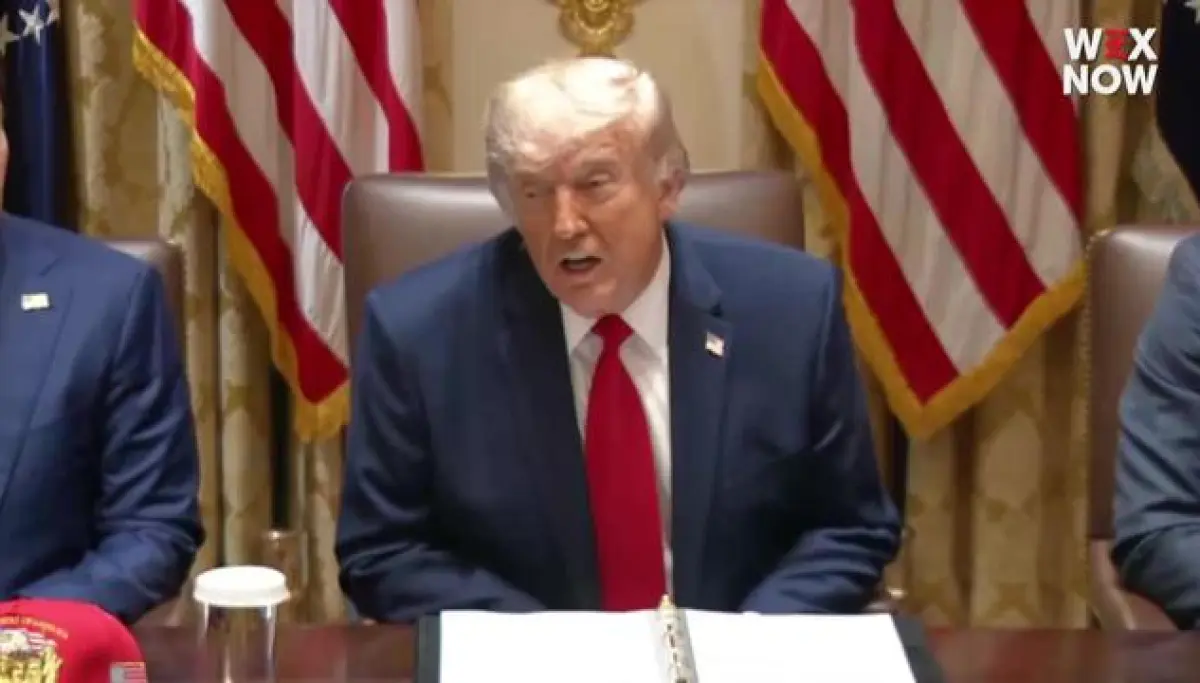
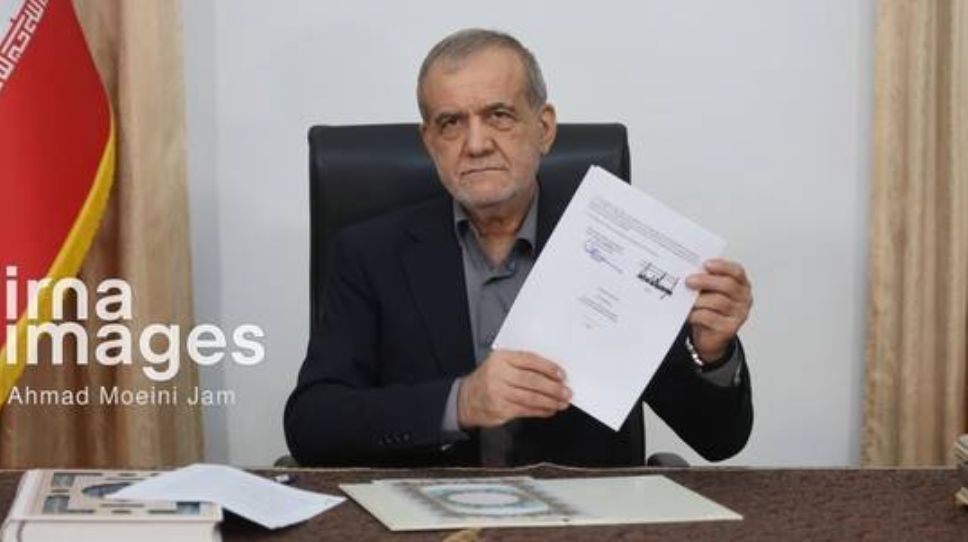
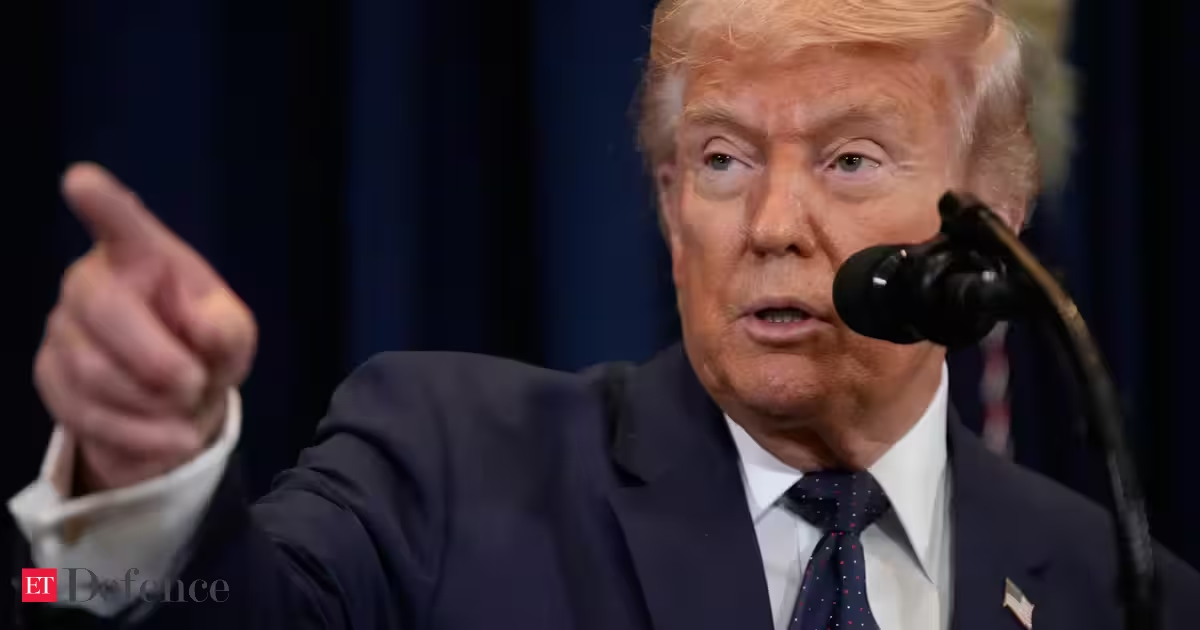
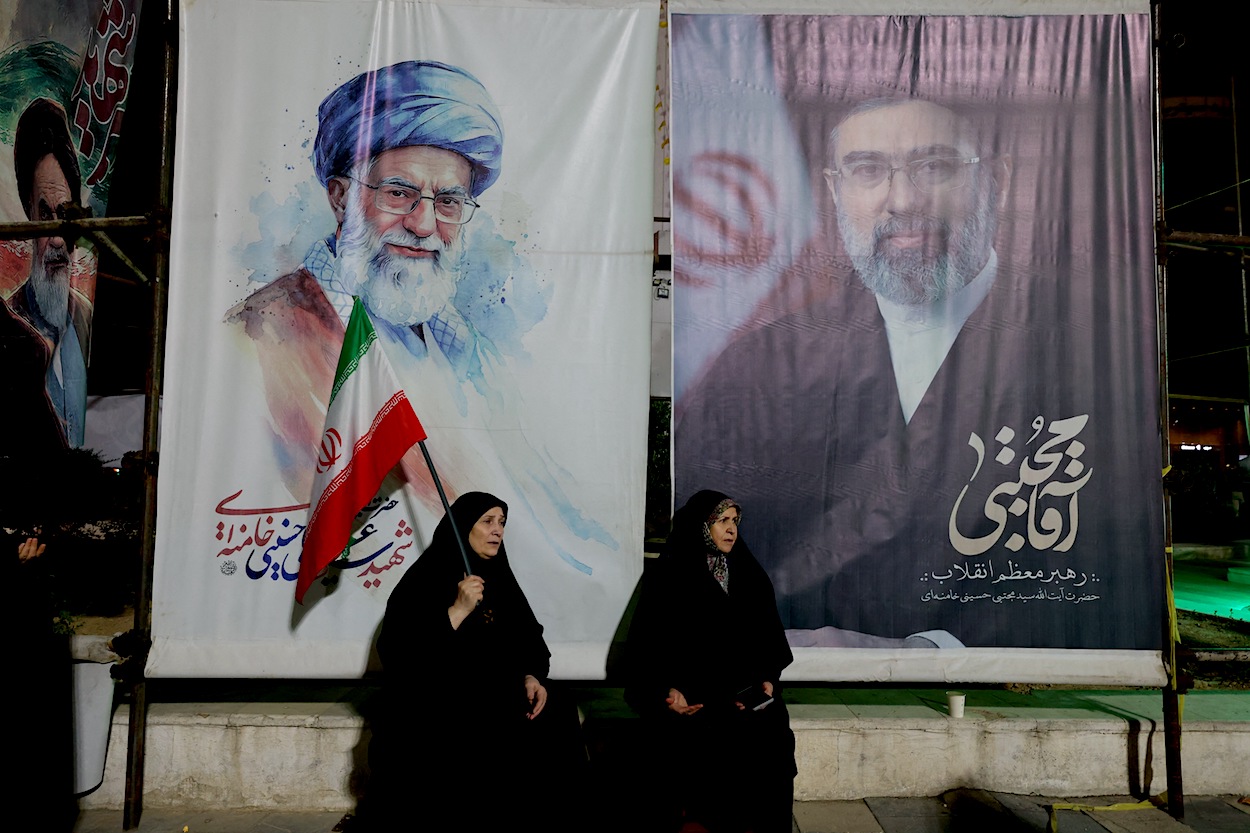
When Donald Trump signed the Memorandum of Understanding with Iran earlier this week, the accepted narrative was that it was an abject failure of US foreign policy. What had begun with the dramatic assassination of Ayatollah Khamenei in the opening seconds of the war had concluded with America’s hands tied.
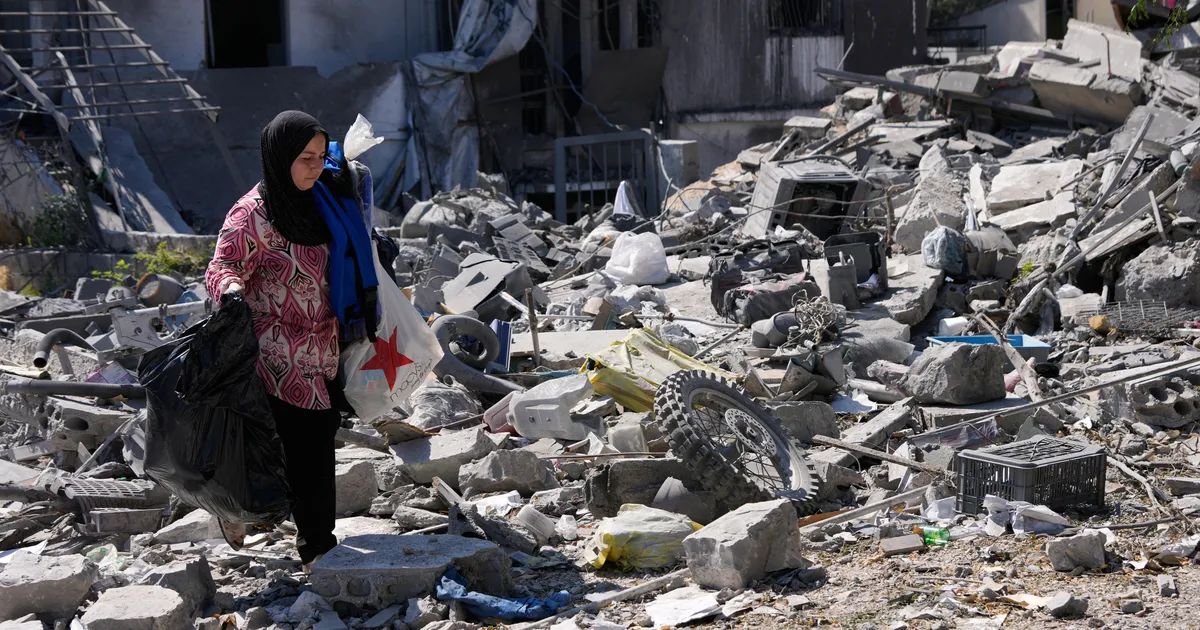
But this rhetoric fails to align with the reality within Iran. Beneath the noise, the regime, with its nuclear capabilities and ballistic stockpile severely downgraded, is also in a vulnerable position – perhaps the most weak it has been in its 47 years. I fled the regime myself 28 years ago, and have coordinated protests from within and outside the country, including the bloodiest ones in its near five decade history earlier this year which saw tens of thousands of my fellow countrymen slaughtered. Despite relentless IRGC propaganda, the regime is on the brink.
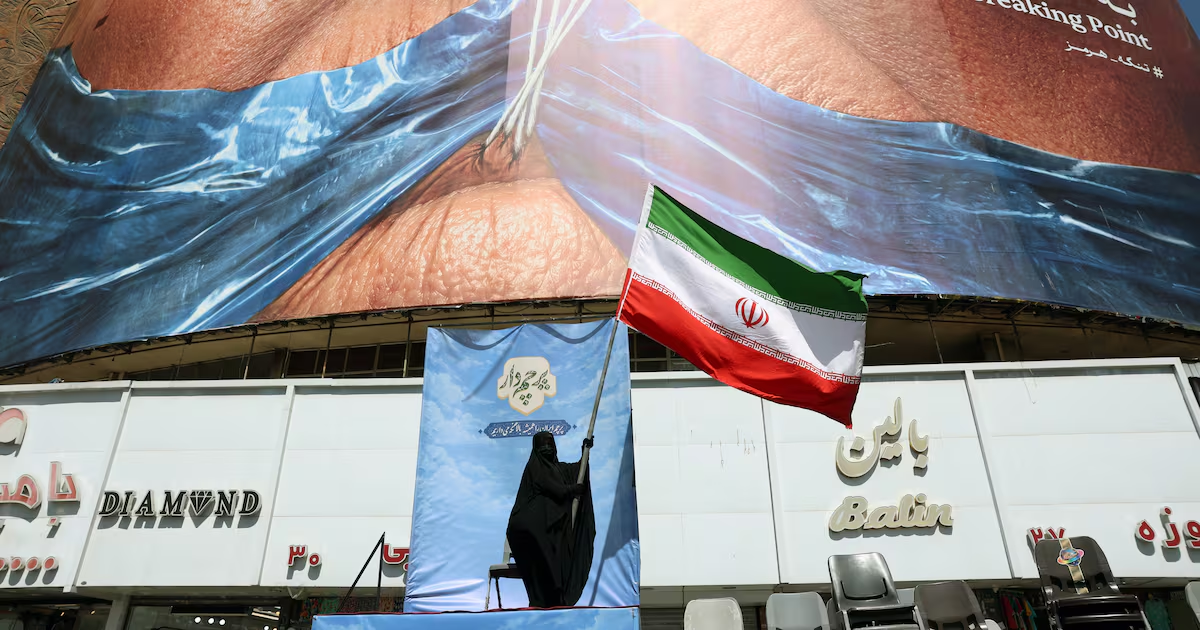
The war has exposed deep divisions within the government. While the less radical part of it (a relative concept) understands they have no choice but to accept demands dictated by the US if they want to survive, there is no shortage of those that remain ideologically committed to a fight to the bitter end. This has fuelled nightly street protests, with each side accusing the other of betrayal and acting as agents of Mossad and the US.