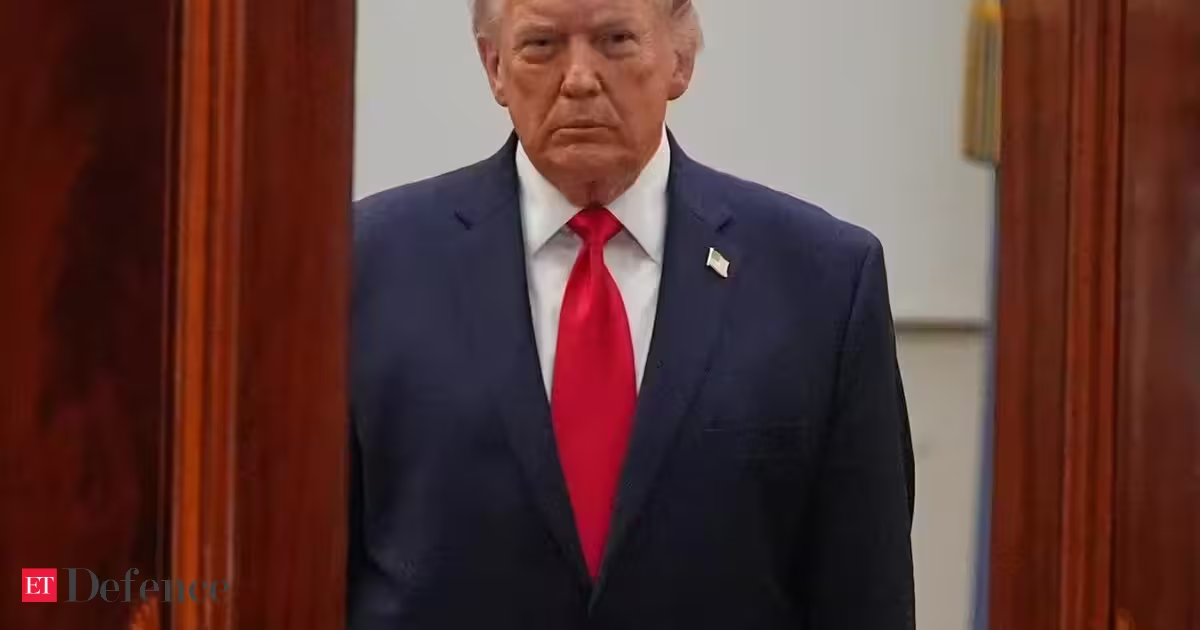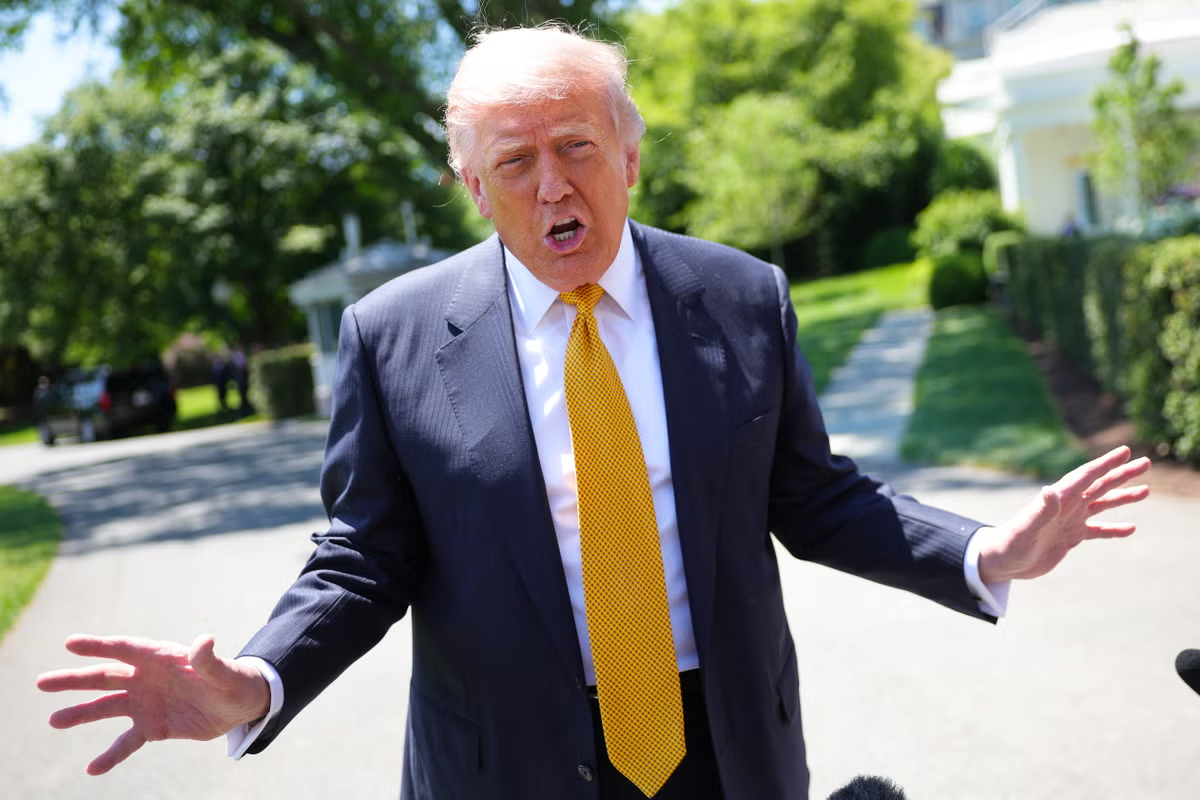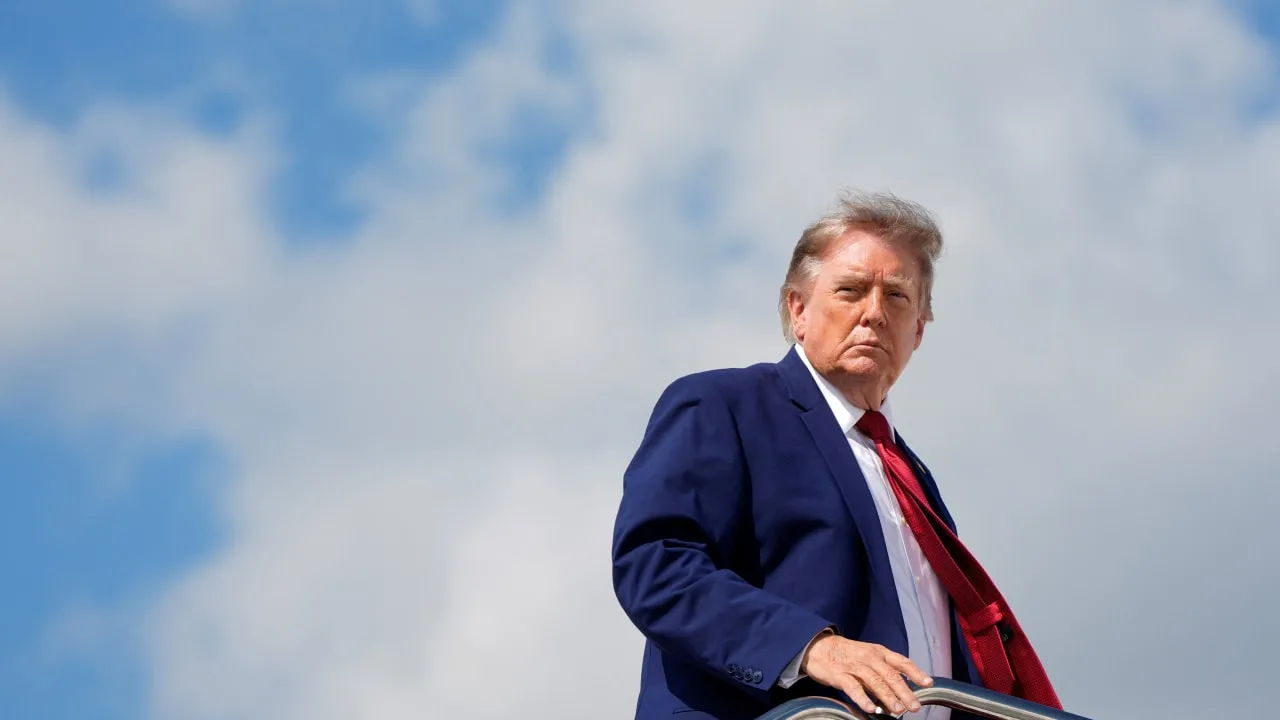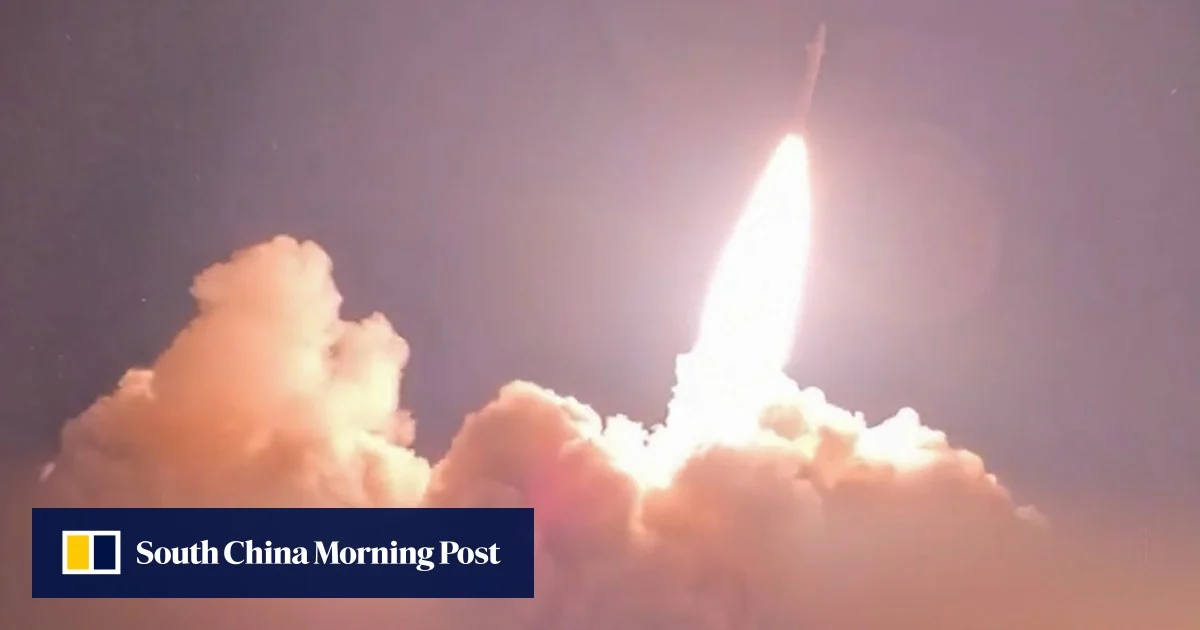
Donald Trump’s quest for regime change in Iran has backfired horribly. The president misunderstood the resilience of the 47-year-old Islamic Republic of Iran, the strategic calculations of one-time ally Israel and the physical and political geography of the Strait of Hormuz. Vice President J.D. Vance appears now to be positioned as the public face of failure.
The decision to launch the assault on Iran was underpinned by Israeli confidence that Iran’s leadership could be toppled and that the United States’ overwhelming firepower would produce shock and awe. It came in the immediate aftermath of plans to acquire Greenland, incorporate Canada, assert dominance over the Panama Canal and topple the then Venezuelan government. Cuba is no doubt next on Trump’s list. Oil, territory, shipping lanes, hemispheric dominance, real estate development and the historic ideology of frontier expansion inform the decision-making of an American president determined to make America bigger and greater.
Beyond Trump’s personal ambition to forge this expansionist America, the direction of travel of this administration has been to shift away from a rules-based global order. And until Iran, this desire had met international protests and internal dissent but not a hard stop. Until now in and around the Strait of Hormuz, a waterway that facilitates 20 per cent of the world’s oil and liquified natural gas exports from Iran and Gulf countries to Asian and other regional markets, including China. The Iranian regime, informed by past tanker wars in the 1980s, has had plenty of time to think about how it turns an international maritime passage into a chokepoint.