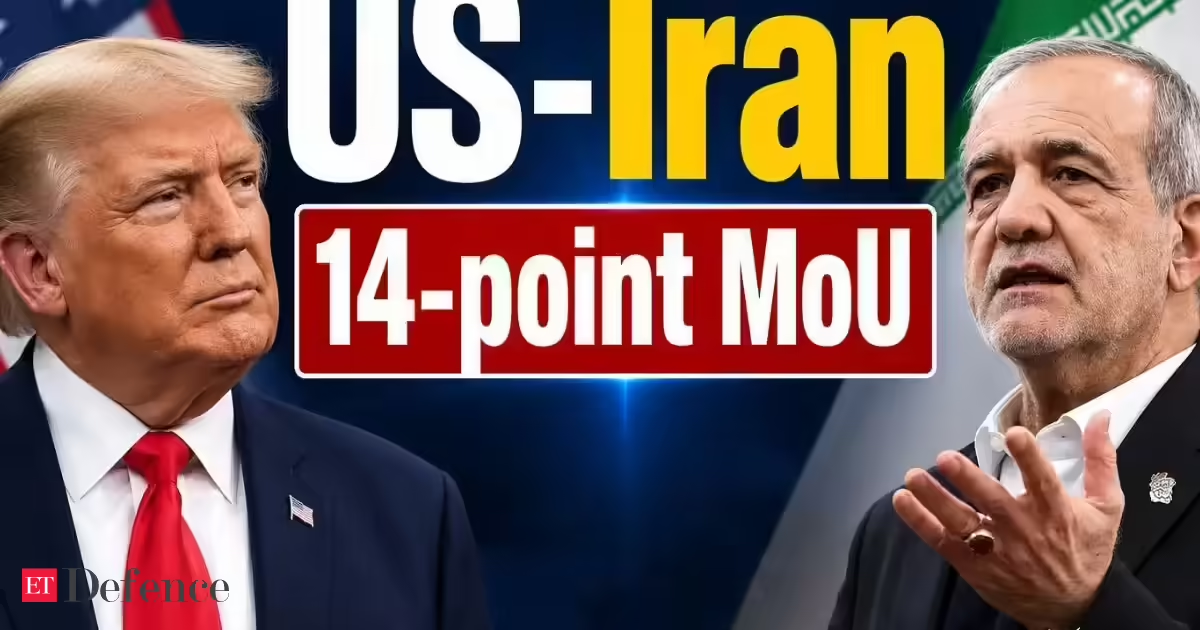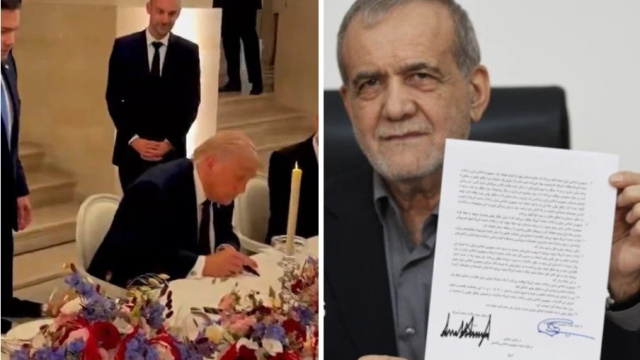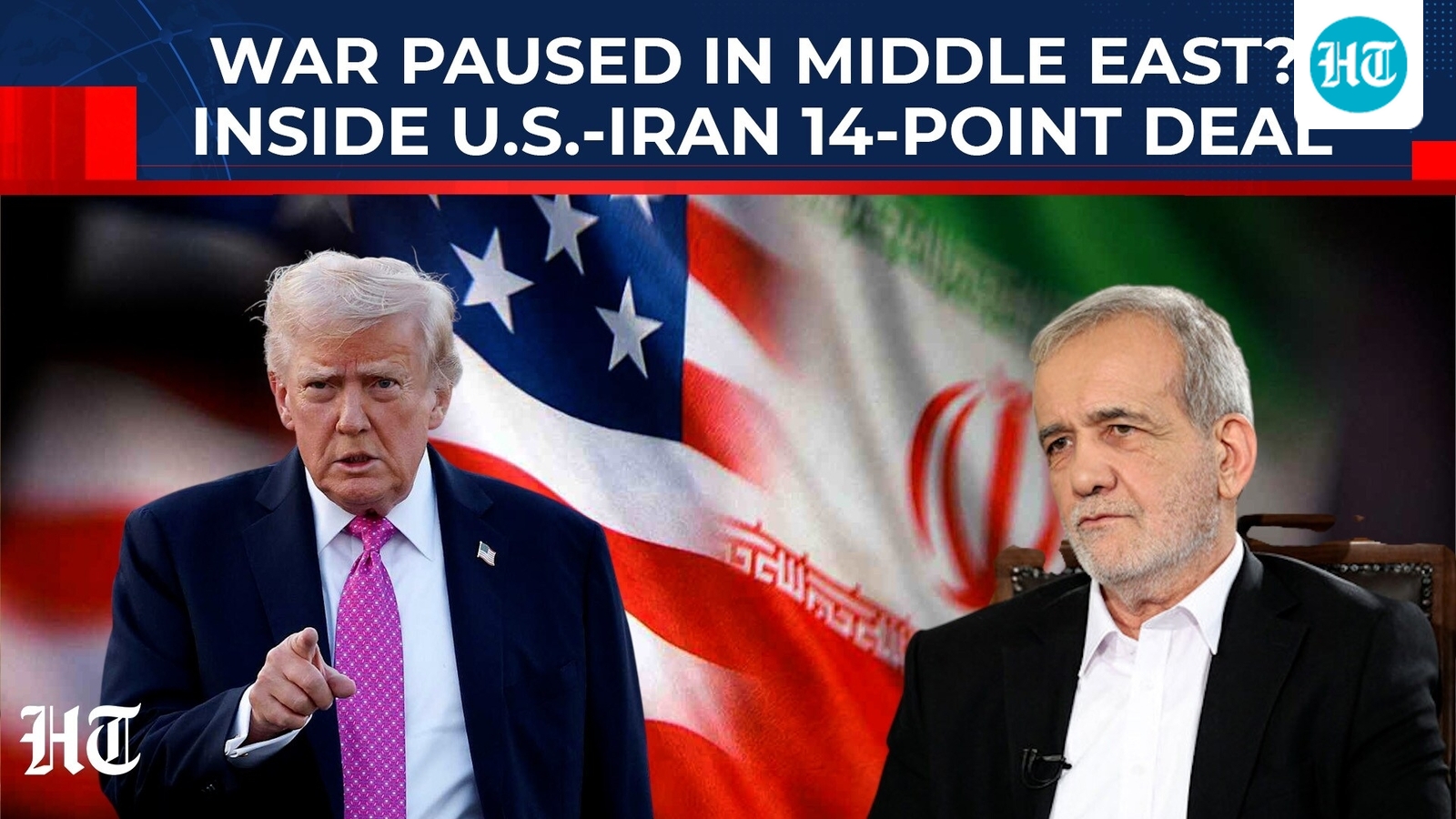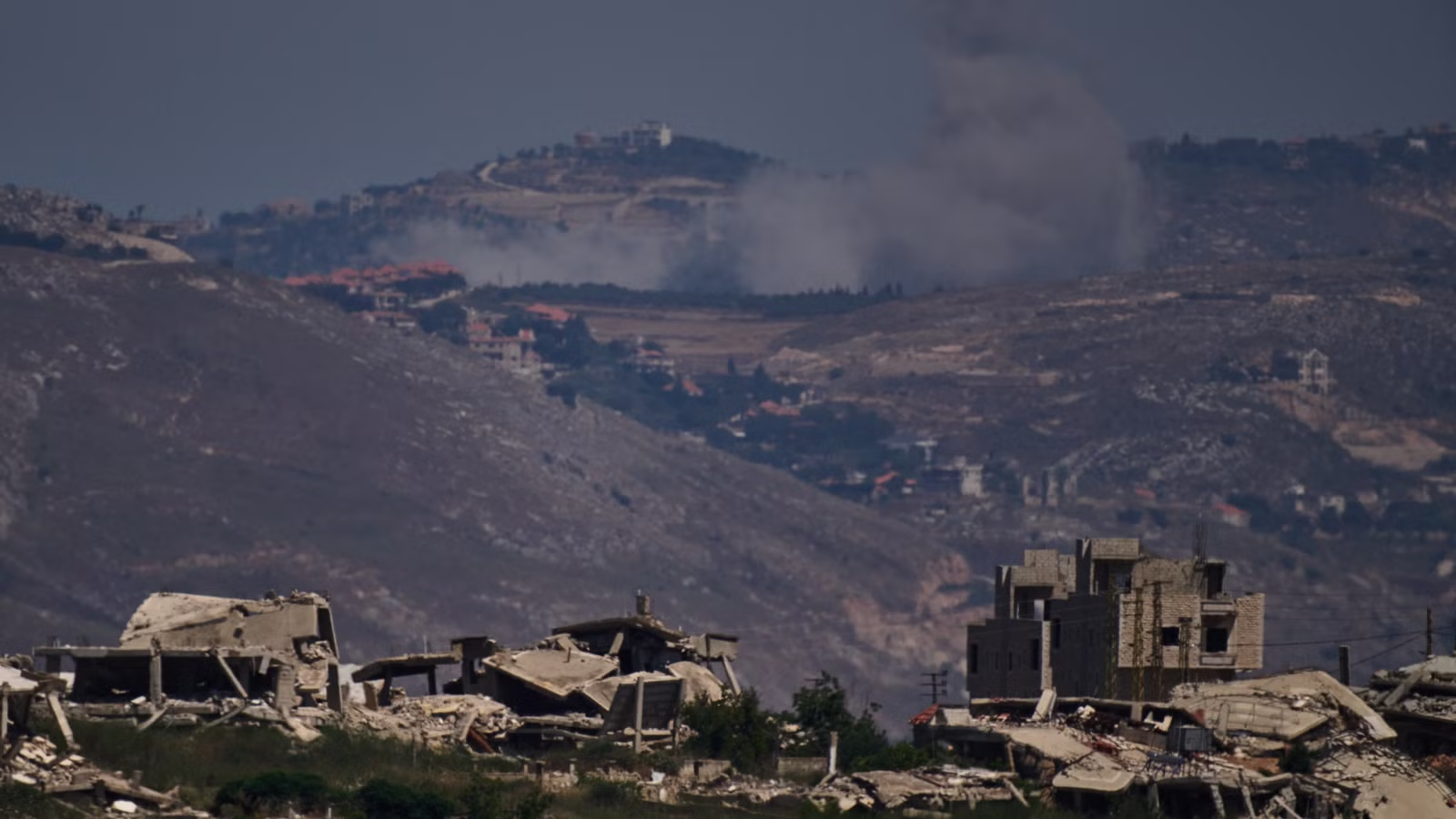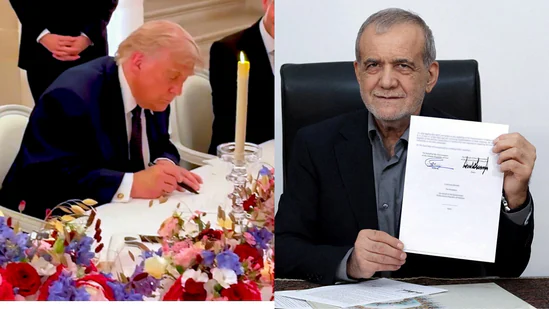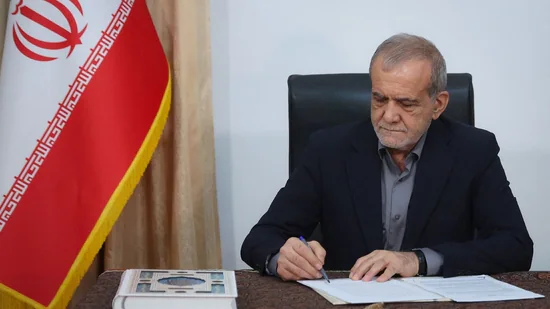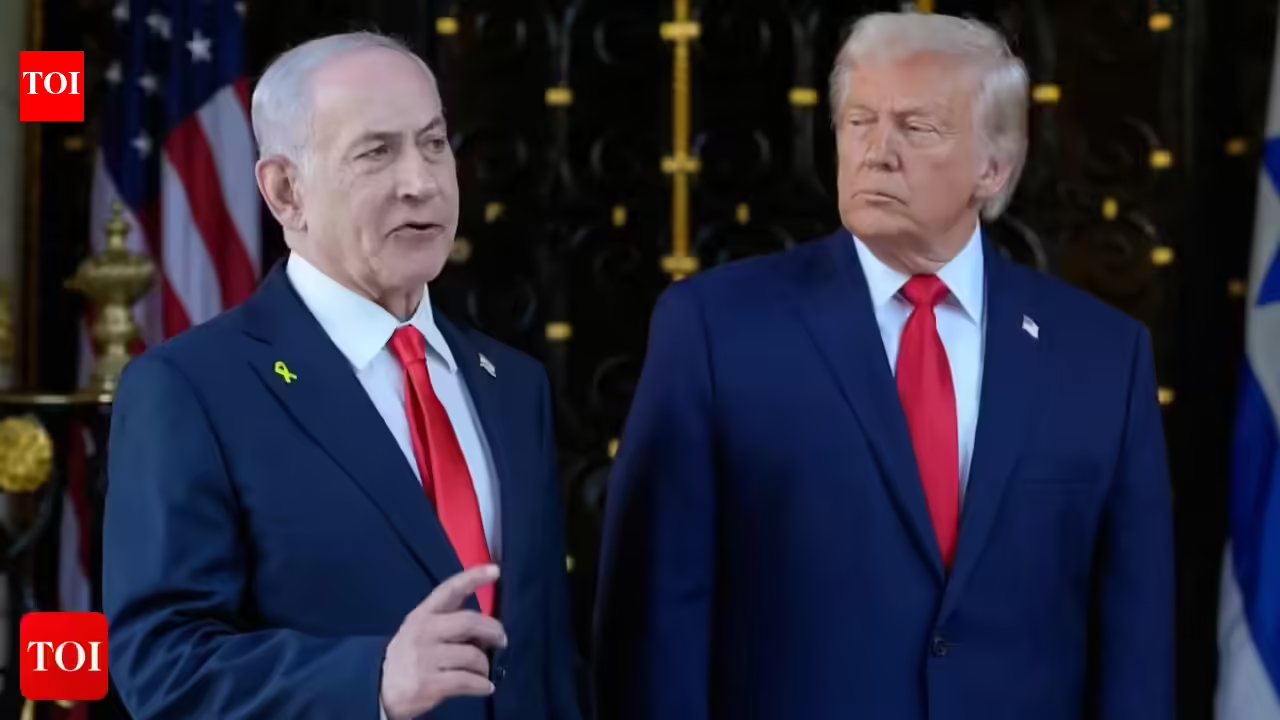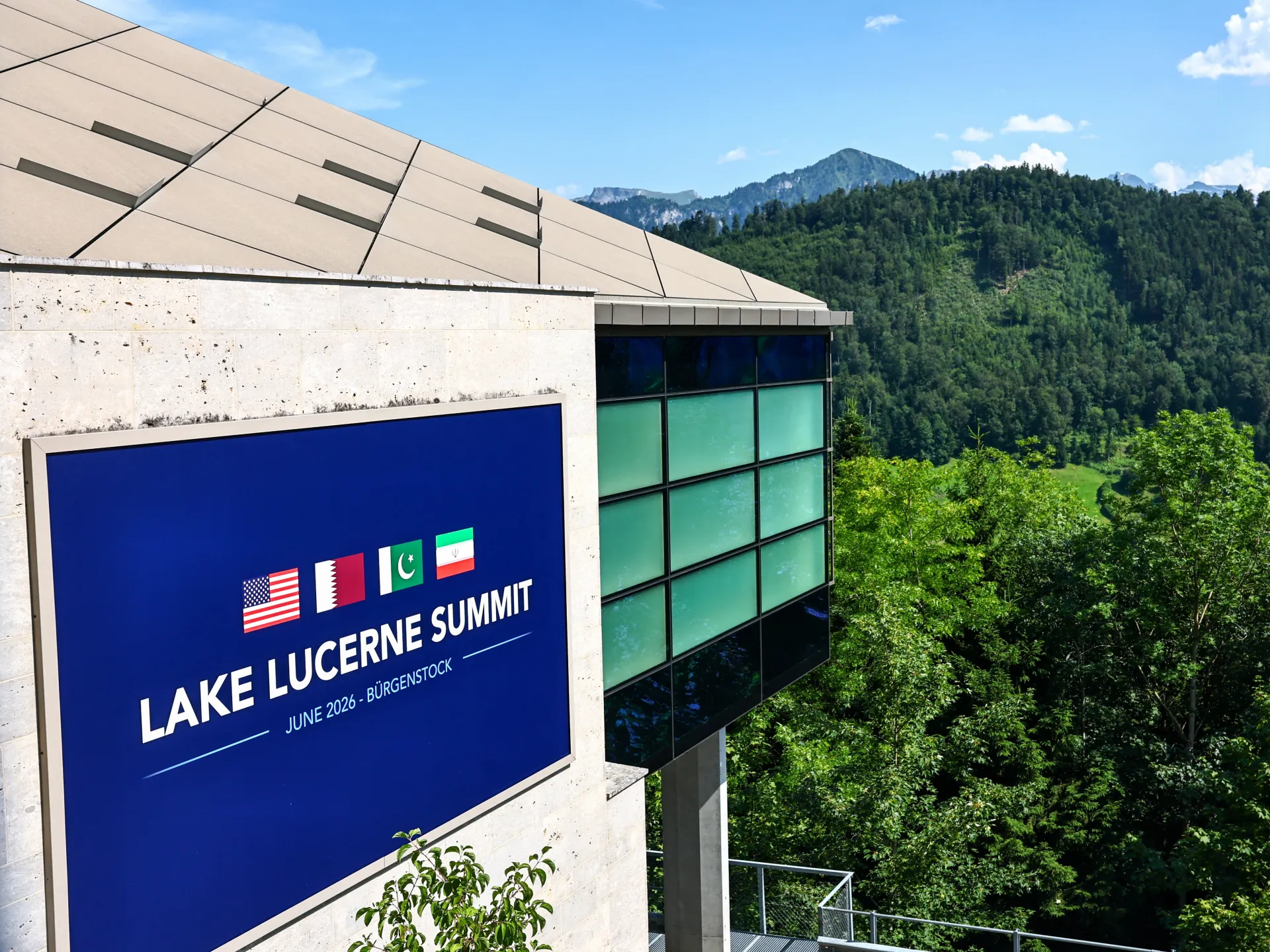
There is no ‘deal’ yet between the U.S. and Iran, much less one including Israel, despite reports to the contrary. U.S. President Donald Trump and Iranian President Masoud Pezeshkian signed an initial 14-point Memorandum of Understanding (MoU), but that is nowhere near the same thing. All it does is set in motion yet another extendable 60-day negotiation window to hammer out an actual deal. And every single one of the 14 points in the MoU is up for renegotiation as far as Iran is concerned, a senior figure who works closely with its Petroleum Ministry exclusively told OilPrice.com. On the other side of the table, Washington is also reportedly happy enough to keep negotiating the terms laid out in the MoU, rather than making a real deal. So, what is each side hoping to achieve in this game of smoke and mirrors?Long term, Iran wants everything in its own initial 14-point list of demands for ending hostilities and will only settle for marginally less than that. Top of the list was the immediate and permanent end to all military operations by not just the U.S., but Israel, too, including not just in Iran, but Lebanon as well. Point two of the fourteen was ‘mutual respect for sovereignty and non-interference in internal affairs’, which is a thinly-veiled allusion to Trump’s often-stated wish to change the Iranian regime; while points four and five related to the future of the world’s key oil transit route, the Strait of Hormuz. Point four demanded the removal of the U.S. naval blockade within 30 days and withdrawal of forces to pre-war positions, while point five mandated Iranian management of its maritime traffic. Trump has repeatedly made it clear that he wants the free flow of shipping, as it was before Operation Epic Fury began on 28 February, without any encumbrance from Iran or any other country. Points six, seven, and eleven focus on a huge financial injection for Iran, which may well terrify most of its neighbours, and all other non-Islamic extremists around the world too. The first part of this would come from the suspension of U.S. sanctions on the Islamic Republic’s oil, gas, and petrochemicals assets and access to its frozen financial assets; the second part, a US$300 billion economic development and rehabilitation plan funded by the U.S. and its partners; and the third part specific banking channels established for releasing these frozen assets. As an adjunct to these, point ten would set out logistical arrangements for the resumption of Iranian oil exports -- the key funding source for its economy. Points eight and nine concentrate on the country’s nuclear programme, demanding the ability to control the reduction of its enriched uranium on site in Iran, albeit under the supervision of the International Atomic Energy Agency (IAEA). Iran added that it wants to maintain its current nuclear program status with no new U.S. sanctions during negotiations.Meanwhile, points three, twelve, thirteen, and fourteen are all “holding mechanisms against a final deal”, according to the Iran source. “There’s the initial 60-day deadline to reach a final peace agreement [point three], but this can be extended, which is where point twelve comes in [establishing a joint committee to oversee compliance with the truce],” he added. “If it ever gets to the stage when the oversight committee cannot find anything else wrong, then there is still space to stall further in point thirteen [final negotiations conditioned on the initiation of key measures like lifting the blockade], and point fourteen [ensuring the final agreement is formally endorsed by a UN Security Council resolution], but at this stage Iran would have to promise things to Russia and China to get them to use their veto.” In this context, formal endorsement of the UN Security Council requires a majority nine out of 15 votes, but just a single veto from one of the five UN Security Council ‘Permanent Members’ -- the U.S., Great Britain, France, China, and Russia -- would instantly kill the formal endorsement process.This endless stalling process by Iran would also be regarded as a win by Tehran, second only to being given everything it wants. For the Islamic Revolutionary Guards Corps (IRGC) -- the guardians of the philosophy underpinning Iran’s 1979 Revolution at home and the promulgators of those ideas abroad through its proxies -- any peace deal that came closer to the demands of the U.S. could turn into an existential threat. The key thrust of all such deals by Washington -- from the original version of the Joint Comprehensive Plan of Action (‘JCPOA’, or colloquially ‘the nuclear deal’) formulated by former President Barack Obama’s team to its latest iteration under Trump -- is the eradication of the IRGC in its present form, as analysed in full in my latest book on the new global oil market order. The underlying idea of the U.S. and its key allies has been to strip away the unique financial, business, and political support structures for the IRGC across the basic fabric of Iran, and to roll it into the regular army. This, the argument runs in Washington, would eventually prove terminal to the Islamic regime itself, which would be replaced by a democracy of one sort or another over time. Stalling, meanwhile, would allow Iran to rebuild its military, more securely relocate its enriched nuclear material, and keep moving oil to key buyers including China at higher prices. It would also enable the IRGC to maintain its power over the Strait of Hormuz until such time as the U.S. had softened its peace demands close enough to Iran’s ‘14-Point Plan’ to make it worth Tehran’s while to sign a final deal.Meanwhile, Trump has learned that mere talk of a final deal with Iran, and ongoing negotiations, are sufficient to keep oil prices on the lower end of recent historical levels. Before this latest round of chats was announced, he had been told by his close civilian and military advisers that the standoff with Iran had reached a key decision point: go further (on-the-ground military attacks on key Iran sites), go home with nothing, or go to peace talks, a senior Washington-based legal source who works closely with the current presidential administration exclusively told OilPrice.com. “Only two of the choices keep gas prices lower, and he [Trump] can’t go home with nothing as he’d also get creamed in the mid-terms [United States Congressional Elections in November], so talks was the only route he could take,” he added. Indeed, as also detailed in full in my latest book on the new global oil market order, historical data highlights that every US$10 per barrel or so change in the price of crude oil results in around a 25-30 cent change in the price of a gallon of gasoline. And for every 1 cent that the average price per gallon of gasoline rises, more than US$1 billion or so per year in consumer spending is lost, so damaging the economy. The political importance of this is that since 1896, the sitting U.S. president has won re-election 11 times out of 11 if the economy was not in recession within two years of an upcoming election. However, sitting U.S. presidents who went into a re-election campaign with the economy in recession won only once out of seven occasions. The same pattern pertains to mid-term elections too, and although Trump cannot seek re-election, he may envision a Trump political dynasty that will require the goodwill of the Republican Party.There is no genuine reason why this cycle of peace talks, breakdown, and further peace talks cannot continue until at least the end of those U.S. elections on 3 November. It is true that oil and gasoline prices might start to trend higher again as inventories dissipate, among other factors analysed in full by OilPrice.com recently, but this may not be so fast as to influence those polls. After that, the results will be in, and Trump can decide whether he goes for a fuller military attack on Iran or goes home. A key factor here is that he explicitly stated effecting regime change in Iran as one of his four key objectives at the beginning of Operation Epic Fury, and he has frequently alluded to the fact that he would not wish to be remembered for a failure in Iran, as was former President Jimmy Carter. He might well consider a better option, being of the type chosen by Democratic Presidents Barack Obama in Libya and Bill Clinton in Serbia. In the former’s case, Obama began a broader NATO bombing of key integrated air defence systems, C3 (command, control, and communications) infrastructure, logistics and supply chains, and dual-use civil infrastructure over 212 days. In the case of the latter, the same sort of operation was launched, lasting around 78 days. Trump could do all that, leave a carrier fleet in place after opening the Strait of Hormuz, and then go home.By Simon Watkins for Oilprice.comMore Top Reads From Oilprice.comIndia Receives First Post-Deal LNG Cargo Through Strait Of HormuzBeijing Steps Up Scrutiny of Indium Exports as AI Chip Demand SoarsHormuz Traffic Stalls as U.S.-Iran Talks Collapse
The Phantom Peace Deal: What Washington and Tehran Are Really Playing At | OilPrice.com
The U.S. and Iran have signed only a preliminary 14-point memorandum, not a final peace deal, with both sides reportedly treating the agreement as a framework for extended negotiations rather than a binding settlement.
1,518 words~7 min read