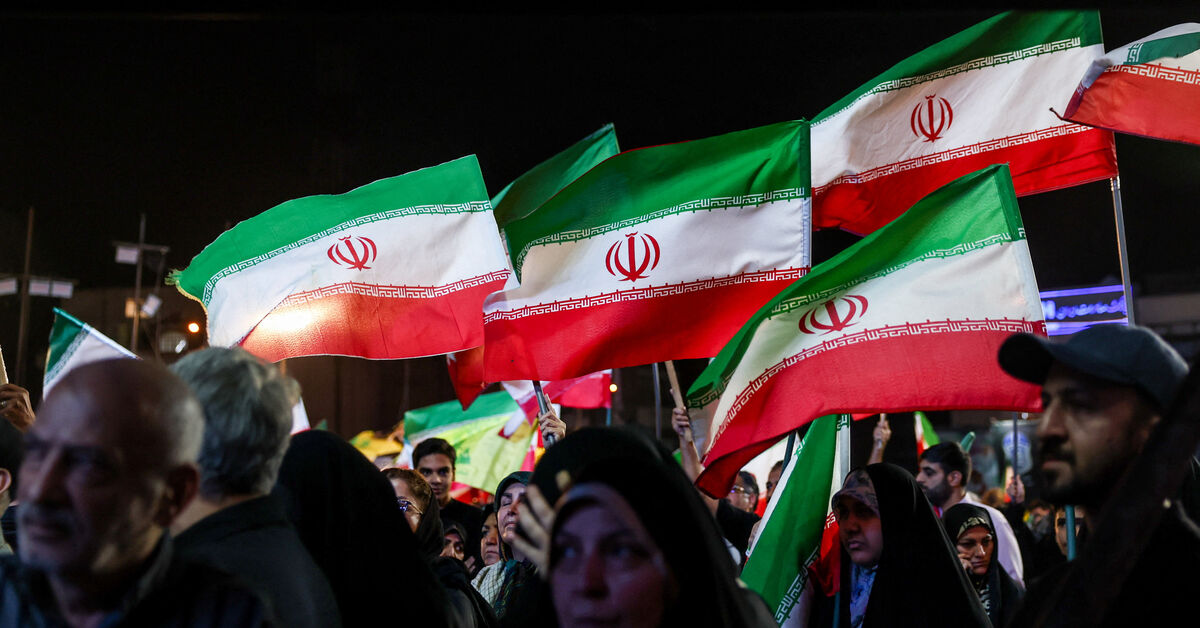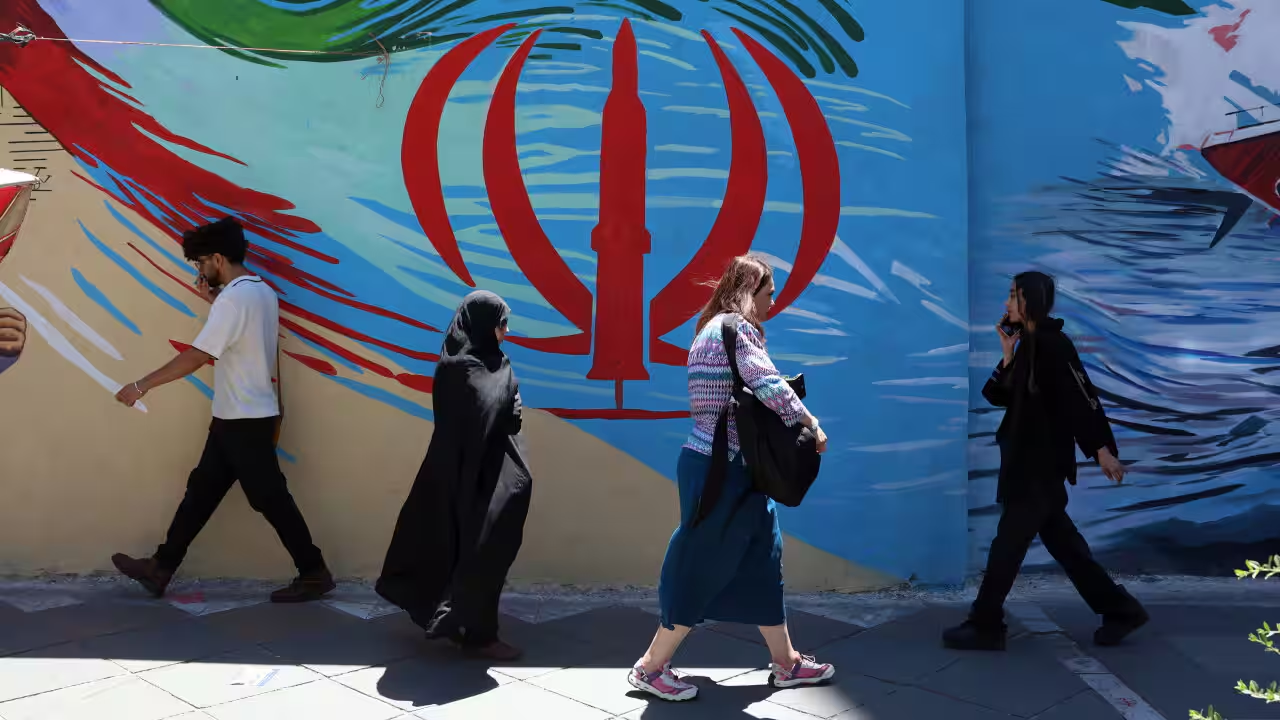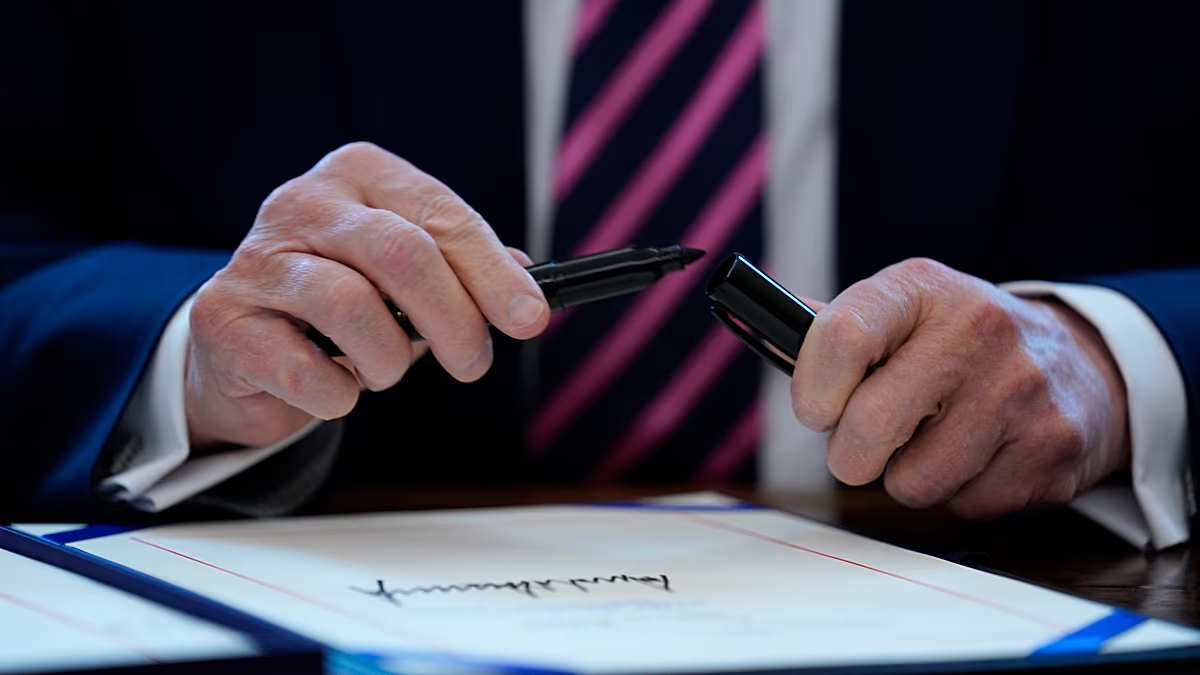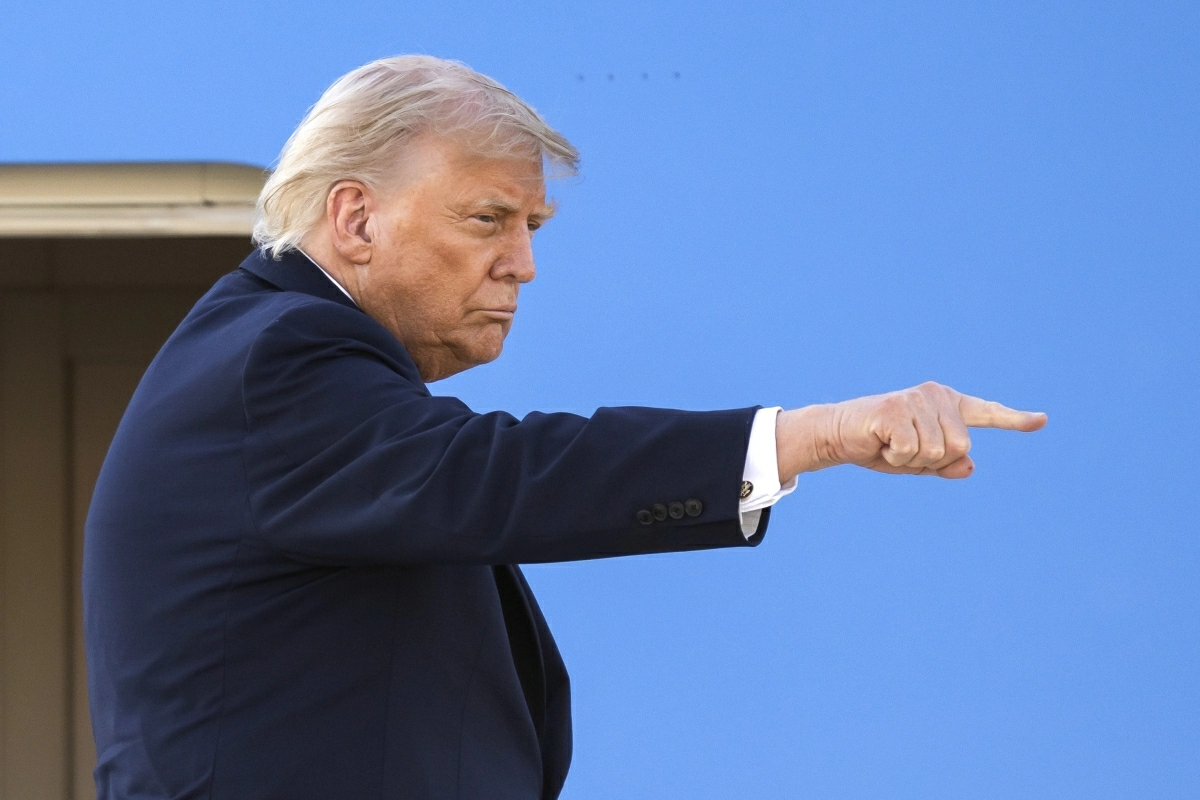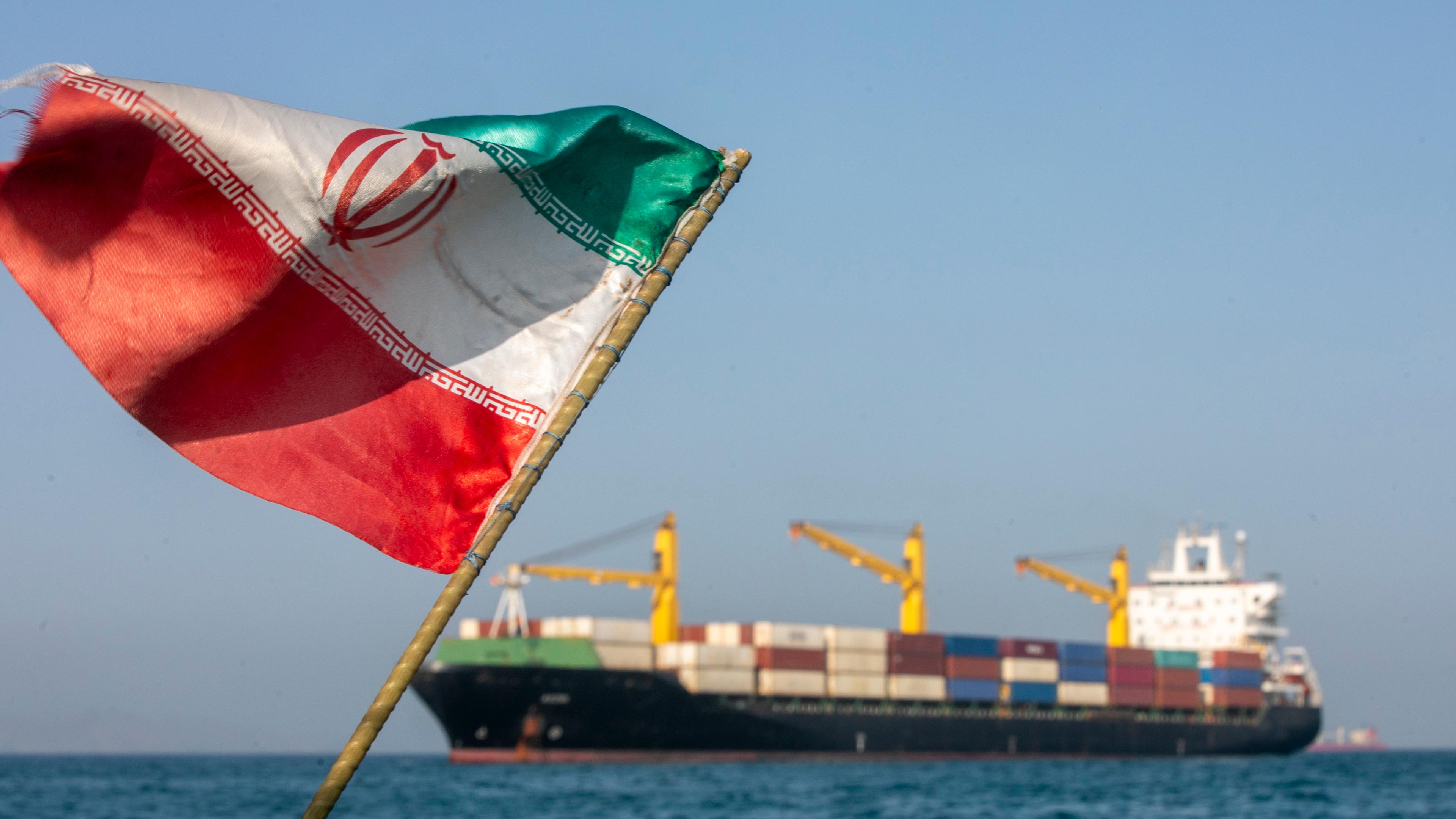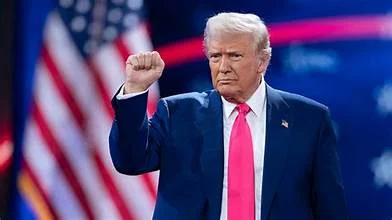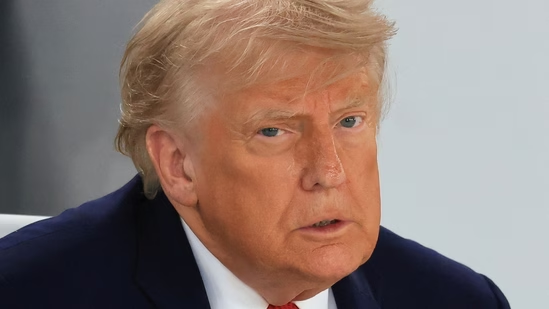
A draft agreement between Iran and the United States outlines a tentative framework for a ceasefire between the long-time rivals. The 14-point memorandum of understanding, obtained by Bloomberg, has not been officially released.US President Donald Trump during a working lunch meeting of G7 members, partner countries, and artificial intelligence business leaders as part of the G7 summit. (AFP)It reportedly includes reopening the Strait of Hormuz and limited financial relief for Iran. Tehran also commits that it will not develop nuclear weapons.Track live updates on the US-Iran peace deal hereBoth Washington and Tehran have remained tight-lipped about the exact wording, and it is not yet clear how closely this draft reflects the final agreement expected to be signed in Switzerland on Friday.Under the proposed terms, the US would allow Iran to resume exports of oil and petrochemical products. Iran could also gain access to a potential $300 billion development fund, provided it meets conditions linked to its nuclear program in ongoing negotiations.The draft does not specify the fate of Iran’s stockpile of highly enriched uranium, leaving one of the most sensitive issues unresolved.Check the 14 points here:1 — Iran and the United States, along with their allies in the current war, agree that the war ends immediately and permanently on all fronts, including Lebanon. Both sides commit not to carry out hostile actions or use force against each other. The final agreement will confirm this and the other articles.2 — Both countries agree to respect each other’s sovereignty and territorial integrity and not interfere in internal affairs.3 — Iran and the US agree to work towards a final agreement within 60 days, with the option to extend if both sides agree.ALSO READ | 'Deal not final': Trump changes tune on Iran, threatens to ‘drop bombs’, go back to shooting again4 — The US will lift the naval blockade immediately after signing and avoid any obstruction against Iran. Maritime traffic is to be restored within 30 days to pre-war levels. The US will also withdraw forces from surrounding areas within 30 days after the final agreement.5 — Iran will take steps to restore merchant shipping through the Persian Gulf and the Sea of Oman within 30 days, back to pre-war levels, including addressing technical issues and mine clearance.6 — The US, with regional partners, will develop a rehabilitation and economic development plan for Iran, with at least $300 billion in financing. The detailed mechanism will be agreed within 60 days as part of the final deal.7 — The US will phase out sanctions on Iran as part of the final agreement, including UN Security Council measures, IAEA-related restrictions, and all US unilateral sanctions, both primary and secondary.8 — Iran restates that it will not develop nuclear weapons. Both sides agree that the handling of enriched material and other nuclear-related issues, including Iran’s needs, will be settled in the final agreement.9 — Until a final deal is reached, both sides agree to maintain the status quo: Iran will not change its nuclear programme, and the US will not impose new sanctions or increase military presence in the region.10 — The US will issue waivers allowing Iranian exports of crude oil, petrochemical products, and related services, including banking, insurance, and transport, until sanctions are lifted.ALSO READ | ‘No Israel without me’: Trump slams Netanyahu’s ‘vicious’ bombardment of Lebanon at G711 — The US will work to release frozen or restricted Iranian funds and make them available for use, following agreed procedures under Iran’s central bank.12 — Both sides will set up a mechanism to monitor implementation and ensure compliance with the final agreement.13 — After initial implementation steps under selected articles, Iran and the US will begin negotiations on the remaining parts of the final agreement.14 — The final agreement will be submitted for approval through a binding UN Security Council resolution.
What's in the 14-point draft peace deal between US and Iran | Full text
Both Washington and Tehran have remained tight-lipped about the exact wording, and it is not yet clear how closely this draft reflects the final agreement. | World News
638 words~3 min read