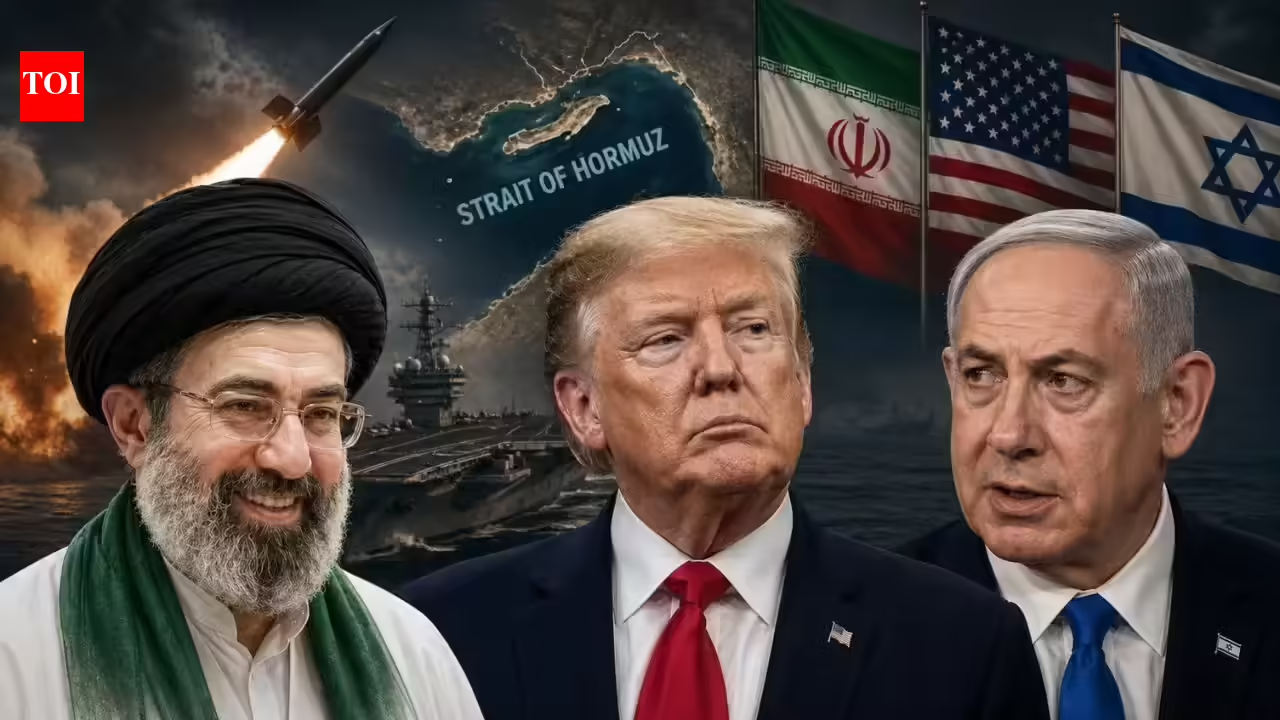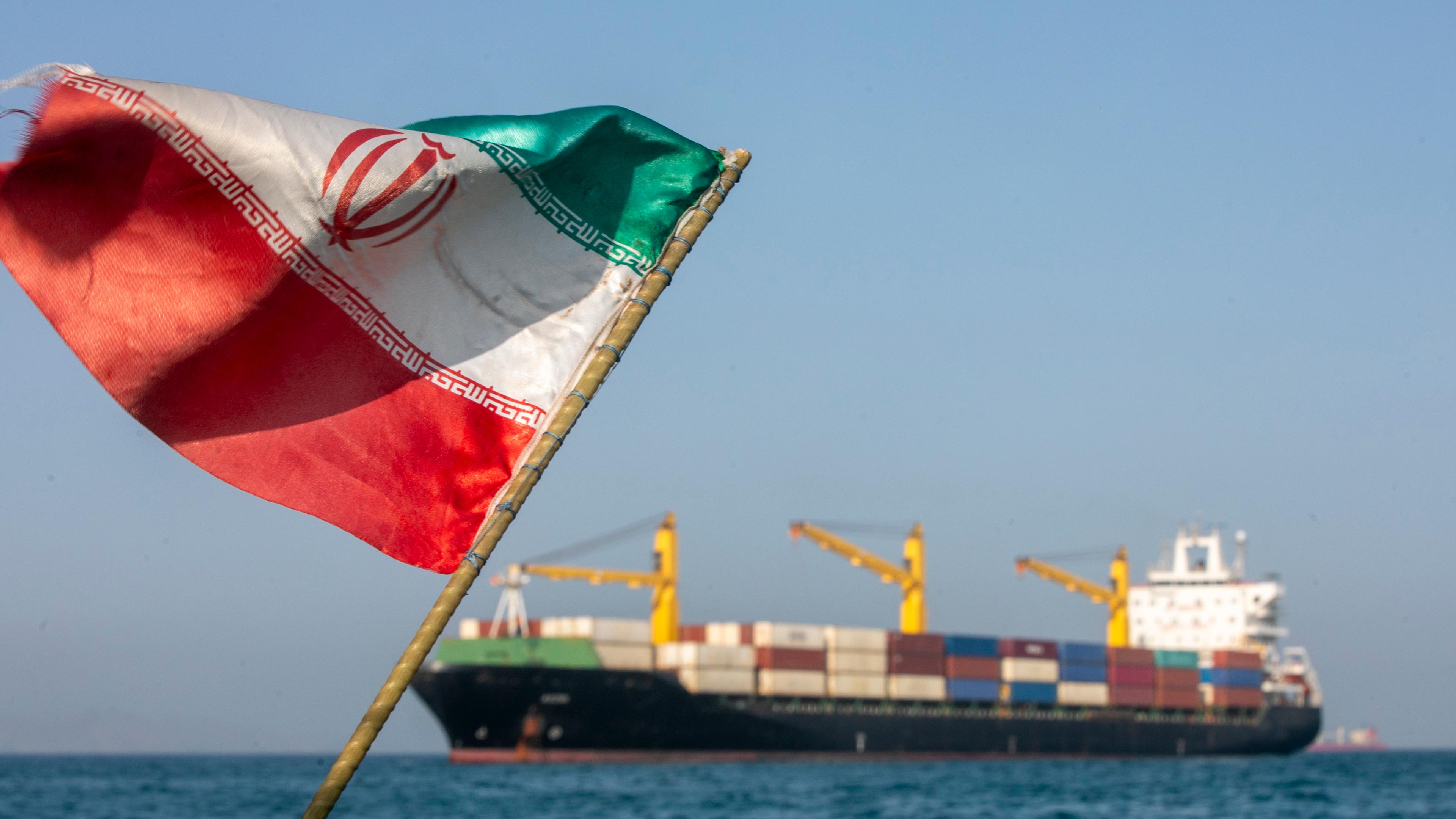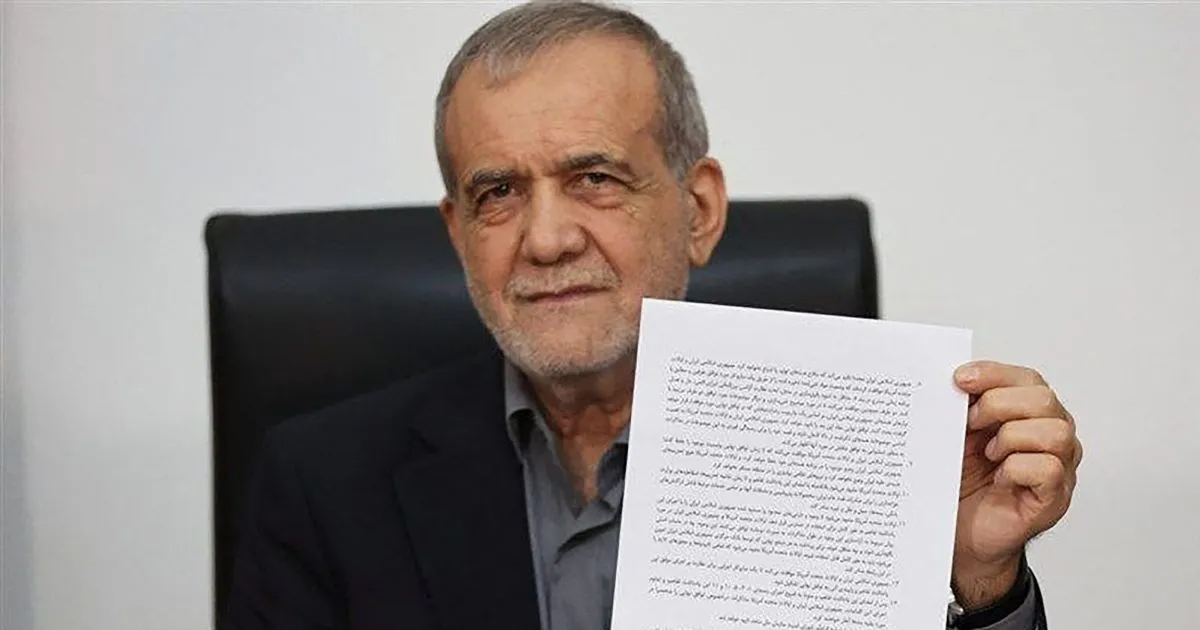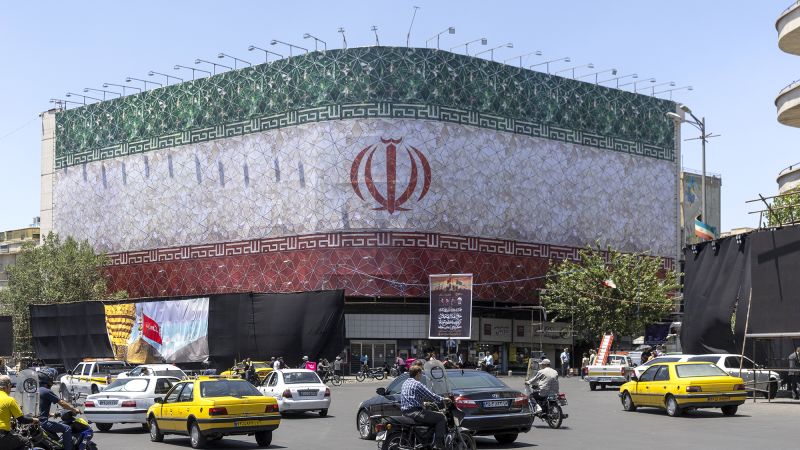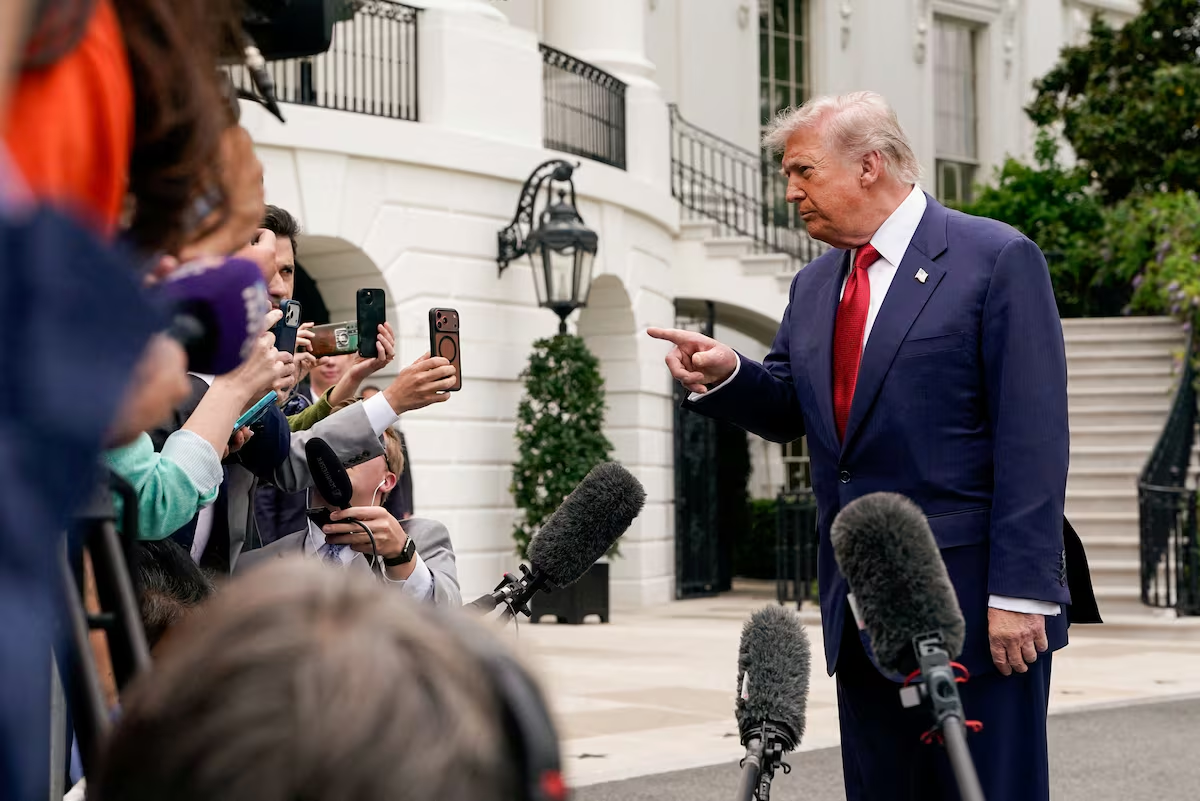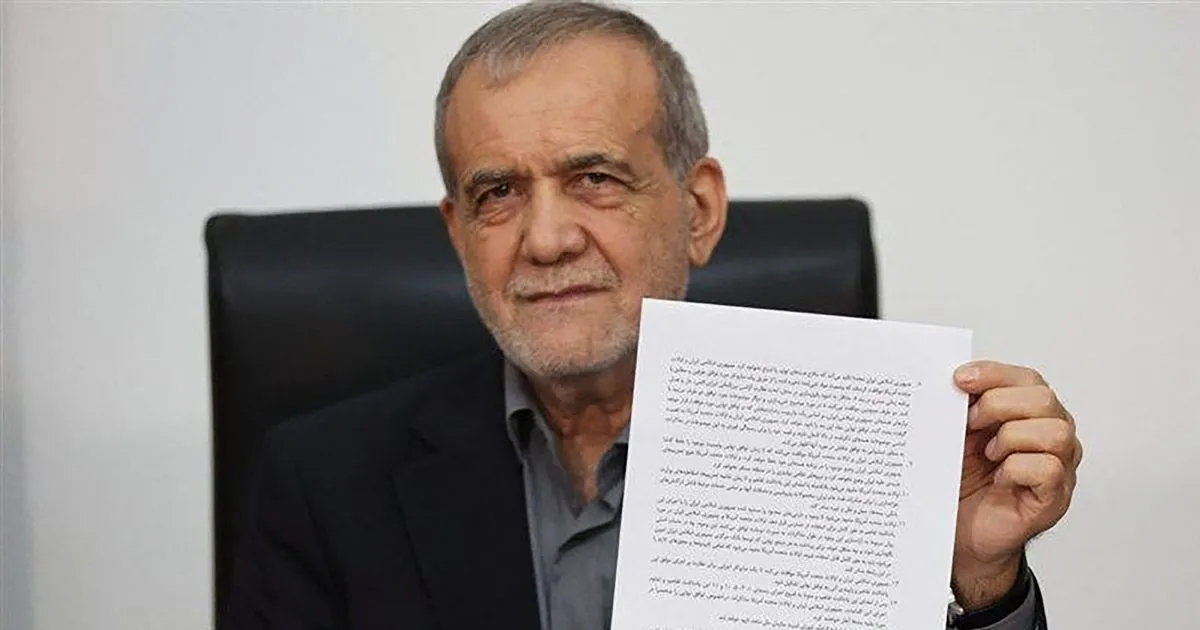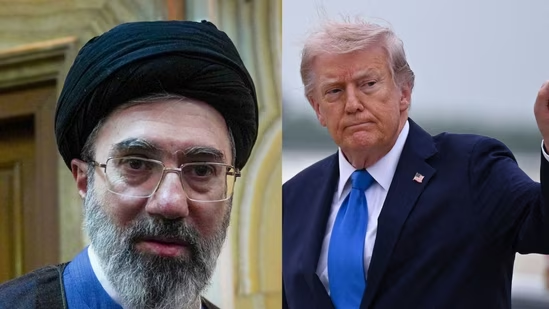
The 14-point memorandum of understanding, though not officially announced, mentions the war in Lebanon, Strait of Hormuz, and other contesting issues. The Iran and the United States have agreed to a memorandum of understanding to end more than 3 months of war, that will put an end to the fighting in West Asia. The deal will be formally signed in Switzerland on Friday.A draft agreement between Iran and the United States outlines a tentative framework for a ceasefire between the long-time rivals. (Reuters/AFP)The 14-point memorandum of understanding, though not officially announced, mentions the war in Lebanon, Strait of Hormuz, and other contesting issues. Here is all you need to know about the proposed deal:1 — The Islamic Republic of Iran and the United States, together with their allies in the current war, declare upon the signing of this Memorandum of Understanding an immediate and permanent end to the war on all fronts, including Lebanon, and undertake that from now on they will not launch any hostile action against each other, and will refrain from the threat or use of force against each other. The final agreement will confirm the provisions of this Article and the remaining Articles.What it means: Lebanon is part of the peace deal. This is significant because Israel has continued to strike Lebanon despite the ceasefire, at one point even jeopardising the peace process and earning Trump’s rebuke.2 — The Islamic Republic of Iran and the United States undertake to respect each other’s sovereignty and territorial integrity, and to refrain from interfering in each other’s internal affairs.Also Read: What it means: Rules out forced regime change in the future, which was one of the first objectives explicitly stated by the US and Israel after they launched strikes on Iran. Trump, at one point, had also urged protesters to seize power. To be sure, the objectives of the military action have changed multiple times since.3 — The Islamic Republic of Iran and the United States undertake to negotiate and reach a final agreement within a maximum period of 60 days, extendable by mutual consent.What it means: Two months to sketch out all contours of a peace deal. In this period, moves by Israel will be closely watched. Jerusalem has been largely cut off from the peace process.4 — Immediately upon the signing of this Memorandum of Understanding, the United States Lift the naval blockade and prevent any interference or obstruction against the Islamic Republic of Iran, and restore traffic within a maximum of 30 days to its full capacity; the traffic of ships shall be proportional to the pre-war volume of traffic on the part of the Islamic Republic of Iran. The United States also undertakes to withdraw its forces from the surrounding areas within 30 daysafter the final agreement.What it means: The most significant clause for the global economy. It allows reopening of the Strait of Hormuz, through which one-fifth of the world’s oil and gas used to transit daily. It also means energy prices will come down and the Gulf petro-states can resume all exports.5 — Upon signing this Memorandum of Understanding, the Islamic Republic of Iran will immediately take steps to ensure that the movement of merchant ships from the Persian Gulf to the Sea of Oman and vice versa is resumed within 30 days to the pre-war volume, taking into account the need for the removal of technical obstacles and the neutralization of mines by Iran.What it means: Secures Iran’s commitment to reopen Strait of Hormuz and remove any mines or other obstacles to commercial shipping. Cargo operators have expressed reluctance to transit the waterway till the Strait is secured.6 — The United States undertakes, together with its regional partners, to create a comprehensive plan agreed upon by both parties for the rehabilitation and economic development of the Islamic Republic of Iran. While ensuring financing of at least $300 billion. The implementation mechanism of this plan, as part of the final agreement, will be formulated within 60 days.Also Read: What it means: Iran secures at least $300 billion in financial aid. How this will be done is yet to be finalised, but Reuters reported this week that private investors will fund the initiative and half of this commitment has already been secured.7 — The United States commits to ending, on a schedule to be agreed upon as part of the final agreement, all types of sanctions currently facing the Islamic Republic of Iran, including resolutions of the United Nations Security Council and the Board of Governors of the International Atomic Energy Agency (IAEA), and all unilateral U.S. sanctions, both primary and secondary.What it means: This opens doors for investments into Iran for the first time in decades. US sanctions have till now prohibited trade and investments since most transactions are closely linked to the American currency or banking system.8 — The Islamic Republic of Iran reiterates that it will never produce nuclear weapons. The Islamic Republic of Iran and the United States have agreed that the fate of enriched material and the fate of all other mutually agreed nuclear-related issues, including Iran’s nuclear needs, will be adequately addressed in a final agreement; the final agreement will confirm the provisions of this Article.What it means: The use of ‘reiterates’ reflects Tehran’s maintained stand that it did not intend to make nuclear weapons —in some ways similar to what it made in the Obama-era JCPOA nuclear deal. Then, it committed to not enriching weapons grade nuclear material. The “never produce”, while meaningfully marginal, is rhetorically a crucial distinct commitment.On current stockpiles, believed to be buried after US bombings, a decision will be subject to a final deal.9 — The Islamic Republic of Iran and the United States agree that, pending a final agreement, they will maintain the status quo: Iran will maintain the status quo on its nuclear program, and the United States will not impose new sanctions on Iran or strengthen its forces in the region.What it means: Both sides lay down specific thresholds for each other to respect till negotiations go on.10 — The United States undertakes that immediately after the signing of this Memorandum of Understanding, and until the date of the lifting of sanctions, the United States Treasury Department will issue waivers for exports of Iranian crude oil,petrochemical products and their derivatives, and all related services, including banking, insurance, transportation, and the like.Also Read: What it means: Iran can restart its fuel and petroleum economy, a much-needed respite from the situation even before the US imposed a naval blockade on its ports. Economic hardships were the spark that triggered nationwide protests against the Ayatollah-led regime last year.11 — The United States undertakes that, in light of the progress of negotiations towards a final agreement, frozen or restricted funds and assets of the Islamic Republic of Iran will be released and made fully available. These funds, whether held in the master account or transferred, will be used for any final beneficiary payment determined by the Central Bank of the Islamic Republic of Iran and will be fully available for use. The United States undertakes to issue all necessary permits and licenses on this basis.What it means: Estimates of the total amount that could become available to Iran vary sharply, with the range as wide as $24 billion to upwards of $100 billion, Bloomberg reported.12 — The Islamic Republic of Iran and the United States agree that an implementation mechanism will be established to oversee the successful implementation of and future commitment to the Final Agreement.What it means: The MoU suggests future some form of a monitoring mechanism will be in place to ensure neither side reneges.13 — Following the signing of this Memorandum of Understanding, and upon receipt of assurances regarding the commencement of implementation of Articles 4, 5, 10, and 11 of this Memorandum of Understanding, and the continued implementation of these steps, the Islamic Republic of Iran and the United States will enter into negotiations for a Final Agreement solely with respect to the remaining Articles.What it means: Neither side will negotiate the final agreement — covering nuclear commitments, the sanctions-lifting schedule, and the rehabilitation plan — until Articles 4, 5, 10, and 11 are already in motion. Three of those are US obligations: lifting the blockade, issuing oil export waivers, releasing frozen assets. One is Iran's: clearing the Strait and removing mines.14 — The final agreement will be approved through a binding resolution of the UN Security Council.What it means: This could provide some geopolitical insurance for both sides. A final agreement embedded in a binding UNSC resolution cannot be undone by either side without some repercussions. However, the JCPOA offers a cautionary precedent: UNSC Resolution 2231 endorsed that deal, yet the Trump administration was still able to trigger the snapback mechanism and reimpose sanctions in 2020.WHAT REMAINS UNCLEARThe Israel questionThe MoU mentions “permanent end to the war on all fronts, including Lebanon” by the “US and its allies”, it is unclear if that means Israel will withdraw from territory it has occupied in south Lebanon. Tel Aviv has continued attacking Lebanon and PM Benjamin Netanyahu has publicly said Israel won’t withdraw its troops from Lebanon. The MoU has no mention of Israel.Tolls or not?There is no reference to the toll that Iran had said it will levy for ships to transit through the Strait of Hormuz. Tehran has signaled it will charge vessels navigation fees after the 60-day negotiating period under the new US-Iran talks. Trump said this week that the Strait would be “permanently” open and toll-free. But, a day before that, a senior US official said the Strait’s status beyond the 60-day period would be up for discussion.Prerna Madan is a multimedia content curator with HT Online. She thrives on the adrenalin rush in the newsroom, loves everything from football to books, and in her spare time, binges on F.R.I.E.N.D.S and Harry Potter.Read MoreSee Less
What's in and what's not in 14-point draft agreement between US and Iran | HT decodes
The 14-point memorandum of understanding, though not officially announced, mentions the war in Lebanon, Strait of Hormuz, and other contesting issues. | World News
1,648 words~7 min read