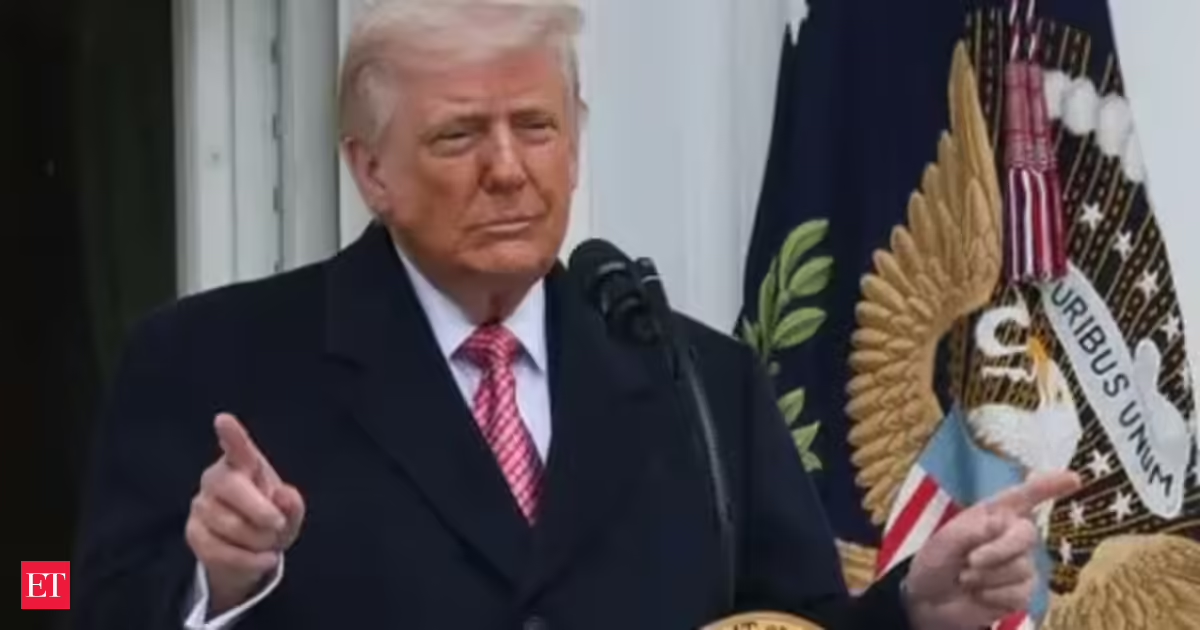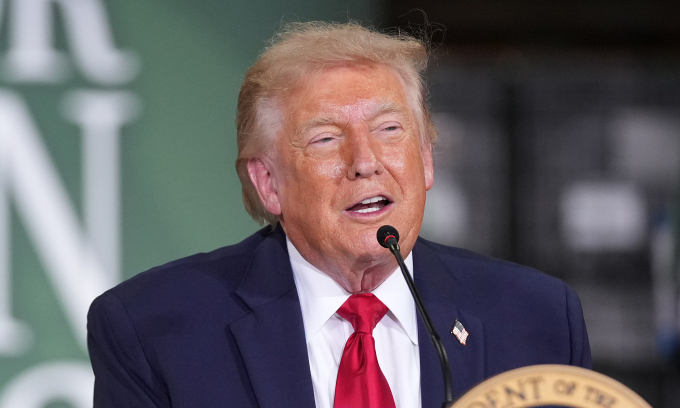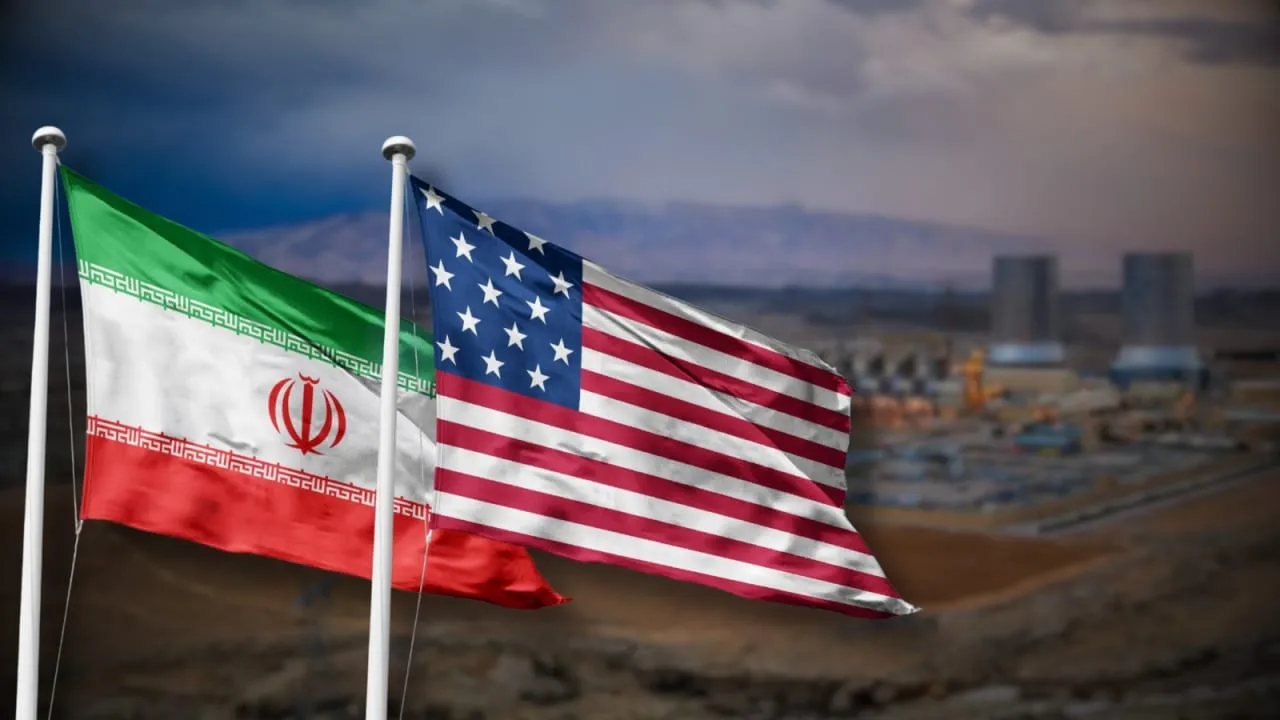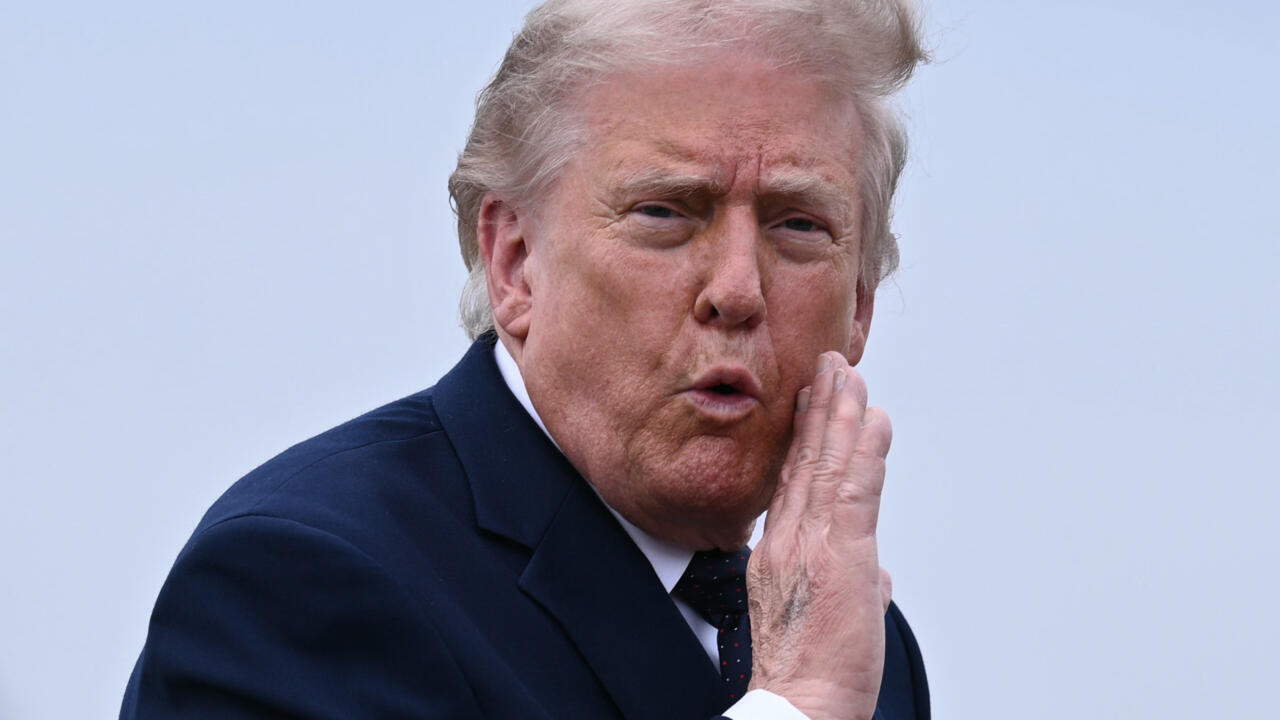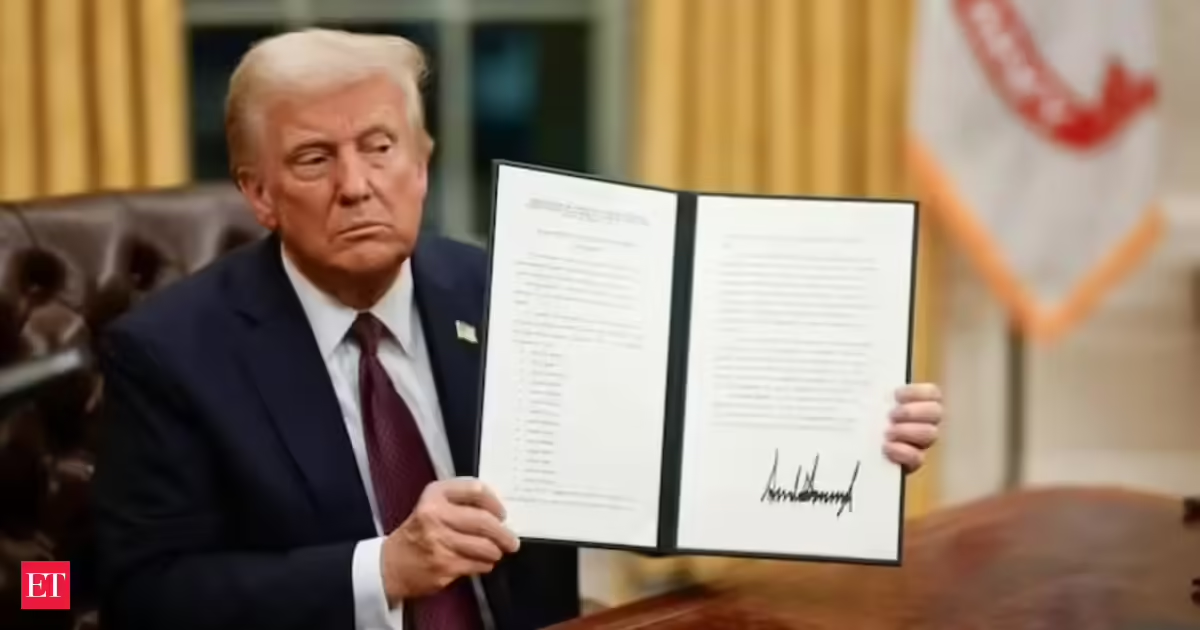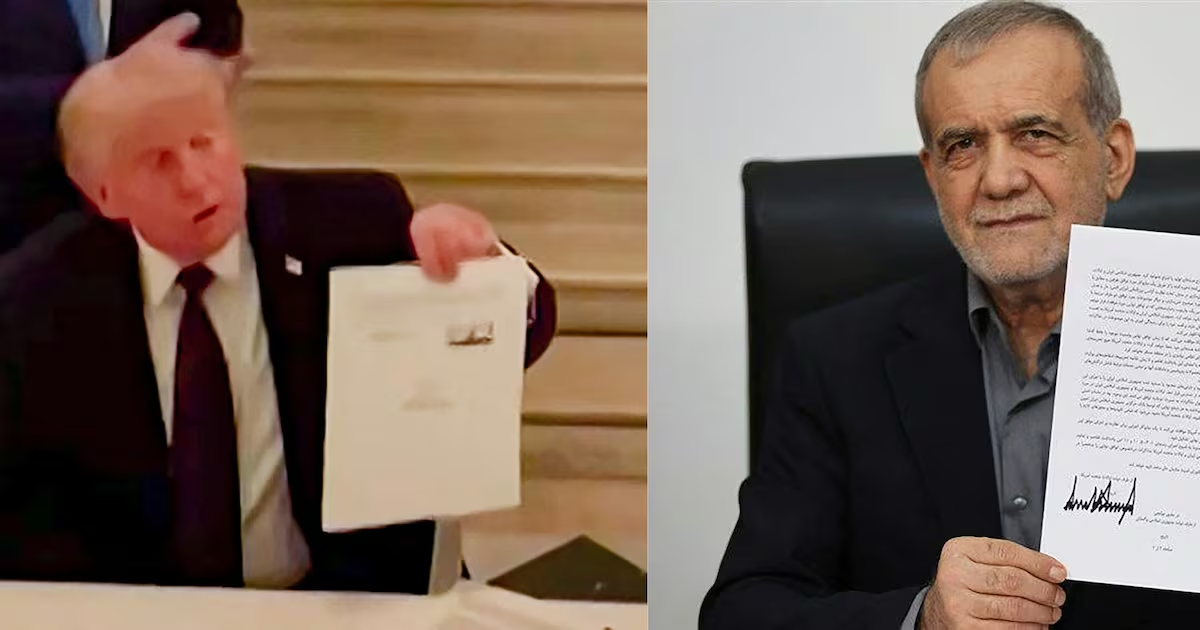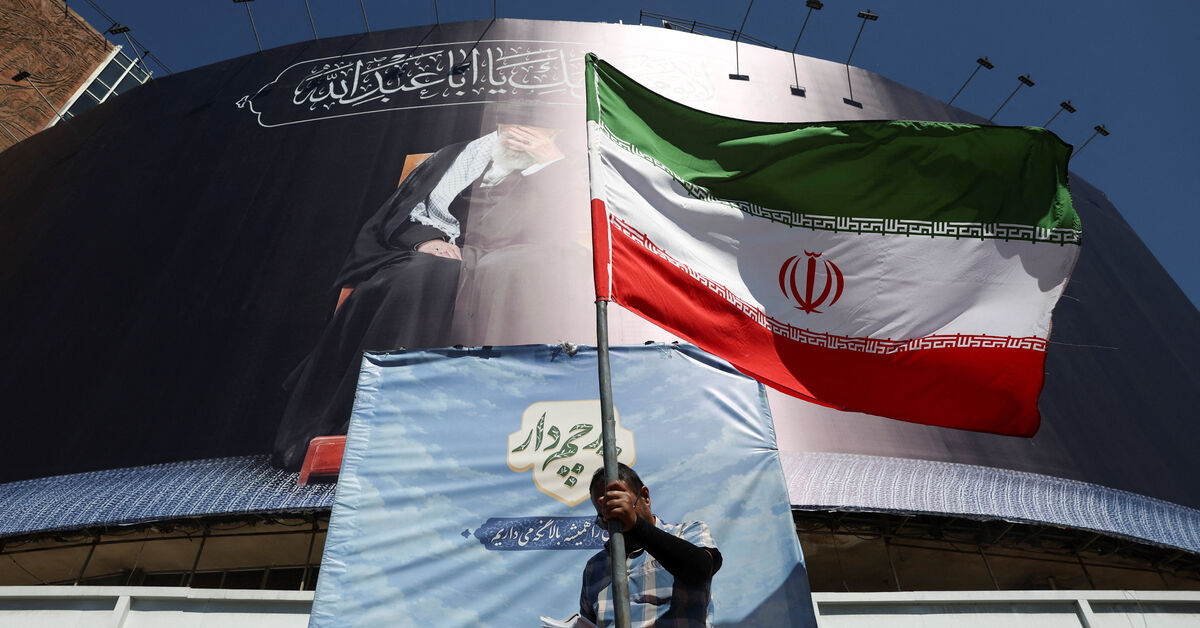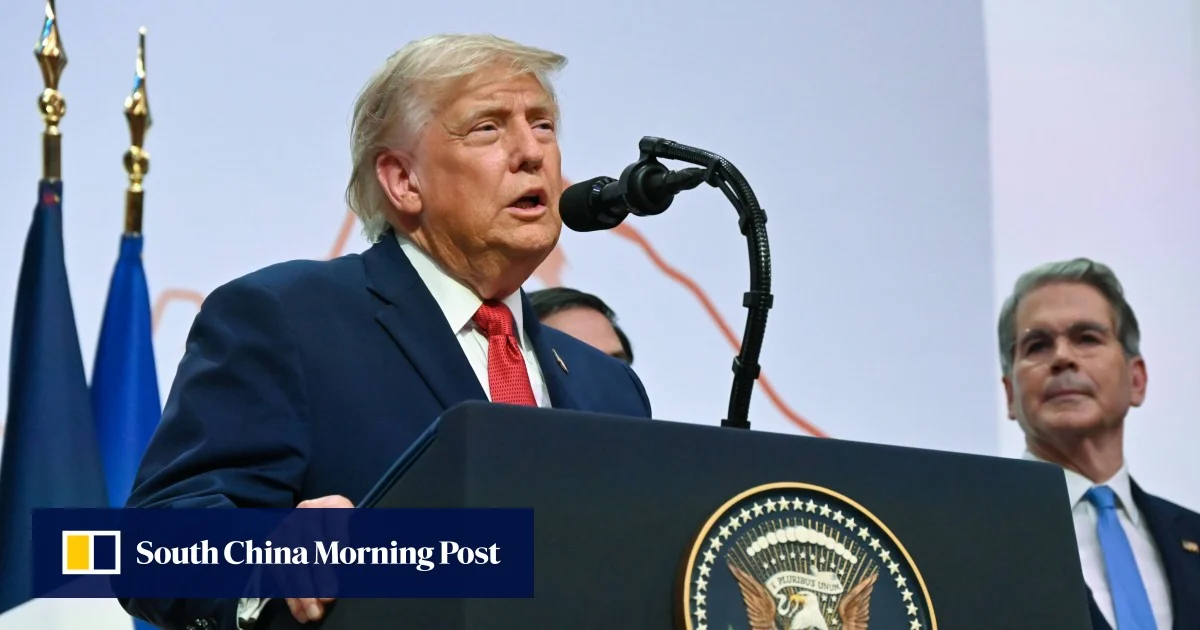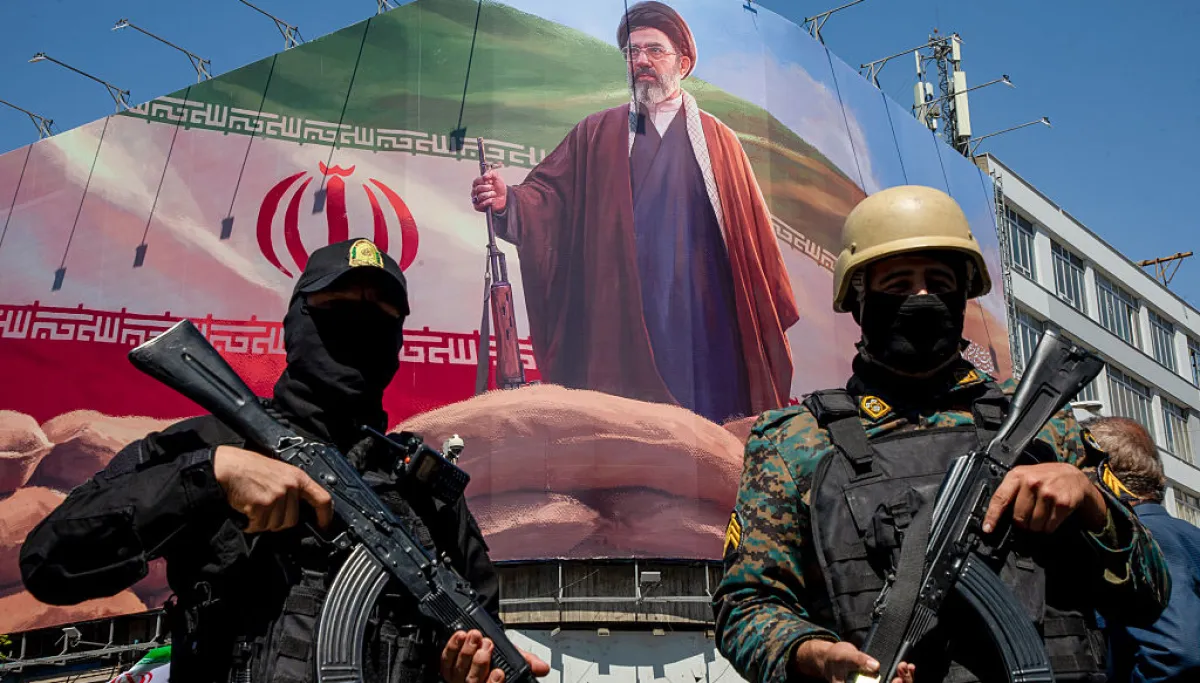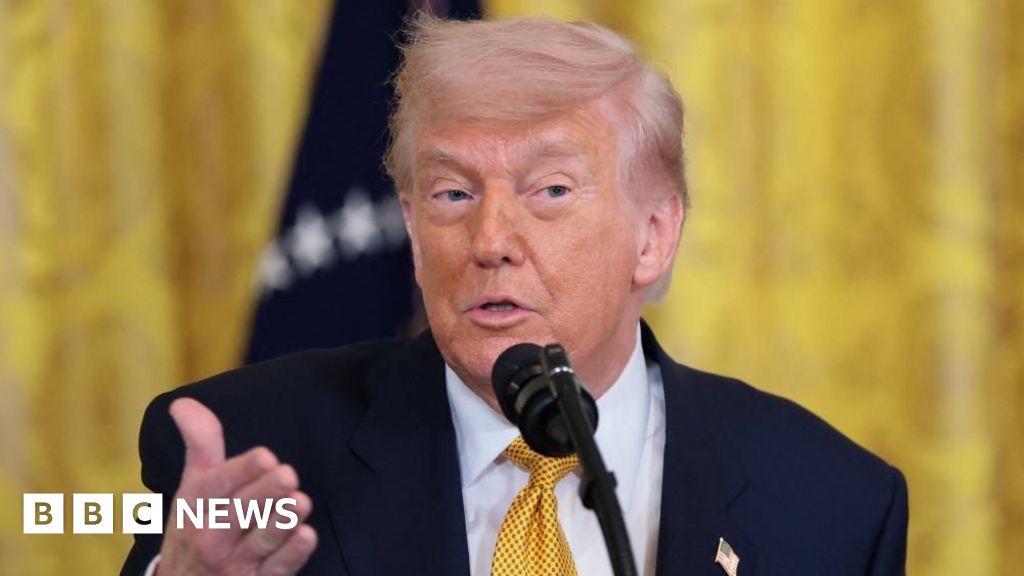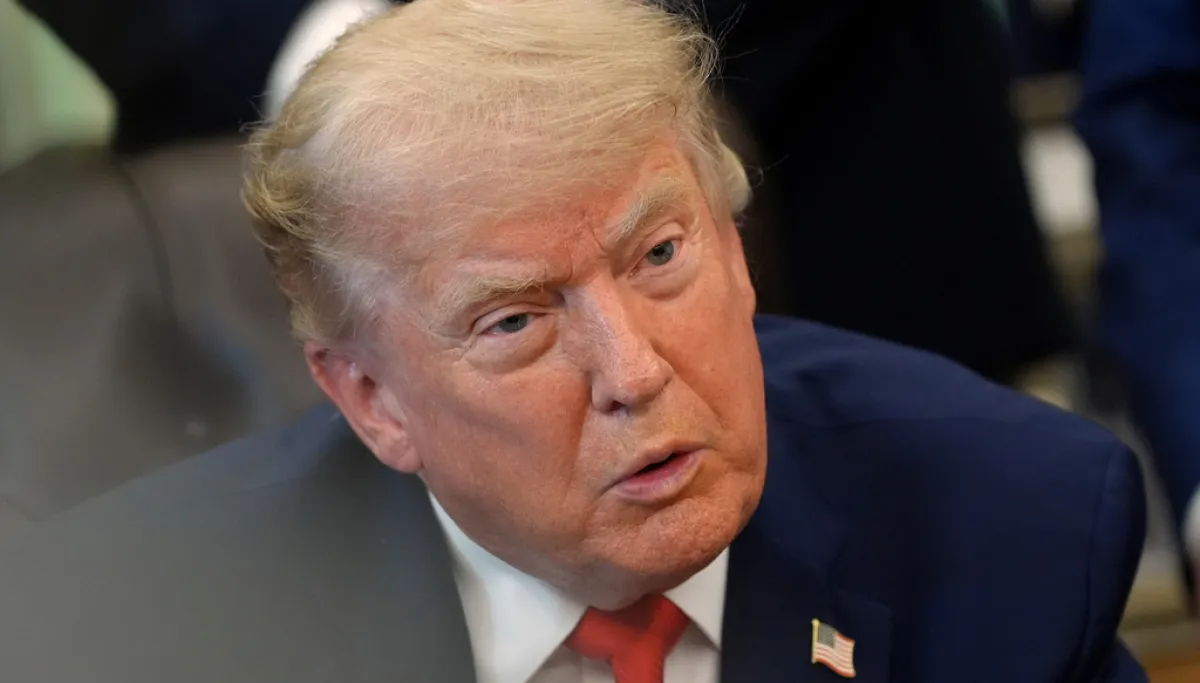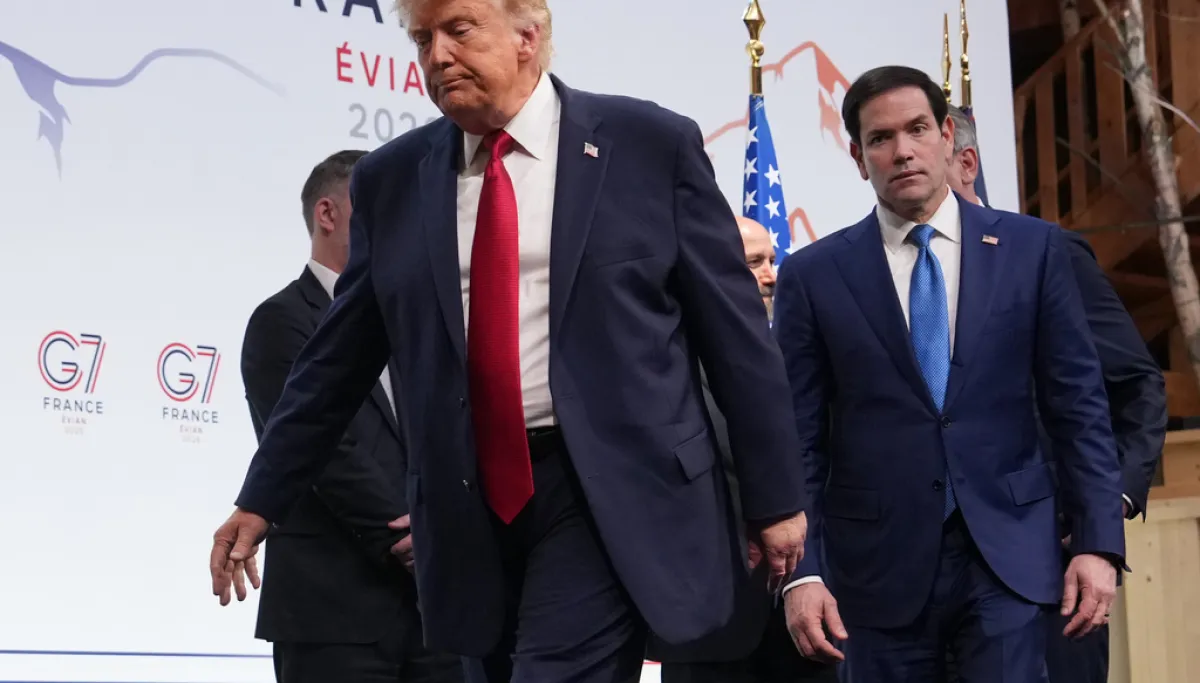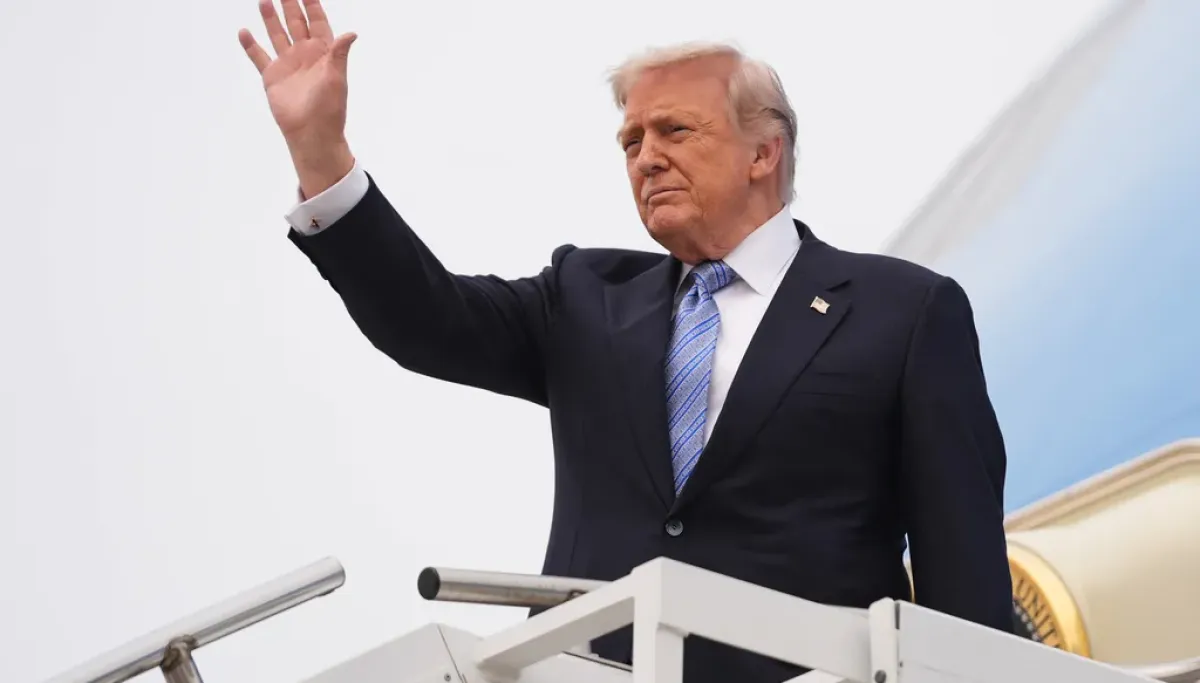
President Donald Trump has secured a framework agreement with Iran and is presenting it as a historic peace breakthrough. Supporters hail it as a major diplomatic achievement that reduces tensions, lowers the risk of war, and opens new channels of communication between Washington and Tehran.They may be right. Yet if Trump still harbors ambitions for a Nobel Peace Prize, he may be thinking too small. Even normalization between Israel and Saudi Arabia would pale beside a truly transformative breakthrough: an agreement in which Iran formally ends its conflict with Israel as part of a broader regional settlement that includes the creation of a Palestinian state.At first glance, the idea appears absurd. Iran is not merely another adversary. For many Israelis, it represents the country’s most dangerous enemy and a long-term existential threat. Likewise, opposition to Israel has been a defining feature of the Islamic Republic’s identity since 1979.
Yet international politics is filled with developments that once seemed inconceivable until suddenly they became unavoidable. The very existence of a U.S.-Iran agreement challenges one of the central assumptions shaping Middle Eastern politics: that hostility between Iran and the West is permanent and immutable.If Washington and Tehran can negotiate after decades of confrontation, the realm of the politically possible becomes somewhat larger than many observers assume.What is envisioned here is not merely another diplomatic initiative. It would require a dual ideological rupture.For Israel, it would mean accepting a demilitarized sovereign Palestinian state in the West Bank and Gaza, a step many Israelis currently regard as incompatible with their security after Oct. 7. For Iran, it would mean abandoning a revolutionary posture in which hostility toward Israel has long served as a central organizing principle.Such transformations are rare. They tend to occur not through gradual diplomacy but through strategic exhaustion, changing regional realities, and the recognition that old assumptions no longer produce security. To understand how dramatic shifts can occur, it is worth recalling an earlier moment when Israeli public opinion appeared immovable until it wasn’t.Before Egyptian President Anwar Sadat’s visit to Jerusalem in 1977, the idea that Israel would relinquish the Sinai Peninsula seemed politically impossible. Sinai was not merely territory. It was a strategic buffer, a symbol of victory after the Six-Day War, and home to Israeli settlements and military infrastructure.Yet within two years, a majority of Israelis supported a complete withdrawal in exchange for peace with Egypt.Today, conditions appear far less favorable. Since Oct. 7, 2023, Israeli society has experienced profound trauma. Trust in adversaries has collapsed. Support for territorial compromise has fallen sharply. Polling consistently shows deep skepticism toward the idea that a Palestinian state could coexist peacefully alongside Israel.Under such circumstances, a proposal linking peace with Iran to Palestinian statehood would almost certainly be rejected at first. Many Israelis would view it as a trap. Others would see it as an attempt by Tehran to achieve through diplomacy what it failed to achieve through confrontation. The notion that Iran could suddenly transform from principal adversary to peace partner would strike many as unbelievable.The Israeli Right’s reaction would be predictable. It would point to the Oslo process and the Gaza disengagement as evidence that territorial concessions produce greater insecurity rather than peace. The more interesting question is whether the broader Israeli public might eventually evaluate such a proposal differently if it promised a fundamental transformation of Israel’s strategic environment.For decades, Israel has confronted what military planners often describe as a multifront challenge: Hezbollah in Lebanon, Hamas in Gaza, armed groups in Syria and Iraq, the Houthis in Yemen, and, behind them all, Iran.The benefits for Israel could be immense. A comprehensive agreement with Iran could help neutralize the network of regional confrontation that has defined Israeli security planning for a generation. It would free enormous military, economic, and political resources currently devoted to preparing for the next escalation.More importantly, it would offer Israelis something largely absent from public life for decades: the possibility of looking beyond the horizon of the next war.From Iran’s perspective, such an initiative would not be an act of goodwill but strategic calculation.Years of sanctions, isolation, and confrontation have imposed high economic costs. A comprehensive settlement could open pathways to investment, trade, and economic recovery while allowing Tehran to redefine itself as a central diplomatic actor rather than a permanent revolutionary challenger. Crucially, a Palestinian state would also allow Iran’s leaders to argue decades of support for the Palestinian cause had achieved a historic result. Rather than presenting peace as surrender, Tehran could portray it as the culmination of a long political struggle.Of course, powerful obstacles remain. Opposition to Israel has long served as a source of legitimacy for the Islamic Republic and a justification for the dominance of the security apparatus. Many hard-liners would likely view such a transformation as a threat not merely to policy but to the regime itself.For decades, the dominant assumption in diplomacy has been that resolving the Palestinian issue would unlock broader regional peace.But what if the opposite is true?What if only a broader regional settlement can create the political conditions necessary for Israelis and Palestinians to reach an agreement of their own? None of this is likely in the near term. An Israeli-Iranian peace agreement linked to Palestinian statehood remains far beyond today’s political horizon.Yet so did peace between Egypt and Israel before Sadat landed in Jerusalem. So did diplomatic relations between Israel and several Arab states only a few years ago.Trump’s agreement with Iran will not by itself transform the Middle East. What it may do, however, is demonstrate that even adversaries locked in decades of hostility can eventually conclude that endless confrontation no longer serves their interests.The most consequential diplomatic breakthroughs are rarely the ones experts consider likely. They are the ones everyone first dismisses as impossible.No American president has brokered peace between Israel and Iran. No American president has simultaneously resolved the Palestinian question and the strategic rivalry that has shaped the modern Middle East for nearly half a century.WORLD REACTS TO IRAN DEAL WITH MIX OF SKEPTICISM AND RELIEFIf Trump truly seeks a place in history, the agreement he has just secured should not be viewed as the culmination of a diplomatic effort, but as the opening move of a far more ambitious one. The road from Washington to Tehran may prove difficult. The road from Tehran to Jerusalem may appear impossible.Then again, history’s most celebrated peacemakers are remembered not for accepting the limits of the possible, but for redefining them.Yehuda Lukacs is associate professor emeritus of global affairs at George Mason University and author of the recently published Op-Ed: Musings on War & Peace in the Middle East and Beyond.