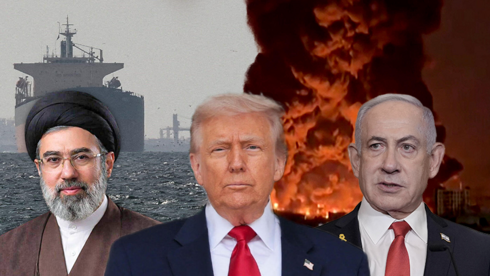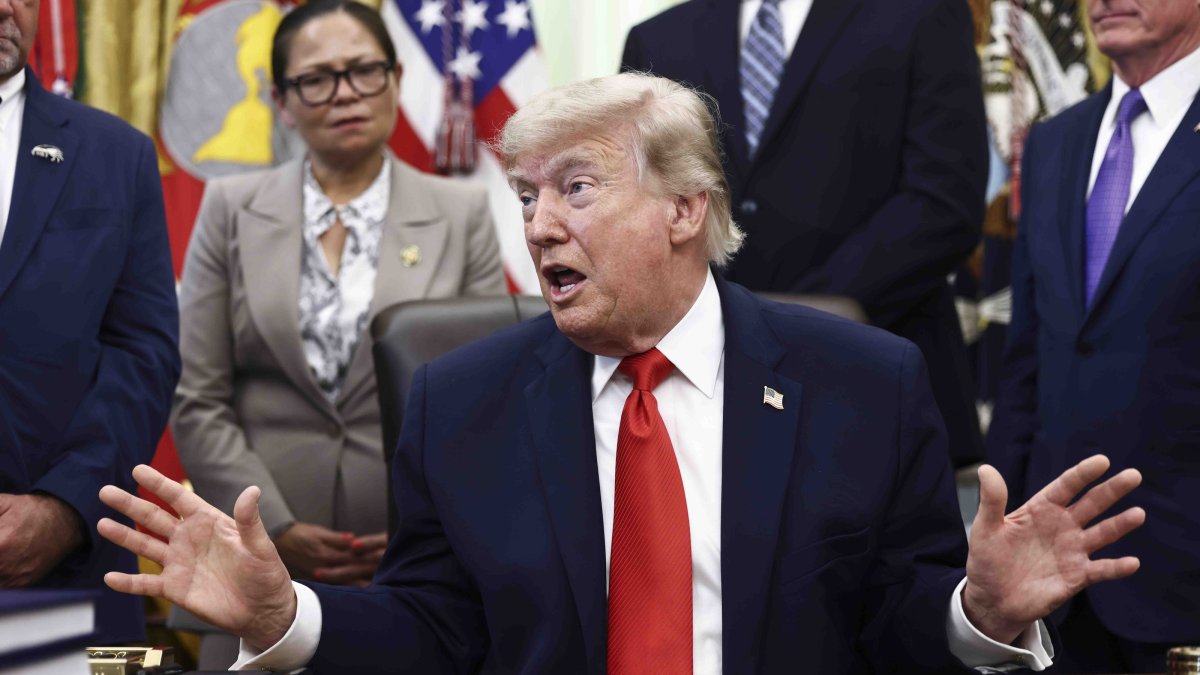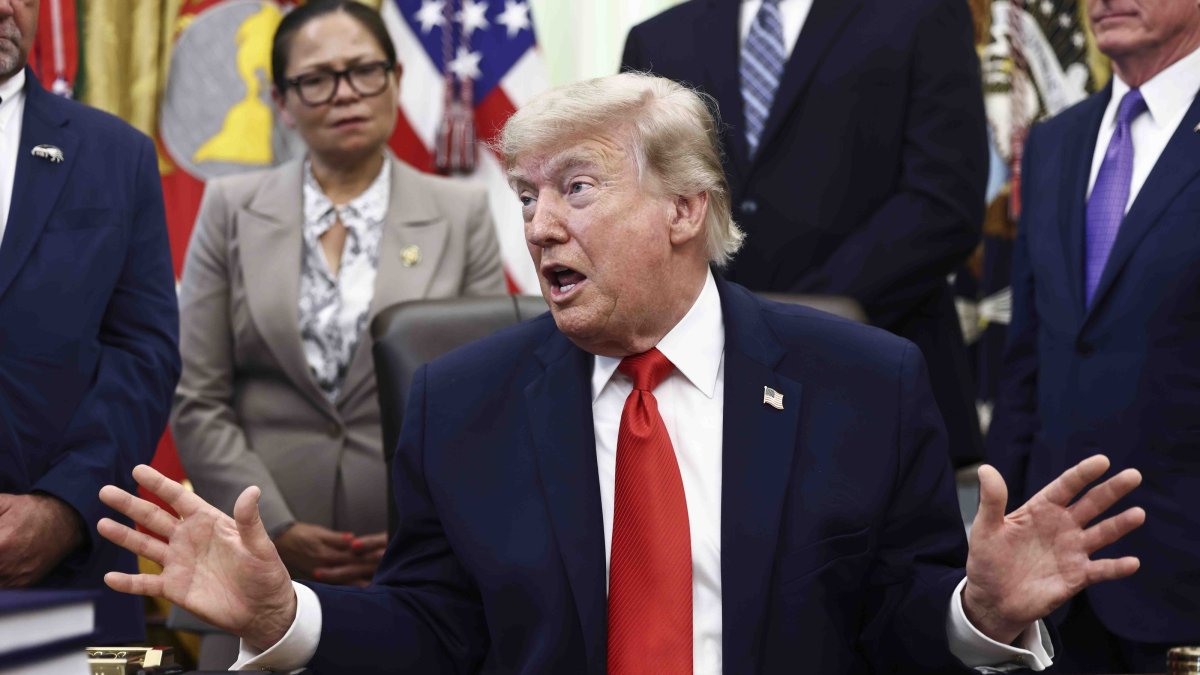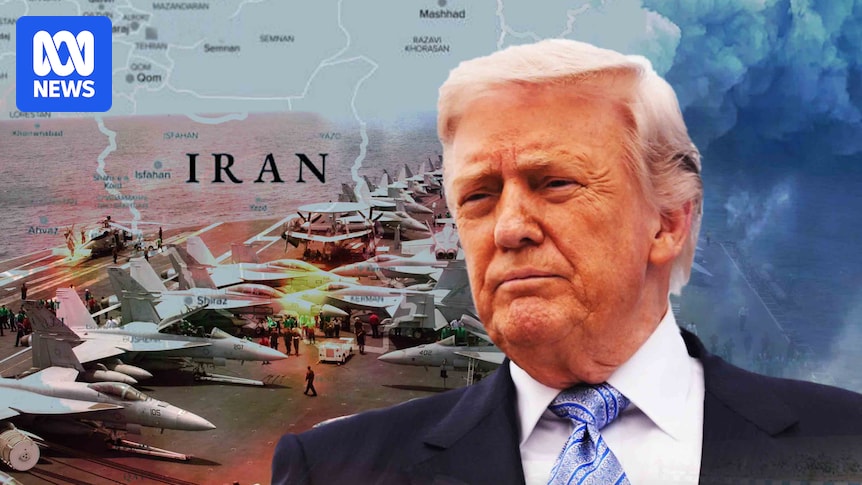
OSLO—You’d be forgiven if the past week of statements and strikes by and between Iran, the United States, Israel, and Hezbollah have given you a sense of whiplash. The capricious behavior and comments by all parties do not inspire confidence. But in its own way, the past week has been clarifying. The possibility of a full-scale war is diminishing, as is the likelihood that US President Donald Trump will simply wash his hands of the situation and walk away.
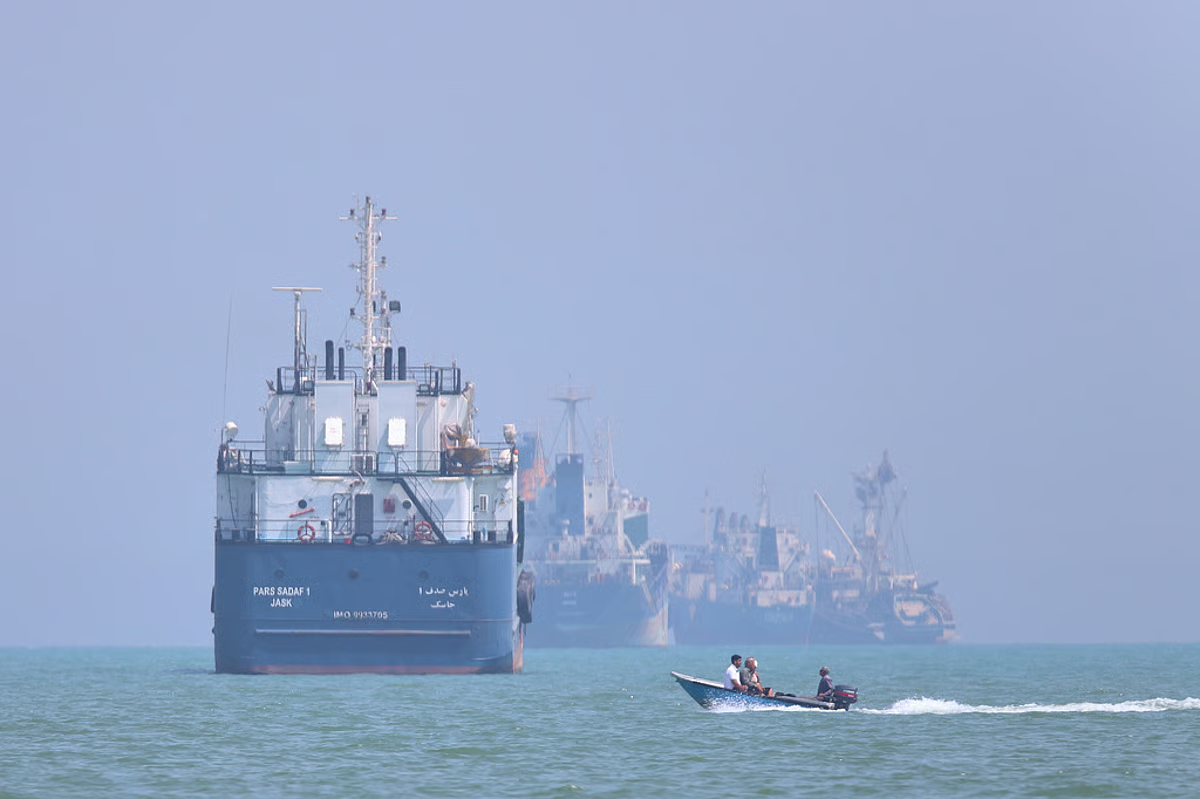
Either outcome remains a possibility, of course, but the most likely outcome is increasingly that of an initial Memorandum of Understanding (MOU) coming to fruition that invokes a permanent ceasefire. The key datapoint here isn’t anyone’s statement or tweet. It’s that despite the Strait of Hormuz continuing to be ostensibly closed and missile and drone strikes being launched across targets in Iran, the Gulf, Israel, and Lebanon, negotiations between Washington and Tehran have continued behind the scenes, to include now asking for additional mediation assistance from Doha, as well.
The Trump administration is right to not simply accept the terms that Iran is seeking to put on the table. A bad deal remains worse than no deal. But it’s important to note the distinction: What’s being discussed now isn’t a deal. It’s an MOU. It’s a rough outline and high-level explanation of the concepts a deal is supposed to be about. A sixty-day window is slated to follow the MOU for talks on Iran’s nuclear program. That’s unlikely to be enough both because of the technical aspects of the program and because page one in the Iranian playbook is to drag out negotiations and play for time. Tehran almost certainly is assessing that Trump, even if he does not get a deal within the sixty-day window, will not return to war—and that assessment is probably right.