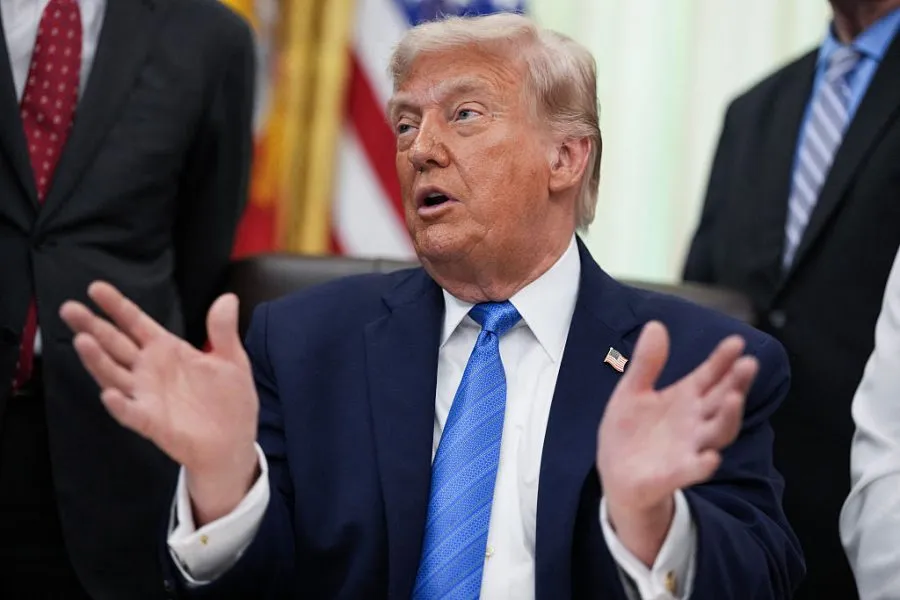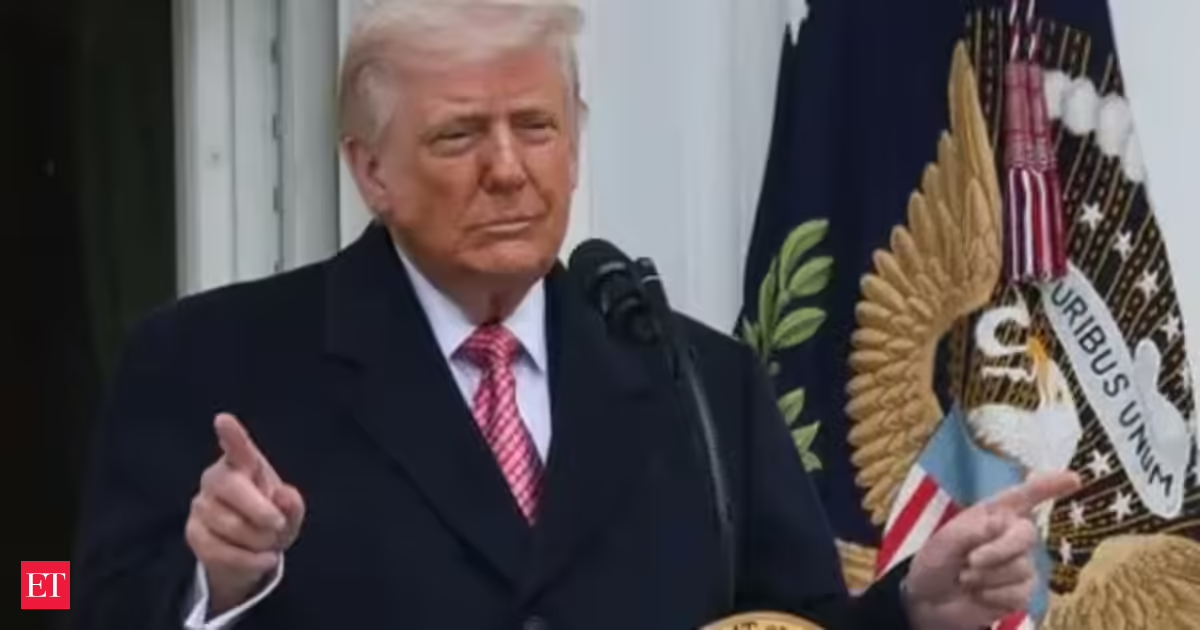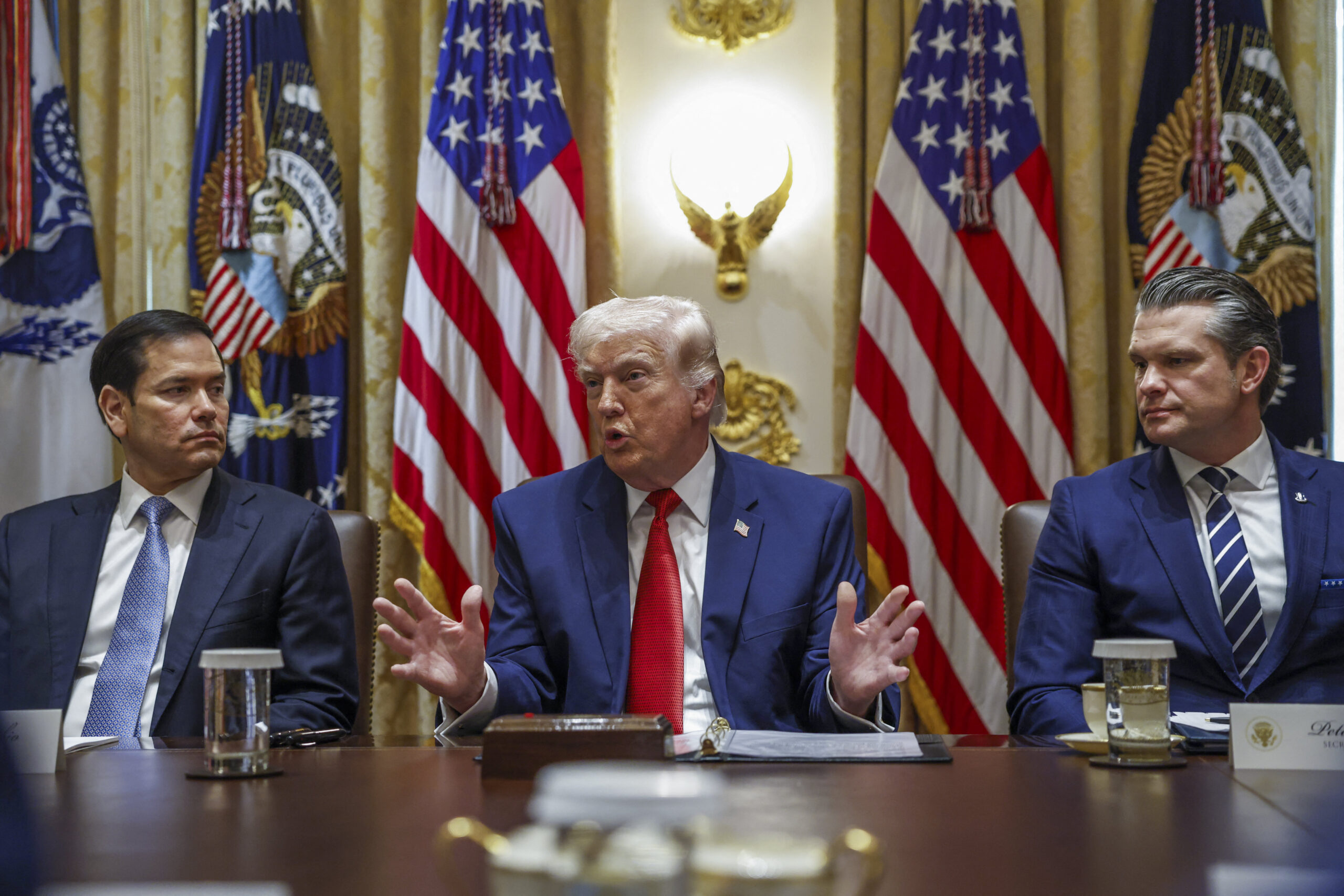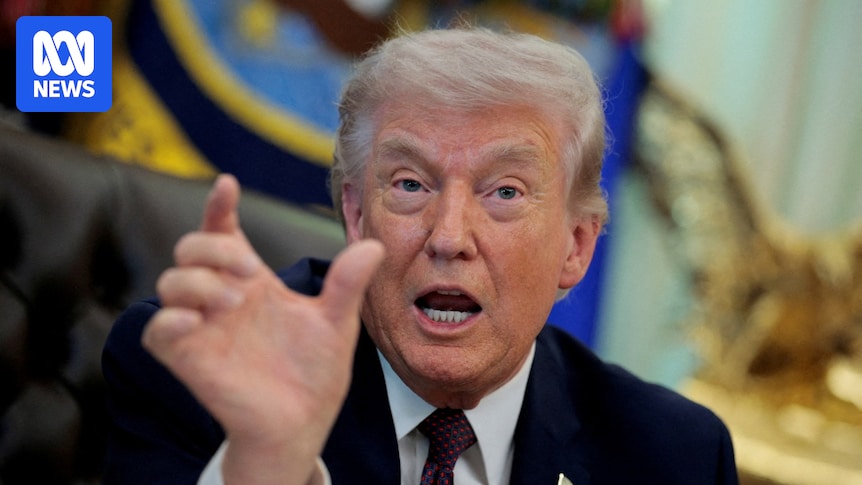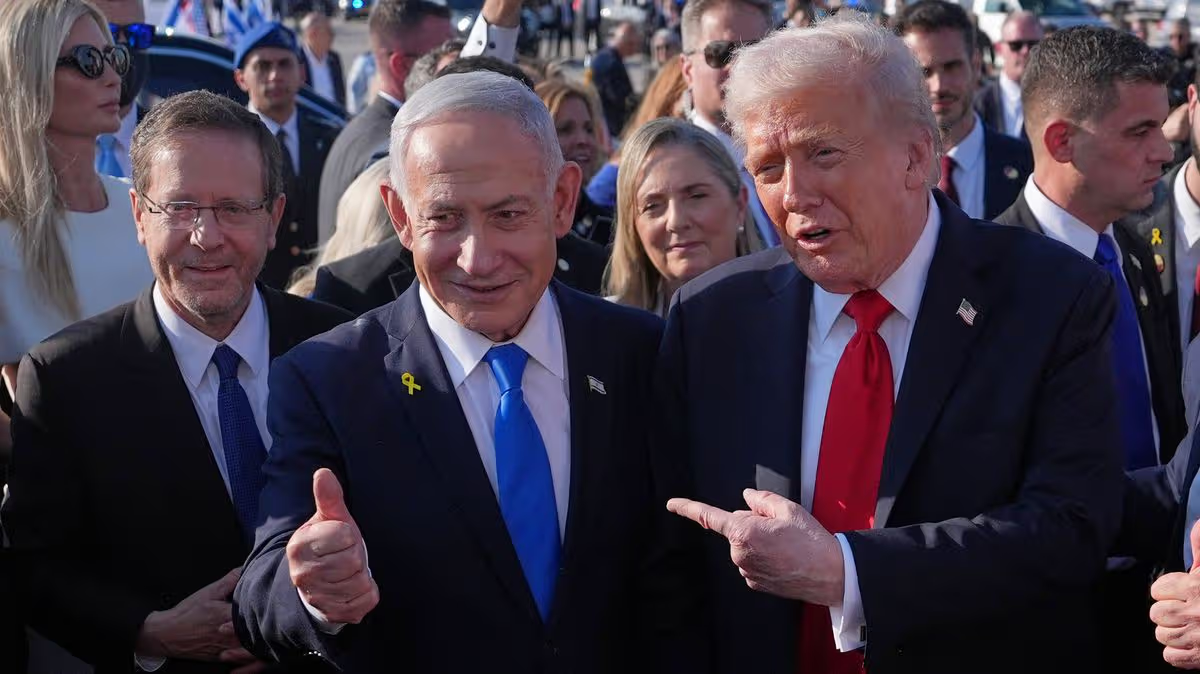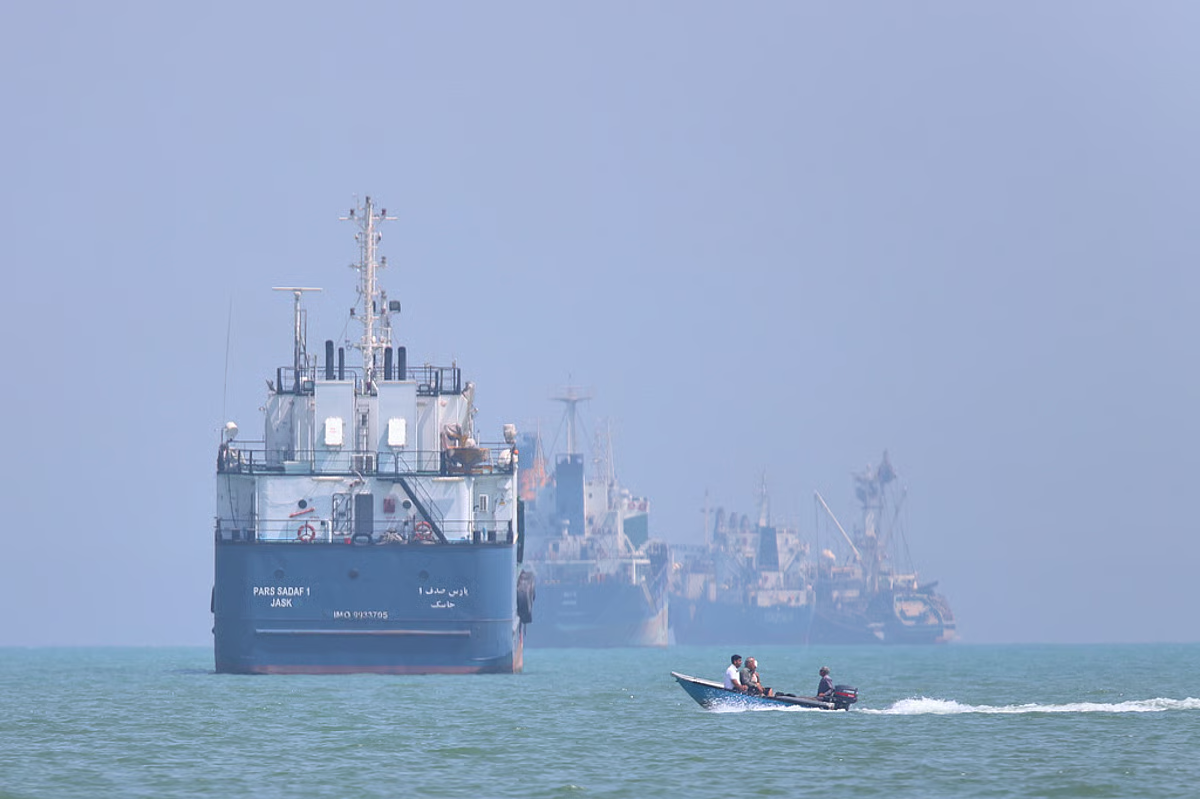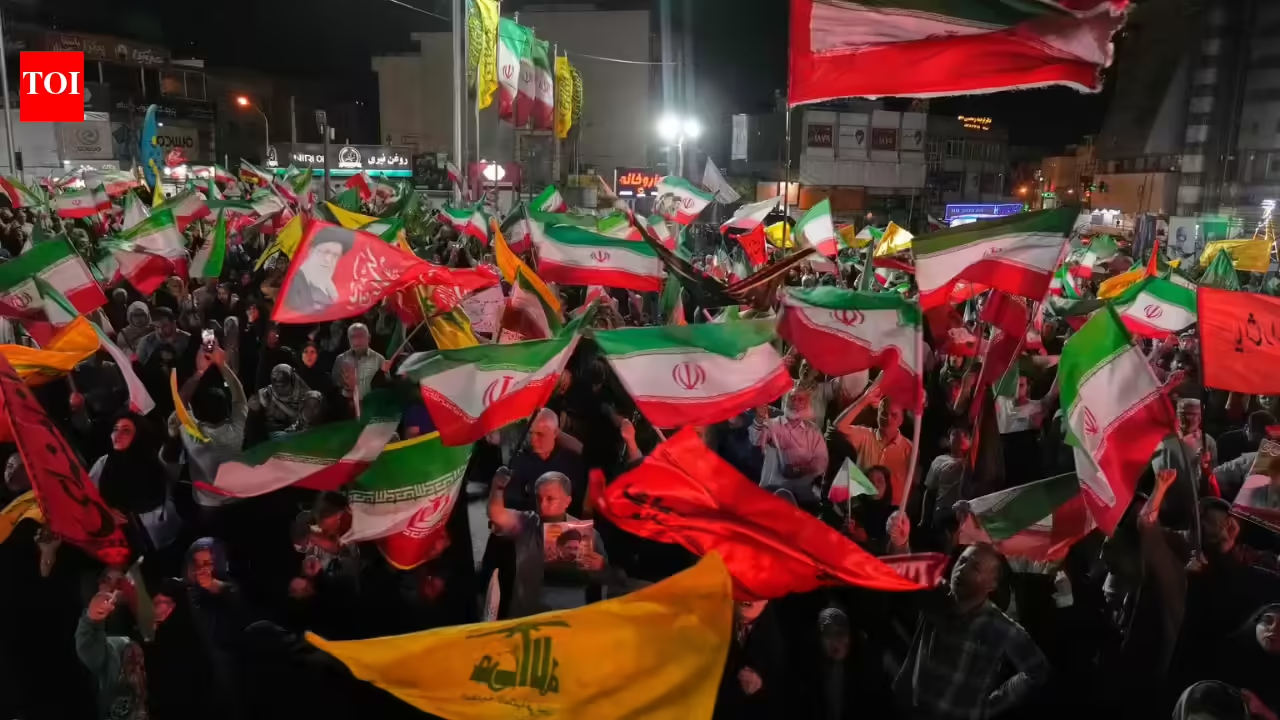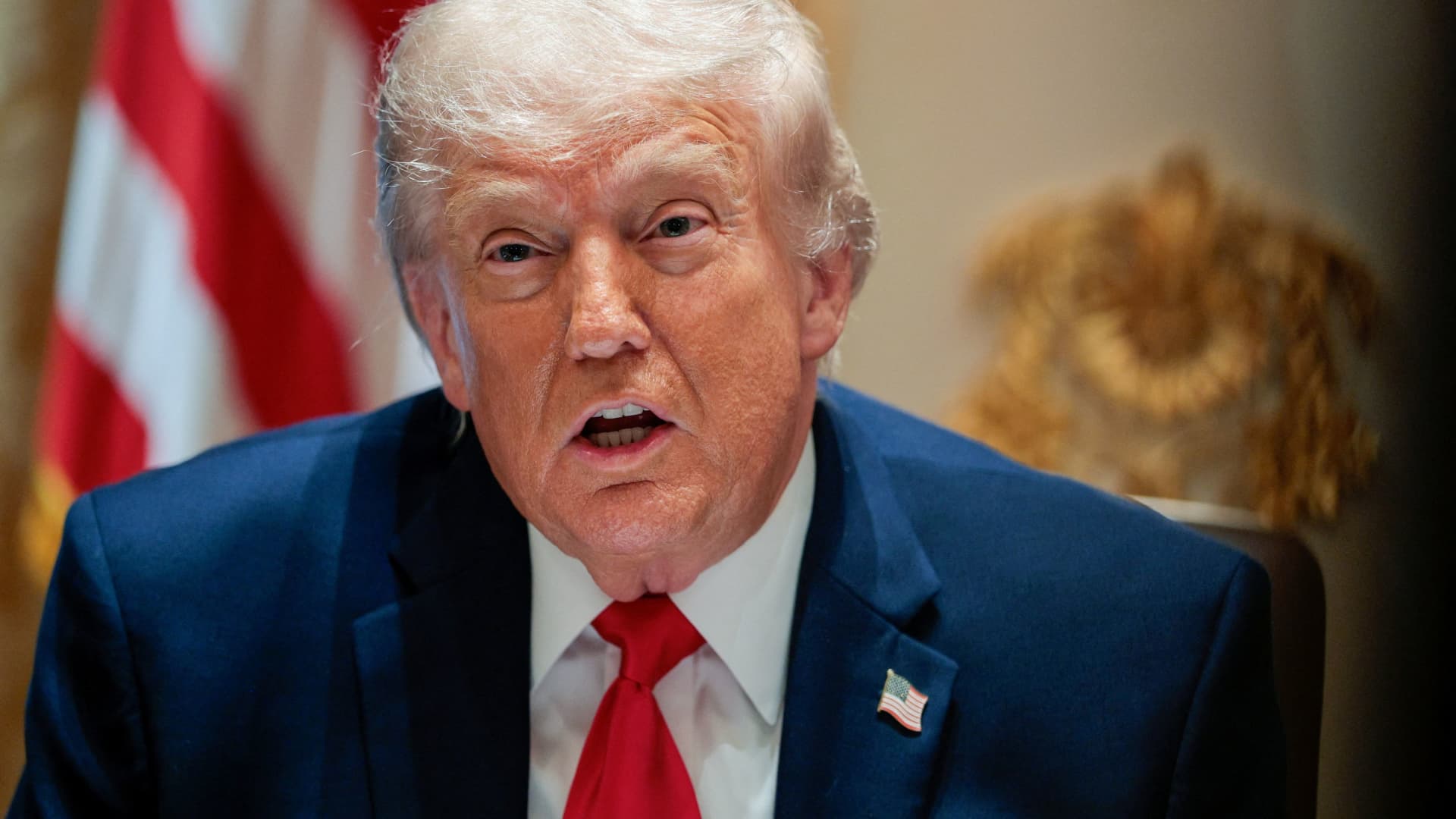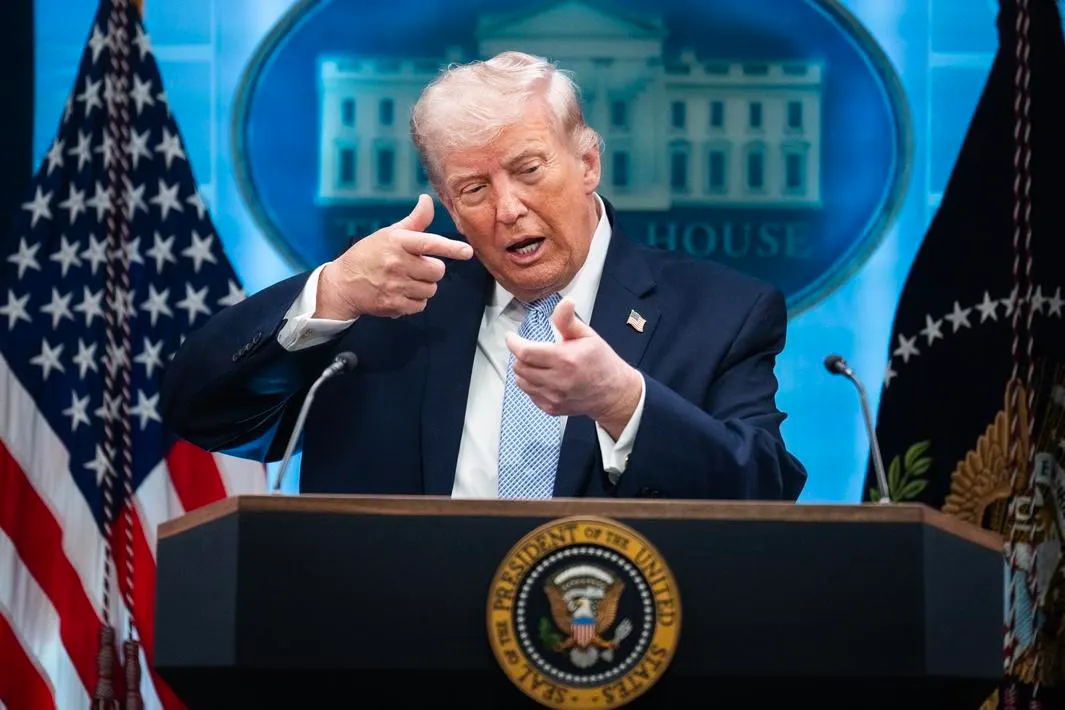
UNITED STATES - APRIL 6: President Donald Trump mimics firing a gun during a news conference in the White House briefing room about the war in Iran on Monday, April 6, 2026. (Tom Williams/CQ-Roll Call, Inc via Getty Images)CQ-Roll Call, Inc via Getty ImagesAfter repeatedly claiming that a peace deal or at least a more comprehensive ceasefire was imminent only to find that Iran disagreed, President Trump may have actually reached an agreement that will allow the Straits of Hormuz to be reopened. Oil prices have already plummeted (again) in anticipation of resumed flows and many are hopeful that will prove lasting, reducing gasoline and fertilizer prices and helping to moderate inflation.At this writing (Friday 8 a.m.), the details remain murky and confirmation from Iran is less than clear. Part of the problem is that both sides have discussed red lines, or terms that they consider essential to any agreement and beyond compromise, and it’s unclear if those have been addressed, but they might now be willing to compromise on them.Reopening the Straits will allow trapped tankers to resume travel and inventories to begin rebuilding, although how quickly production can be restored and how much demand will rebound are open questions. I have argued previously that concerns that oil fields will take months to reach pre-war production appear exaggerated, given past performance, but there will definitely be some delays. On the other hand, full storage tanks in Saudi Arabia and elsewhere will make up the difference, at least for a few weeks. The main point for markets is that traders’ expectations will drive prices lower (as they have repeatedly in response to other claims of an imminent deal), even if not all the way to pre-war levels. The idea that the security premium would vanish with an agreement to reopen the Straits is perhaps foolhardy, but as long as there are no major attacks, the premium should remain minimal.But that’s a big caveat. First and foremost, it’s not clear if Israel has signed off on the deal and it’s uncertain how the Iranians will respond if Israel continues fighting in Lebanon. And if Iran attacks Israel in retaliation for attacks on Lebanon, will the U.S. re-ignite the Gulf fighting? Also, Israel’s behavior will be driven in part by Hezbollah’s actions and Iran might not try to rein them in; even if they do, might be unable to do so.MORE FOR YOUSimilarly, pro-Iran militias in Iran could continue attacks on Gulf nations, including oil ports, possibly discouraging some shipowners from sending tankers into the area, especially the northern Gulf. However, Iran probably has a lot more influence over those militias than Hezbollah and/or the Houthis (who have been largely inactive of late), so this might not be the highest probability for renewal of the conflict.And after the initial attacks on Iran decapitated much of the leadership, local commanders were given more discretion to initiate actions against shipping and U.S. military assets in the region. In theory, a ceasefire would see the central government reassert more direct control of their subordinates, although concerns about assassinations might discourage them for rebuilding their electronic command and control systems, making that more difficult. A rogue IRGC commander might launch some drones, triggering a U.S. response, but minor attacks would probably be overlooked. Assuming that the fighting remains sporadic and low-level, then the U.S. will probably honor the ceasefire, possibly attacking a missile launcher occasionally. But if the primary requirement for Iran is to cease attacks on shipping, the U.S. will have little cause to reimpose the blockade or resume the conflict unless Straits traffic is seriously hindered. Still, the many other actors involved—Israel, Hezbollah and others—means that there is a good chance that the deal will prove fragile, stuttering and maybe even falling apart. And if there is no progress on a permanent agreement, The issue of Iran’s enriched uranium and support for militias might not be resolved, and the U.S. might drag its feet on unfreezing Iranian assets. The fact that these issues have been front and center for so long without resolution implies that another 60 days will not be adequate to reach agreement. What happens when the ceasefire expires? Trump has in the past extended the earlier ceasefire after threatening to rain death and destruction on Iran, and that is possible again. Conceivably, the Iranians will do what they typically do, try to drag out negotiations. In that case, Trump might become frustrated and announce a new round of attacks, which could bring Iranian retaliation to targets in the Gulf. But both sides could then treat it as a ‘one and done,’ allowing the Straits to remain open.So, at this point, while there remains an enormous amount of uncertainty about how and when the ceasefire will be implemented, it appears likely that the Straits will shortly be reopened and that oil prices will, after their initial drop, slowly drift towards pre-war levels as global inventories rebuild. This augurs well for the world’s consumers, but there can be many a slip ‘twixt cup and lip, as the oil analysis say. Or perhaps a more accurate aphorism would be don’t count your barrels before they’re refined
The Iran Deal Could Be The Real Deal, But Could Be Fragile
The proposed ceasefire will see oil prices drop, but there is still potential for various actors such as Hezbollah to sabotage it.
862 words~4 min read