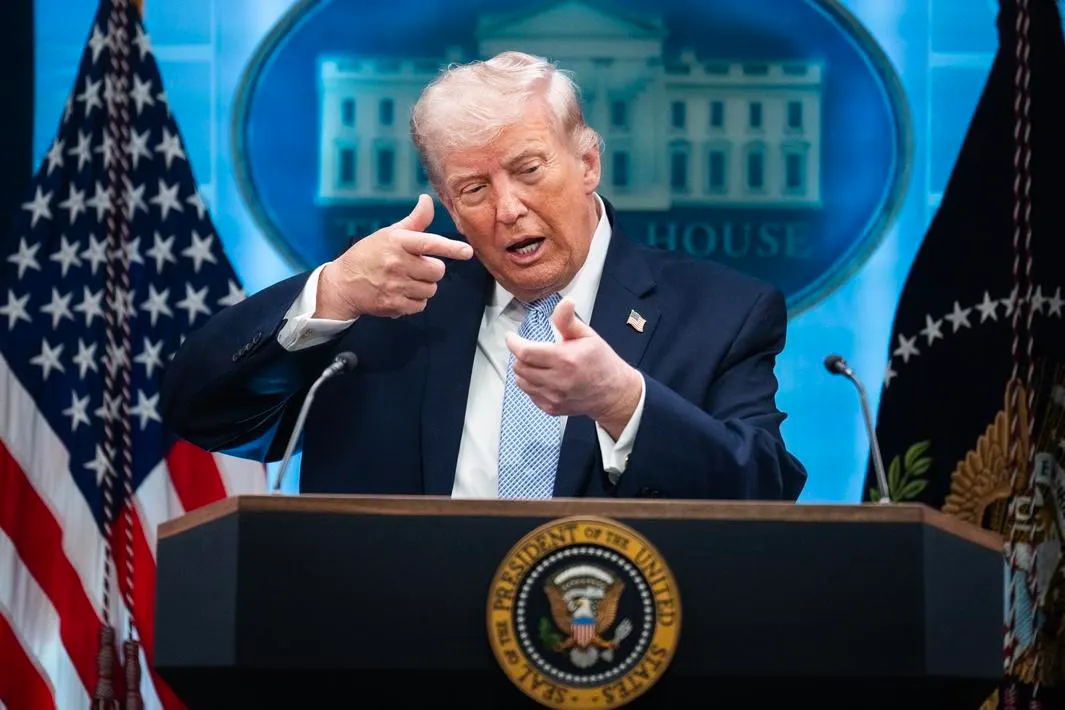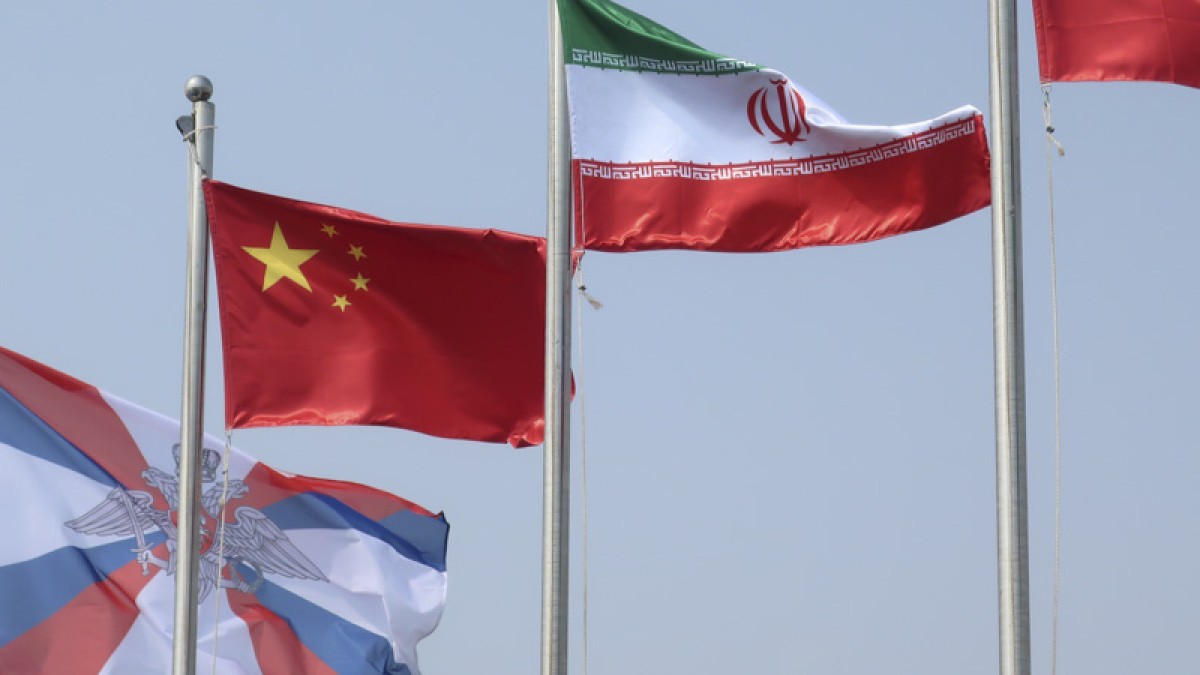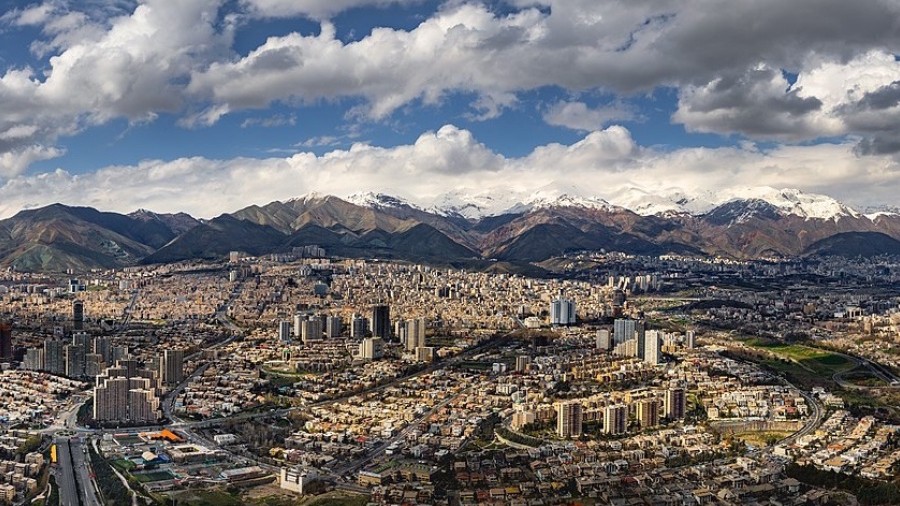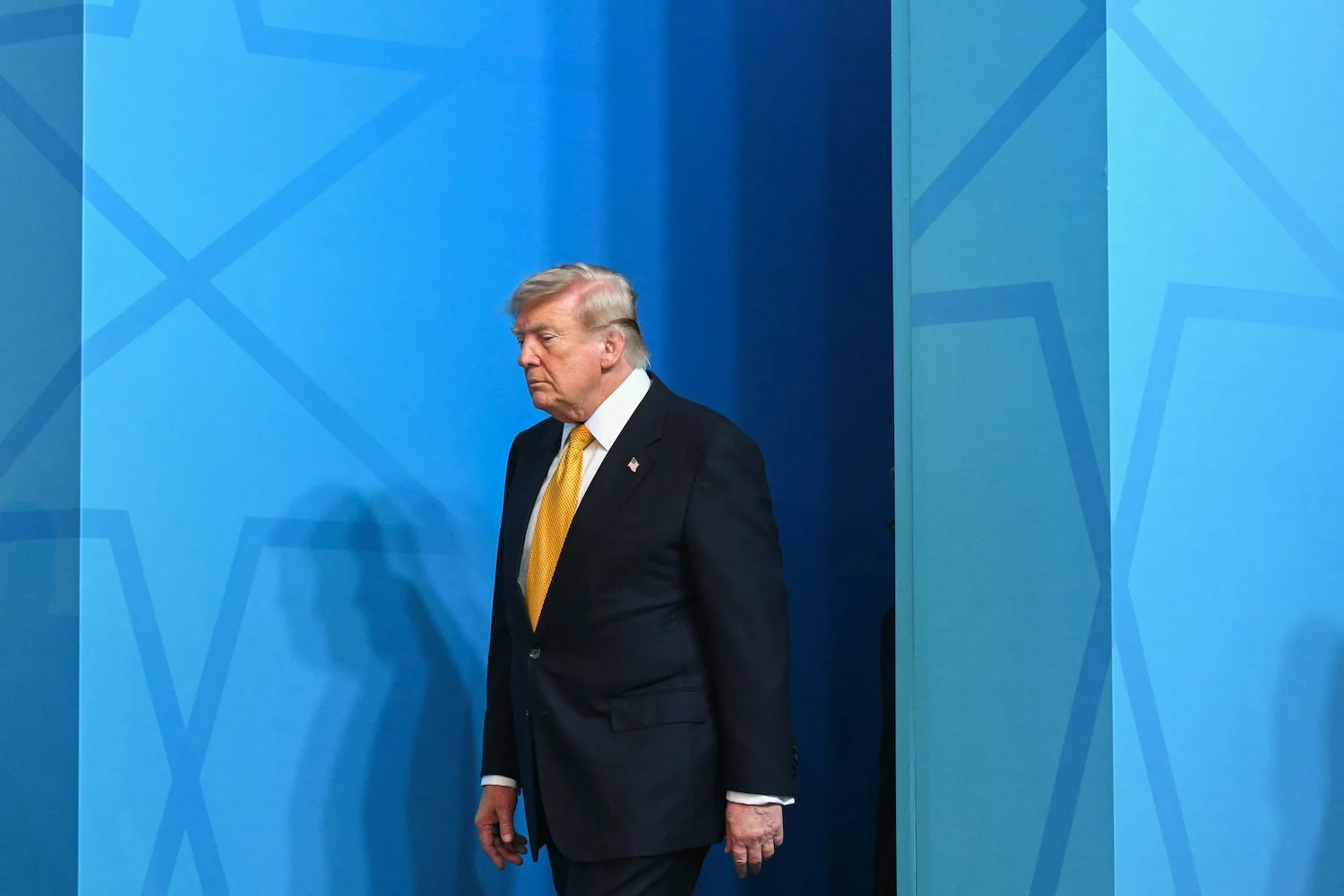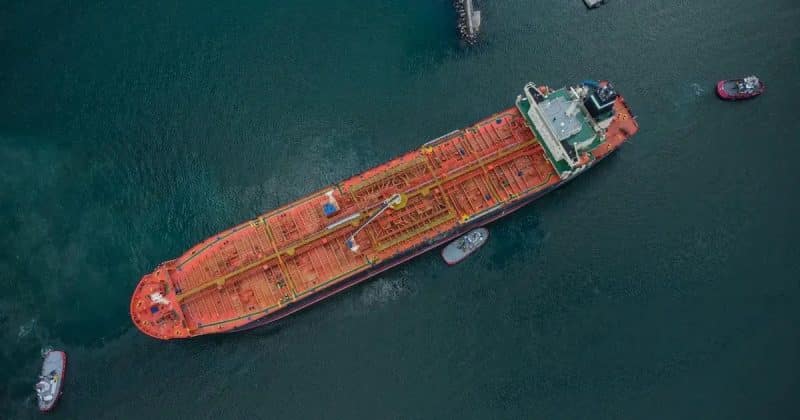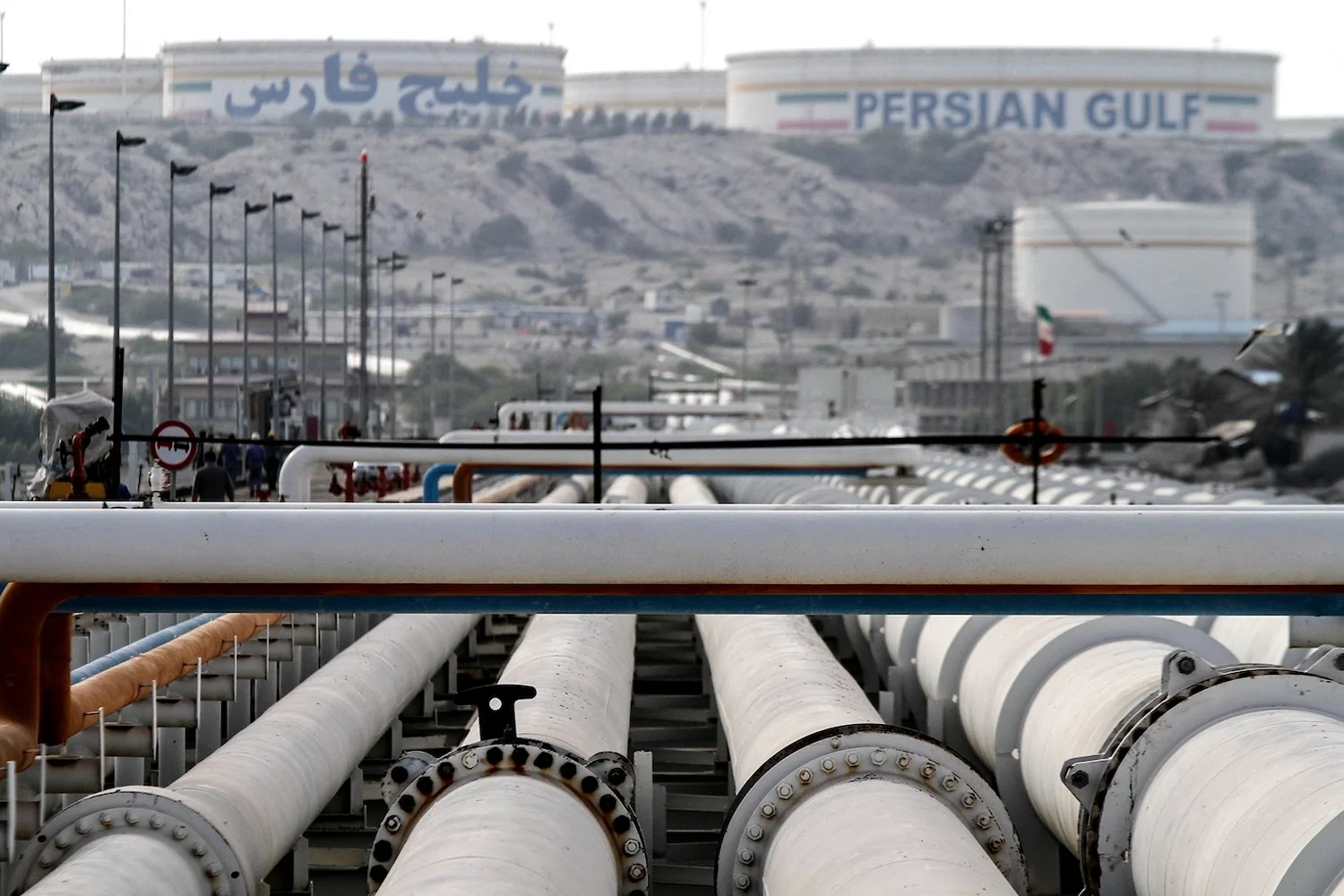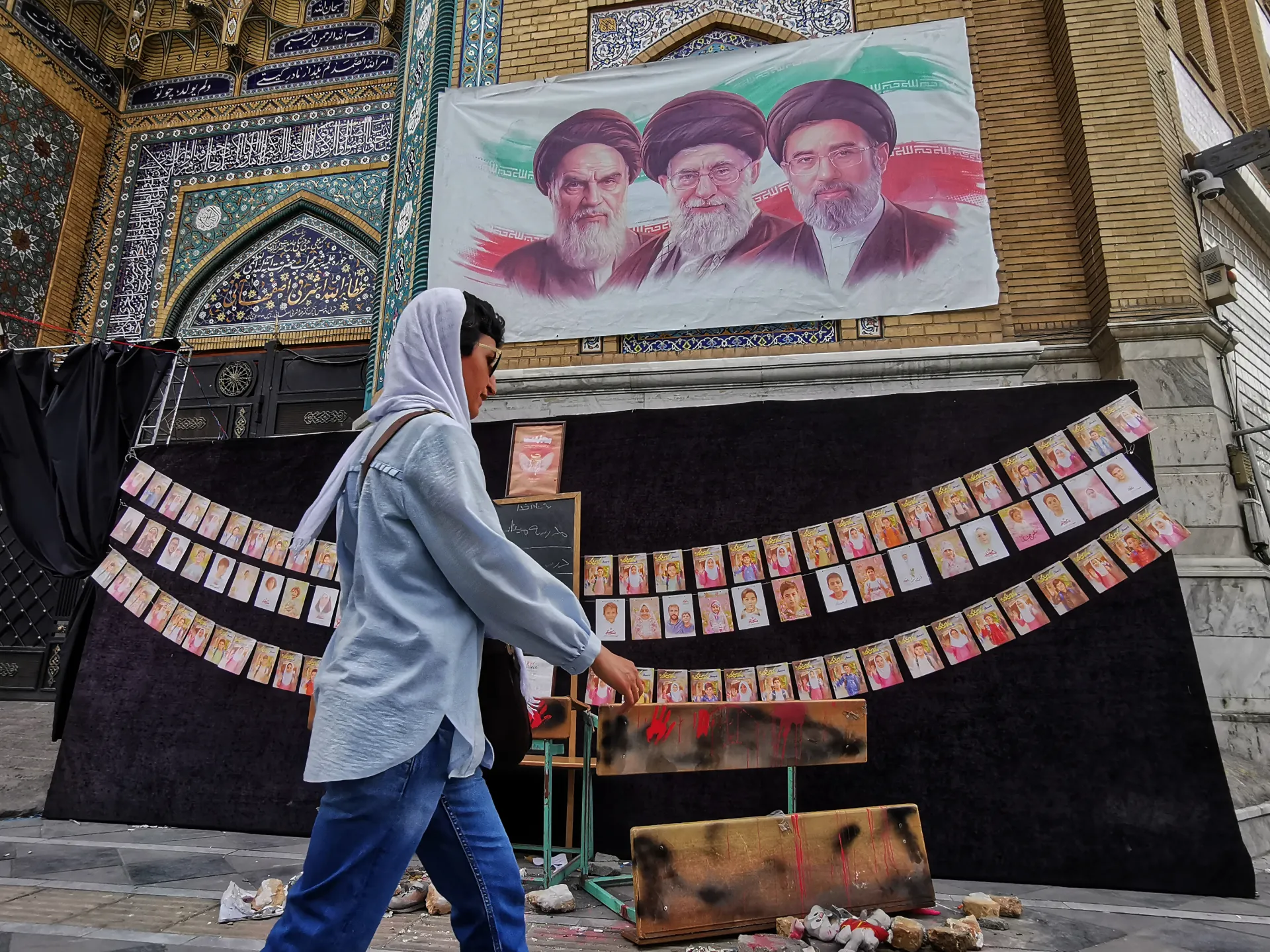
After more than three months of fighting and stop-start negotiations, Washington and Tehran are now reportedly on the verge of a deal that would end the conflict. However, according to well-placed sources in Washington, Tehran, and London exclusively spoken to in the past few days by OilPrice.com, the sound and fury of the past few weeks may ultimately amount to a tale of sound and fury signifying nothing. “It’s pretty likely that we’ll [the U.S.] wind up with the same sort of deal we had in the JCPOA [Joint Comprehensive Plan of Action, or colloquially ‘the nuclear deal’], although maybe we might lose a bit while Iran gains something,” a Washington-based figure who works closely with the U.S. Treasury’s legal operations told OilPrice.com over the weekend. So, what is the outlook for the peace deal, and what will happen to energy prices afterwards?From the U.S. perspective, President Donald Trump laid out the four objectives he wanted to achieve with the U.S. war against Iran and its proxies at the beginning of the conflict back in February, and these were fully agreed upon by his cabinet at the time. The first (in the order in which he said them), was to make it impossible for Iran to build a nuclear arsenal. The second was to degrade and destroy its missile stockpiles and production capabilities. The third was regime change. And the fourth was to end Tehran’s financing and arming of its proxies. So, to what degree have these war aims been achieved? First, on the key issue of Iran’s nuclear programme, its Fordow fuel enrichment plant was ‘rendered inoperable’, according to the U.S. Department of War, while the Natanz site’s above-ground fuel enrichment facility was ‘completely destroyed’ and its underground laboratories suffered ‘very significant damage’. The same applies to the Isfahan Nuclear Technology Centre -- a critical chokepoint for converting uranium into the gas needed for enrichment. However, up to 440 kilograms of 60% enriched uranium that the International Atomic Energy Agency lost track of last year remains unlocated, and the Agency acknowledges that the full extent of Iran's current activities — particularly at secret sites, as exclusively analysed by OilPrice.com — remains unknown. On the second aim, U.S. intelligence assessments reveal that roughly 70% of Iran’s pre-war ballistic missile stockpile remains intact, but around the same percentage of its missile launchers have been destroyed. In addition, attacks of Iran’s Ministry of Defence and Armed Forces Logistics infrastructure destroyed 15 key weapons production sites tied to advanced ballistic missile development. And Iran’s manufacturing capabilities were further degraded by U.S. and Israeli attacks on three major steel factories in Mobarakeh, Khuzestan, and Sefid Dasht. However, earlier this month, U.S. intelligence officials warned that Iran's defence industrial base is recovering much faster than expected with the help of components supplied via covert networks from China. Meanwhile, the third objective -- regime change -- can be argued by Trump to have changed, with the removal of former Supreme Leader Ali Khamenei and dozens of top Iranian religious, political, and military figures through strikes coordinated with Israel. That said, the country’s hardline Islamic regime is still in place, supported by the die-hard guardians of the 1979 Revolution, the Islamic Revolutionary Guards Cops (IRGC). Less equivocal for the time being, at least, is the U.S. and Israel’s achievement of Trump’s fourth aim, with Operation Epic Fury completely fracturing the command structure between Tehran and its network of terrorist proxies. The deaths of key leaders have left proxy groups acting as isolated regional actors rather than a coordinated, cohesive front, with Iran's ability to project heavy proxy forces having been fundamentally broken, according to CENTCOM.“There’s enough here to allow the President to claim a victory of sorts to his supporters, and to make a deal, which is becoming more of a priority as the [November] mid-terms [elections] come into view,” said the Washington source. Although Trump is legally barred from seeking another term as president, he may yet try to find some way of doing so, and this will require the backing of the Republican Party. In any event, he may view future Trump generations as a political dynasty in the making, for which again he will require the backing of the Republicans. Consequently, he has reason to care how the party performs in November and will be only too aware of the direct links between energy prices, the U.S. economy, and the country’s election results. With gasoline still priced above US$4 a gallon in the U.S., historical data highlights that every US$10 per barrel (pb) or so change in the price of crude oil results in around a 25-30 cent change in the price of a gallon of gasoline. And for every 1 cent that the average price per gallon of gasoline rises, more than US$1 billion or so per year in consumer spending is lost, so damaging the economy. The political importance of this is that since 1896, the sitting U.S. president has won re-election 11 times out of 11 if the economy was not in recession within two years of an upcoming election. However, sitting U.S. presidents who went into a re-election campaign with the economy in recession won only once out of seven occasions, as fully detailed in my latest book on the new global oil market order. The same pattern pertains to mid-term elections too.The problem for Washington’s deal team is that although Tehran thinks it will never win this war against the U.S., it also thinks it will not lose it either. Moreover, its leadership and long-suffering population are used to economic and political adversity from more than four decades of international sanctions, so more of the same is irrelevant to them. Conversely, the prospects for a deal that is likely to make everyday life considerably better for Iranians will make waiting that much easier. “Remember, that this time around, Iran has some serious leverage in the control it still has over the Strait of Hormuz, so they’re eyeing a better deal than the last Obama one [finalised and agreed to on 14 July 2015],” the Washington source underlined. And that deal was much softer than the original version that had preceded it, as analysed in full in my latest book on the new global oil market order. The softening was prompted by France and Germany, with France being one of the five Permanent Members of the U.N. Security Council (UNSC) and Germany being the ‘+1’ in the ‘P5+1’ group of world powers that negotiated the JCPOA. The other four were the remaining Permanent Members of the UNSC -- the U.S., Great Britain, China, and Russia. It was from this softer version of the nuclear deal that Trump unilaterally removed the U.S. in May 2018. Given Iran’s ongoing hold over the Strait of Hormuz, its demands of the U.S. are indeed likely to be much bigger than in 2015, a senior source who works closely with Iran’s Petroleum Ministry exclusively told OilPrice.com last week. “The talk now is of many tens of billions of dollars in reparations [for Iran] for [war] damage done by the U.S., but this is likely to be called something else in the U.S. -- an ‘investment fund’ perhaps,” he said. “On the other hand, Iran is going to take its time delivering on its commitments, as the Guards [IRGC] think that any peace deal [with Trump specifically] might be part of a plan to keep the peace through to the [mid-term] elections and then to restart the war after that,” he added.If a peace deal is signed that appears likely to hold, then two?to?four weeks looks like a sensible starting point for clearing the Gulf backlog and restoring shipping patterns, with flows possibly ramping back towards full levels after another two-to-four weeks, according to Houston-based Vikas Dwivedi, global energy strategist at Macquarie Group. In this base-case scenario, in which the market believes a deal is real and has staying power, the sell-off would be immediate and large, approximately US$20 in one week. This would be followed by a two-week consolidation period, and then a period in which logistical and financial issues are repriced. “After this, we expect the market to end up with far too much oil again as mitigation sources of supply continue as Hormuz flow ramps up, creating a physically driven overshoot to the downside,” underlines Dwivedi. “Finally, prices trend toward a normalisation of crude supply and demand and a return to what we believe is the fair value range of US$65 to US$70 per barrel,” he concludes.By Simon Watkins for Oilprice.comMore Top Reads From Oilprice.comSaudi Arabia Expected to Slash Oil Prices AgainNorway Lobbies to Persuade EU to Drop Arctic Drilling BanJapan Crude Imports Fell 66% in April
Inside The Iran Deal That May Change Nothing — But Could Smash Oil Prices Anyway | OilPrice.com
The U.S. and Iran appear closer to a peace deal, but sources suggest the outcome could resemble a revised version of the 2015 nuclear agreement.
1,454 words~7 min read