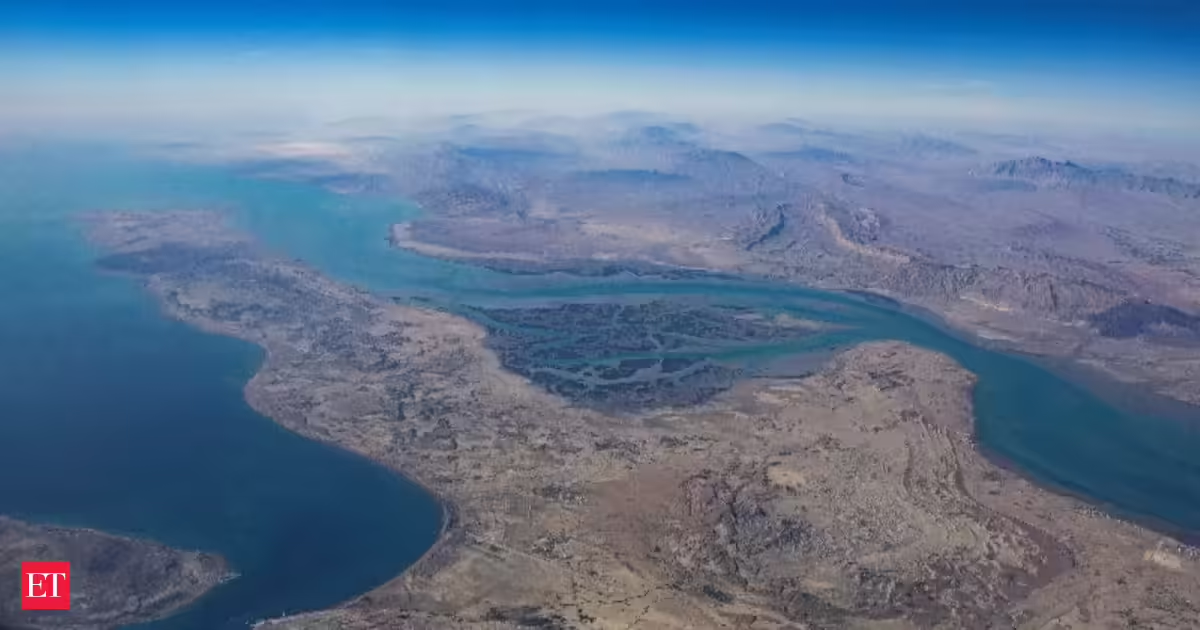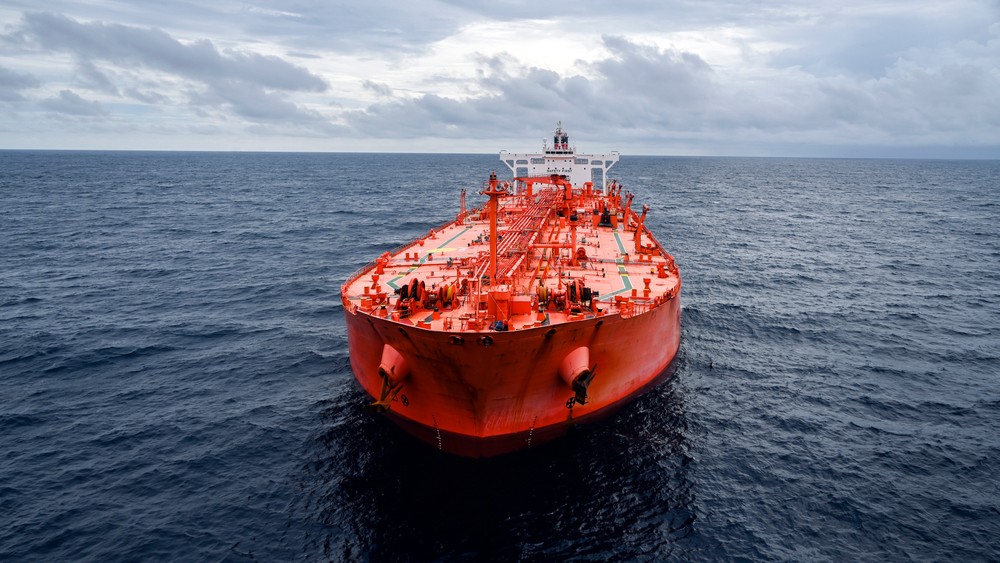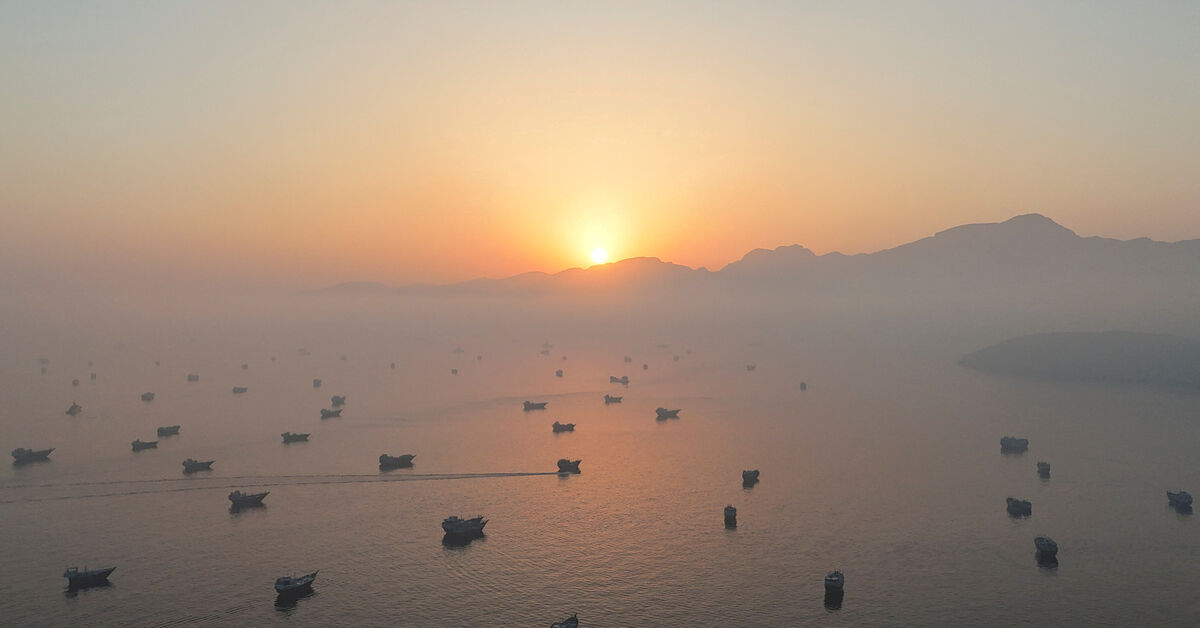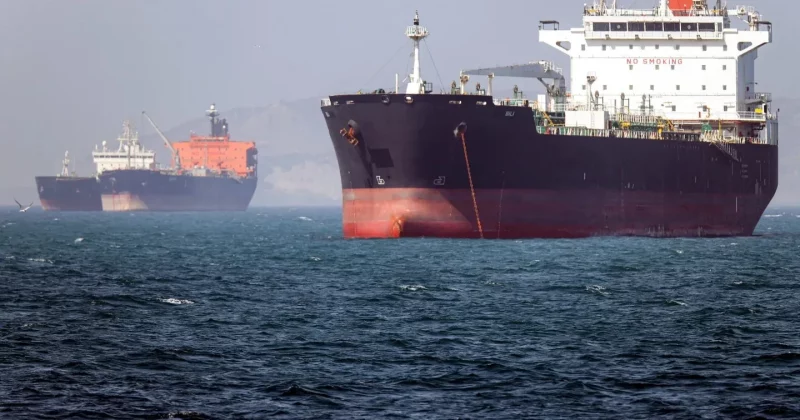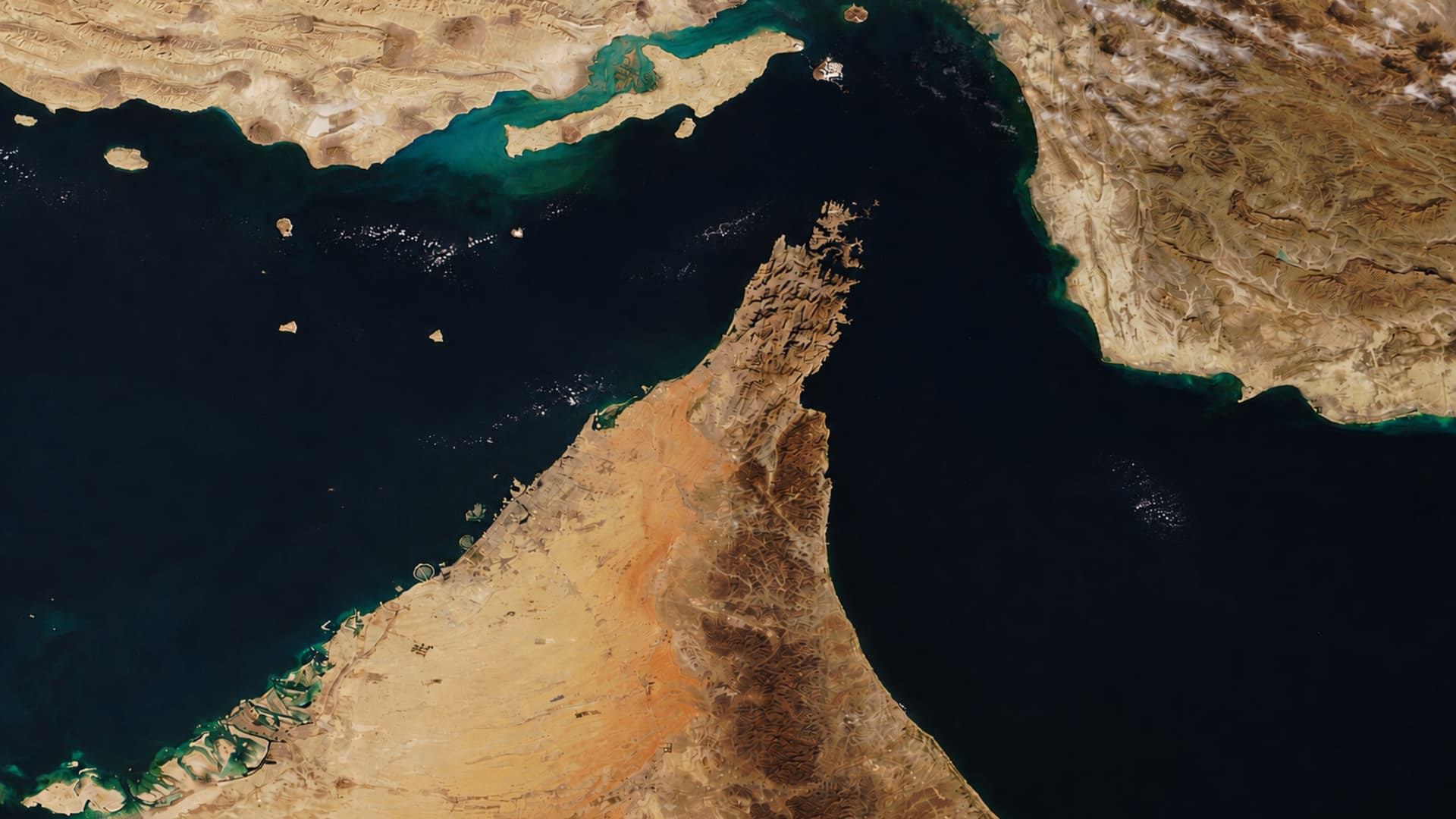
With a U.S.-Iran deal (maybe?) taking shape in coming days, the oil market that follows will look different than what preceded the war.Why it matters: The emerging deal — which would re-open the Strait of Hormuz while nuclear talks proceed — could return large amounts of barrels to the market.It's not a moment too soon as global oil stockpiles, which have somewhat tempered the crisis, are drawn down at record pace.Reality check: Things won't be normal for a long time, and the postwar definition of normal is fluid, too.A few near-term and long-term things to watch...😨 Confidence: In the near term, "It's all about whether vessel owners and crews feel safe transiting the Strait of Hormuz," said oil analyst Ben Cahill of UT-Austin.He notes confusion about whether Iran will imposes some kind of fees, safety, insurance rates and more."It could be a stop-and-start process as risk-averse shippers work through these uncertainties," he tells me via email.🕰️ Timelines: "Following the clearance of any mines, a minimum of two to three months will likely be required to re‑establish steady export operations," the International Energy Agency said in its mid-May oil market report.And Persian Gulf countries need time to resume production that declined after the main export route was cut off.📜 Definitions: What "open" means for the world's most important energy shipping lane is unsettled.Iran may not call it a toll, but Iranian officials are floating new fees on tankers.This could be a boon to Iran even if the fee is relatively small, said Edward Fishman, a former State Department aide now with the Council on Foreign Relations.Fishman — speaking on oil analyst Rory Johnston's essential Oil Ground Up podcast — sees vessels paying tens of billions of dollars per year, even $100 billion."If you look at it from the perspective of market participants, whether it's oil traders or shippers, even if you're paying $2 million a pop for a VLCC [Very Large Crude Carrier], that's $1 a barrel, that's actually not that economically significant," he said."I think that the private sector, if this is the cost of getting ships through the Strait, is going to pay the toll," he said.⚠️ Vibes and market risk: Before the crisis that throttled supplies, there was debate in oil circles about whether markets were blasé about threats to infrastructure or shipping.Even once the current crisis is in the rearview, watch the level of "geopolitical risk premium" — the market's willingness to preemptively price in risk — that elevates prices.It could be higher now, especially with Iran's newly assertive posture in the Strait."There will be a permanent price premium attached to a permanently more risky operating environment," Clayton Seigle, an oil analyst withe Center for Strategic and International Studies, said via email.🚧 Pipeline infrastructure: There are already efforts to at least somewhat ease the Strait's importance by building pipelines to bypass it.The United Arab Emirates said in mid-May that it's speeding construction of a major pipeline that will double its export capacity through the port of Fujairah. CNBC has more.🇺🇸 U.S. oil production: Higher prices are likely to encourage producers to boost their output as they see opportunities from a market that went from soft to tight.Before the war, the U.S. Energy Information Administration projected domestic production dipping from 13.6 million barrels per day this year to 13.3 million barrels per day in 2027.Its latest outlook, in mid-May, now sees production rising to 14.1 million next year.Publicly listed U.S. shale producers have increased 2026 capital spending plans by $490 million compared to pre-war guidance, the energy research and consulting firm Enverus tells the FT.
The new oil order that could emerge from an Iran deal
Things won't be normal for a long time.
597 words~3 min read