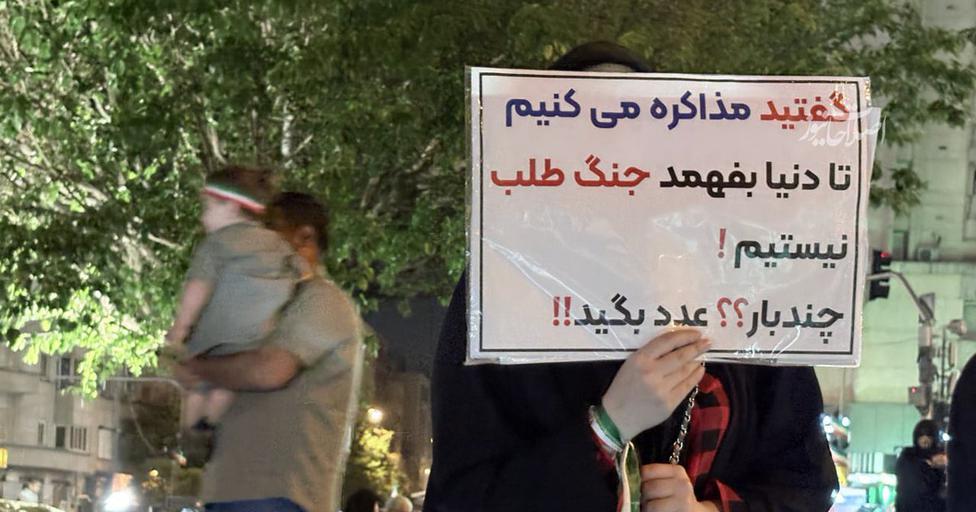
As negotiations between the United States and Iran edge toward a possible agreement, Tehran is increasingly signaling that any return to war would look very different from the last.
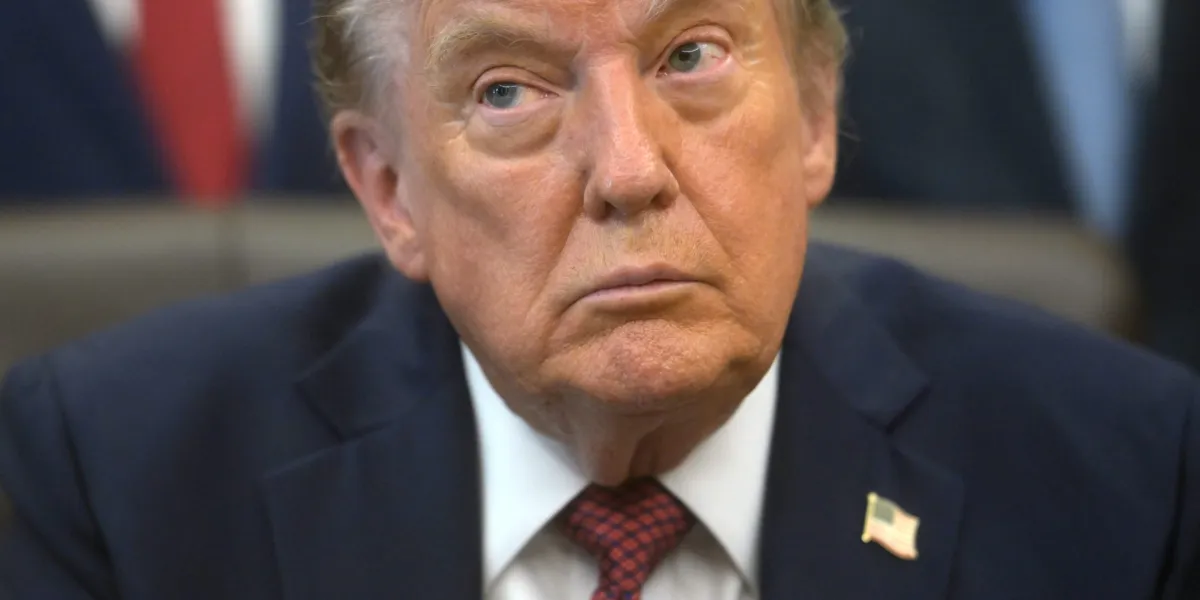
US officials said Thursday that a tentative agreement had been reached in talks between Tehran and Washington and was awaiting President Donald Trump’s approval. Yet even as negotiators reported progress, the military confrontation showed little sign of disappearing. The US launched its second round of strikes on Iran in a matter of days this week, while skirmishes continued Thursday evening in the Strait of Hormuz.
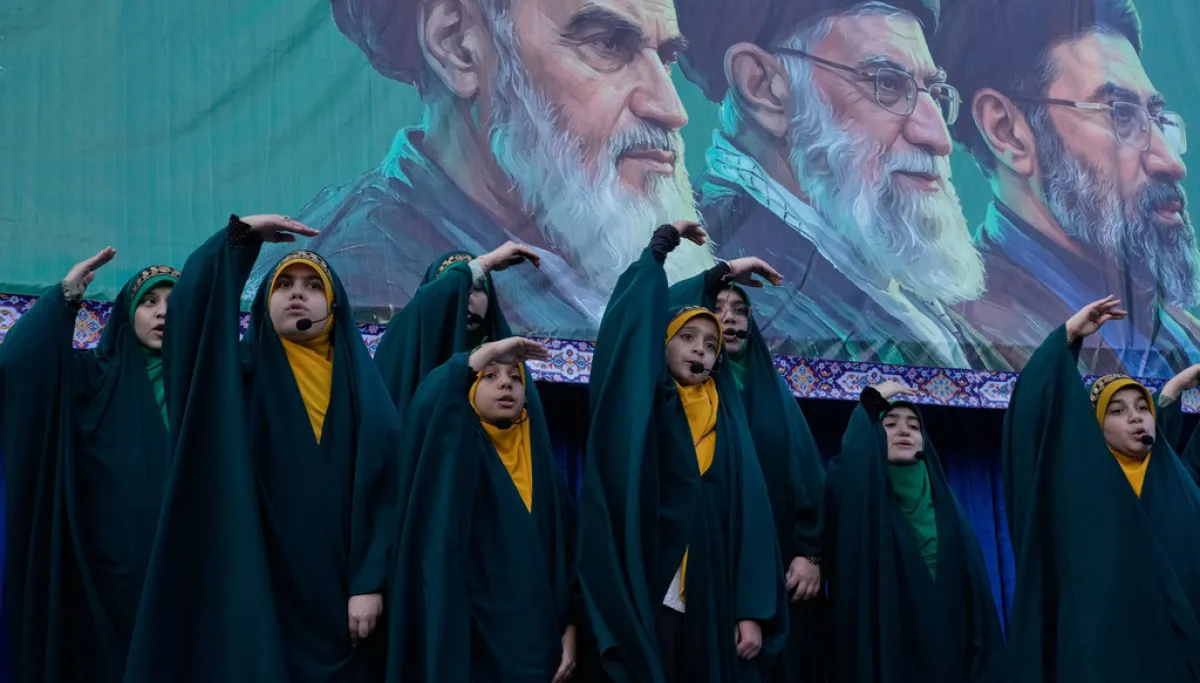
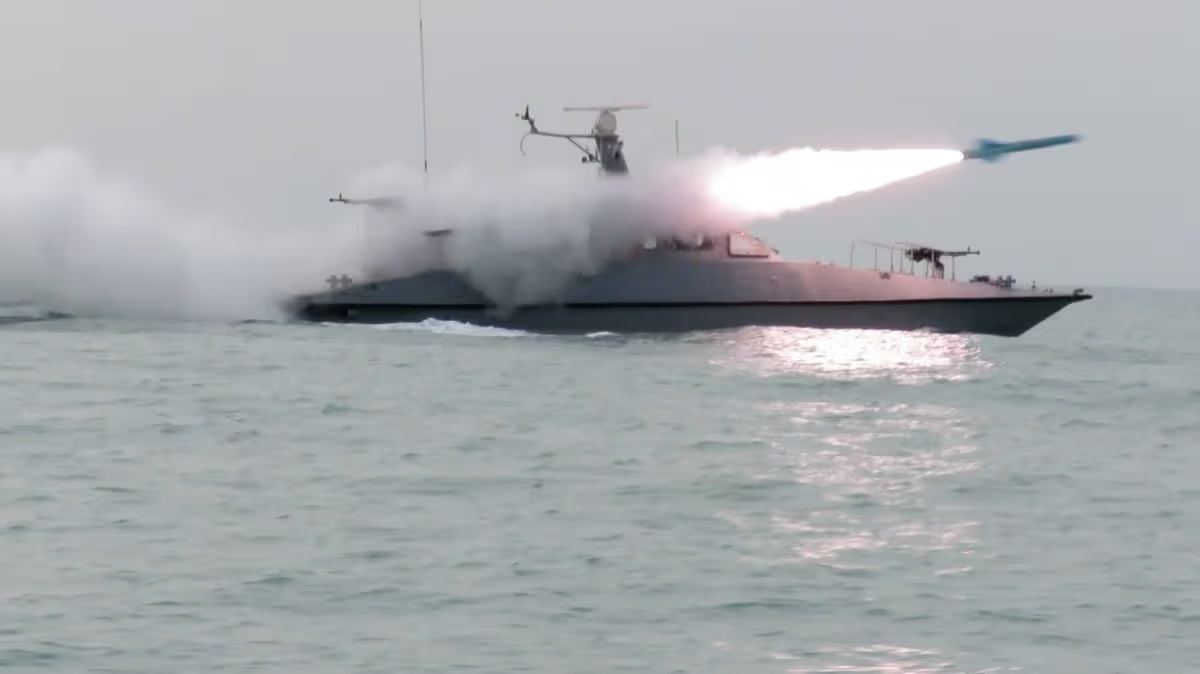
Iranian officials have used the negotiations to project confidence that they retain significant military options should diplomacy fail. The Revolutionary Guards said any renewed conflict would spread “far beyond the region,” threatening “crushing blows” in places opponents “cannot even imagine.”
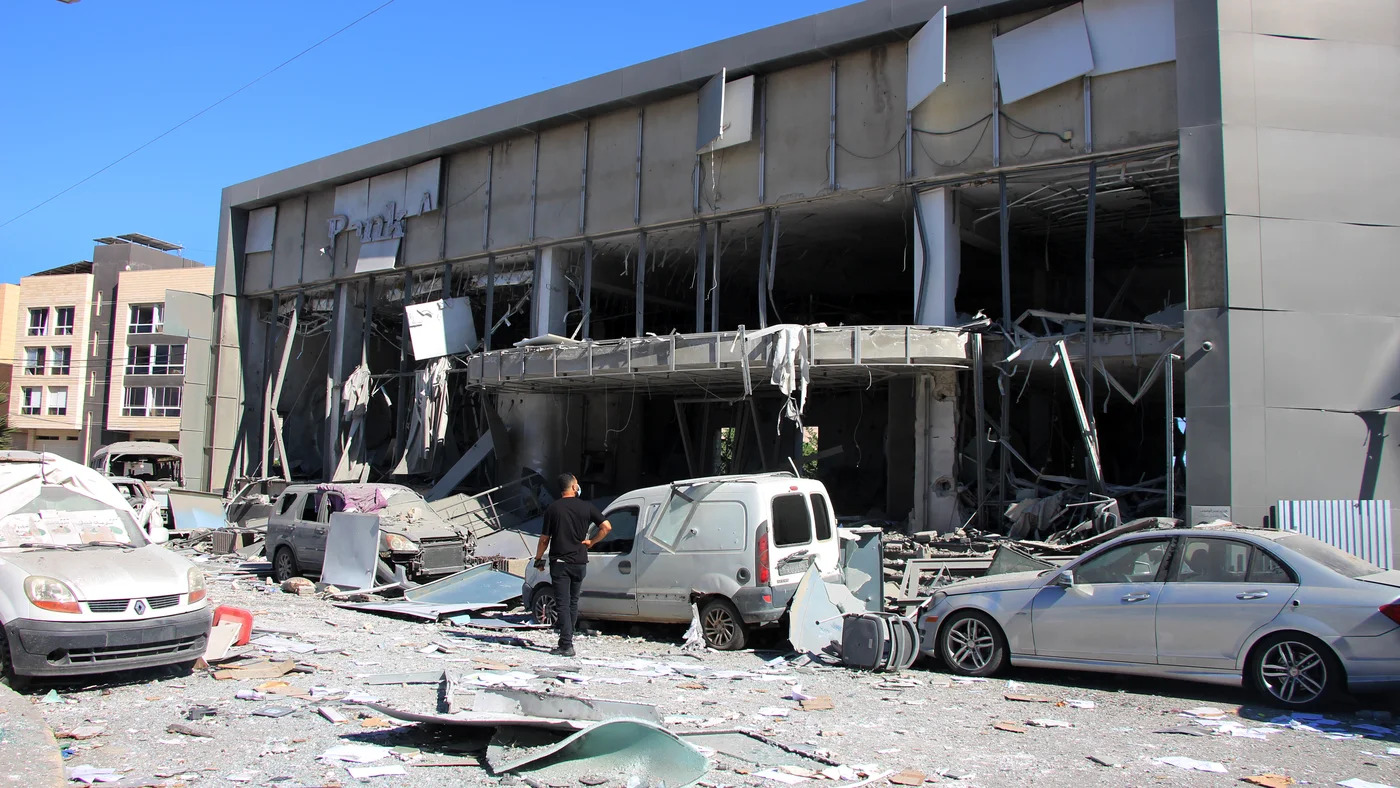
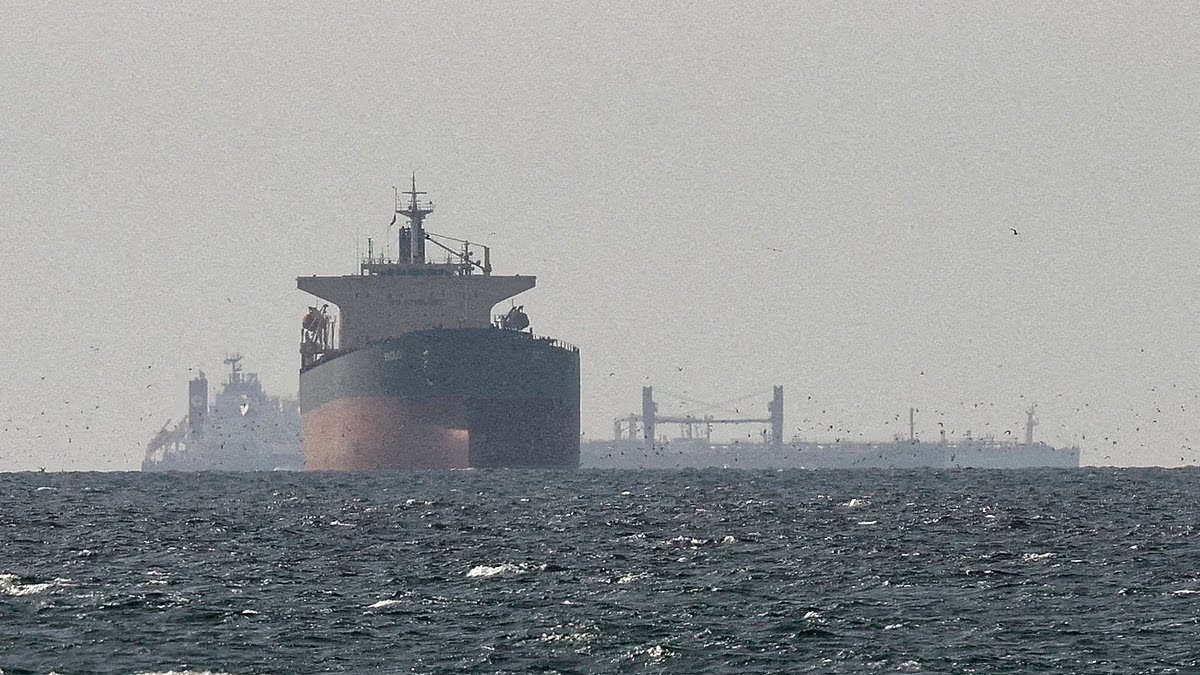
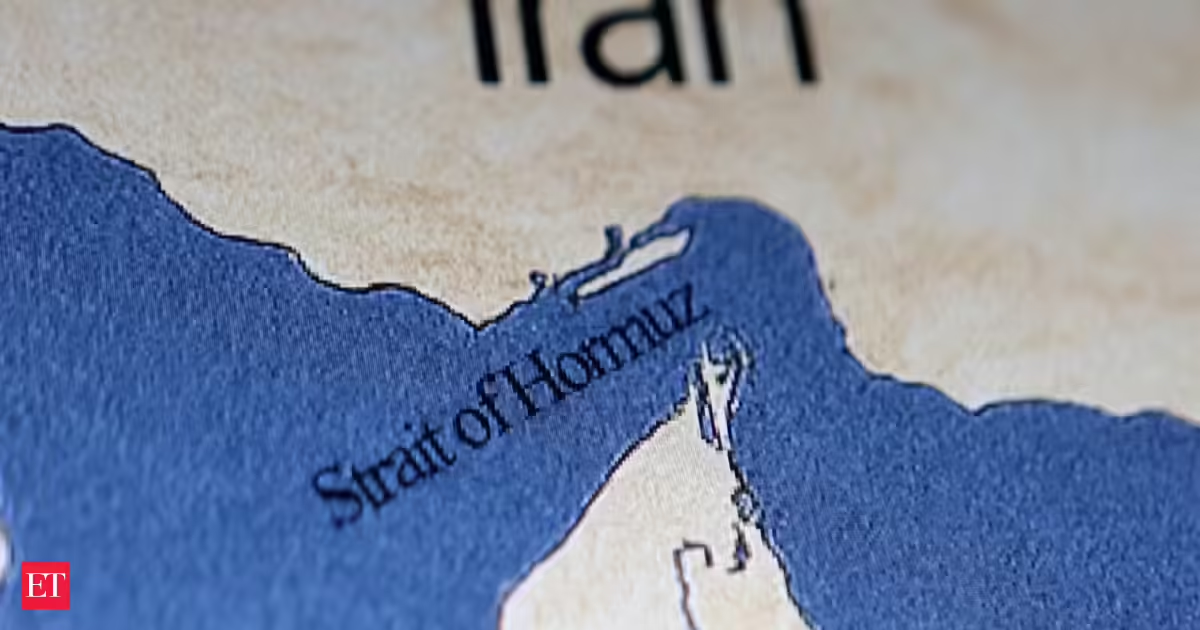
The warnings come after a war that saw Iran target US bases, Israeli cities and critical infrastructure in Gulf Arab states, while effectively shutting shipping through the Strait of Hormuz and triggering a global energy shock.
Last week, Iranian Foreign Minister Abbas Araghchi warned that any future retaliation would “feature many more surprises,” while Iran’s military threatened to open “new fronts” using “new tools.” Mohammad Bagher Ghalibaf, Iran’s top negotiator, said the armed forces had used the ceasefire period to rebuild their capabilities “at the highest level.”