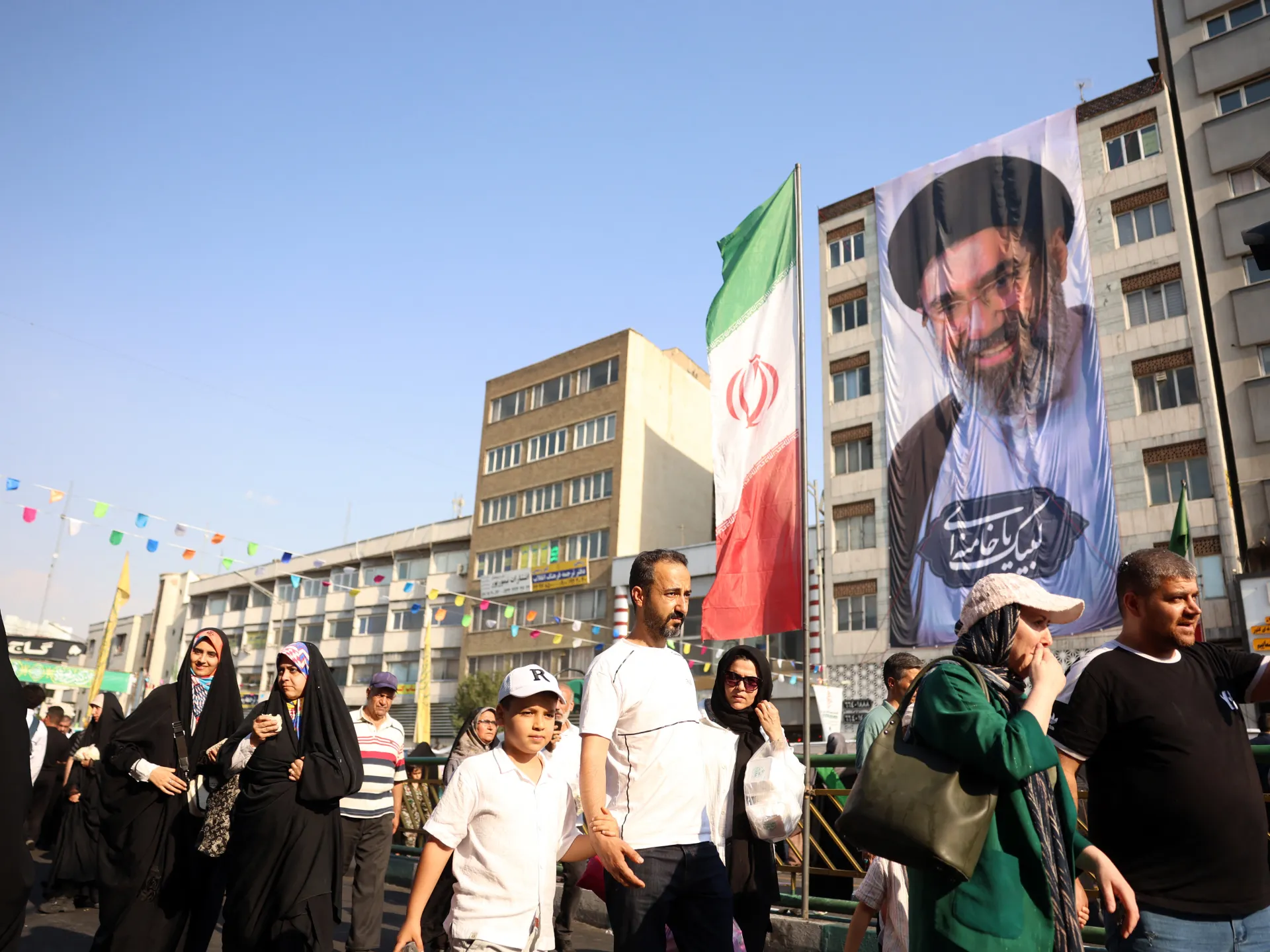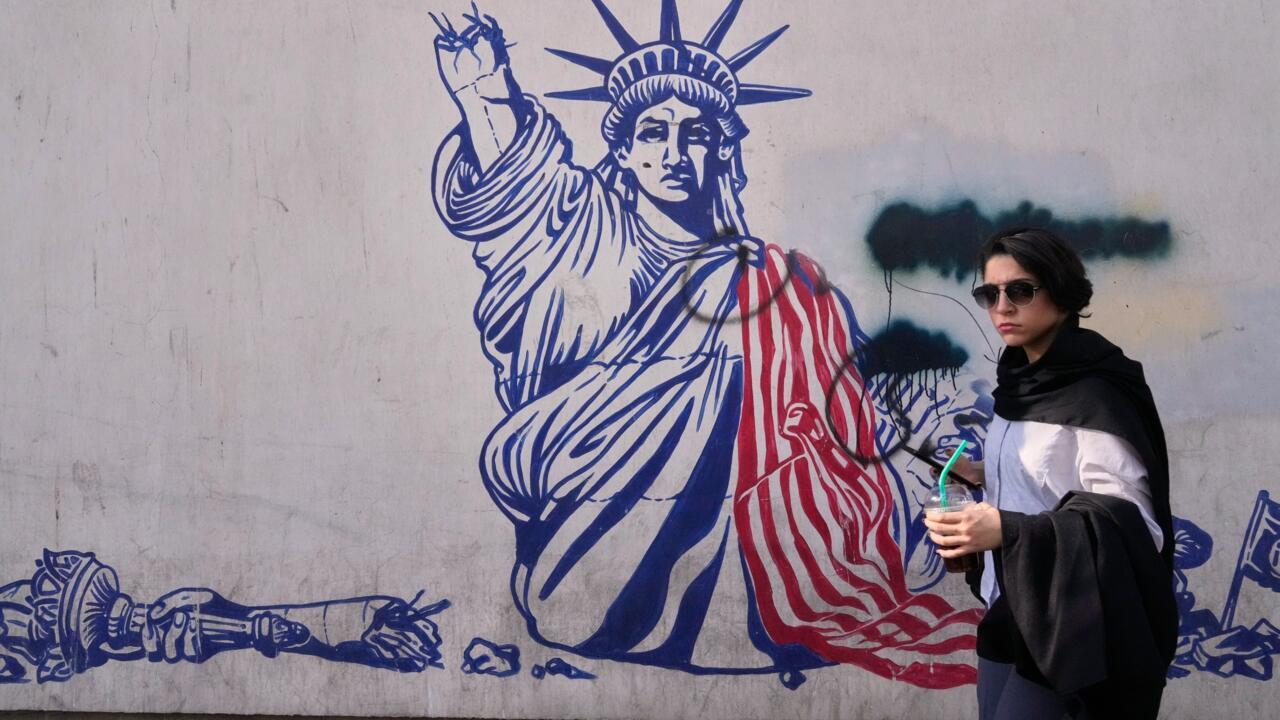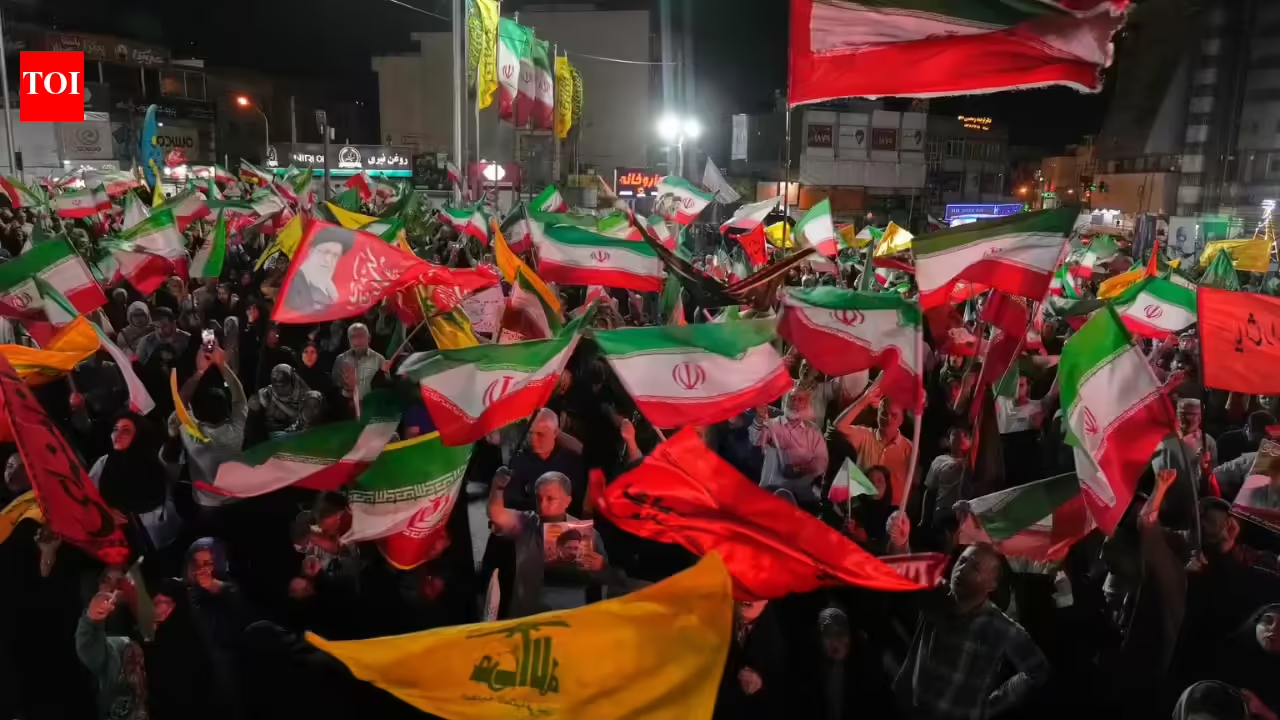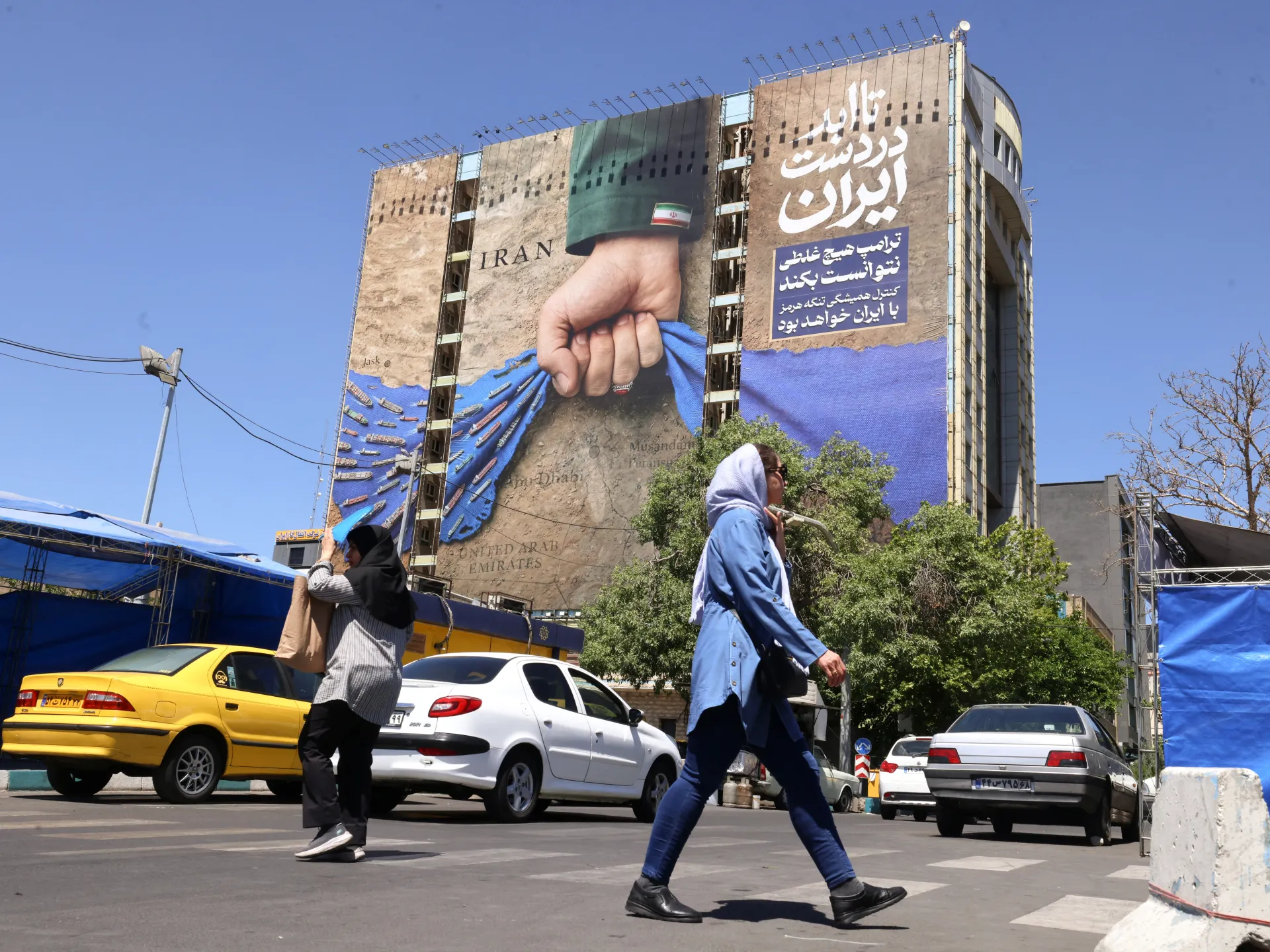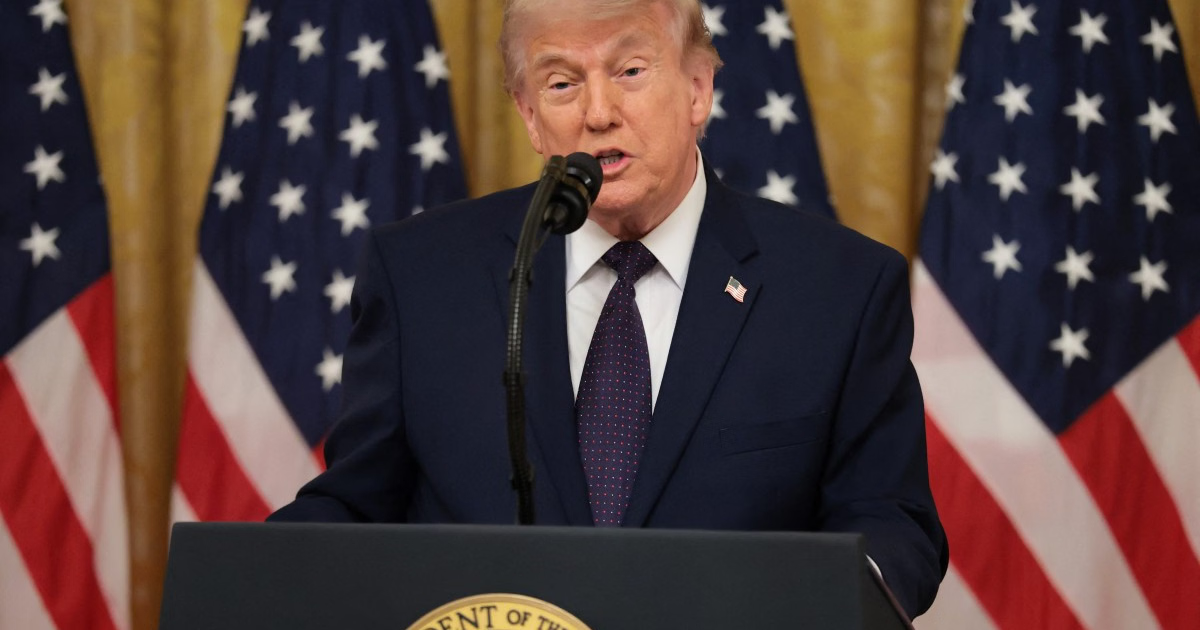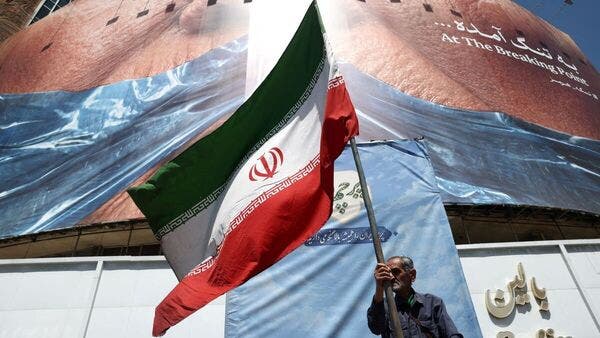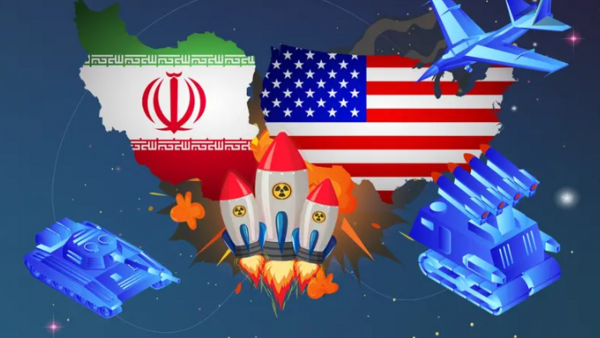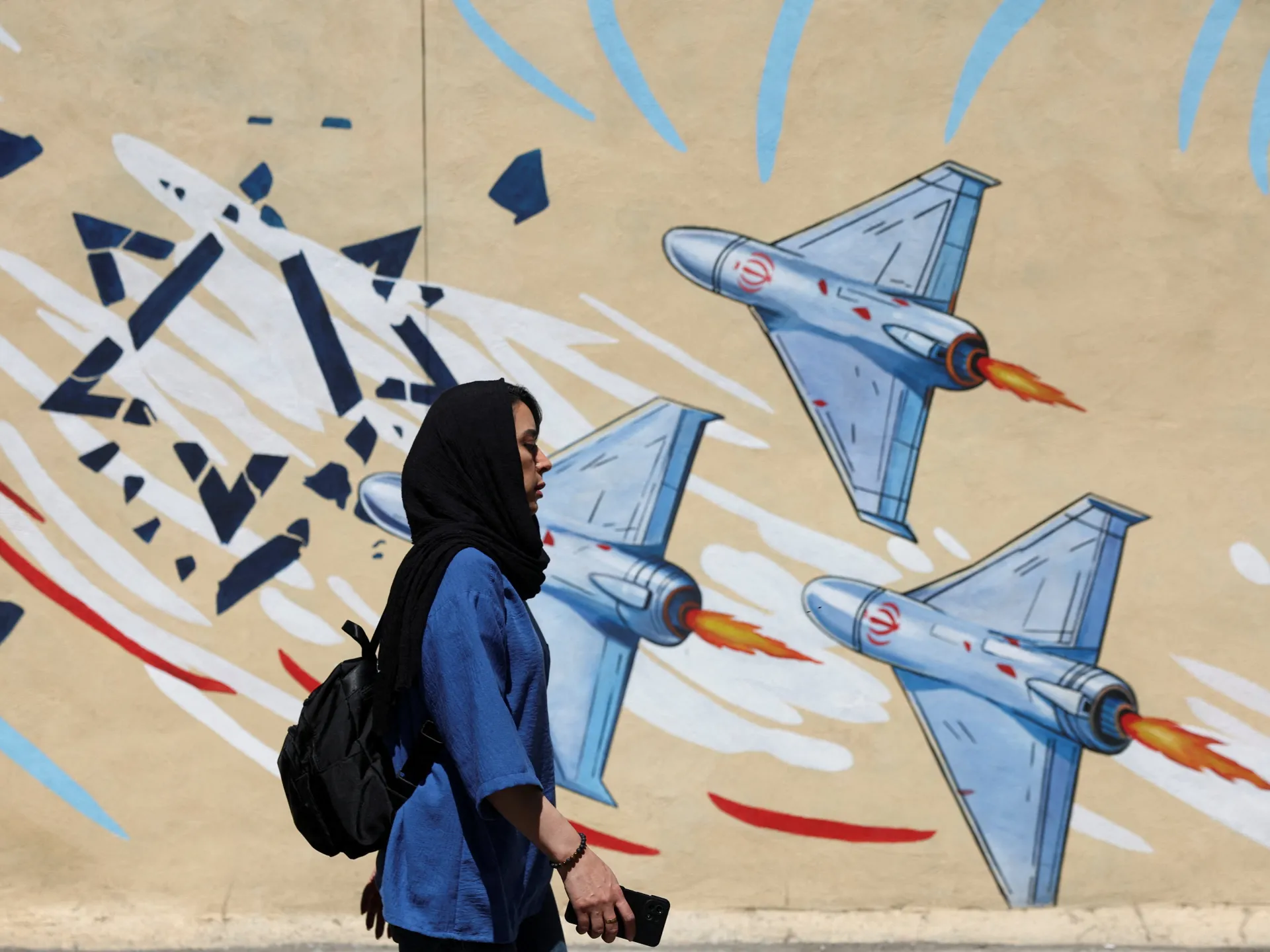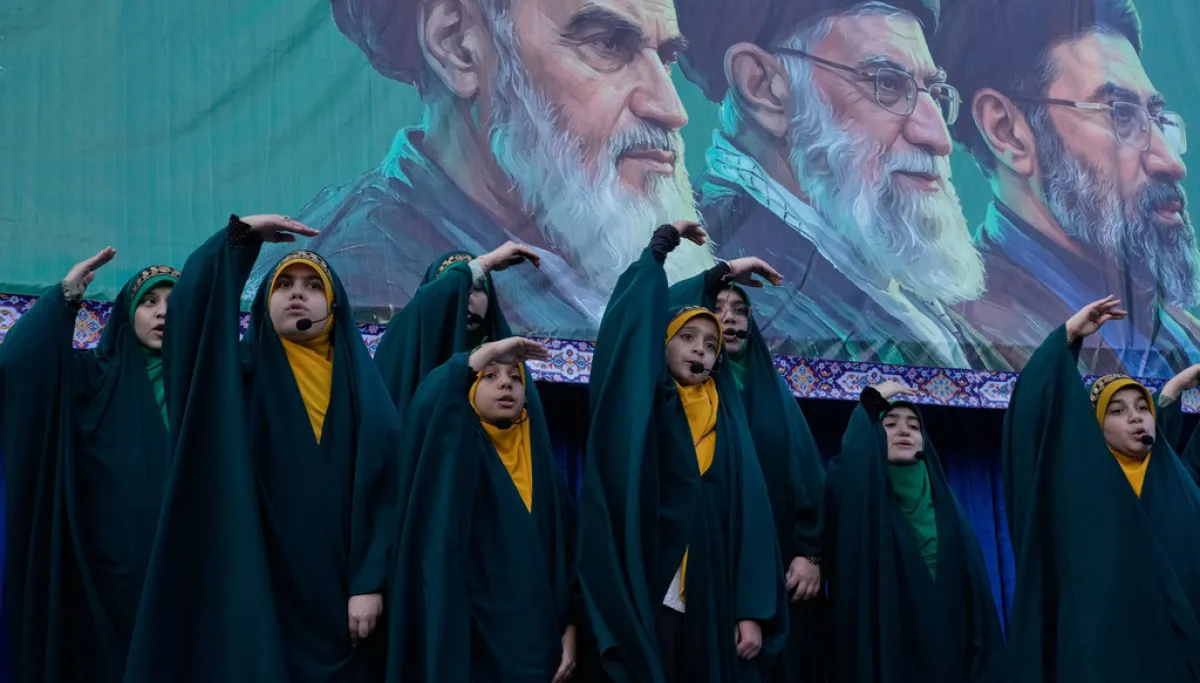
As Washington and Tehran rush to try and strike a deal to end the U.S.-Israeli war with Iran, the two sides are taking vastly different approaches in public messaging.For the past several weeks, President Donald Trump has said the United States is on the verge of striking a deal on favorable terms, and downplayed the threat posed by Iran. U.S. messaging has focused on calming global markets and keeping gas prices at a reasonable level, particularly before the midterm elections.Iran’s messaging could hardly be more different. In domestic and internationally-focused propaganda, Tehran has remained as belligerent as it was during combat operations. State news organizations and national leaders have all scoffed at suggestions that a deal is close, and pledged that the regime is ready for a return to fighting.
On Friday, as Trump implied a deal to end the war was imminent, Iranian Parliament Speaker Mohammad Ghalibaf threatened a return to war. He said Iran seizes “concessions not through dialogue, but with missiles; in negotiations, we merely make them understand.”
“The winner of any agreement is the one who is better prepared for war from the day after,” he added.
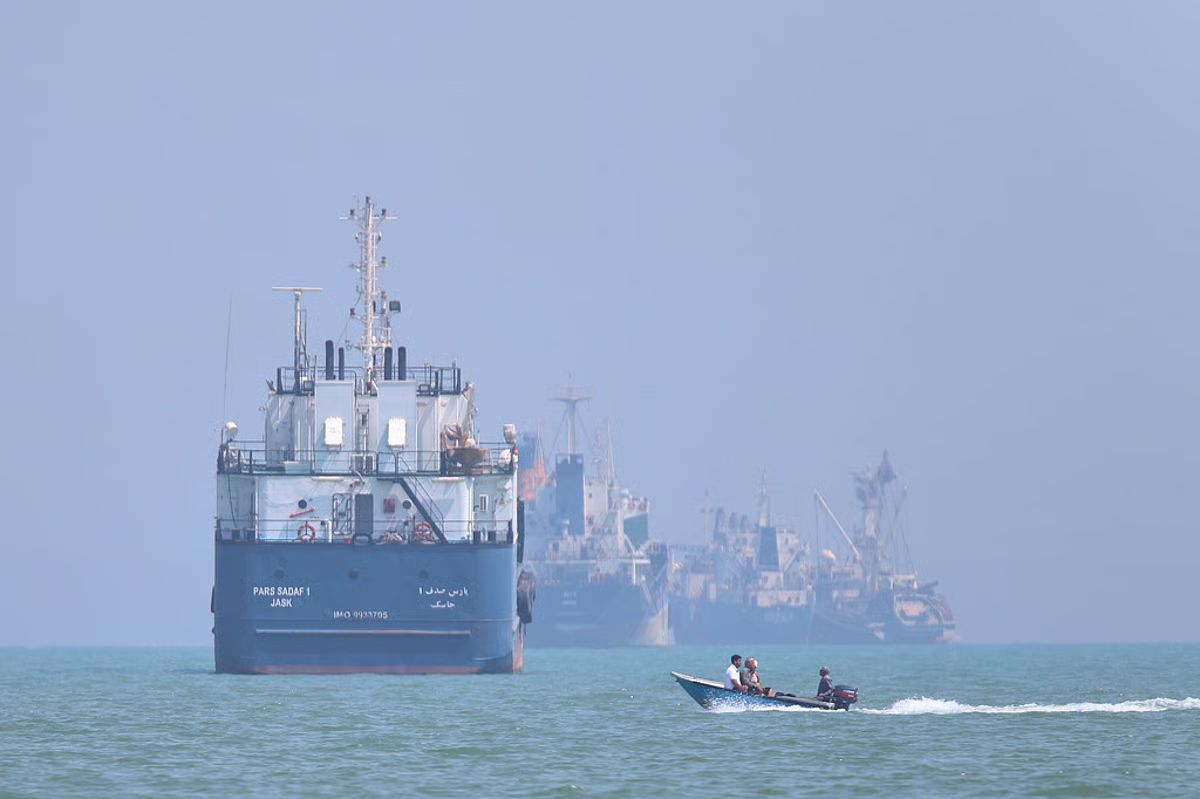
Mohsen Rezaee, a senior commander in the Islamic Revolutionary Guard Corps and adviser to Supreme Leader Mojtaba Khamenei, went a step further, suggesting that if the U.S. naval blockade continued, Iran would have to break it through force.