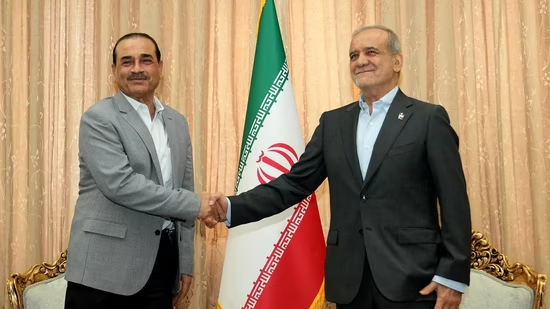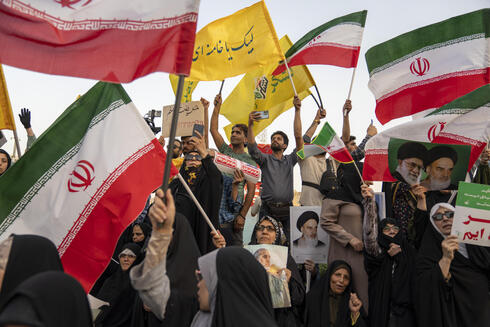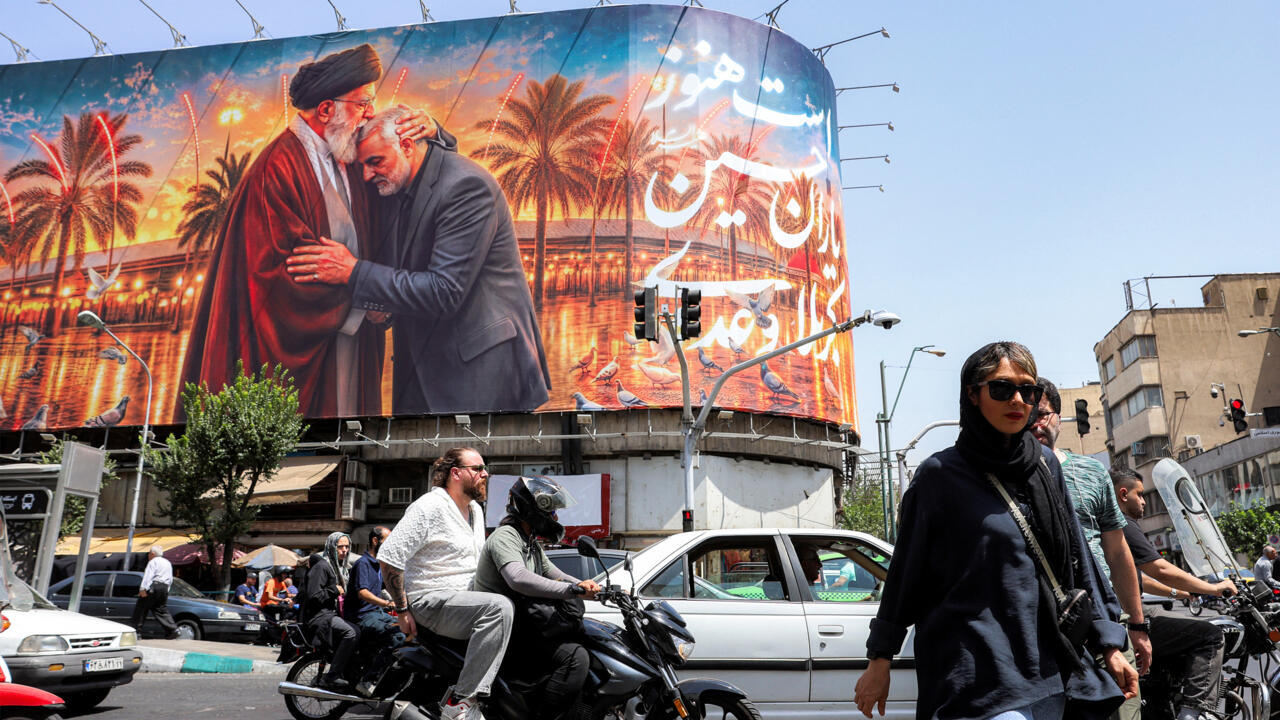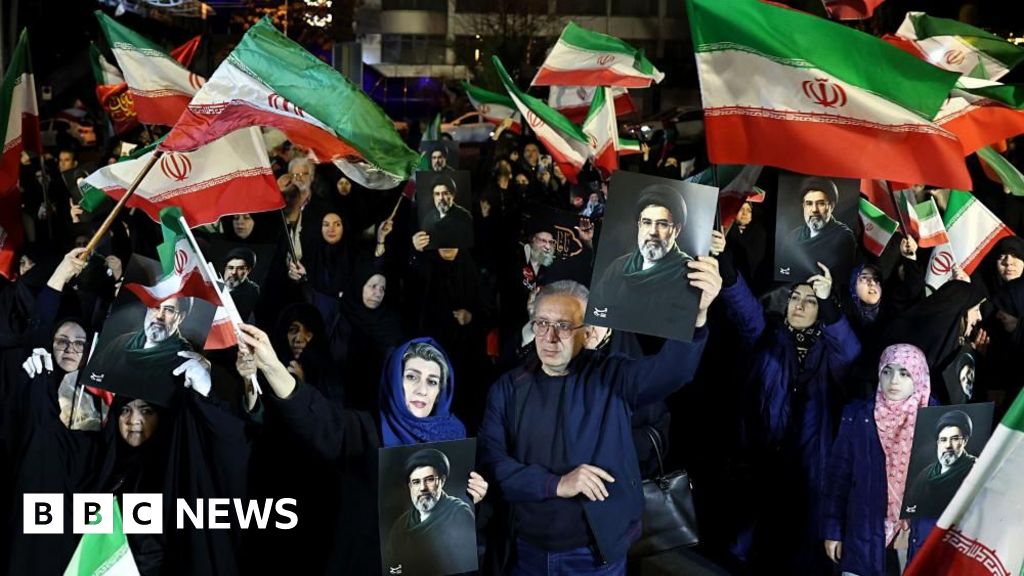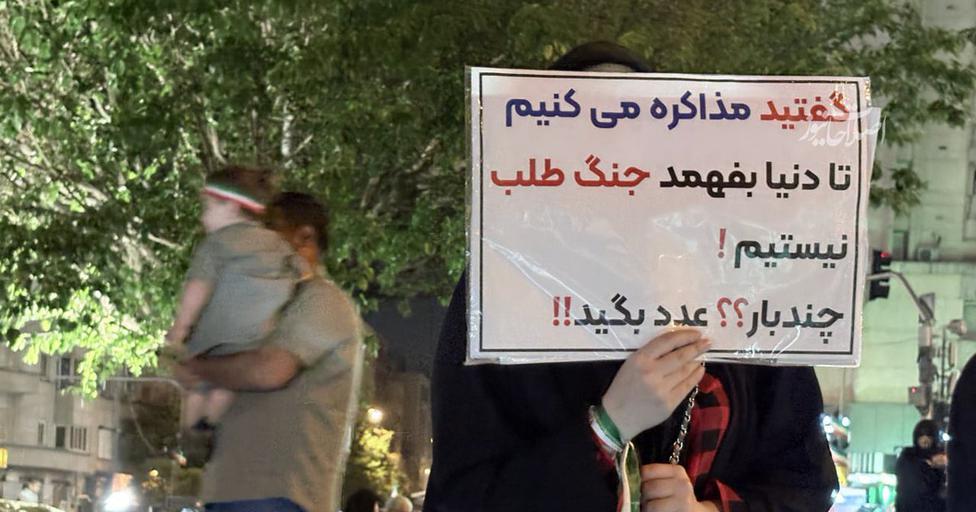
Iran stands on the precipice of one of its most fateful junctures in recent decades. On one hand looms the specter of all-out war, while on the other lies the hope of a diplomatic breakthrough. While Tehran’s diplomats, mediated by Pakistani and Qatari officials, have been scrambling over the past two days to convert a fragile ceasefire into a lasting understanding, a faction within the country contends that sitting at the negotiating table with the United States is not a strategic move, but rather the repetition of a failed experiment that will only culminate in “diplomatic deception.”
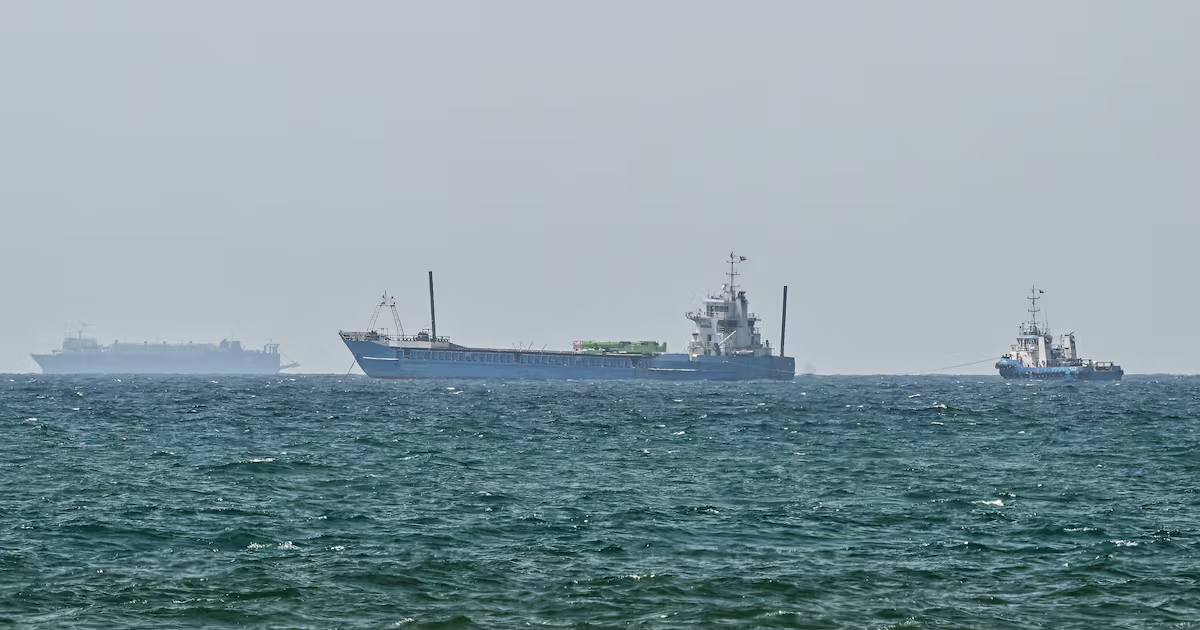
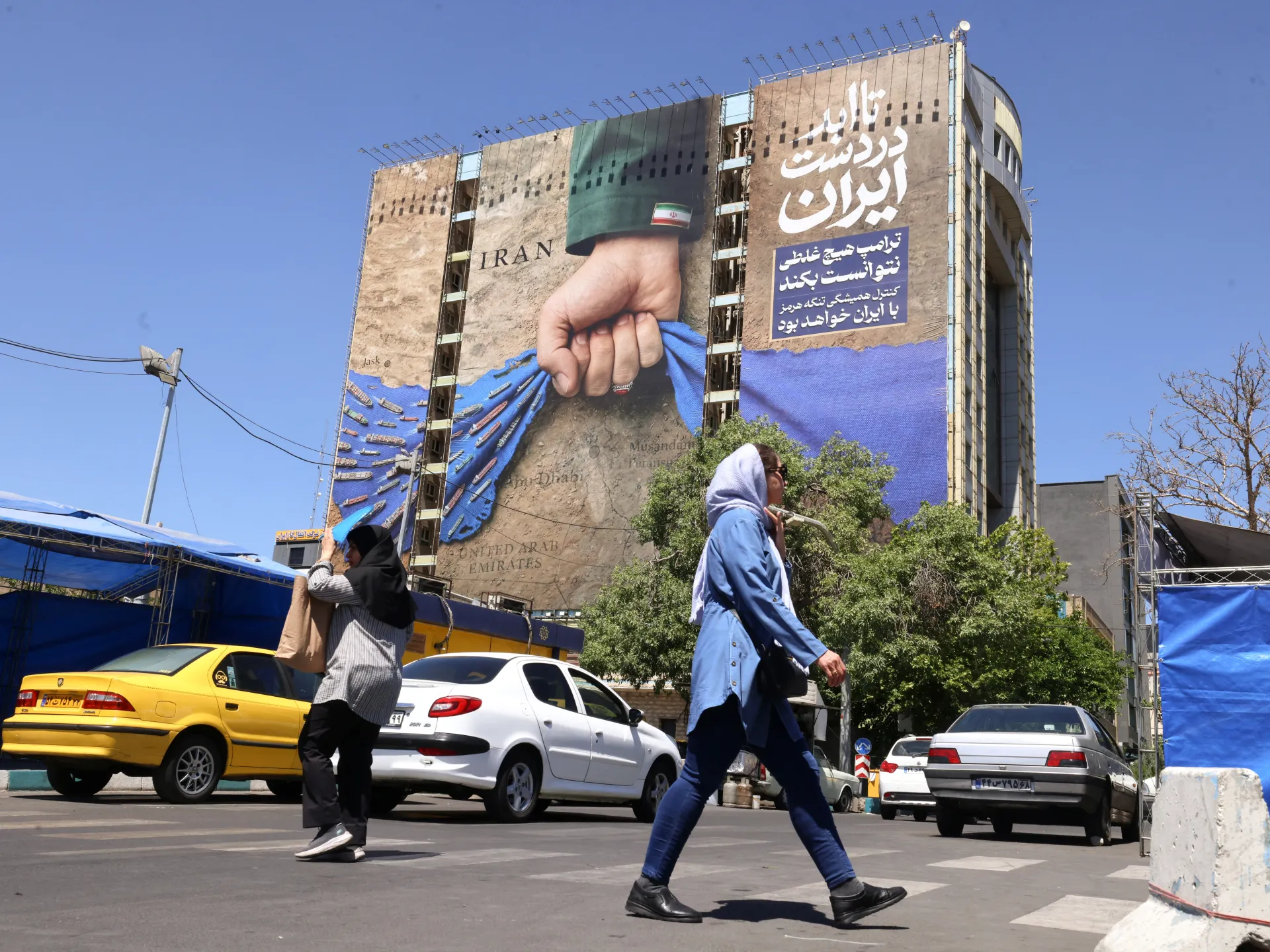
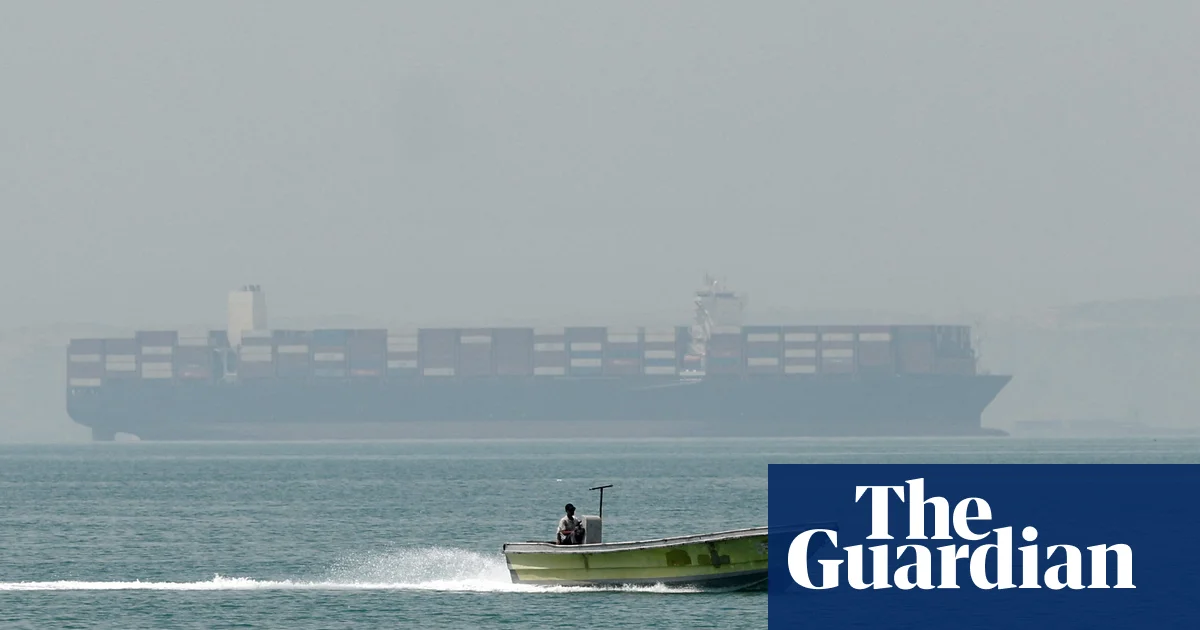
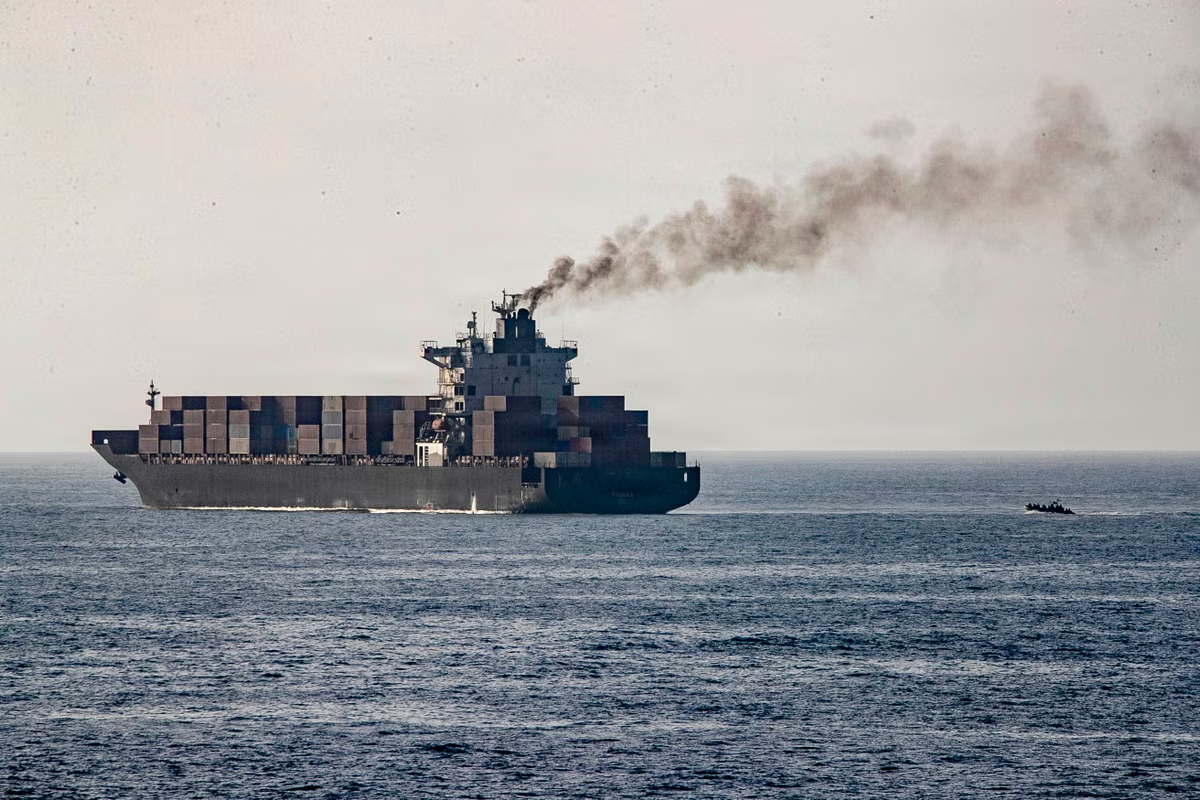
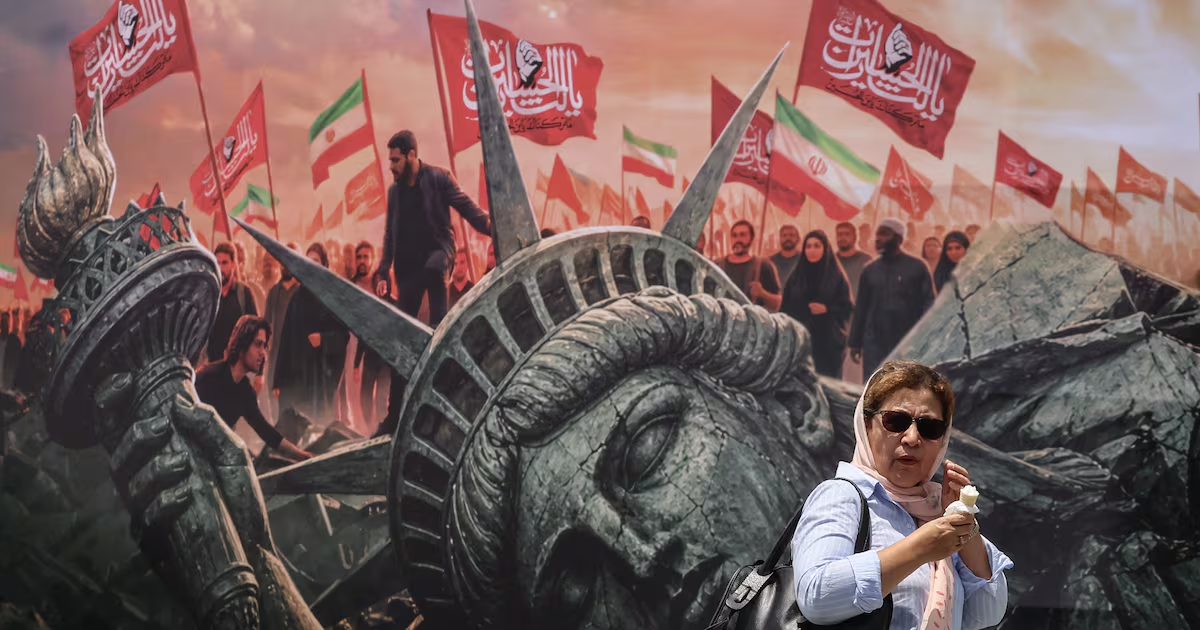
The fierce opponents of negotiation, whose voices have grown significantly louder in Iran since the implementation of the ceasefire, cite historical precedents and the discourse of civilizational confrontation in the U.S. to brand any dialogue with Washington as a strategic error. They argue that Iran’s true power lies not in political lobbying, but in the hard power of its missile arsenal and its leverage over the Strait of Hormuz. By rejecting diplomacy under pressure, this faction proposes mechanisms to break the current deadlock that revolve around “de-Americanizing” the region and relying on offensive deterrence, an approach that insists the adversary must be addressed only through the language of “missiles” rather than at the discussion table.