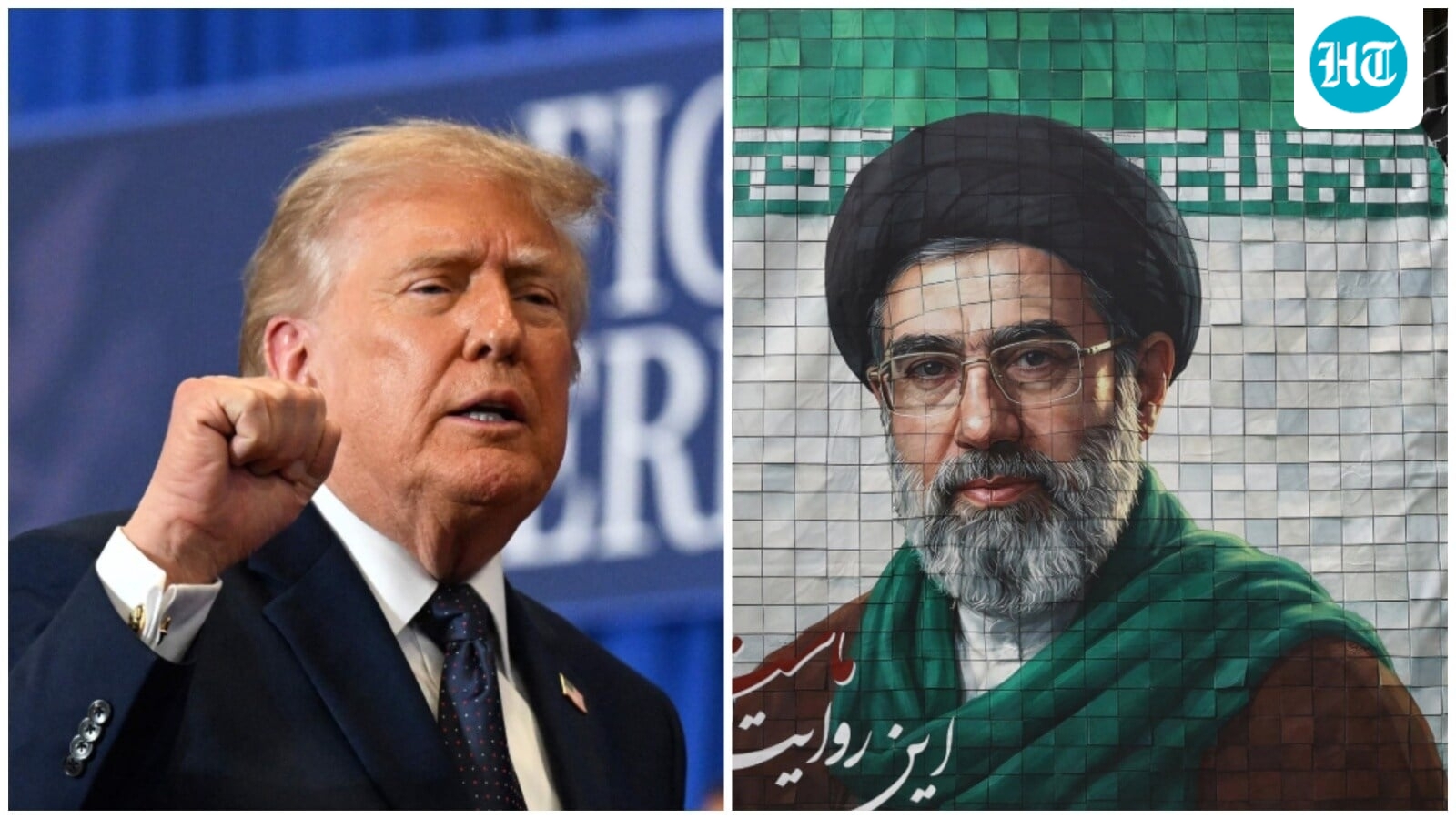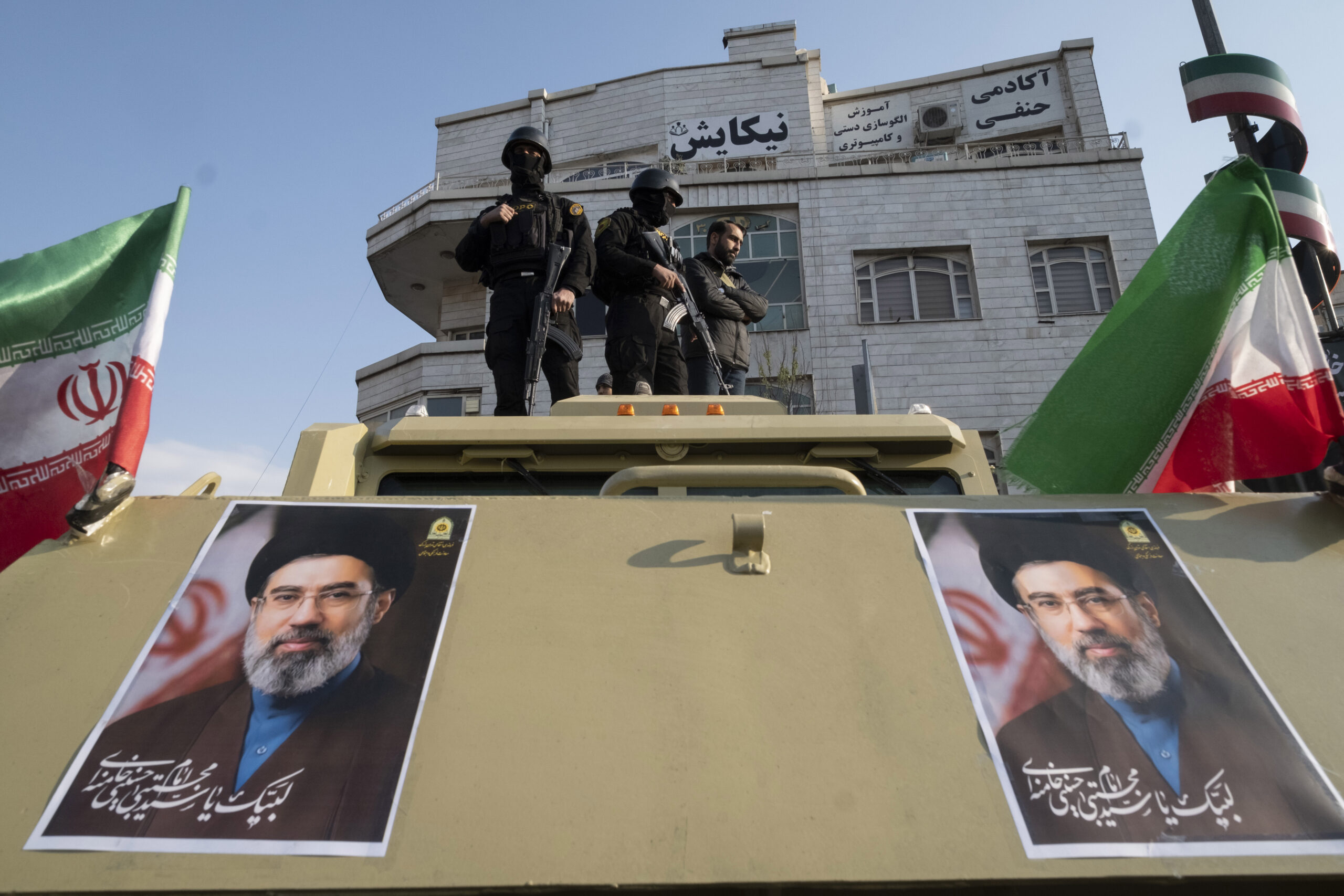
JERUSALEM—As negotiations continue to end the fighting between Iran and the United States, it is increasingly clear that Iran’s leaders are interested in securing a ceasefire and avoiding further escalation. Tehran understands the heavy strategic, economic, and military costs of continued confrontation and appears determined to prevent the conflict from spiraling into a broader regional war.
At the same time, Iran’s leadership is not prepared to make dramatic concessions that, in its view, would undermine the ideological foundations of the Islamic Republic. While Tehran prefers de-escalation, it is also preparing for the possibility of renewed escalation should the Trump administration reject its conditions for ending the conflict.
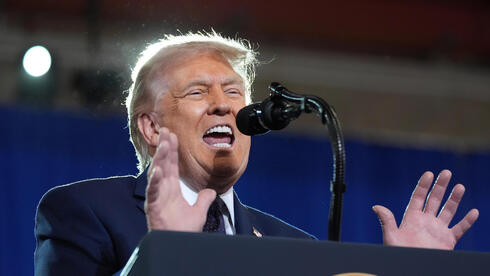
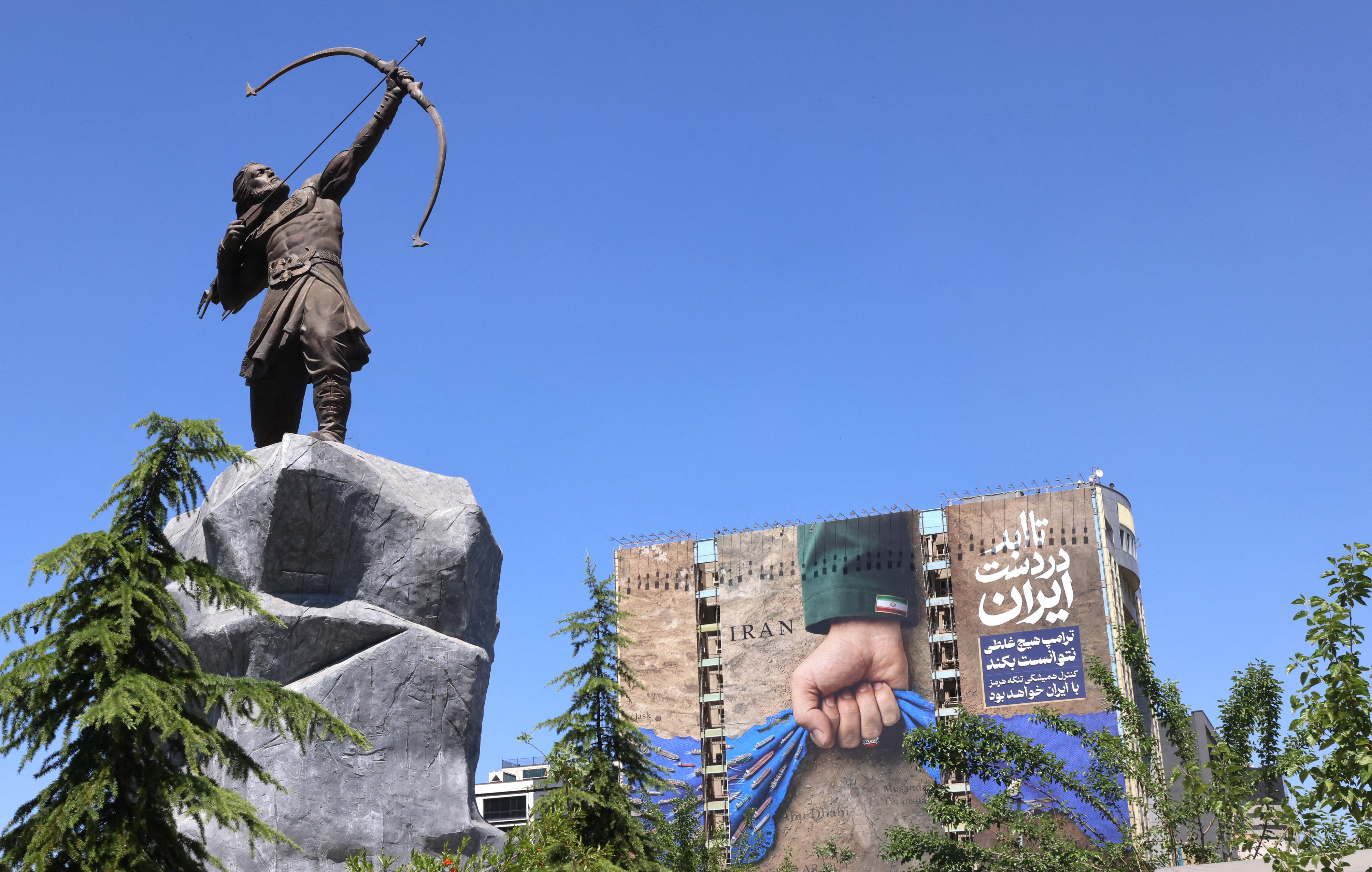
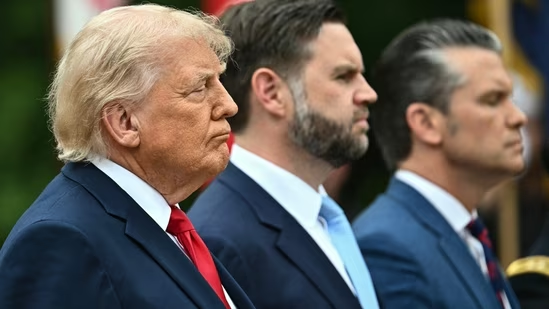
Over the weekend, US President Donald Trump held a call with leaders across the region to discuss an emerging deal, which reportedly consists of a reopening of the Strait of Hormuz in return for some economic incentives for Iran, with negotiations to follow on how to dispose of Iran’s nuclear stockpile. Late Monday, the United States carried out what it called “self-defense strikes” in southern Iran, but said the ceasefire was still on. On Tuesday, Secretary of State Marco Rubio said a deal could take a few days to finalize.