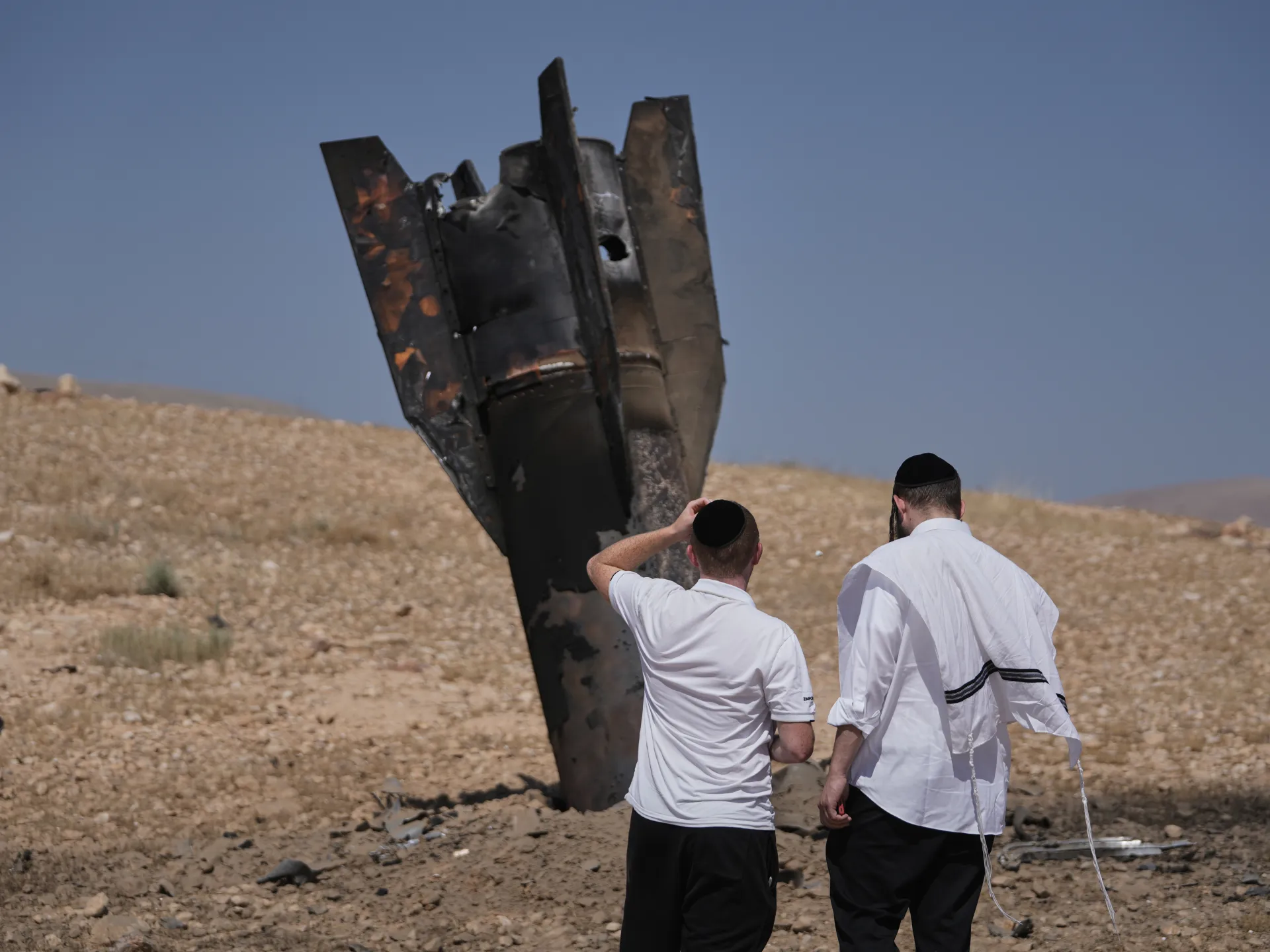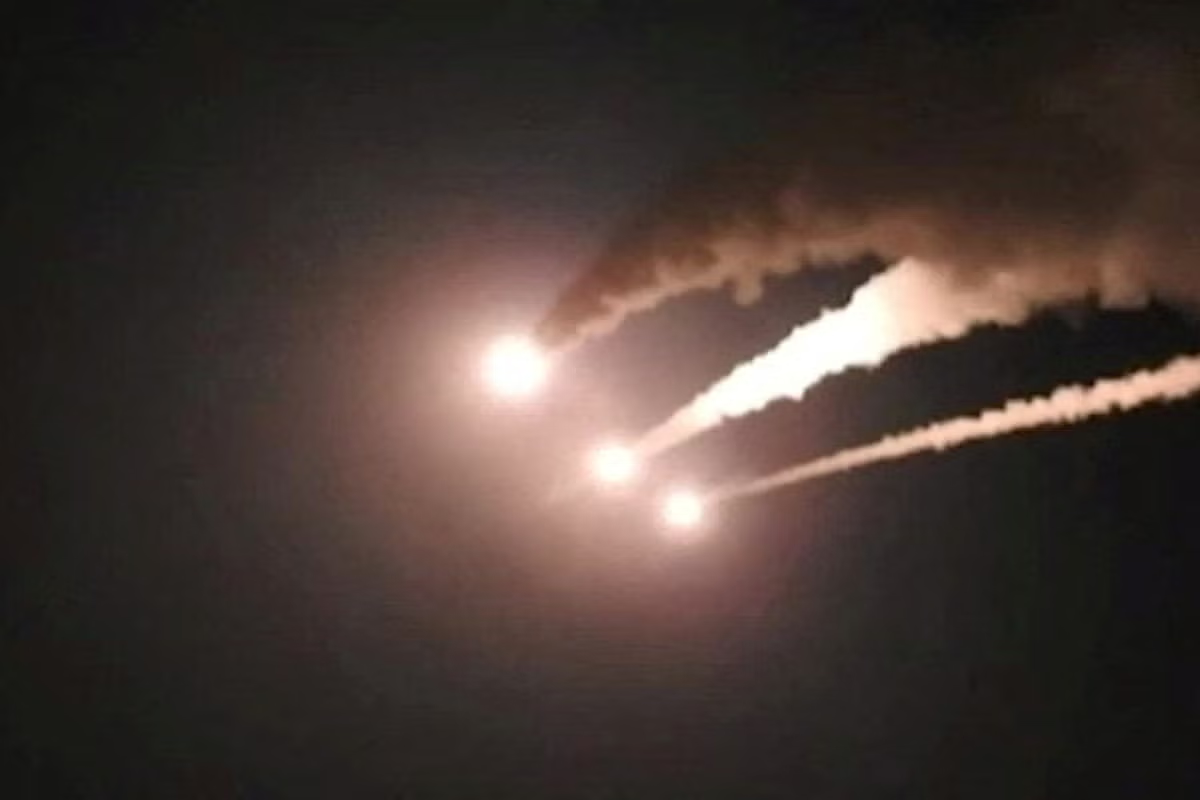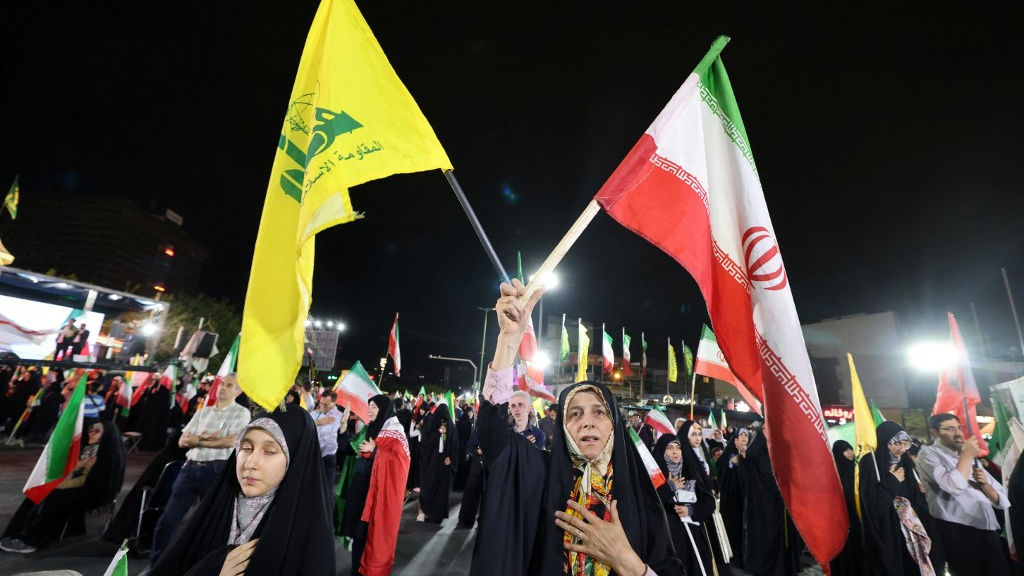
As conflict flared up again this weekend between Israel and Iran, negotiations with the US have failed to produce any agreement. Neither side can afford another war, but the path towards a diplomatic settlement has been stymied by Washington’s demands for far-reaching concessions from Iran, without any offer of commensurate reciprocal measures, such as the release of even a portion of Iran’s frozen assets.
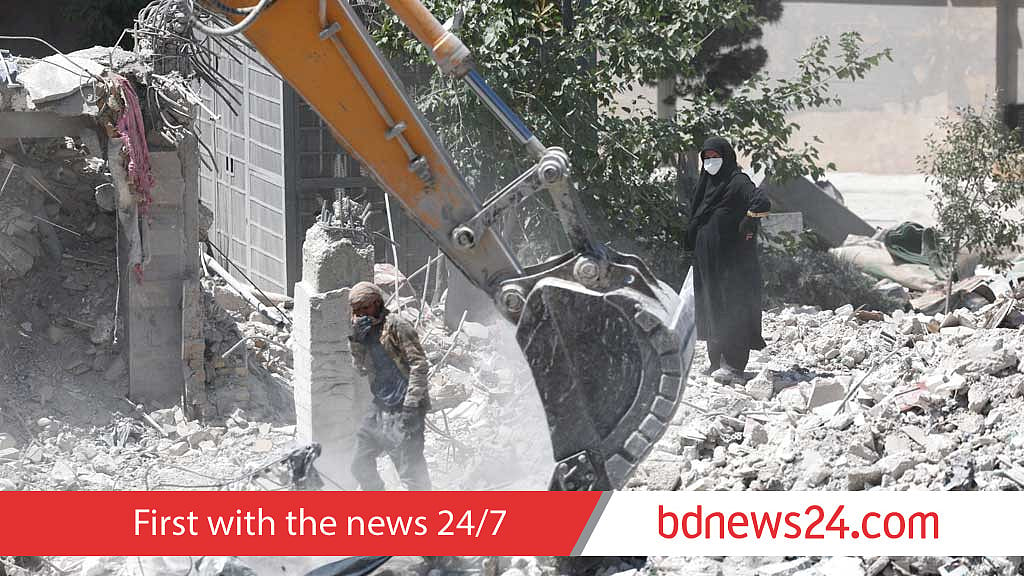
After the US and Israeli military strikes on Iran in 2025 and again this year, western discussions largely focused on the physical damage inflicted on Iran’s military and nuclear infrastructure, its uranium enrichment capabilities, and its stockpile of highly enriched uranium.
In Iran, however, the central question is different: did negotiations and nuclear restraint produce greater security, or did they ultimately create heightened vulnerability?
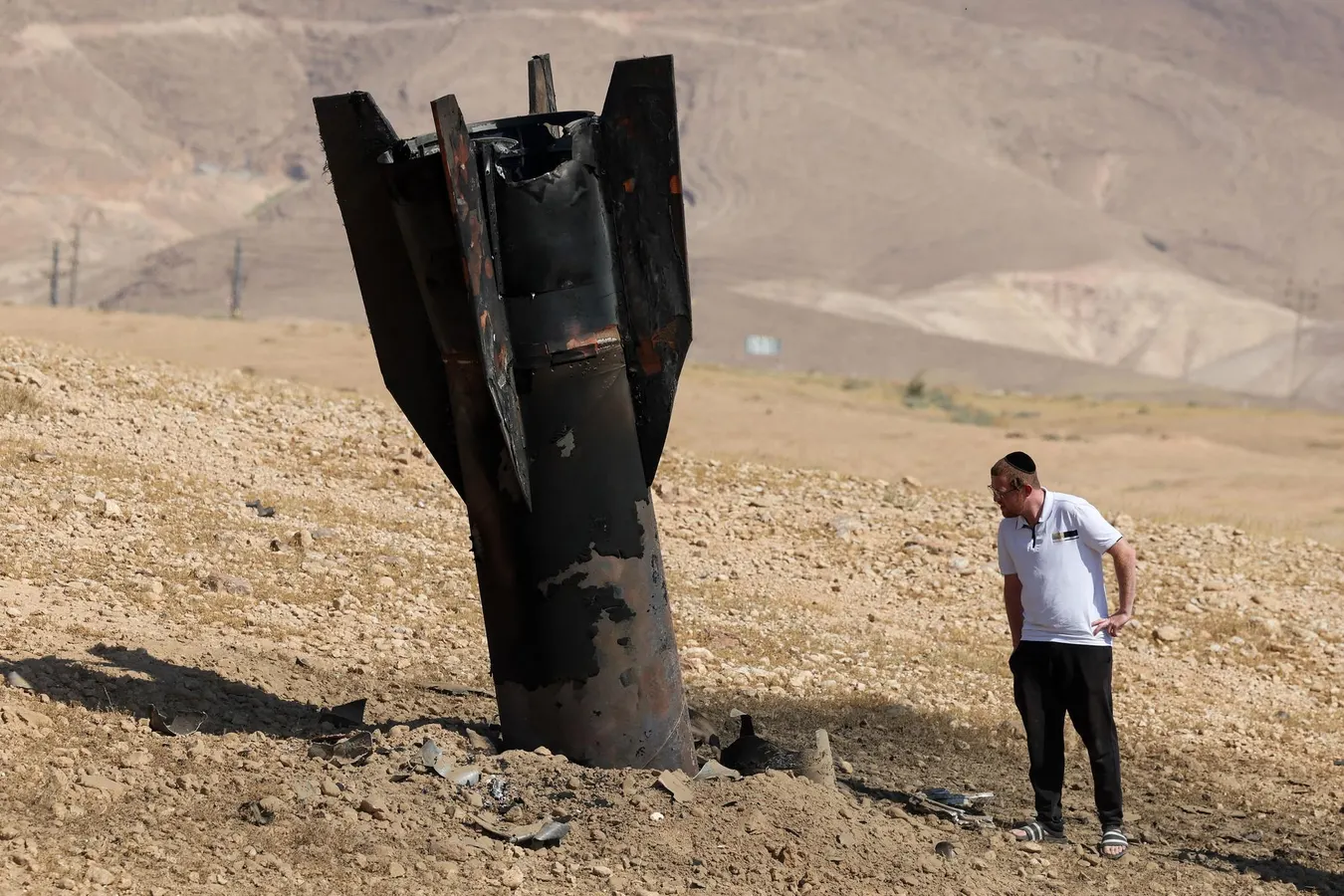
The reality is that the US-Israeli wars on Iran inflicted significant damage on its nuclear and military facilities. But the ongoing conflict has also imposed enormous costs on the US - including more than $1 trillion in expenditures, significant damage to US military assets, global economic disruption, and substantial civilian and military casualties.