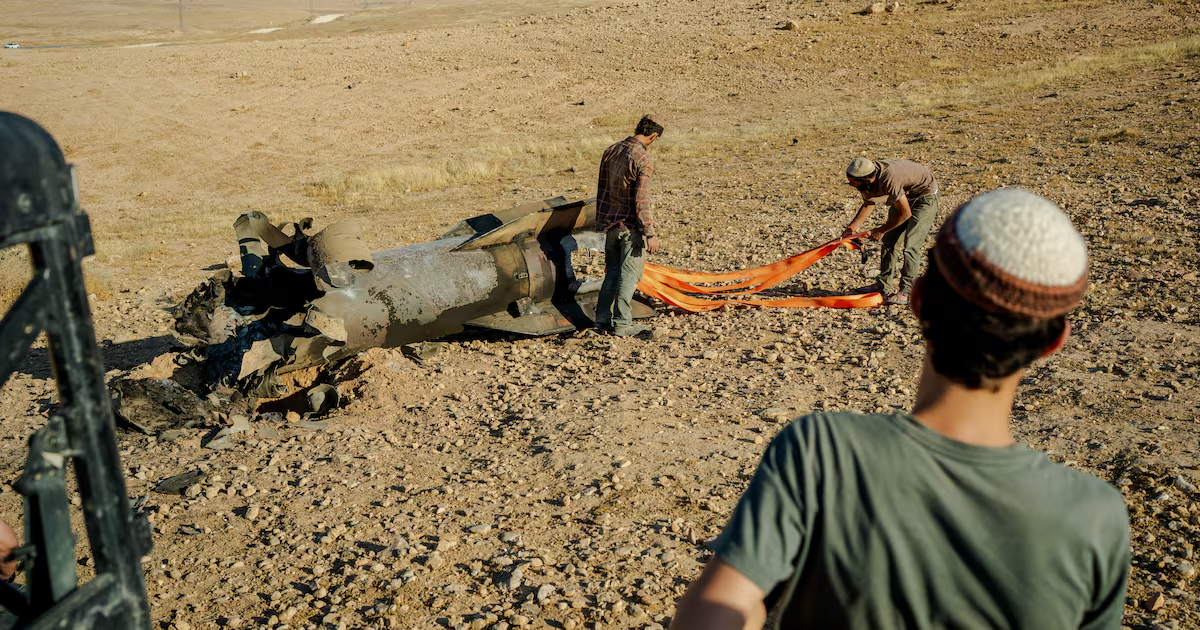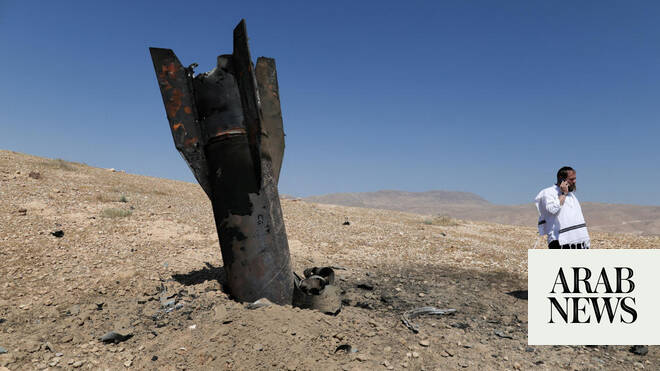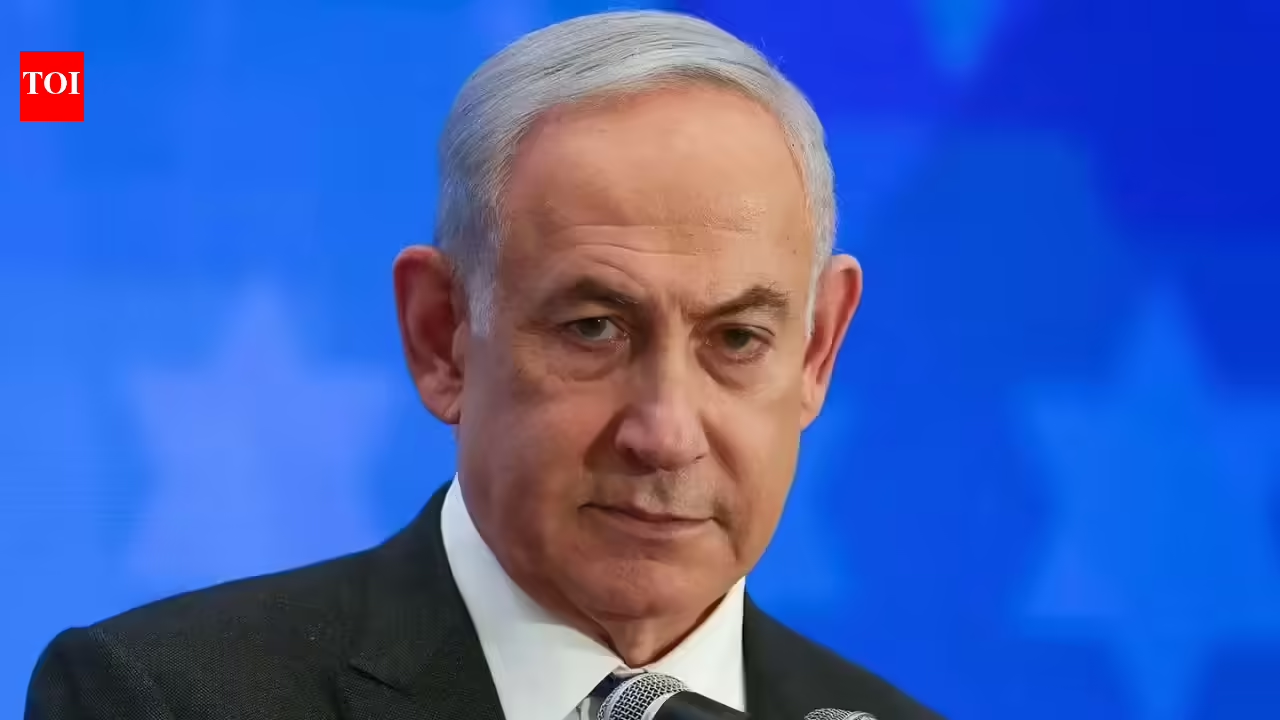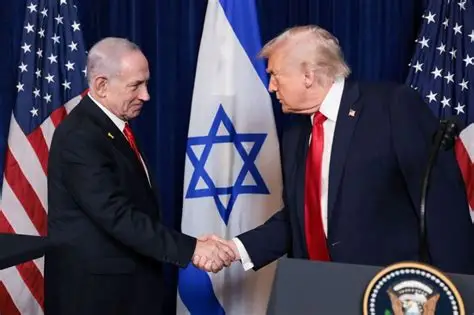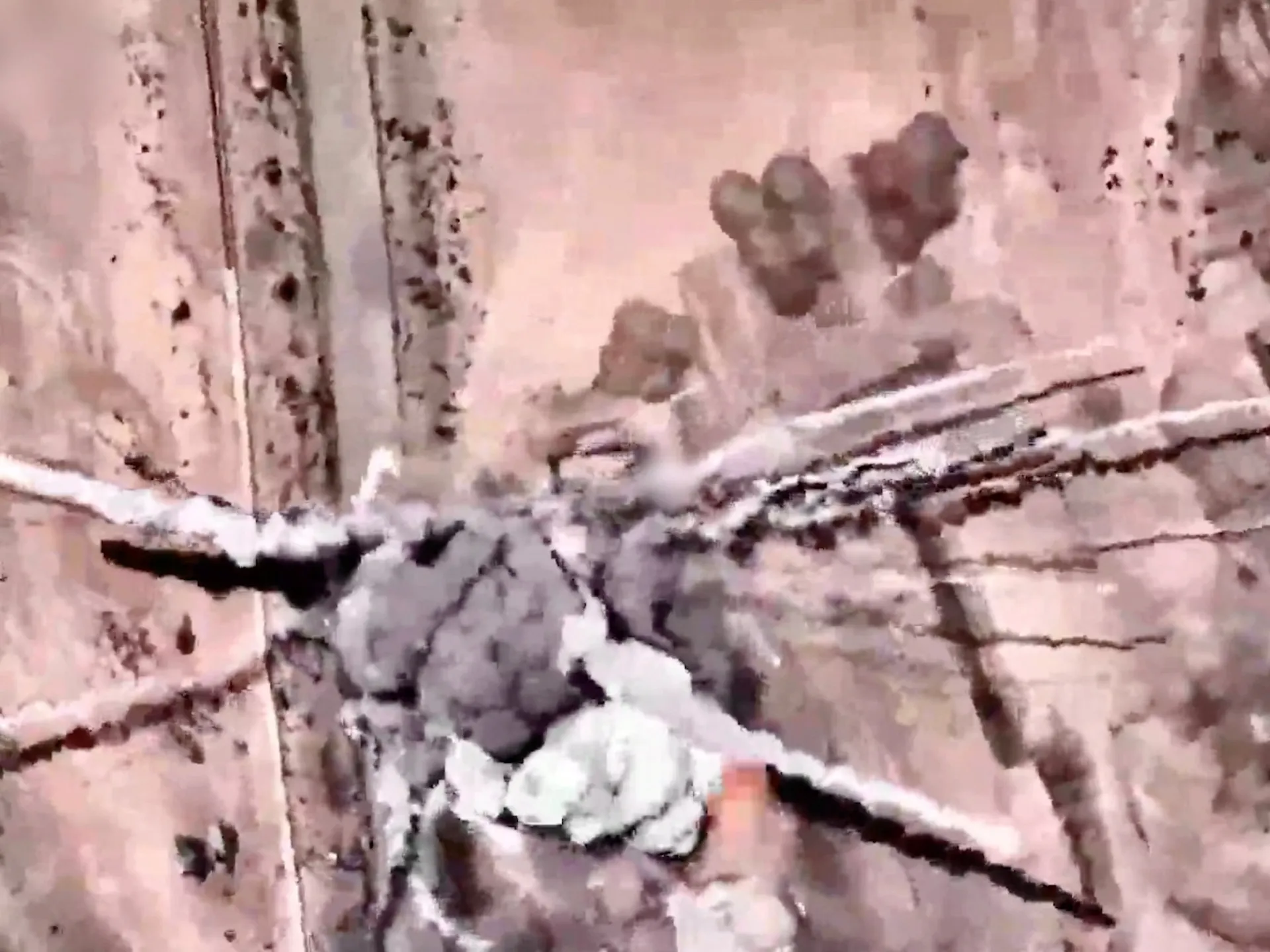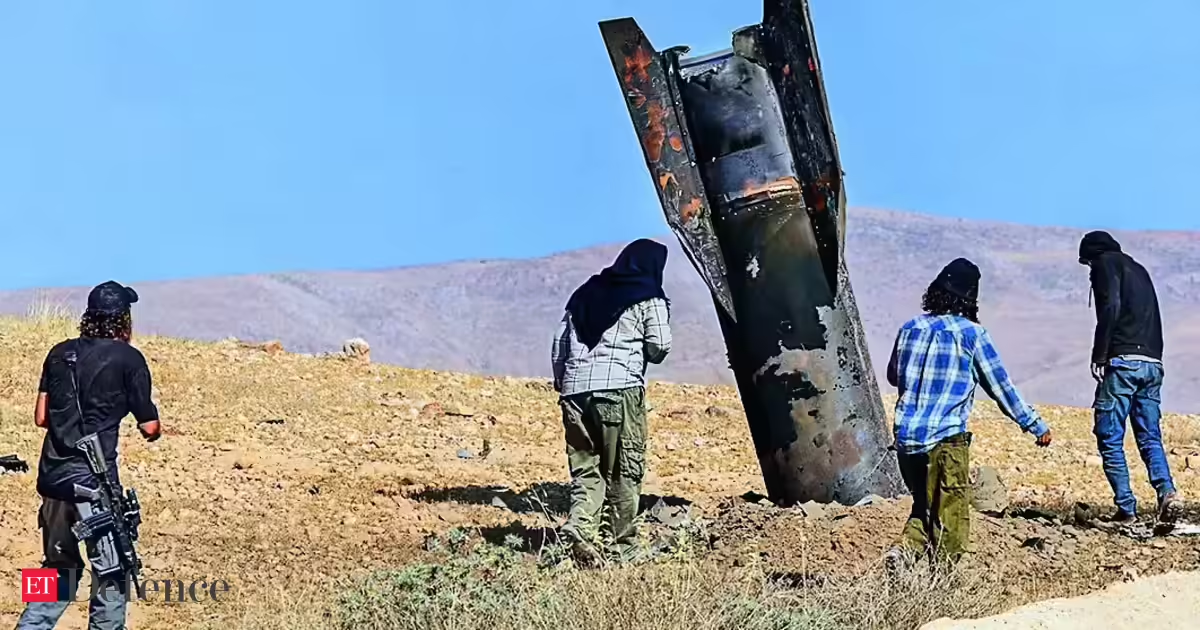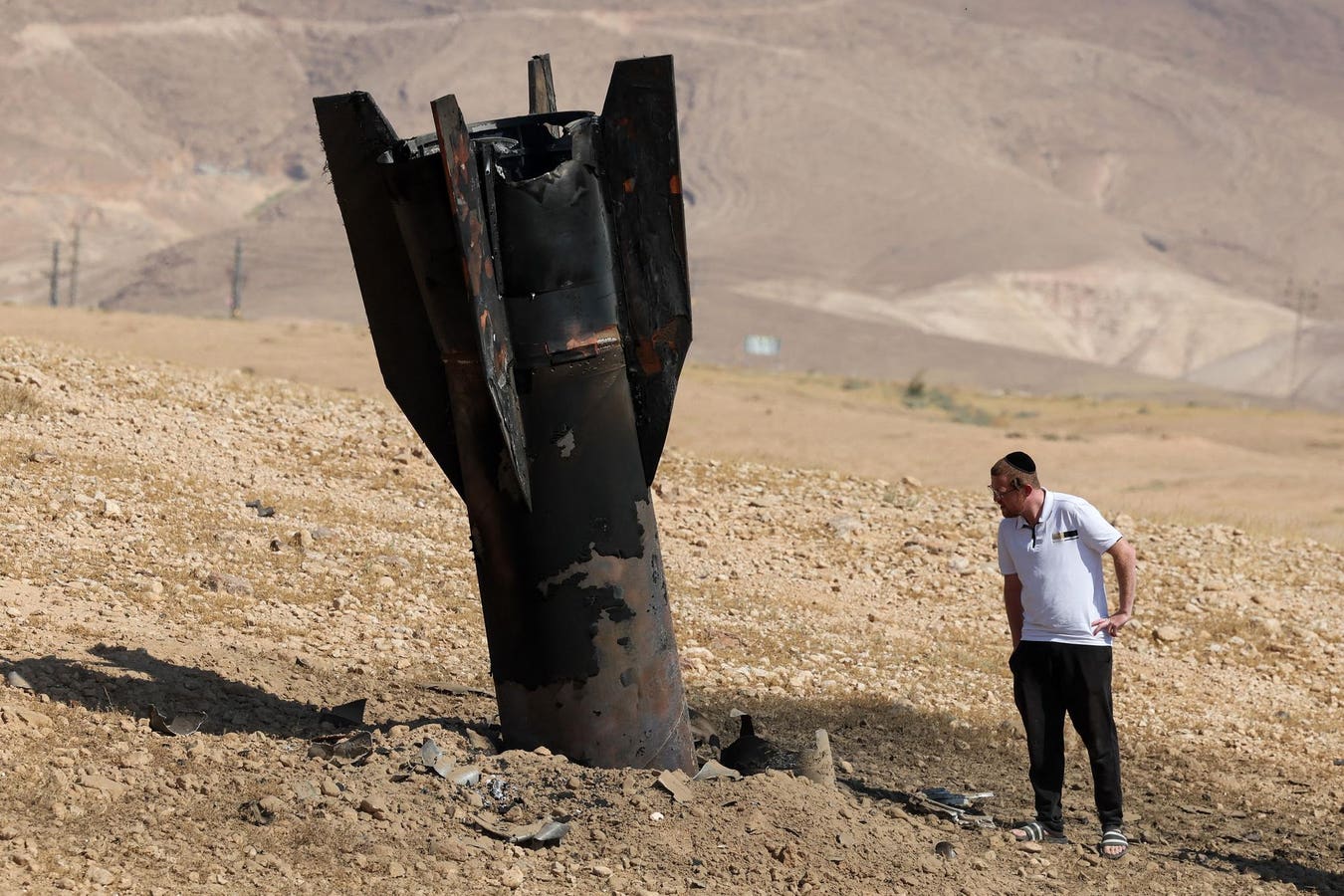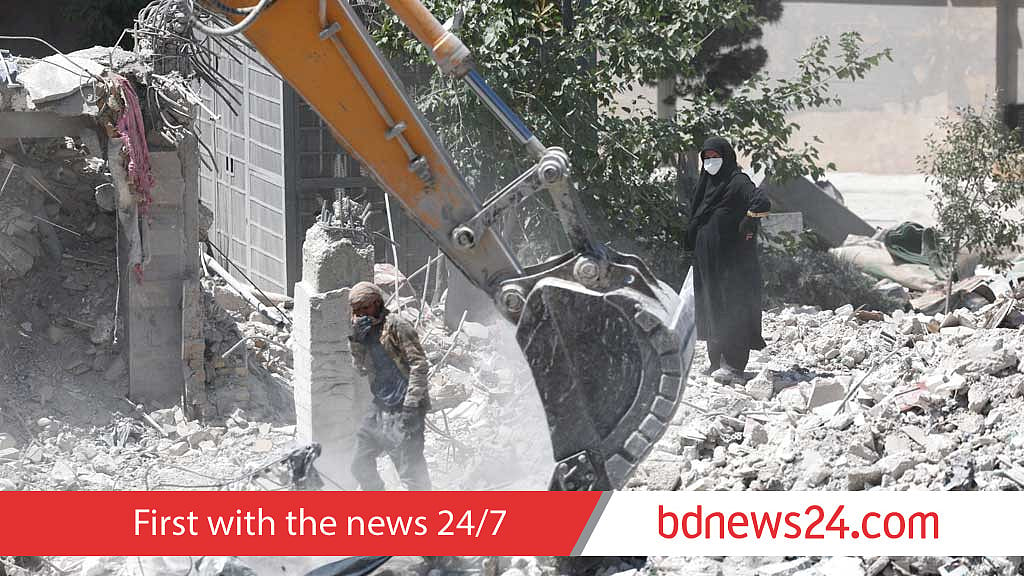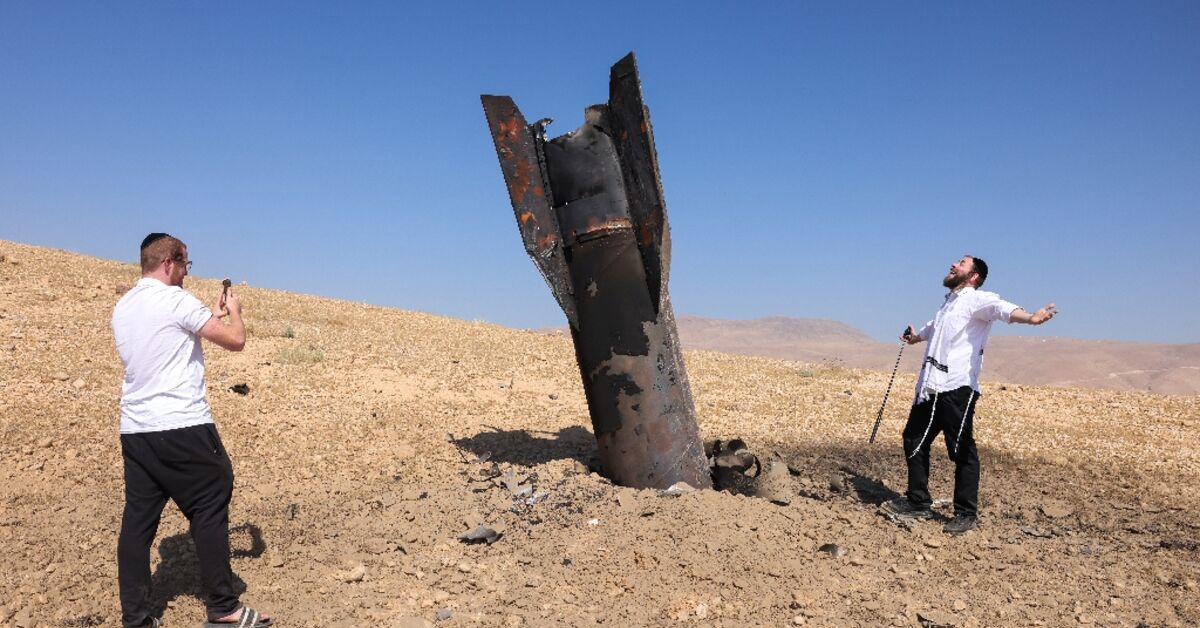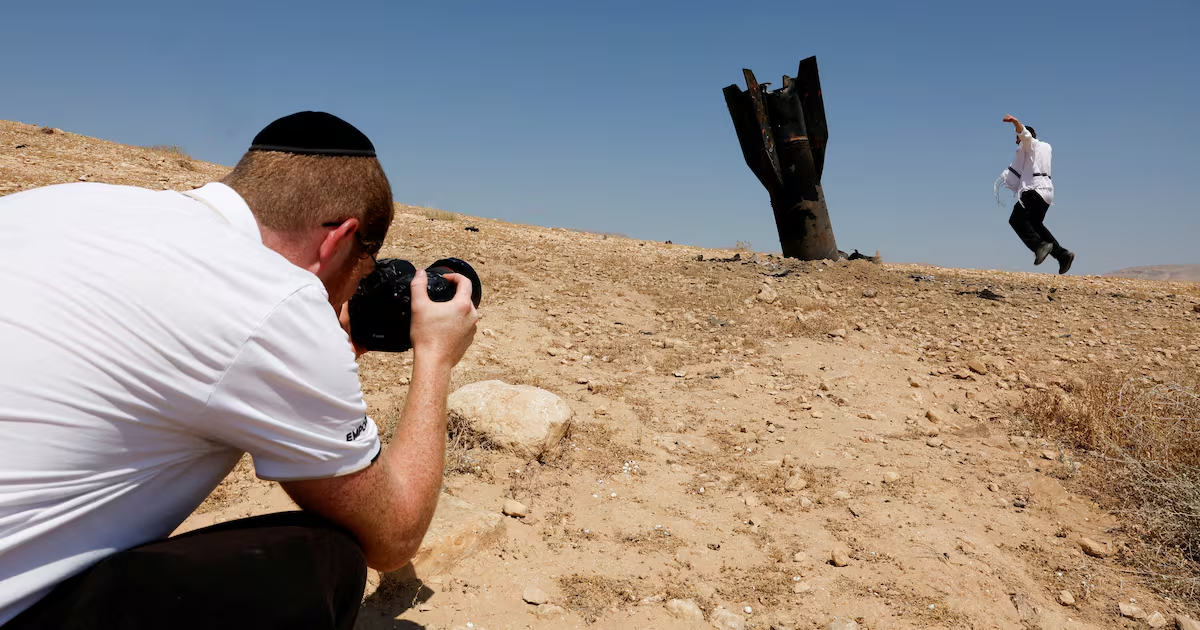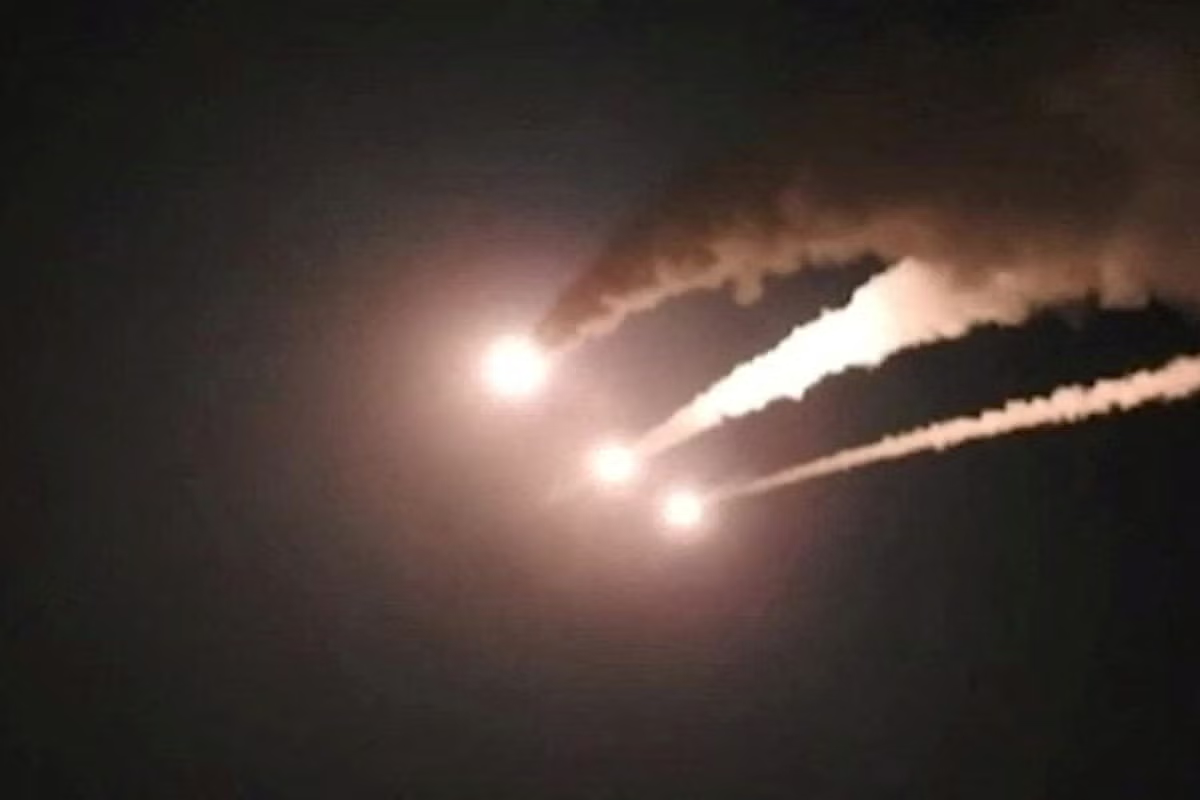
Iran and Israel have called off strikes following a desperate plea by Donald Trump, as a escalation of violence between the countries threatened peace negotiations between Washington and Tehran. More than three months after the US and Israel launched war on Iran on 28 February, and two months into a ceasefire, the latest tit-for-tat escalation prompted fears that a full-blown conflict could resume. Trump, who has been wrangling with Tehran for weeks over a long-term ceasefire, lifting the blockade of the Strait of Hormuz and agreeing a new nuclear deal, urged both sides to hold their fire or risk a collapse in talks. “Each of them had their fun,” the US president told Axios on Sunday night. “Israel had its strike, and Iran had its strike. We don't need another one.”Iran launches missiles towards Israel, at an unknown location, in this still image taken from a video released on June 7 (WANA)But further strikes in the early hours of Monday morning prompted a seven-word Truth Social post at 5:30am, in which the US president begged both sides to “stop shooting” after trading direct blows for the first time in two months.Hours later, he said both sides were “looking to do an immediate CEASEFIRE!”, in a post which came after a phone call with Israeli prime minister Benjamin Netanyahu. “Final negotiations on ‘Peace’ are proceeding, subject to ignorance or stupidity getting in its way,” Trump wrote. “The Blockade will remain in place, and in full force and effect, until a ‘Final Deal’ is reached. Things should move quickly. Thank you for your attention to this matter!”Iran and Israel appeared to heed Trump’s request, both announcing later in the day that they would halt military operations. However, both vowed to resume attacks if the other side breached terms of a ceasefire. Donald Trump fought back against criticism of his war with Iran during an NBC interview (NBC News/Meet the Press)Tehran said on Monday afternoon it had paused military operations but would carry out “much more severe and crushing measures” if Israel resumed its attacks on Lebanon. A senior Israeli official later said the country had halted strikes on Iran at the request of Donald Trump - but that it would resume attacks on southern Beirut if Lebanese militants Hezbollah attacked northern Israel. Mr Netanyahu added: “They thought that they would launch missiles from Iran and Lebanon at Israel and we will not retaliate. That hasn’t happened and it’s not going to happen, not on my watch... They stopped attacking us after we attacked them in Iran and if the terror regime will make a mistake and once again attack us, we will retaliate forcefully.”The latest flaring of tensions came after Iran launched several missiles towards Israel in retaliation for Israel’s strike on Beirut, in further breach of a ceasefire in Lebanon. Israel said Iran had fired 30 ballistic missiles at its territory overnight, but there have not been reports of any casualties. The Israeli military said it had struck Iran’s air defence capabilities and a petrochemical plant in response.An Israeli settler stands near a part of a missile protruding from the ground, following strikes from Iran, in the central Israeli-occupied West Bank (Reuters)Central and western Iran were struck by Israeli forces in the early hours of Monday, with explosions reported in several Iranian cities, including Tehran, Isfahan, Tabriz and Karaj.Tehran made clear that Iran held the US responsible for the resumption of conflict with Israel, lashing out at an “arsonist” America and saying it bore direct responsibility for recent ceasefire breaches by Israel in Lebanon.Washington denied that it was warned of Israeli plans to strike Beirut. One senior official told Axios that the White House did not give a “green light”, while a second US official insisted it “had no part in this”. Israeli anti-air defence system interceptors engage with Iranian missile (Reuters)On Sunday, Israel struck Beirut’s southern suburbs just days after a ceasefire agreement agreed in Washington went into effect.Lebanese and Israeli governments in Washington had renewed the truce in ongoing talks that Beirut hopes will bring an end to the war across the country. There was no immediate word of casualties.Lebanon’s prime minister Nawaf Salam said on Monday that Israel has carried out nearly 3,500 air strikes on his country and hundreds of controlled explosions since an original ceasefire was announced on 16 April. In comments published by his office on X after a cabinet meeting, Salam said that from 17 April to 7 June, Israel had carried out 3,491 air strikes, 407 controlled demolitions and six "razing" operations, or demolitions - which have left some entire villages in the southernmost strip of Lebanon entirely flattened.Oil prices once again jumped following the fresh strikes, nearing $100 dollars a barrel after a 5 per cent increase.
Iran and Israel pause strikes after desperate Trump plea – for now
The shaky ceasefire between Iran and Israel was just about holding after Donald Trump intervened in the latest tit-for-tat strikes, but both sides pledged to resume hostilities if there was any further breach of the deal
795 words~4 min read