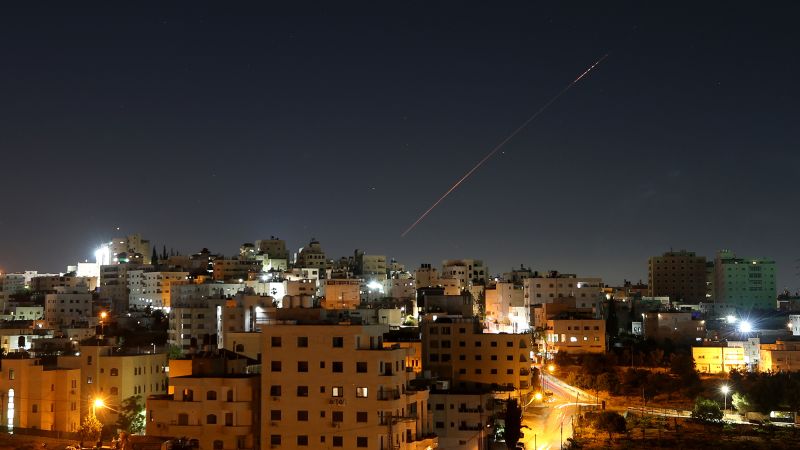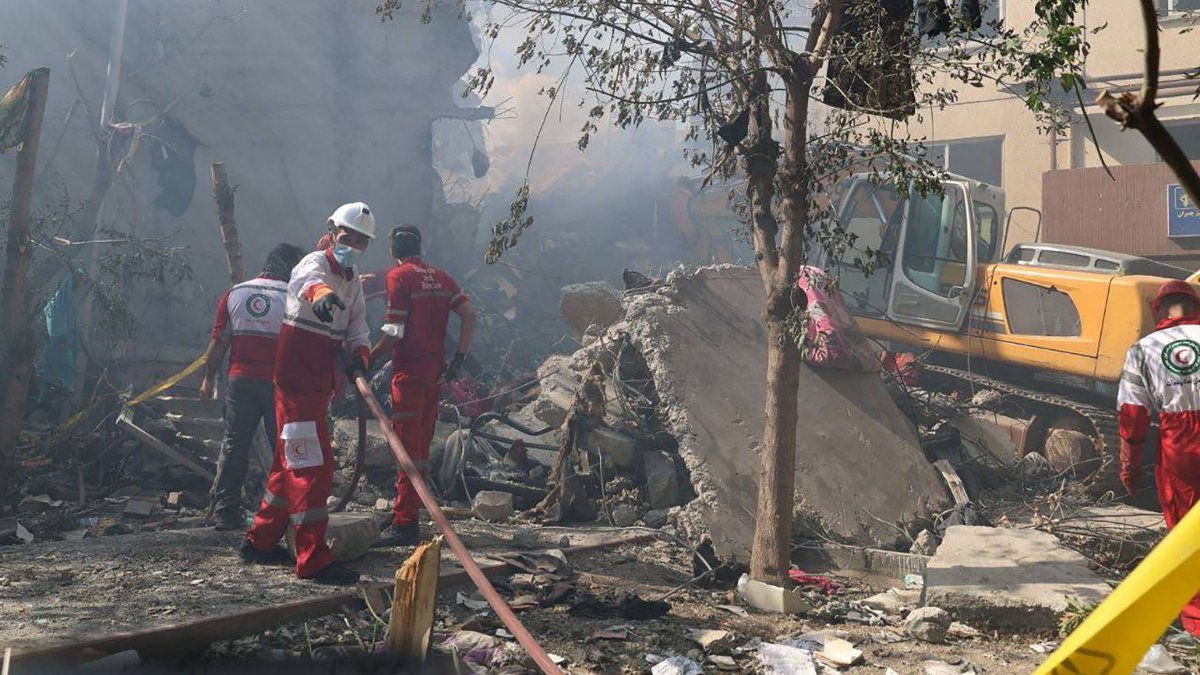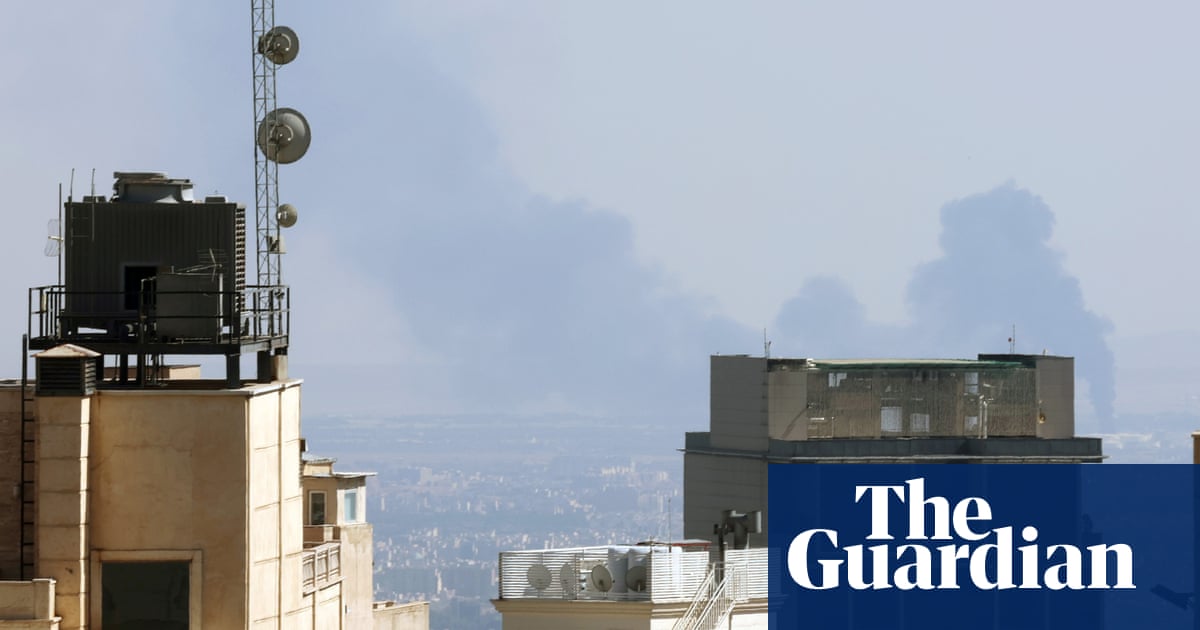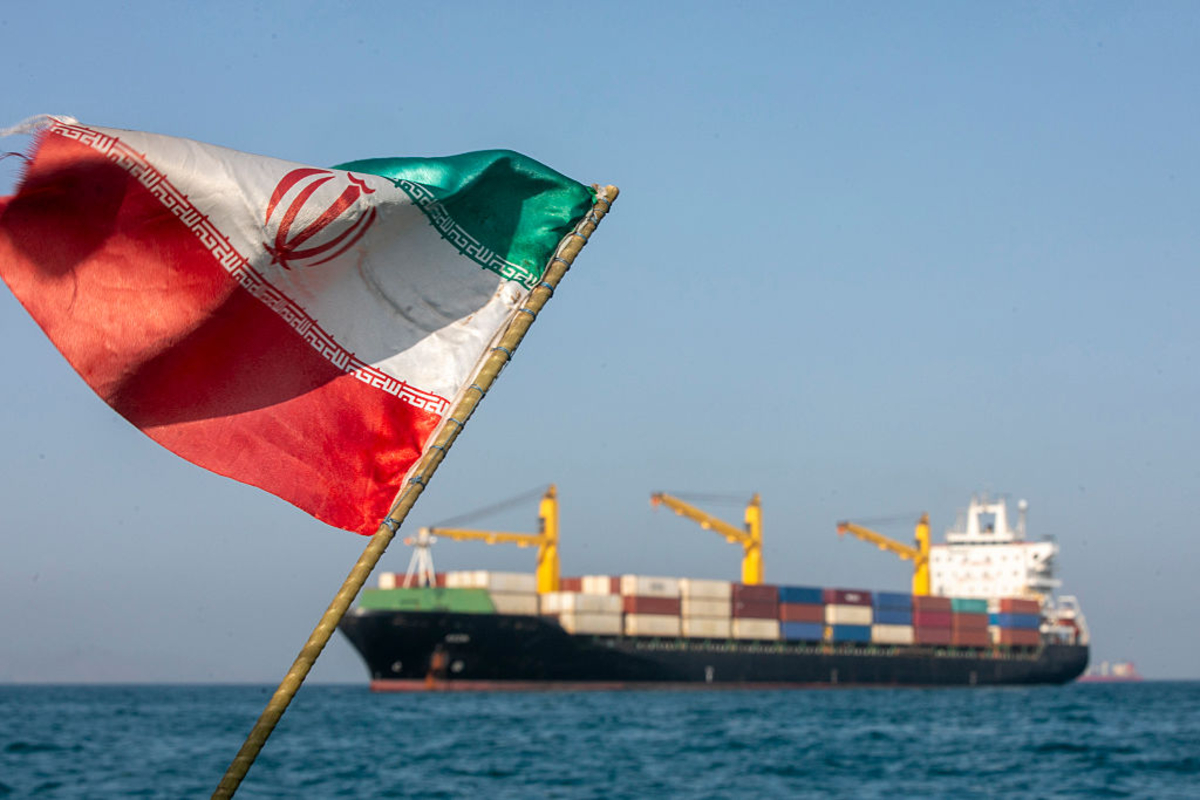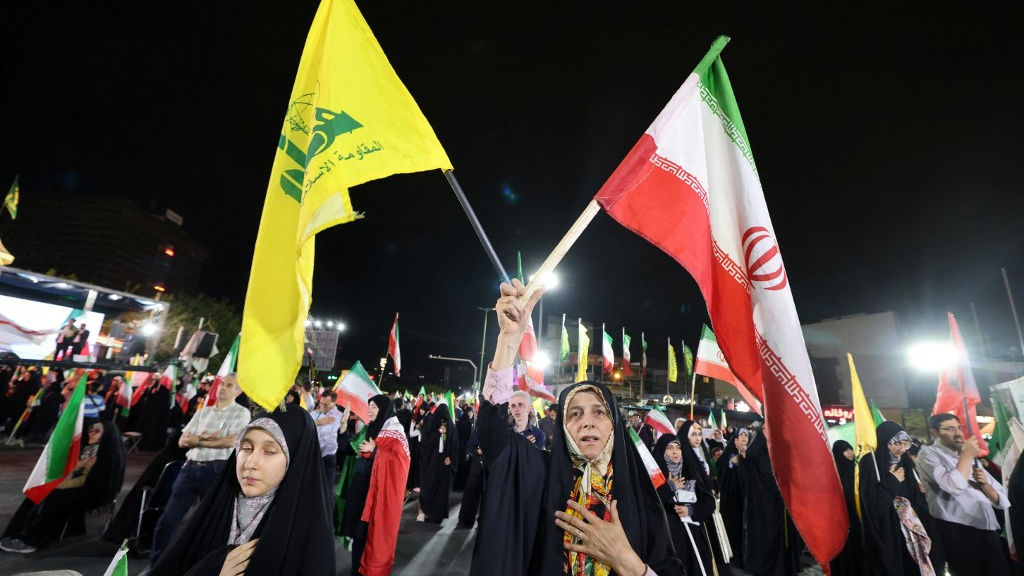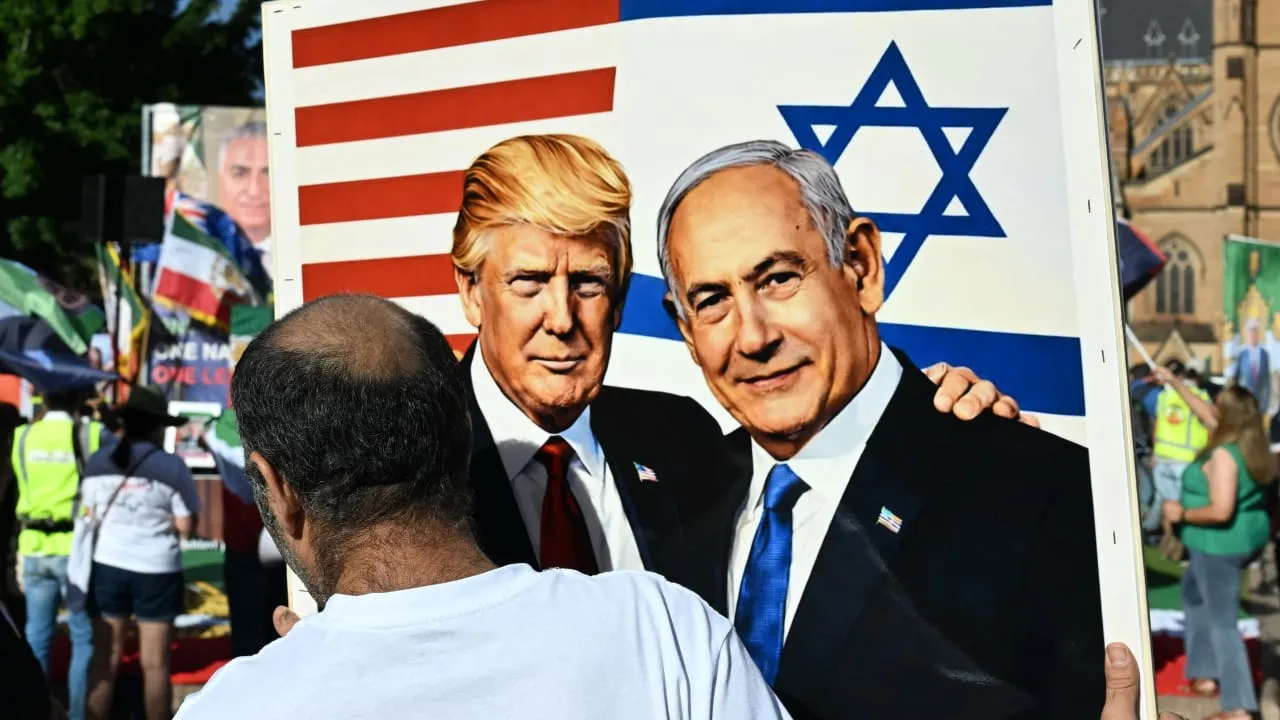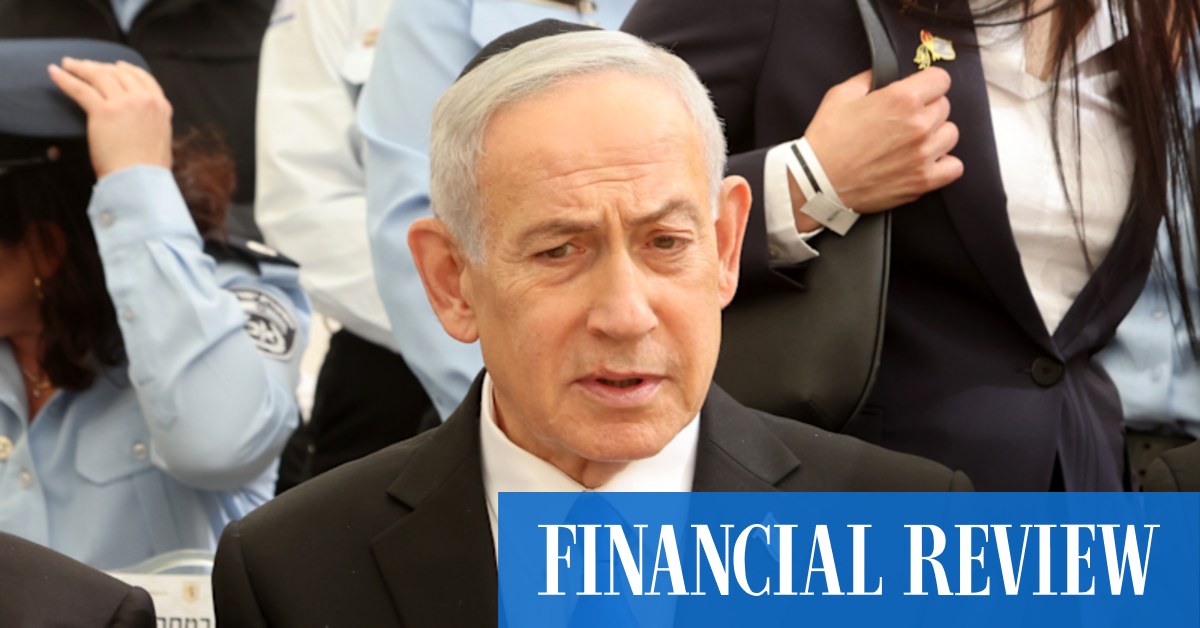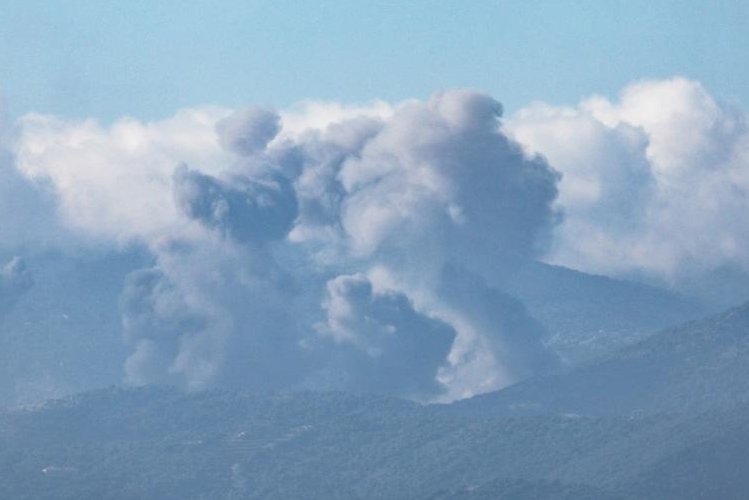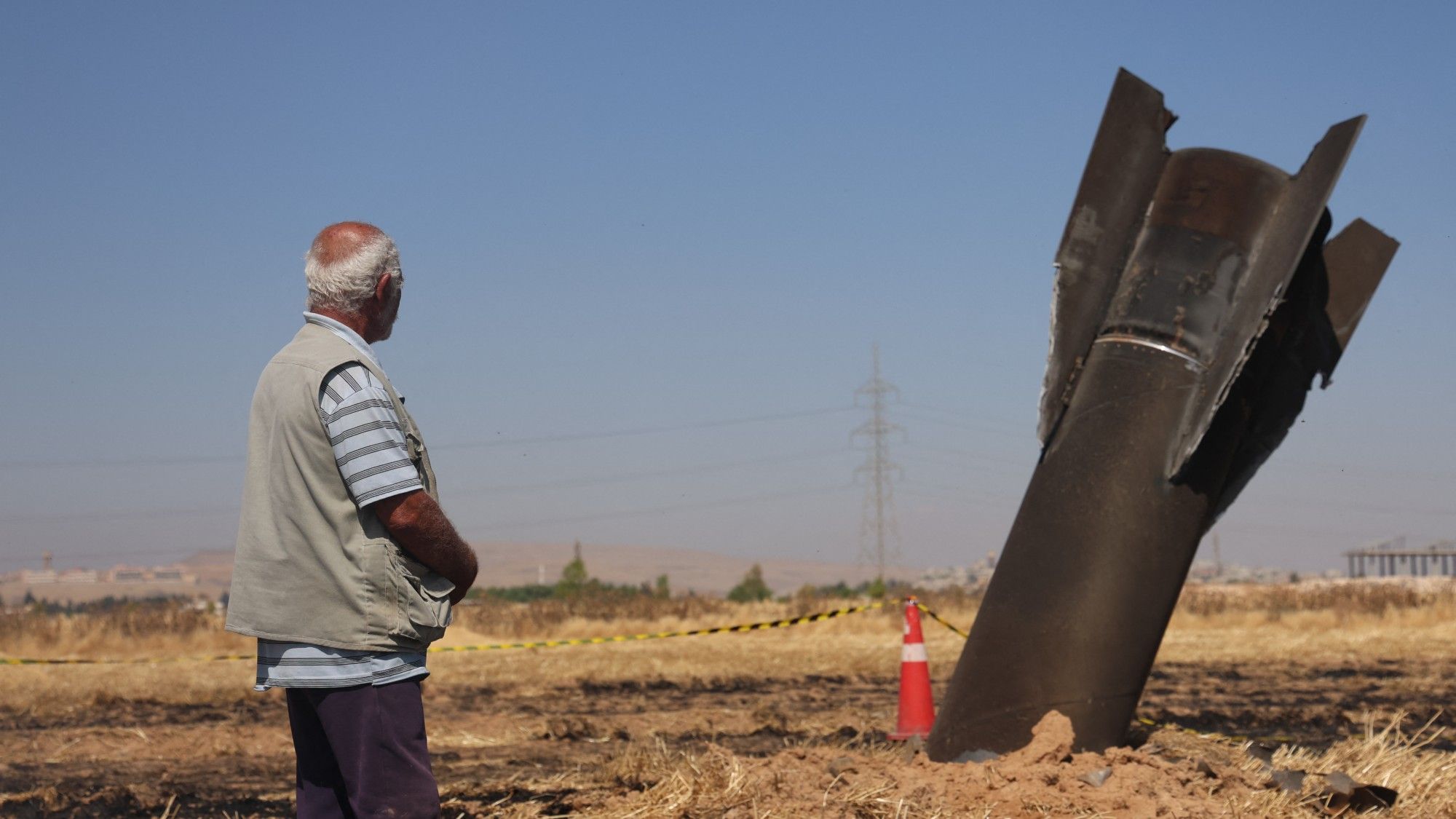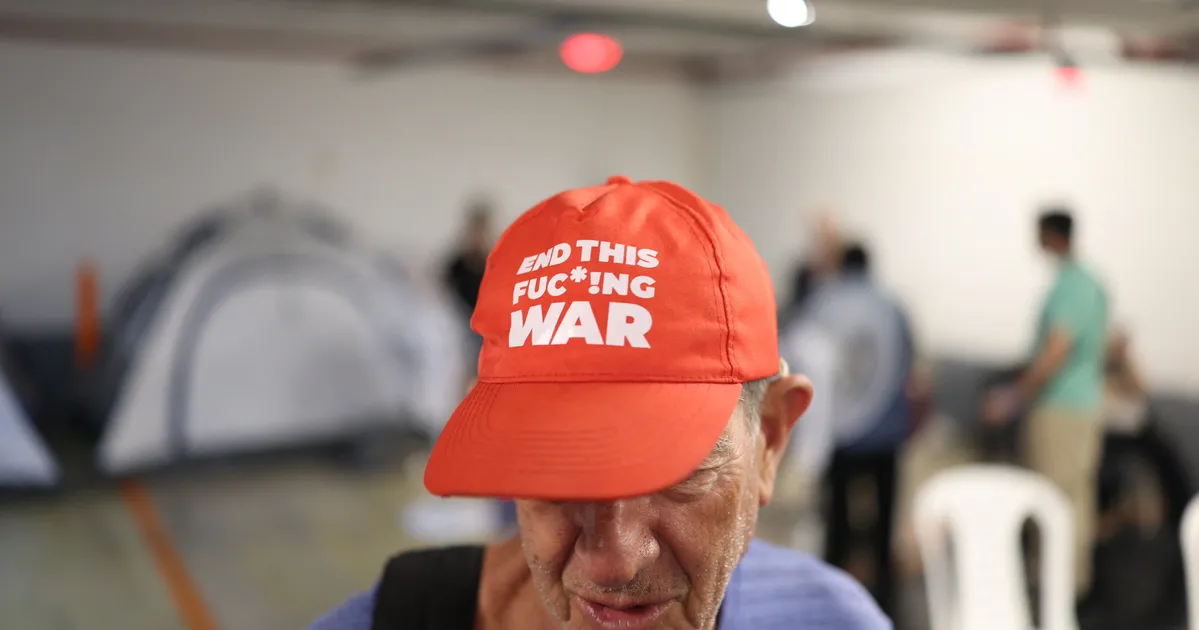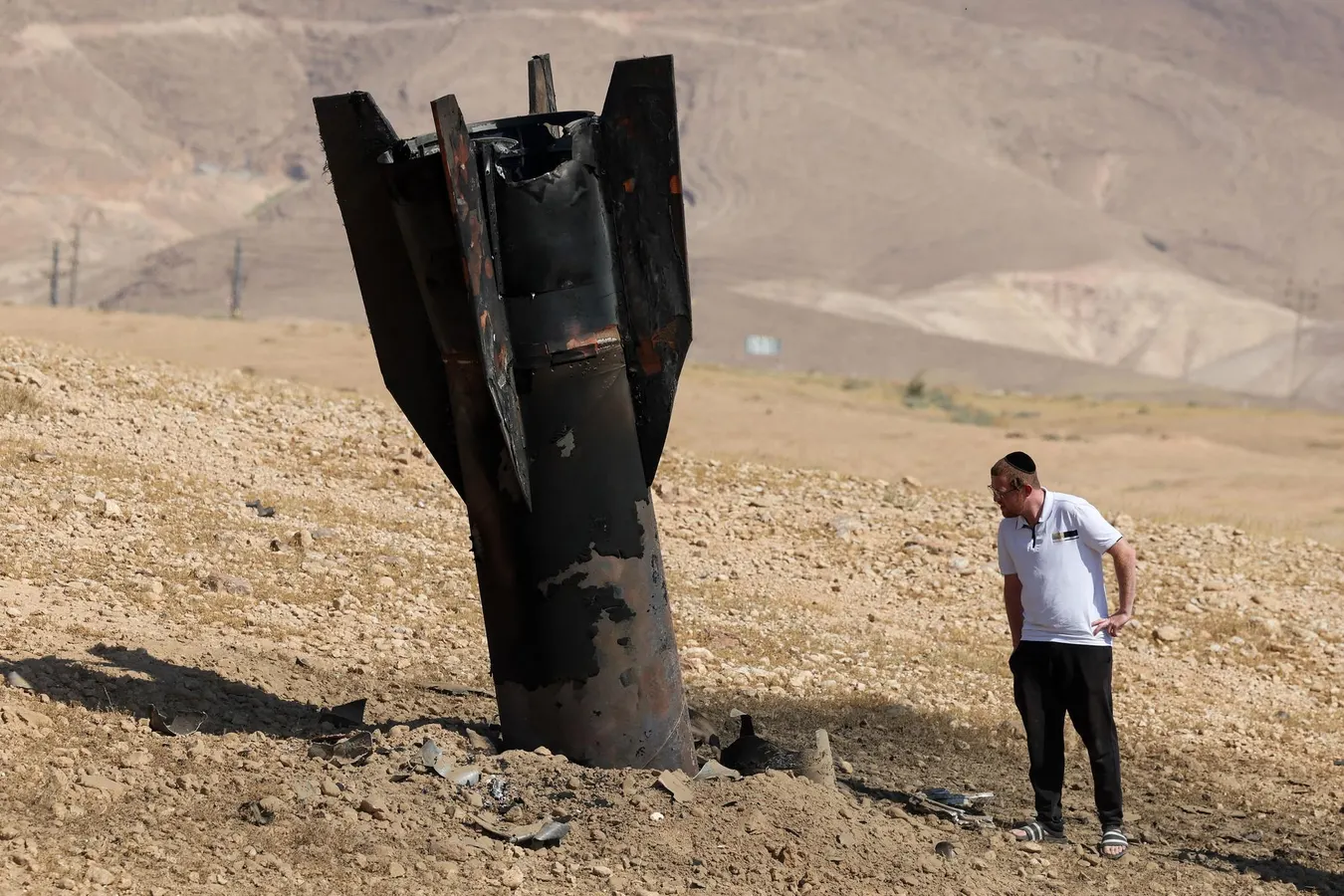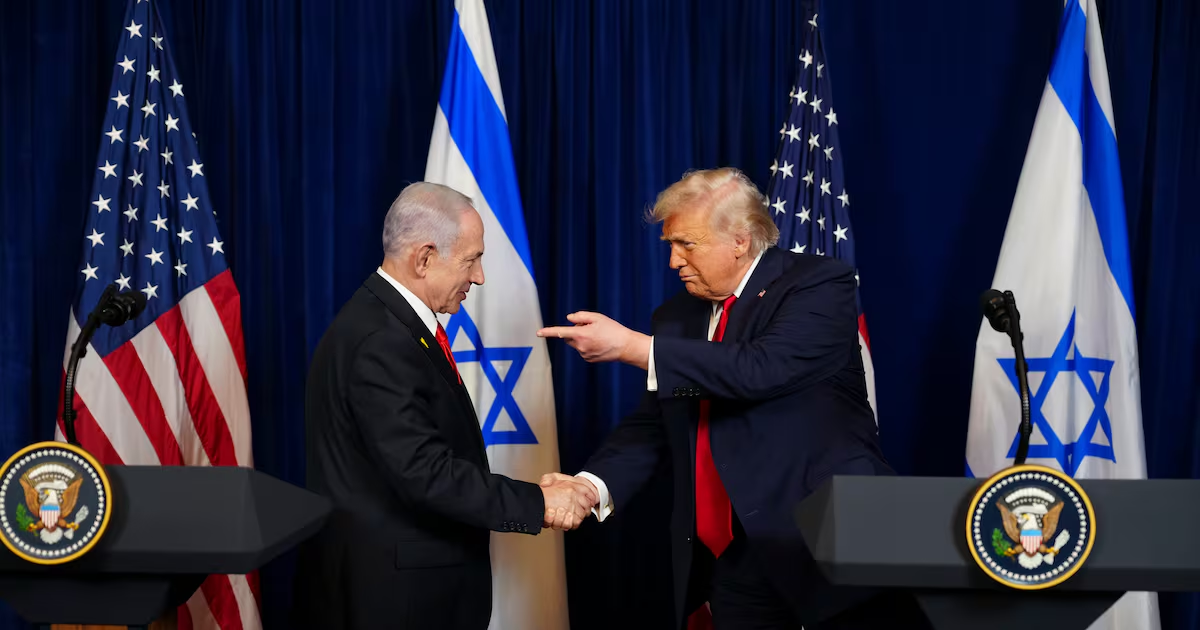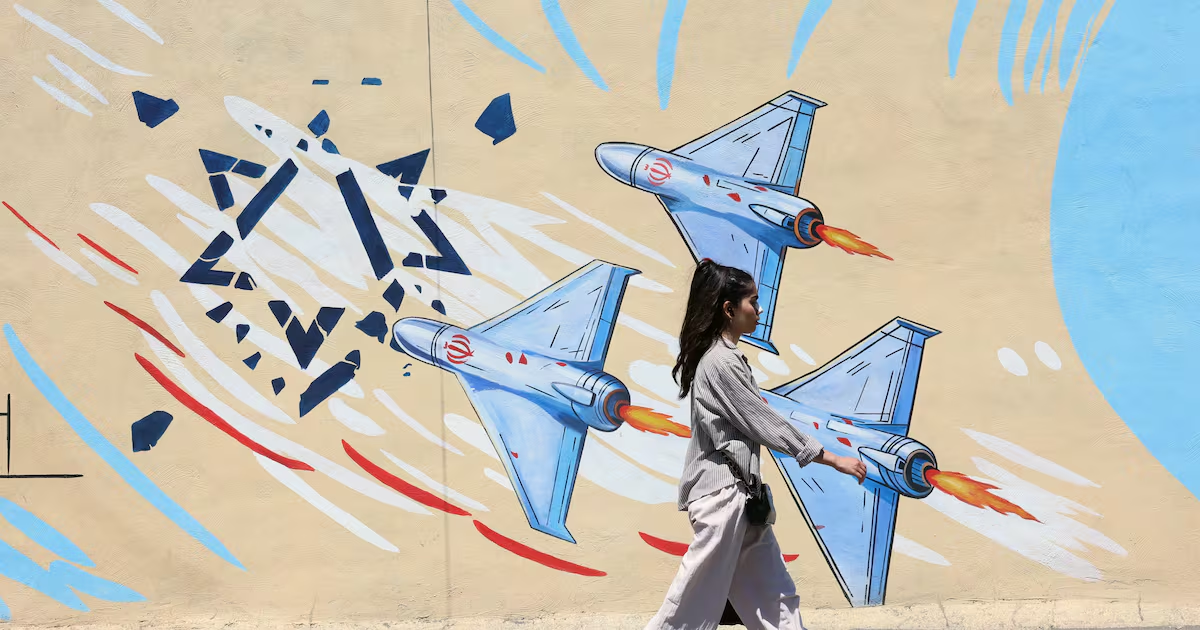
Monday's escalation suggests Tehran, confident in its ability to sustain the fight, is now seeking to dictate its own regional equation, using military force to reinforce deterrence and preserve leverage in peace talks.Israel's Prime Minister Benjamin Netanyahu has repeatedly said his military campaign is changing the course of the Middle East. Iran's response, however, signals that it is willing to risk a return to full-scale war to prevent that outcome and demonstrate that it remains a force capable of shaping regional events.Both sides now appear to be seeking additional leverage at the negotiating table as US President Donald Trump races to secure a comprehensive agreement that would halt an unprecedented regional conflict that has rattled the global economy.“This action carried a clear message that should an assault occur against any segment of the resistance axis, it would be met with a response transcending geographical borders, fundamentally altering the regional equations,” Sadeq Larijani, chairman of Iran’s Expediency Council, said on Monday.“Tehran has ushered in a new chapter in its defence policy: a chapter in which safeguarding regional power is pursued not in anticipation of threats, but through proactive initiative and offensive strength”, added the high-ranking official, who leads one of the regime's most important bodies.Israeli Prime Minister Benjamin Netanyahu reacted quickly, according to regional media, saying that Israel “will not accept” a situation in which Iran attacks it every time Beirut’s southern suburbs are attacked.The exchange of ballistic missiles and air strikes continued into Monday, as Israel conducted new attacks over cities including Tehran and Isfahan, in response to Iranian strikes on Israel overnight. “There were loads of sounds of explosions,” a resident of Isfahan, in central Iran, told The National. Iran’s strikes, the first on Israel since a ceasefire in early April halted five and a half weeks of violence, were a response to an Israeli attack on the suburbs of Beirut. They indicate Tehran’s willingness to respond not only to attacks on its own soil but also to attacks on groups in the so-called Axis of Resistance, including Hezbollah. A Syrian farmer stands next to an Iranian missile that fell on agricultural land near Damascus. AFPInfoThe grave escalation comes 100 days after the war began with US and Israeli strikes on Iran on February 28, 2026, unleashing a conflict that spread across the region and led to the death of Iran’s longtime supreme leader Ali Khamenei and to his replacement by his son, Mojtaba Khamenei and a cohort of ultra-conservative Islamic Revolutionary Guard Corps (IRGC) commanders calling the shots. It also comes after days of intensified strikes between US forces and the Islamic Revolutionary Guard Corps (IRGC) in the Arabian Gulf that analysts said were an indication of Iran’s willingness to use force to re-establish deterrence and to avoid an erosion of its leverage in any future negotiations. The escalation further imperils the already shaky ceasefire and throws into the spotlight the prospect of a return to full-scale conflict. “As Israel and Iran trade fire, the fate of the ceasefire remains uncertain,” said the International Crisis Group on Monday.The prospect of another full-scale war is a dark one for much of the region, where hostilities have wreaked havoc on lives and economies, displaced millions and killed thousands. While global leaders are looking for the war to end, the clashes “reflect efforts by both sides to acquire additional leverage at the bargaining table,” the Soufan Centre in New York said in a briefing note. Iranians' responseIran is framing its strikes on Israel as a clear message that attacks on any of its allies will bring a response and as a demonstration that it is willing to respond militarily when diplomacy falls short of its demands. In a bombastic broadcast on Monday morning, Iranian state television said the strikes on Israel were a “serious warning to the Zionist terrorists” after strikes on Lebanon, and broadcast images of missiles against a backdrop of dramatic music and Iranians cheering on military action.Play08:51Is Bab Al Mandab going to be the new chokepoint?Other Iranians do not feel the same way. The escalation was to appease regime supporters in Iran who had been agitating for renewed military confrontation rather than reaching an agreement with the US, another resident of a different city said. Replace the quoted sentence with a paraphrase: He added that the escalation was just to shut up their supporters. Many Iranians see the IRGC and the regime as their main problem, and while many oppose foreign strikes on their country, they would rather see an end to the IRGC’s expanding influence over how their country is run than anything else. “I hope they pull out this loose tooth soon,” the resident of Isfahan said, referring to the IRGC. At the same time, there is no indication of Iranians taking to the streets to protest against their government, amid an intense security crackdown that human rights organisations say has taken place under the shadow of conflict. “They would be killed, and only a more serious military intervention” would take out the IRGC, he added. Others, even those who do not support their government, are less supportive of the idea of military intervention with no clear endgame in sight. “I hope it [the war] doesn’t start again,” a resident of Tehran told The National. Strikes on Monday morning were mostly heard by residents of the city’s west, he said. “I myself did not hear anything.” Israeli strikes on the Karoon petrochemical complex in Mahshahr, south-western Iran, were alarming because hitting energy targets “directly hits people’s lives”, he added. Previous strikes on petrochemical plants during the war contributed to a rise in plastics prices, making everyday goods such as plastic-wrapped food more expensive. Israel confirmed that it struck the complex on Monday, claiming that the complex produced “unique materials that serve as critical components for the development of ballistic missiles.” Iranian state media confirmed that the site had been damaged. Patients are relocated to an underground car park lot for safety at Tel Aviv Sourasky Medical Centre. Getty ImagesInfoIran’s strikes on Israel show that the new Iranian leadership is more hardline, less restrained, and deeply committed both ideologically and strategically to Hezbollah and the “resistance” doctrine, Raz Zimmt, director of Iran research at the Institute for National Security Studies in Tel Aviv, said. Iran “appears highly confident in its ability to impose a new equation on Israel, based on the assessment that it holds significant leverage over the US and the region and that President [Donald] Trump is not willing to renew the war at almost any cost,” he told The National. Iran appears to be calculating that Mr Trump is reticent to resume full-scale military operations, given the war's impact on global energy markets and its low popularity among the American public. Mr Zimmt, who spent two decades at the Israeli army’s military intelligence unit, added that Israel viewed Tehran’s linkage of the ceasefire in Lebanon to that in Iran. “Hezbollah was not party to the negotiations and rejected the agreement, accusing the Beirut government of selling out Lebanon’s sovereignty to Israel,” the Soufan Centre said. Out of reachIt quickly became clear that Hezbollah and Iran would not abide by a renewed ceasefire agreed by Lebanese and Israeli officials in US-mediated talks last week, paving the way for this week’s escalation. Mr Netanyahu, meanwhile, appeared to ignore warnings from the US not to strike Lebanon, underlining differences between US and Israeli thinking about how the war should progress. While President Trump told NBC News that a deal with Iran is “very close”, major points of difference remain without a clear way of overcoming them. It will be difficult for the US and Iran to continue negotiations, even indirectly, while Israel and Iran continue to strike each other, and the likelihood of exchanges of fire between the US and Iran in the Arabian Gulf also remains. Ultra-conservatives in Iran who have been opposed to a deal with the US say that there is insufficient clarity over the lifting of sanctions on Iran and that Tehran should demand more gains upfront rather than waiting until after an agreement is signed. They refuse to give up the control that Tehran has carved out over the Strait of Hormuz, where an Iranian blockade has sent global energy prices soaring. A parallel US blockade on Iran’s southern ports has curbed imports and exports, exacerbating already sky-high inflation in Iran. Play00:40Trump wants to separate talks on Lebanon and IranMahmoud Nabavian, an ultra-conservative Iranian politician, praised Iran’s strikes on Israel by “the warriors of Islam” and said there were “main drawbacks” in any possible future agreement, including “obscurity” over the lifting of sanctions and the return of billions of dollars in frozen assets and the idea that Iran might have to “abandon” its control of the Strait of Hormuz. Mr Trump says that Iran has agreed as part of any deal that it will not pursue a nuclear weapon, a goal that Tehran has long denied having. However, there remain significant differences over the fate of Iran’s stockpile of highly enriched uranium, which Tehran does not want to surrender, and over whether it would be allowed access to billions of dollars of frozen funds held overseas. Those seemingly intractable issues may make reaching an agreement less likely and a return to full-scale conflict more likely.“The problem is that it is far from certain that the Iranian leadership is currently willing to provide him with even the minimum he is demanding – both regarding the nuclear issue and the question of frozen Iranian funds, which would allow both sides to reach an agreement that might enable a lasting ceasefire in both Iran and Lebanon,” Mr Zimmt added. “If that does not happen, we may find ourselves facing a full-scale resumption of the war, including possible US involvement.”
Deterrence and leverage: Iran tries to call the shots with strikes on Israel | The National
Severe escalation complicates advanced peace talks as Tehran signals willingness to risk return to full-scale war, 100 days into the conflict
1,634 words~7 min read