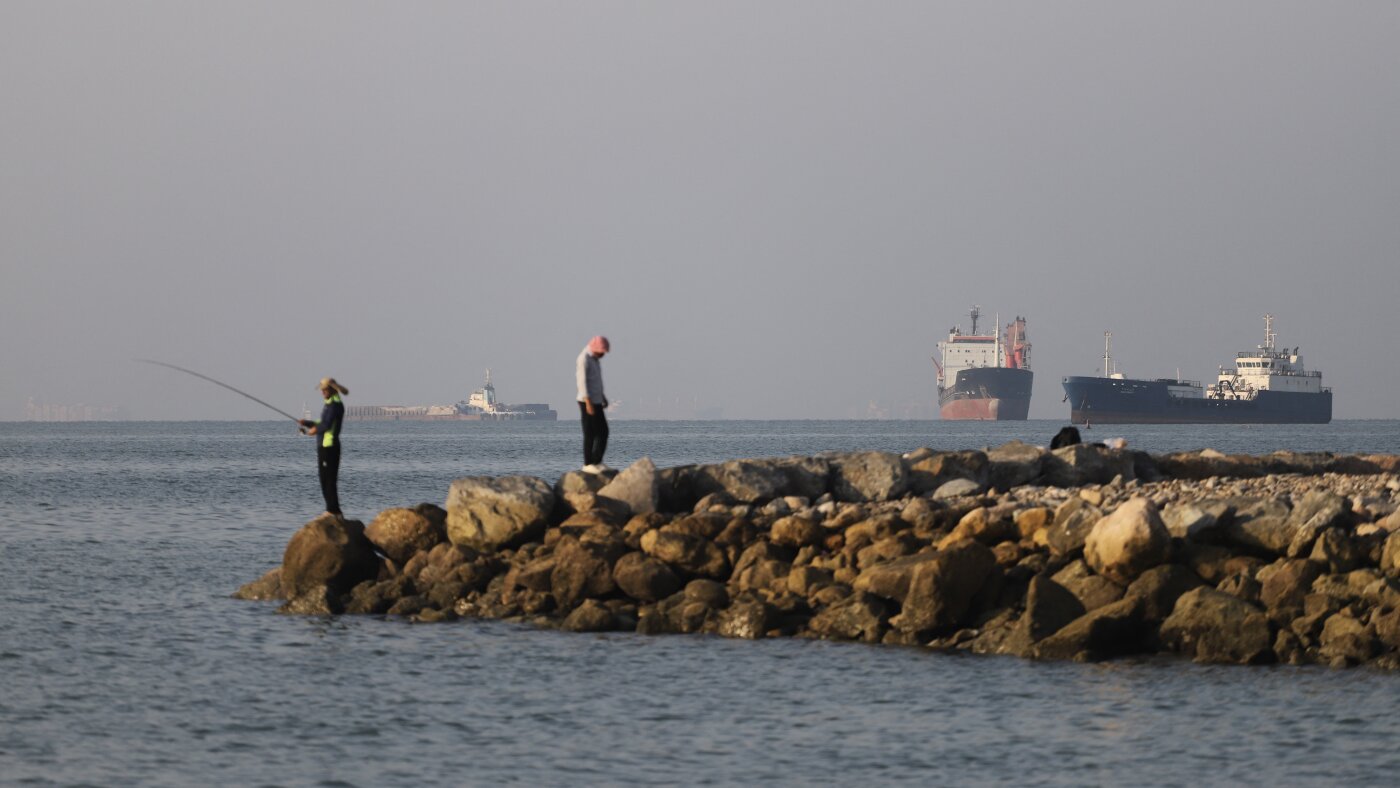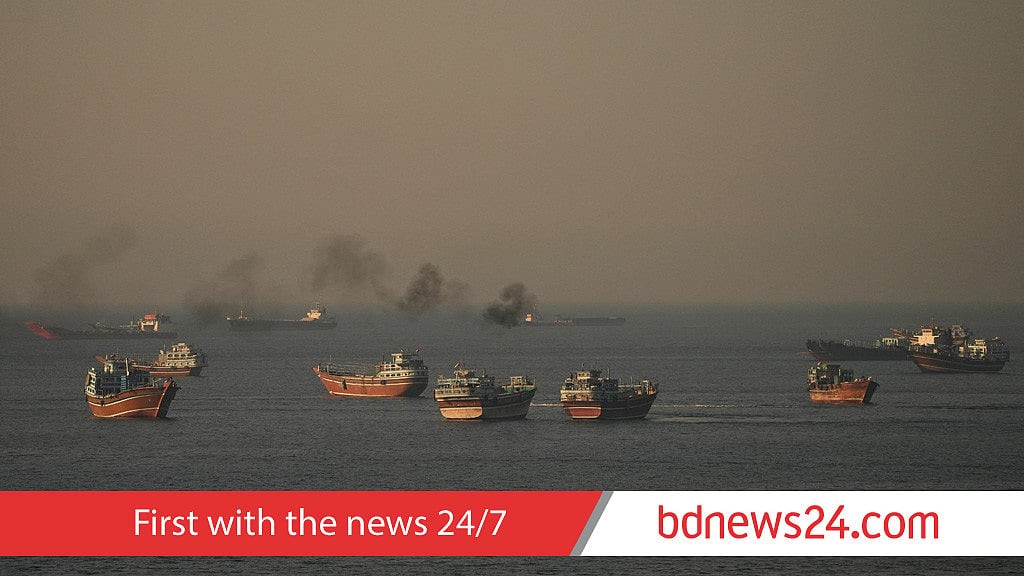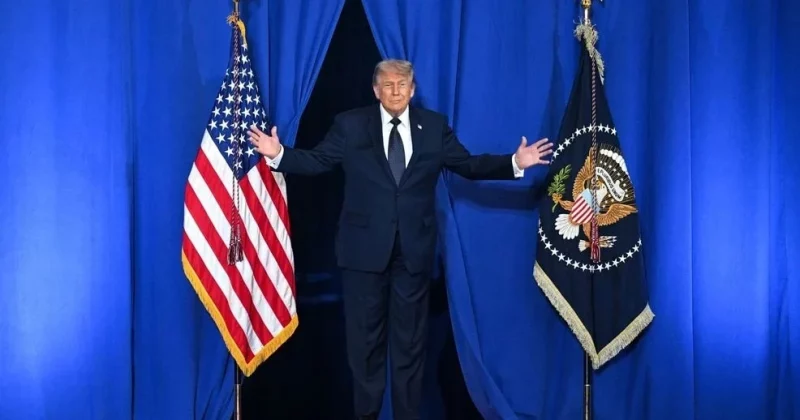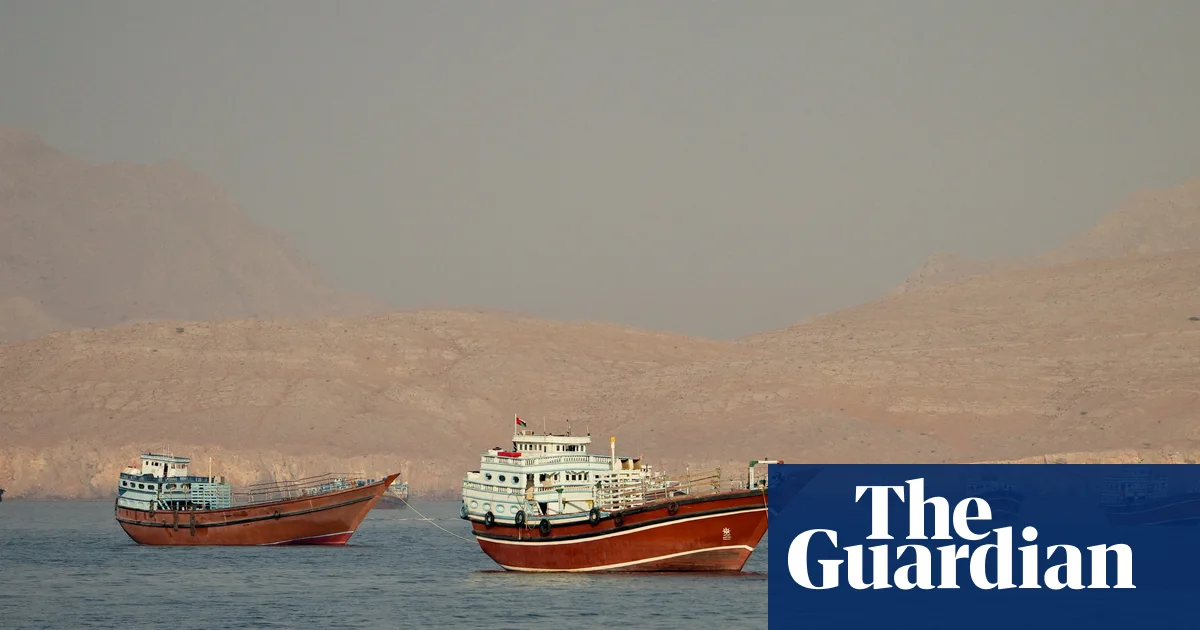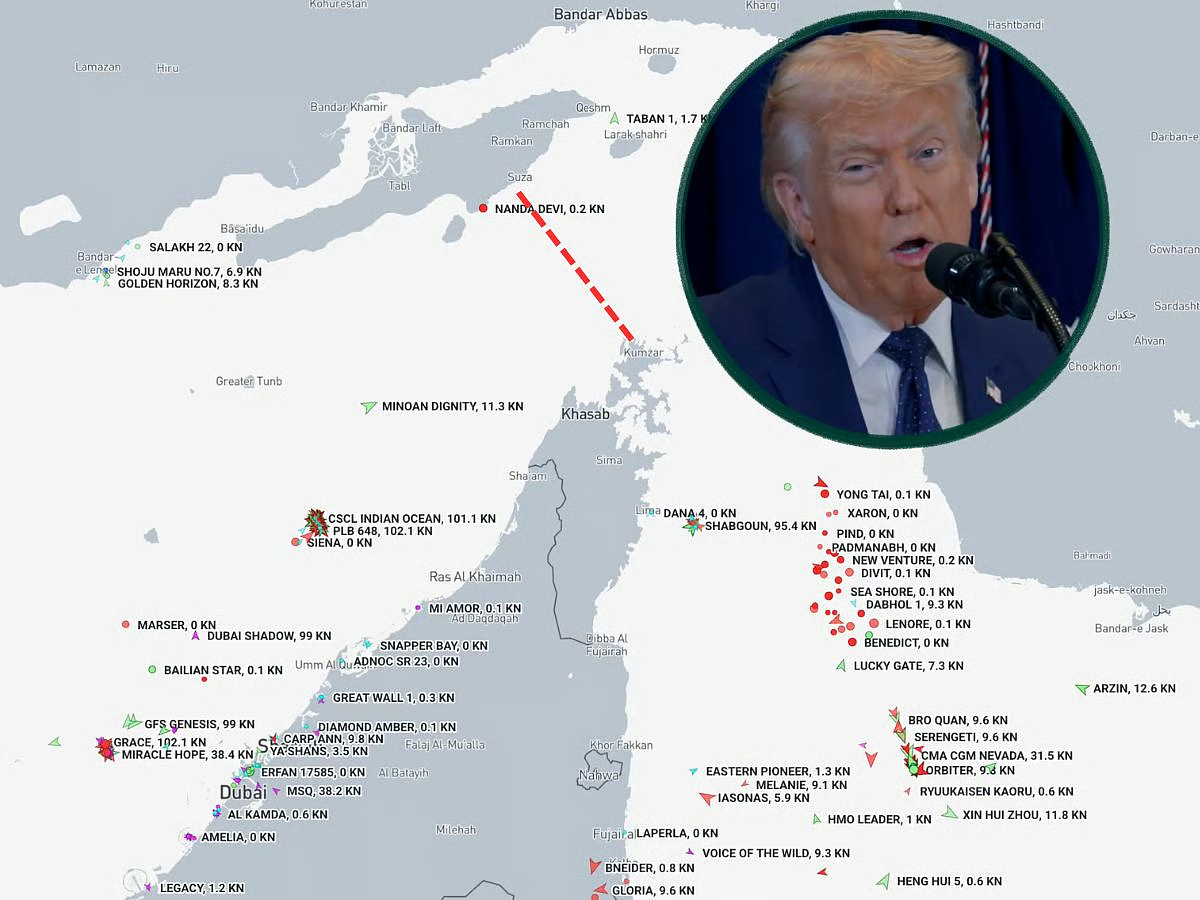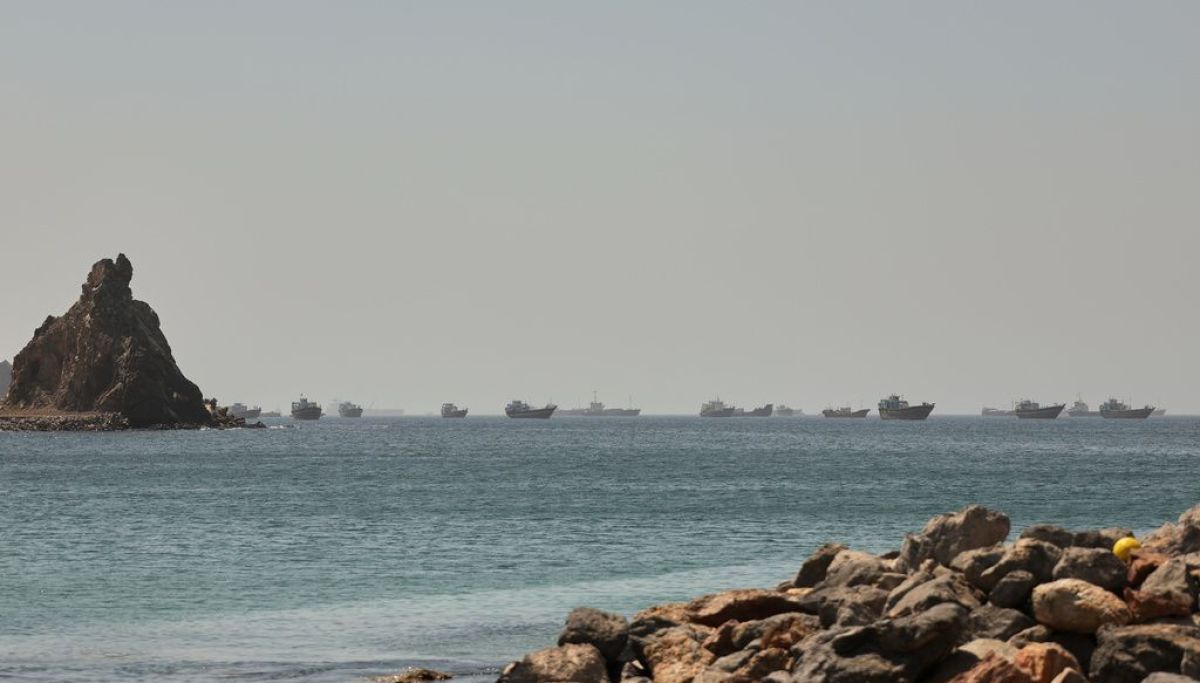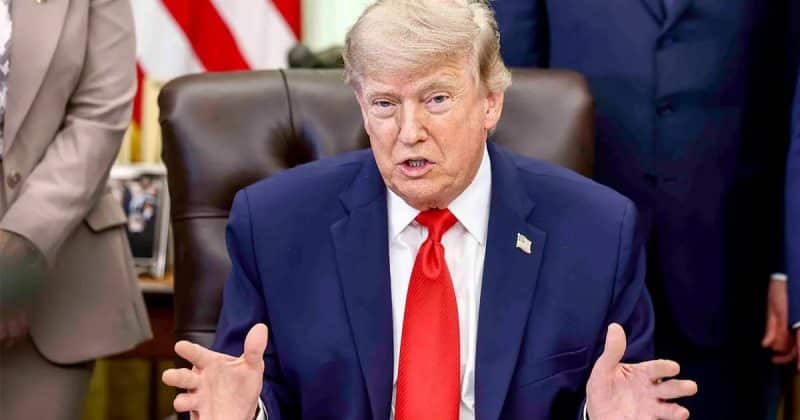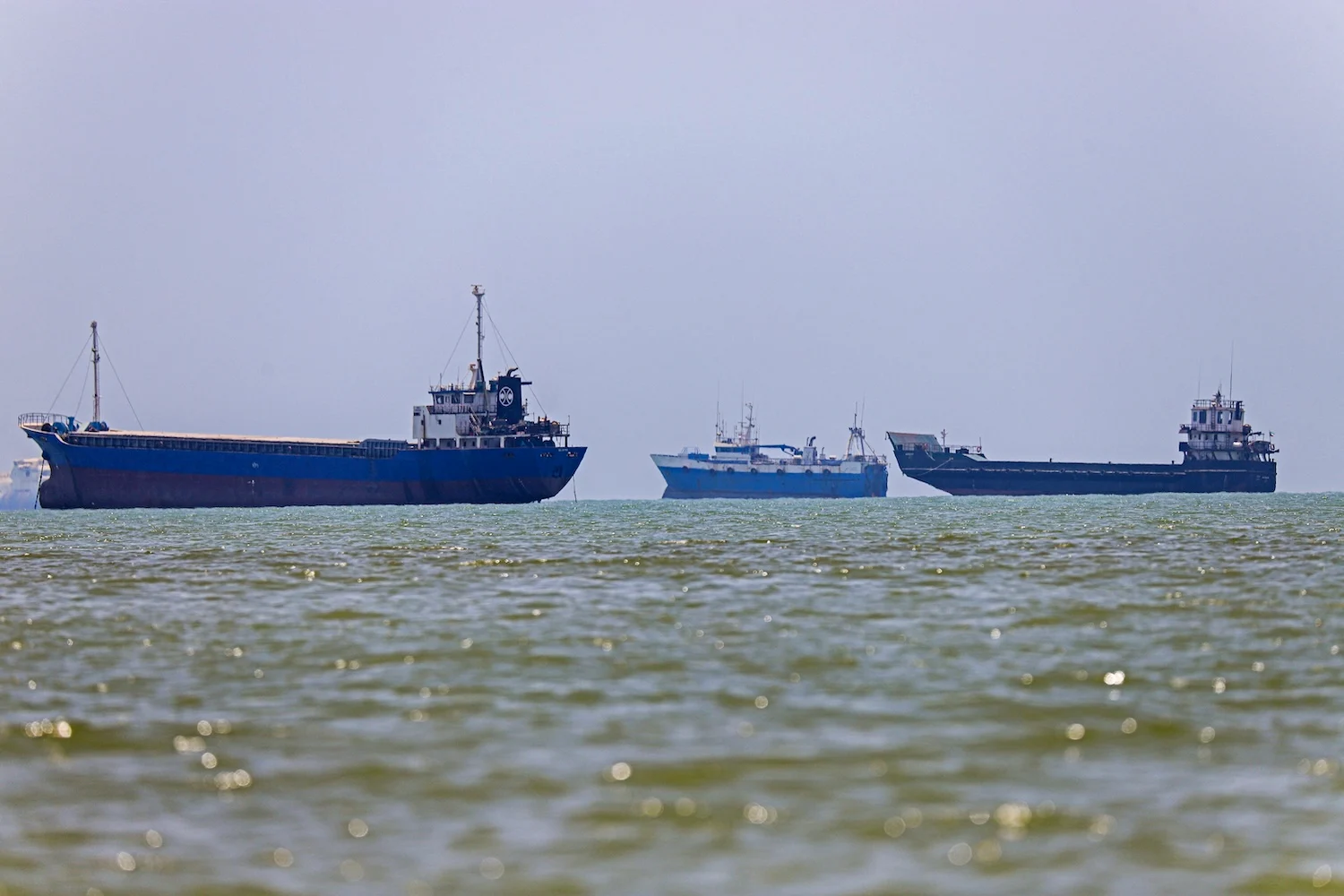
The monthslong closure of the Strait of Hormuz—and with it, one-fifth of the world’s daily diet of oil—was the biggest reason U.S. President Donald Trump was so anxious to sue for peace with Iran.
But while the 14-point memorandum of understanding that both countries signed includes language about the reopening of the strait and the resumption of prewar shipping traffic, the language is very vague. It remains unclear how soon normal transits in one of the world’s most important chokepoints will resume, and the stakes remain high: Oil prices have fallen far off their wartime highs, but they are sticky and likely to remain so as inventories dwindle and tankers dawdle.
The monthslong closure of the Strait of Hormuz—and with it, one-fifth of the world’s daily diet of oil—was the biggest reason U.S. President Donald Trump was so anxious to sue for peace with Iran.
But while the 14-point memorandum of understanding that both countries signed includes language about the reopening of the strait and the resumption of prewar shipping traffic, the language is very vague. It remains unclear how soon normal transits in one of the world’s most important chokepoints will resume, and the stakes remain high: Oil prices have fallen far off their wartime highs, but they are sticky and likely to remain so as inventories dwindle and tankers dawdle.