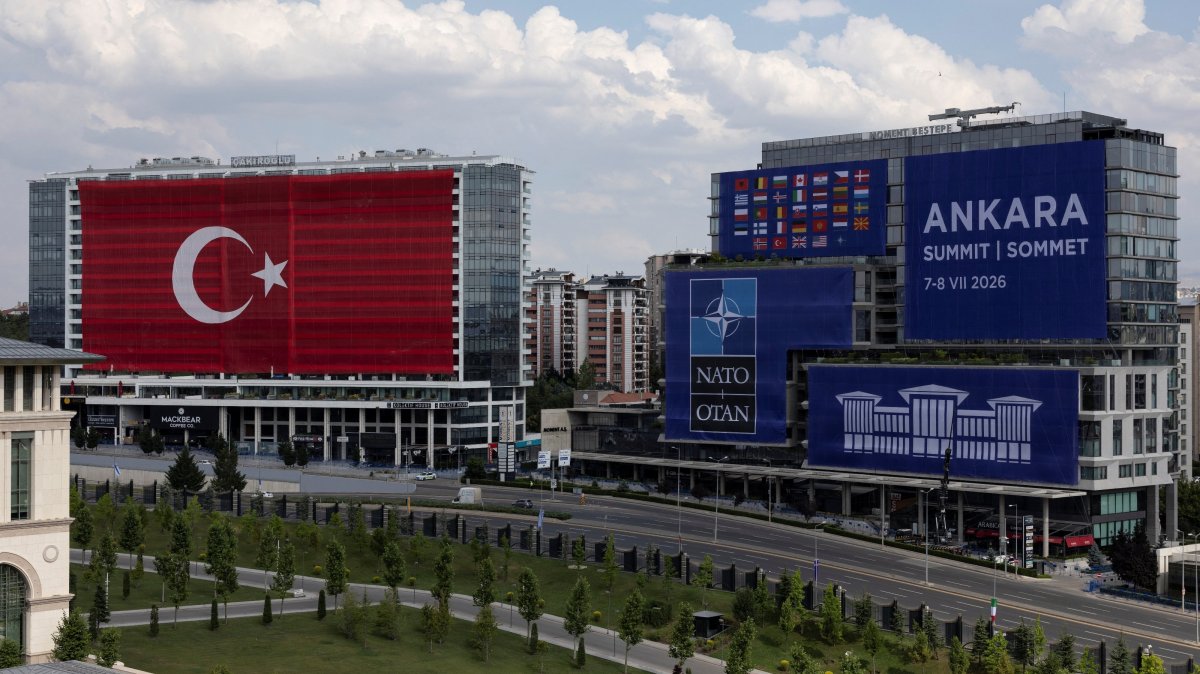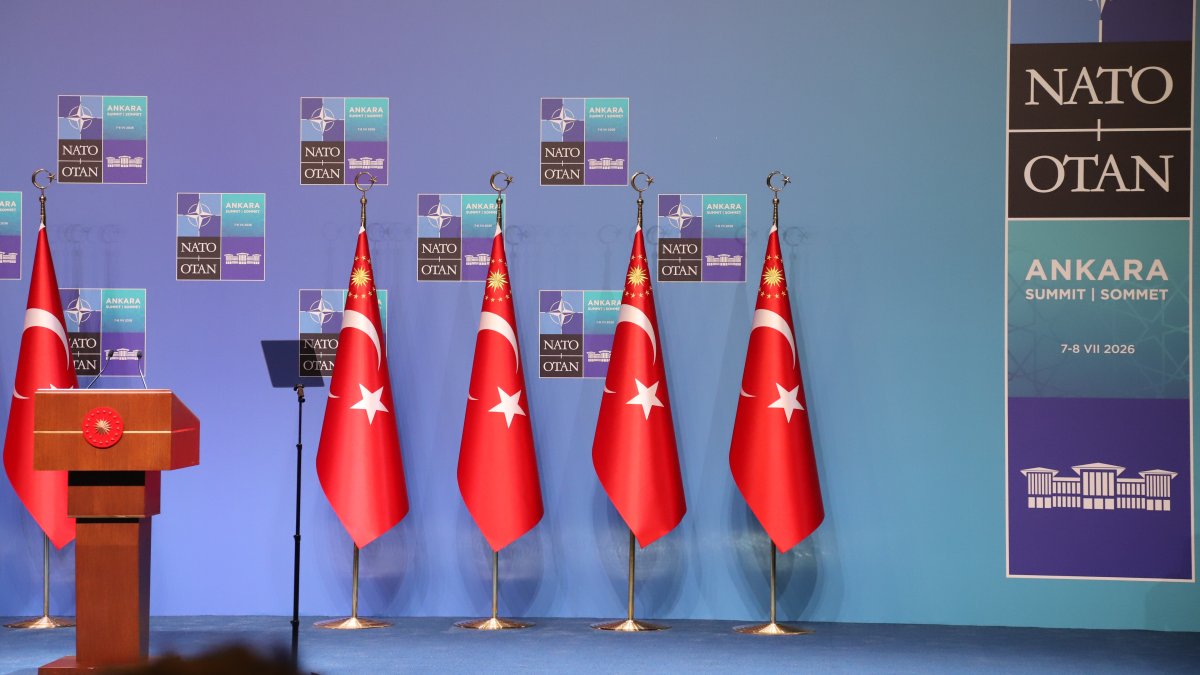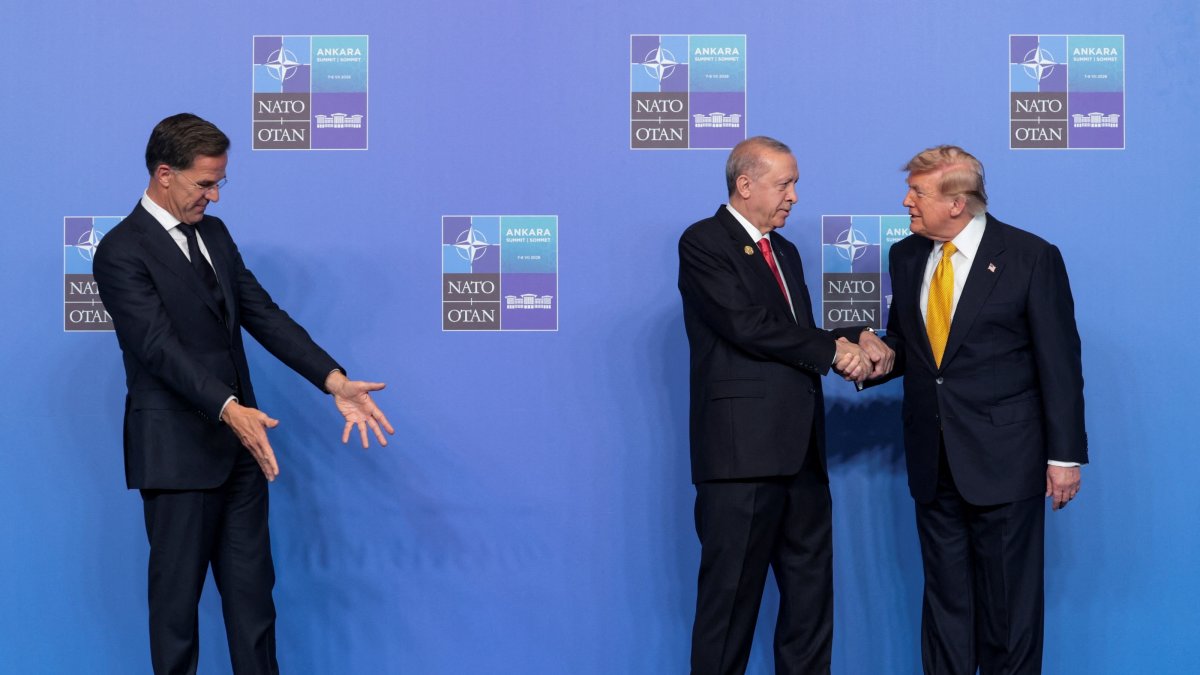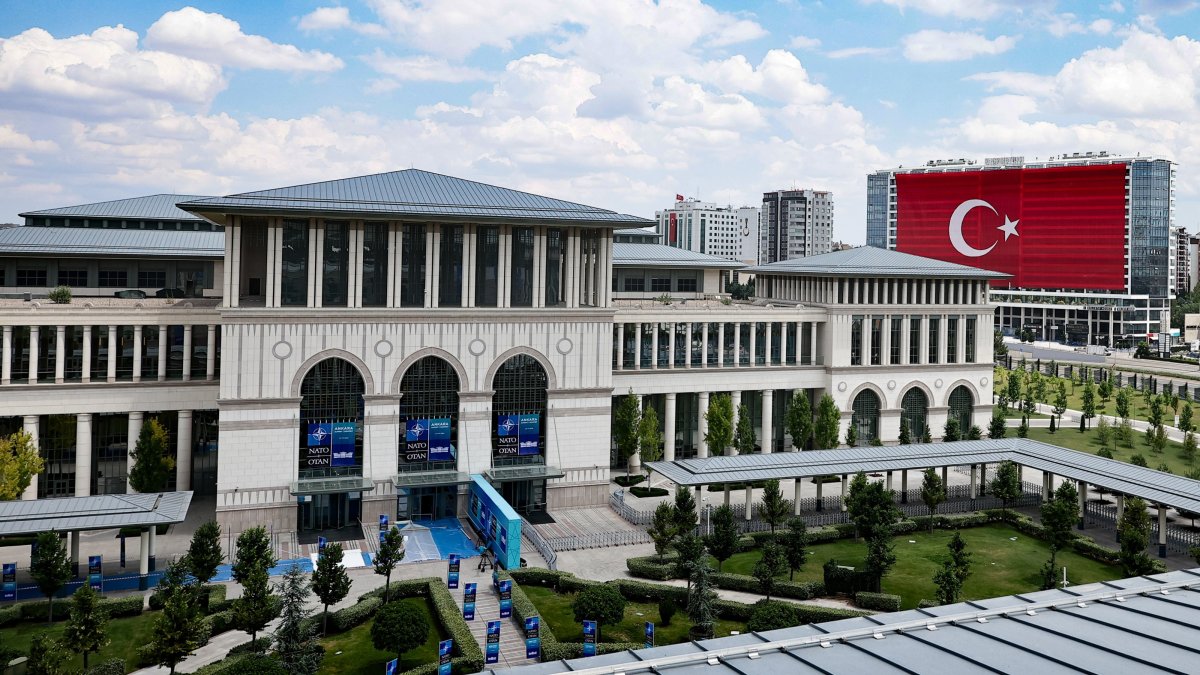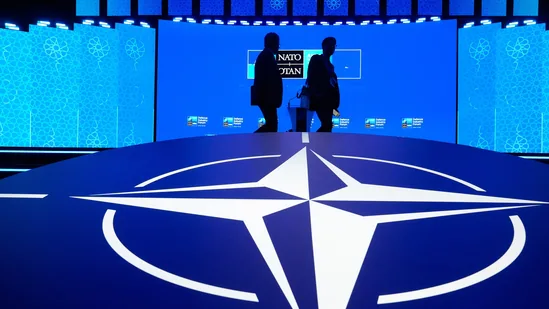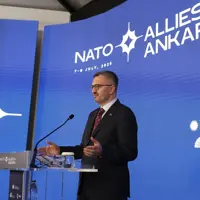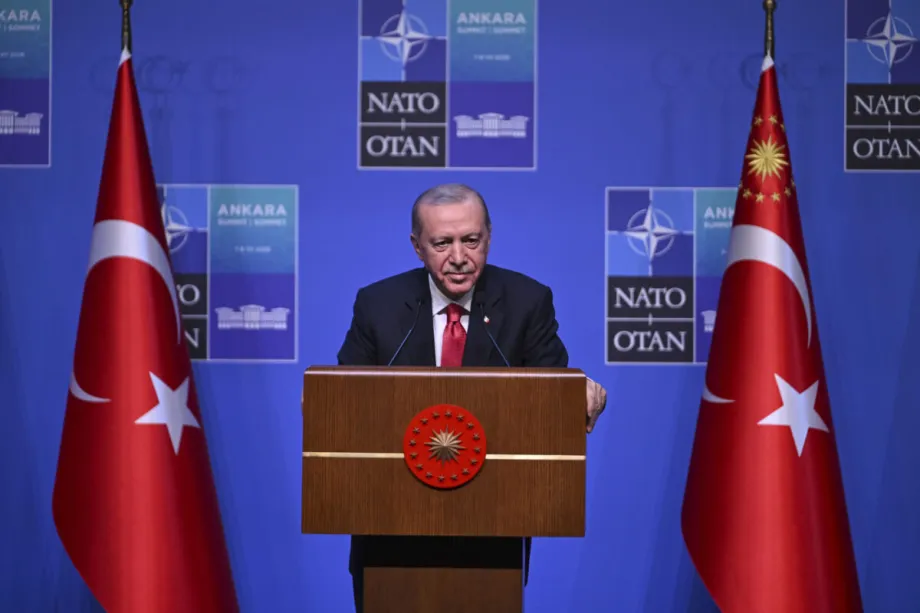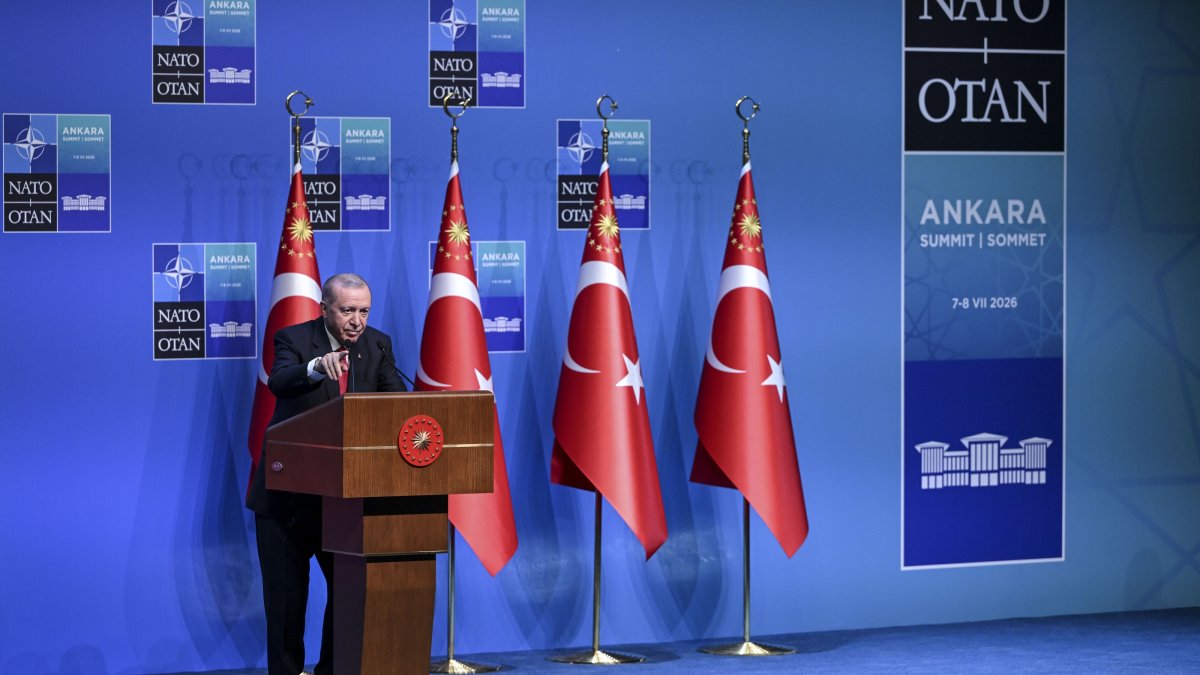
For much of the past decade, the phrase "no equation can be built without Türkiye" has circulated through diplomatic circles with the familiarity of a well-worn cliche. Yet the latest NATO summit suggested that the expression has outgrown the realm of political rhetoric. It increasingly reflects a structural change in international politics. As the post-Cold War order gives way to a more fragmented and competitive geopolitical landscape, Türkiye is emerging not simply as a regional stakeholder but as one of the pivotal states through which Europe's security, Eurasia's connectivity and the wider Middle East's stability increasingly converge.
International politics is periodically transformed by wars, financial crises or technological revolutions. Occasionally, however, it is diplomatic summits that reveal the deeper direction of systemic change. NATO gatherings have long served as more than ceremonial meetings of allied leaders; they are among the clearest barometers of how strategic priorities are evolving within the Western alliance. This year's summit was particularly revealing. It underscored not only Türkiye's growing strategic weight within NATO but also the extent to which its defense-industrial transformation has become an increasingly important pillar of the alliance's future capabilities.