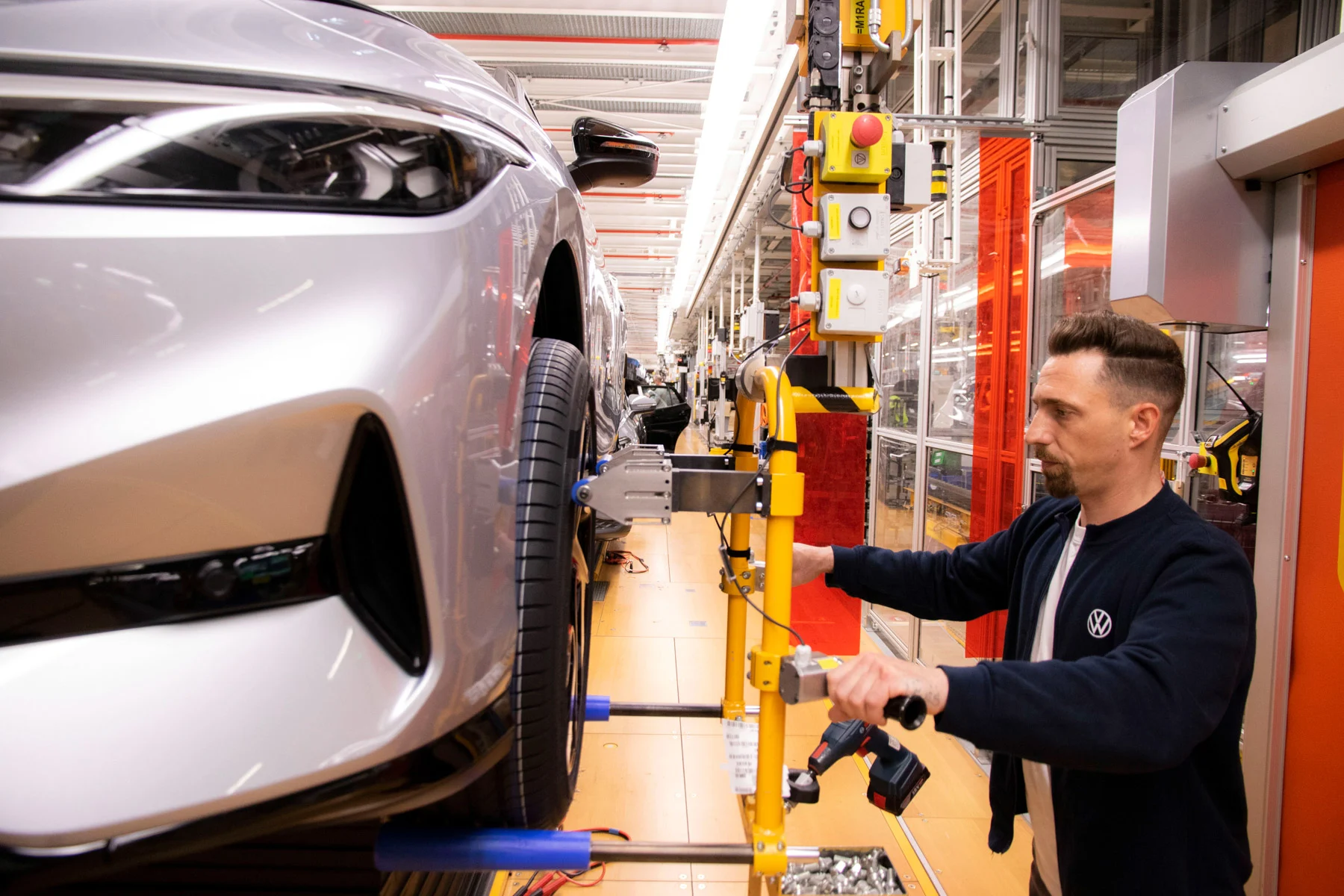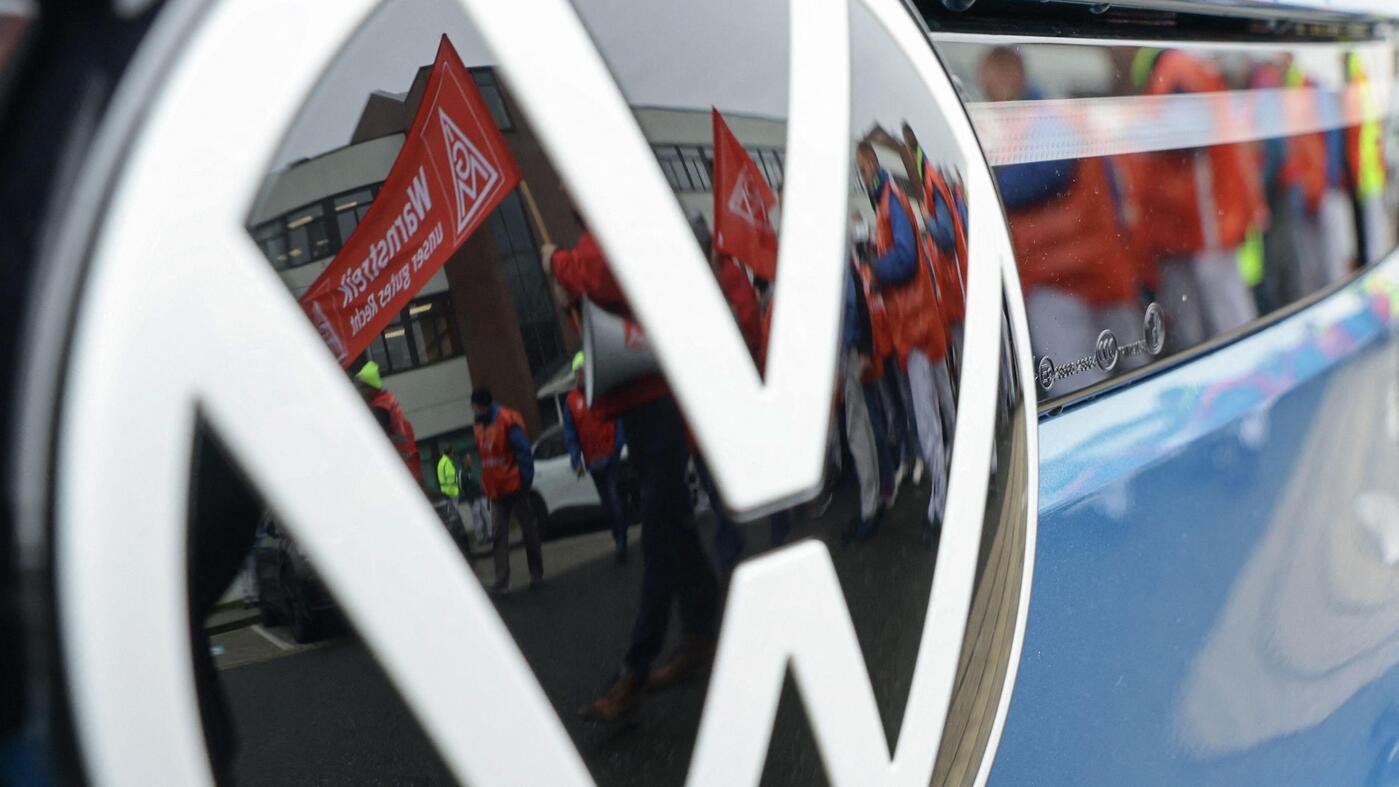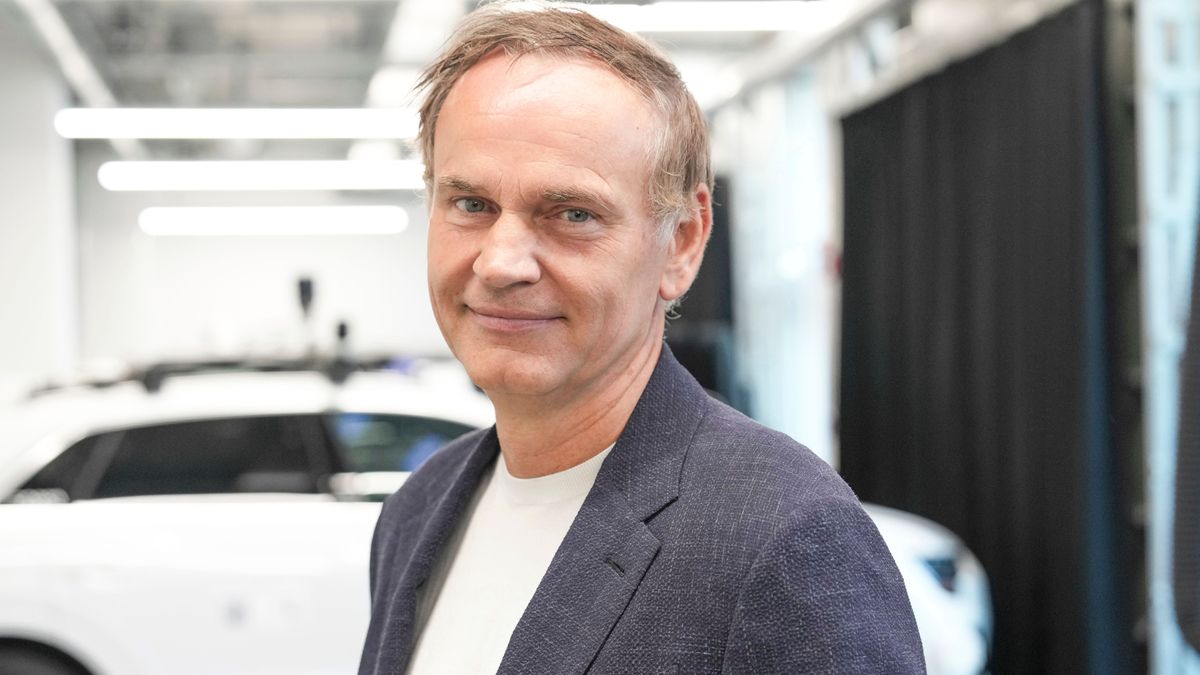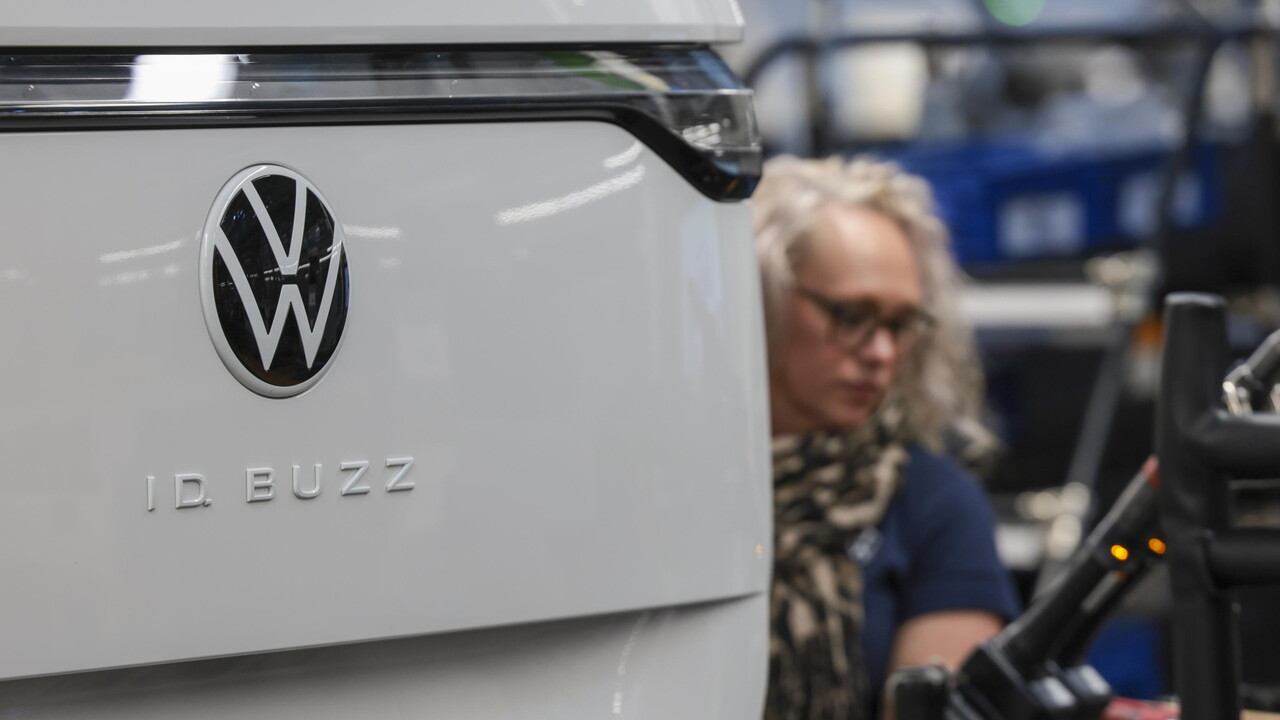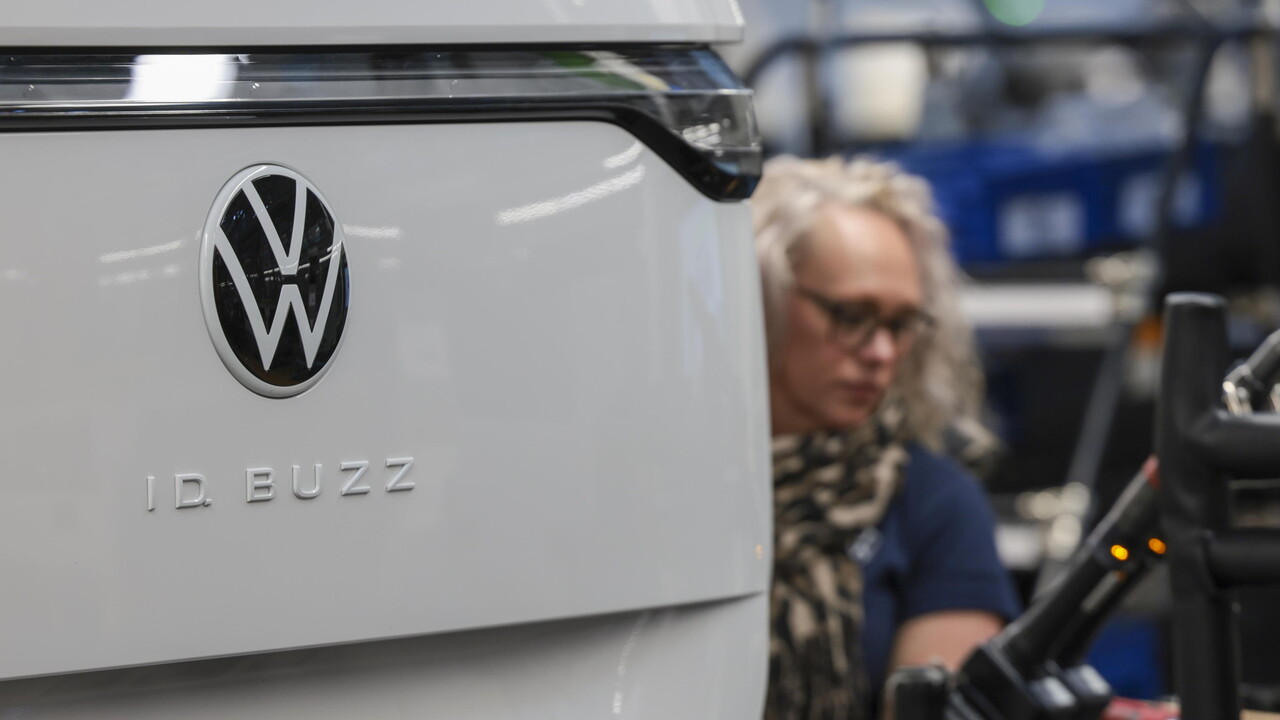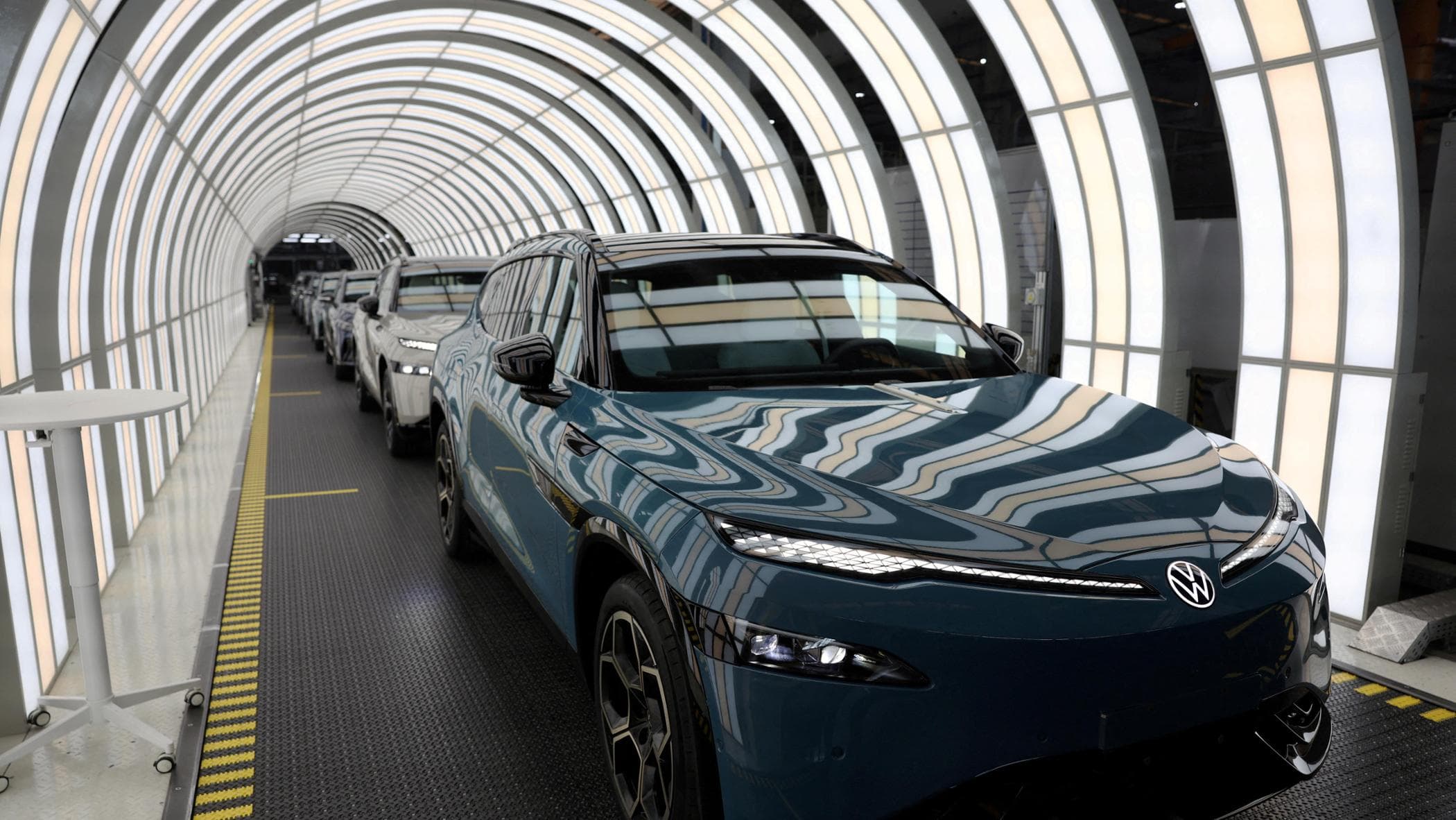
Led by Group CEO Oliver Blume, VW's executive board reportedly plans to phase out production at the Zwickau and Emden plants by 2031 with the Hanover factory is set to follow in 2032, and the Neckarsulm Audi plant in Neckarsulm in 2034. This information was obtained by Spiegel ahead of the VW Supervisory Board meeting this afternoon.Image: VolkswagenThe news magazine bases its timeline for potential plant closures on information from supervisory board circles. Until now, internal documents had suggested that Volkswagen would not close production sites before 2032 at the earliest. Both scenarios remain proposals from the executive board for the time being. The supervisory board, which is meeting in Wolfsburg today, is expected to offer “massive resistance to the plan,” according to Der Spiegel. Regardless, the group’s workforce has a powerful works council, which is likely to fiercely oppose this course of action.The possibility of some of the group’s German plants facing closure emerged two weeks ago: Manager Magazin reported at the end of June that the board, led by Oliver Blume, is pursuing a far more radical restructuring plan than previously known. The report cited an executive board presentation titled “Group Target Picture” for 2030, which outlines the closure of four plants and a reduction of the global workforce by 100,000 jobs. For now, the document remains an internal paper. However, today, the “Group Target Picture” is expected to be presented to the supervisory board, according to media reports.As Der Spiegel revealed in advance, VW’s CEO plans to cut 50,000 jobs by 2030, alongside the plant closures targeted from 2031 onwards. Currently, the group employs around 657,000 people. Planned investments are also set to be reduced from the previous €180 billion for the period 2027–2031 to €135 billion. This further intensifies Blume’s vision for the future of Germany’s largest automotive group, according to the news magazine.Regarding the plants at risk: the German VW factories in Hanover, Zwickau, and Emden, as well as the Audi plant in Neckarsulm, were already flagged during a supervisory board meeting in April—”due to high costs,” as Manager Magazin recently reported. The executive board is now reportedly prepared to close all four plants, limiting production at each to only the current model generation. After that, production is set to end, according to insider reports from late June. “Follow-up models planned for these plants would either be cancelled or built at more cost-effective locations.” In total, around 40,000 employees work at these four sites, which together have an annual capacity of approximately 750,000 vehicles.Zwickau and Emden are dedicated battery-electric vehicle (BEV) production sites. The workforce in Zwickau manufactures the VW ID.3, VW ID.4, and VW ID.5, as well as the Cupra Born and the Audi Q4 e-tron. At the Emden plant, the VW ID.4, VW ID.7, and VW ID.7 Tourer are produced. In both cities, Volkswagen has already reduced production from two lines to one (each with two shifts) to address overcapacity.The Volkswagen plant in Hanover is the headquarters of VW Commercial Vehicles and produces the all-electric ID. Buzz and ID. Buzz Cargo series, as well as models from the T-series (Multivan). The site also includes a battery assembly line. Meanwhile, the Audi plant in Neckarsulm currently manufactures primarily internal combustion engine and hybrid models. However, the Böllinger Höfe facility at the site produces the all-electric Audi e-tron GT sports car. Recall that the Audi plant in Brussels was closed in February 2025.In summary, the leaked plan is likely to significantly intensify Volkswagen Group’s official restructuring roadmap. Under Blume’s leadership, the Wolfsburg-based group has already pursued a strict austerity course over the past two years. In 2024, €15 billion in savings were targeted, followed by €18 billion in 2025. This was based on a historic agreement between group management and the works council, which initially agreed to cut around 35,000 jobs by 2030. Later, this number increased to 50,000 jobs group-wide, primarily due to announced cost-cutting measures at Audi, Porsche, and the software subsidiary Cariad.The reason Blume and his team are now pushing for even more drastic cuts is reportedly to reduce costs significantly: the CEO’s goal is to slash overheads by €11 billion across the group by 2030, an insider told Manager Magazin in late June. This alone would result in a five-figure reduction in jobs, primarily affecting administration and development.That Volkswagen would further tighten its austerity measures and challenge fundamental principles had, in fact, been foreseeable. As early as April, Automobilwoche reported on a supervisory board review, during which there was unanimous agreement that the group’s business model, despite ongoing cost-cutting efforts, “is no longer fit for the future.”spiegel.de (DE)
VW Board reportedly aims for plant closures starting in 2031 - electrive.com
Led by Group CEO Oliver Blume, VW's executive board reportedly plans to phase out production at the Zwickau and Emden plants by 2031 with the Hanover factory
767 words~3 min read