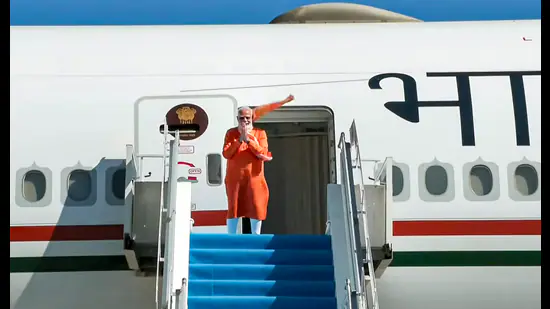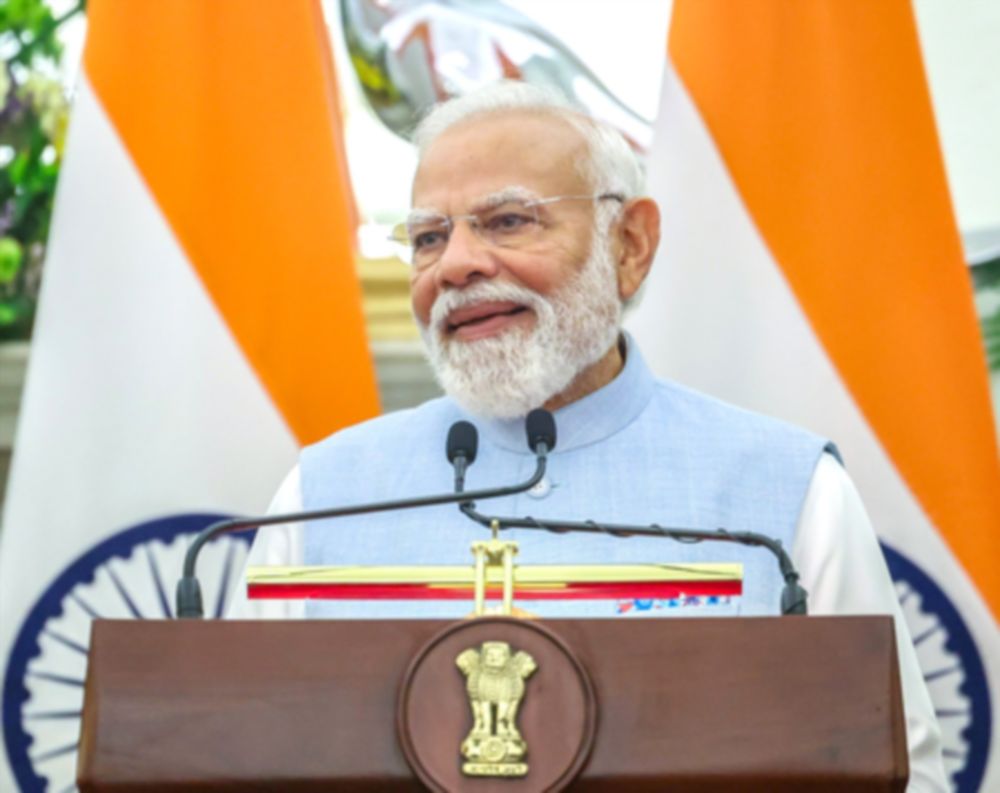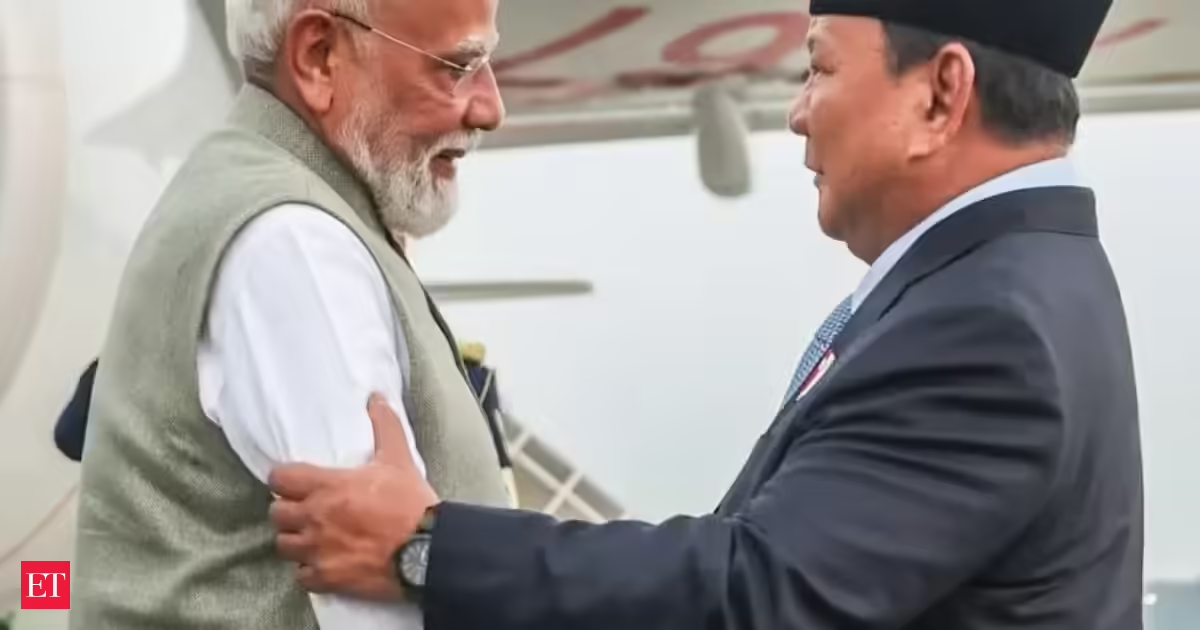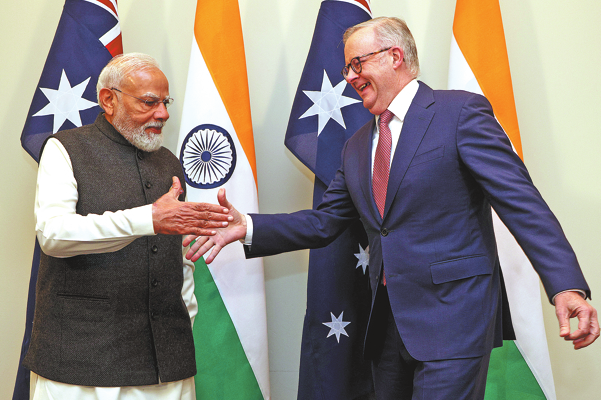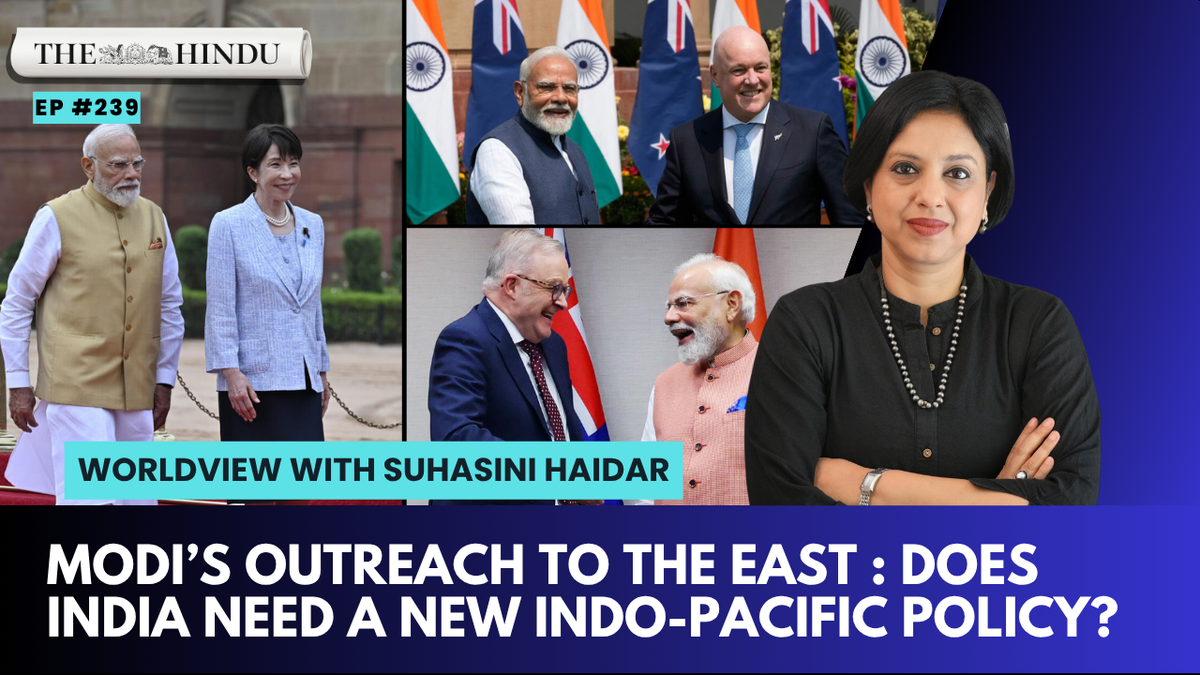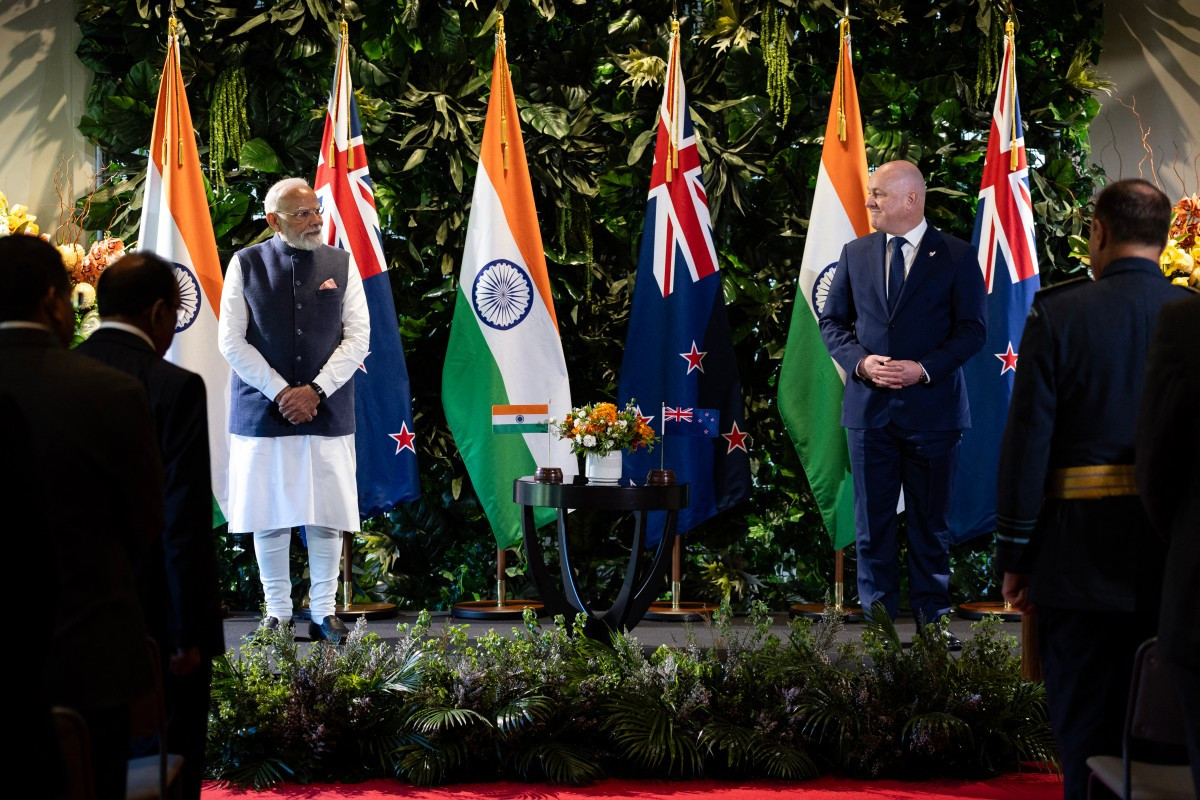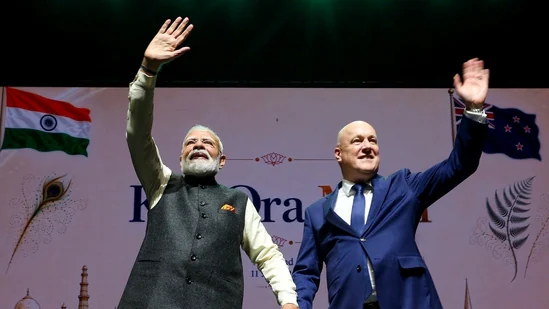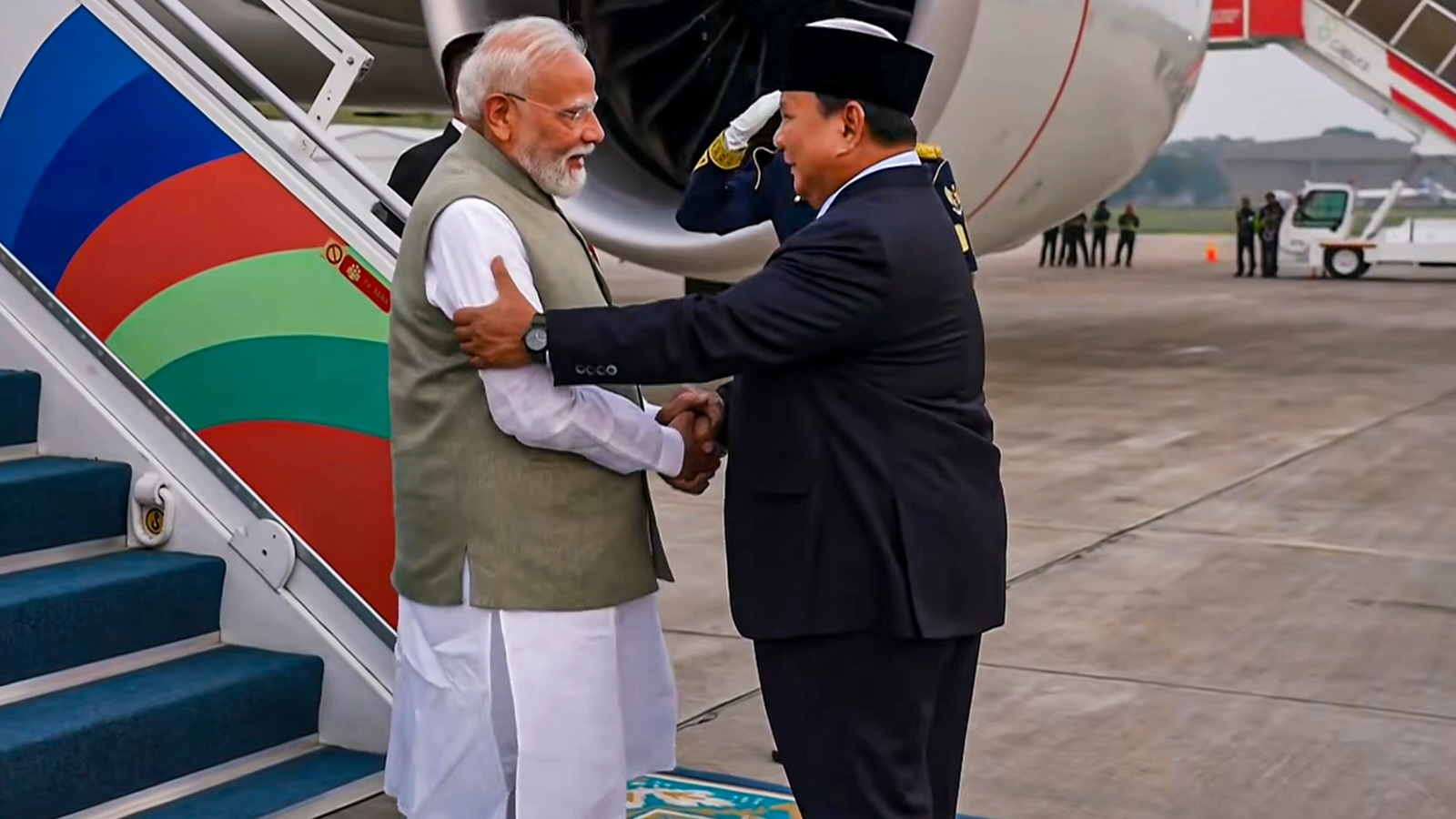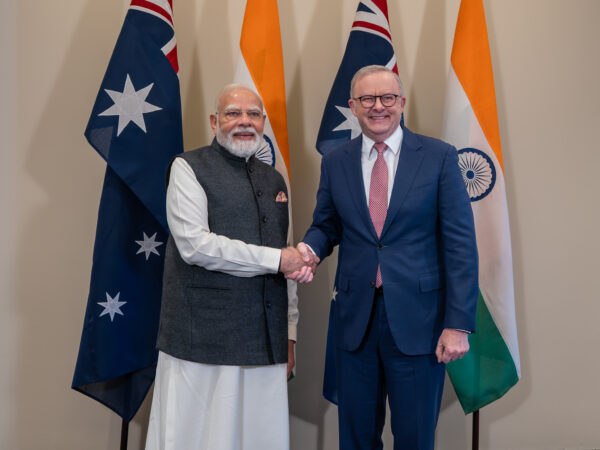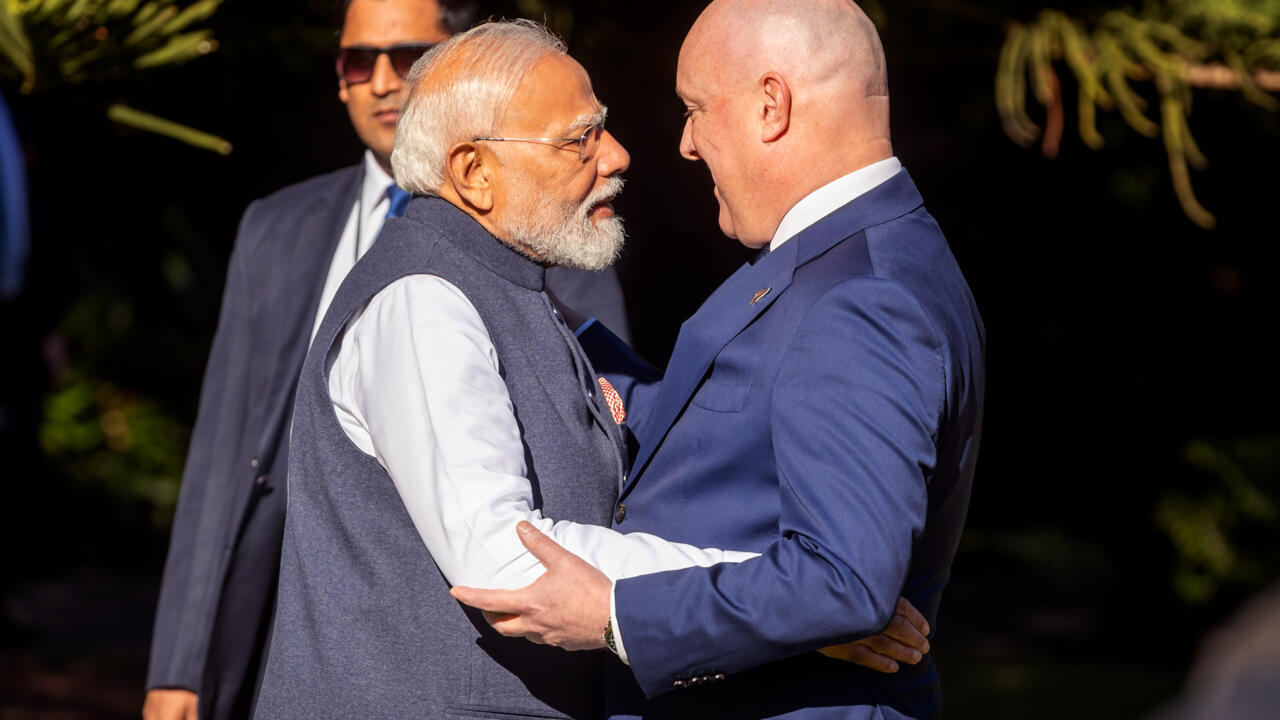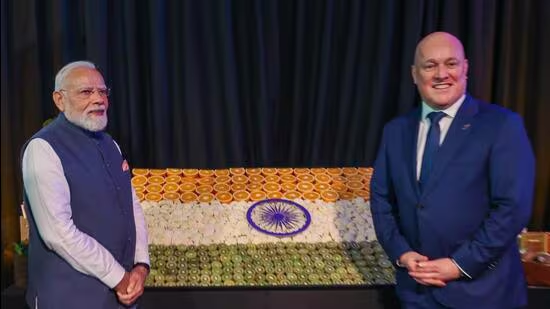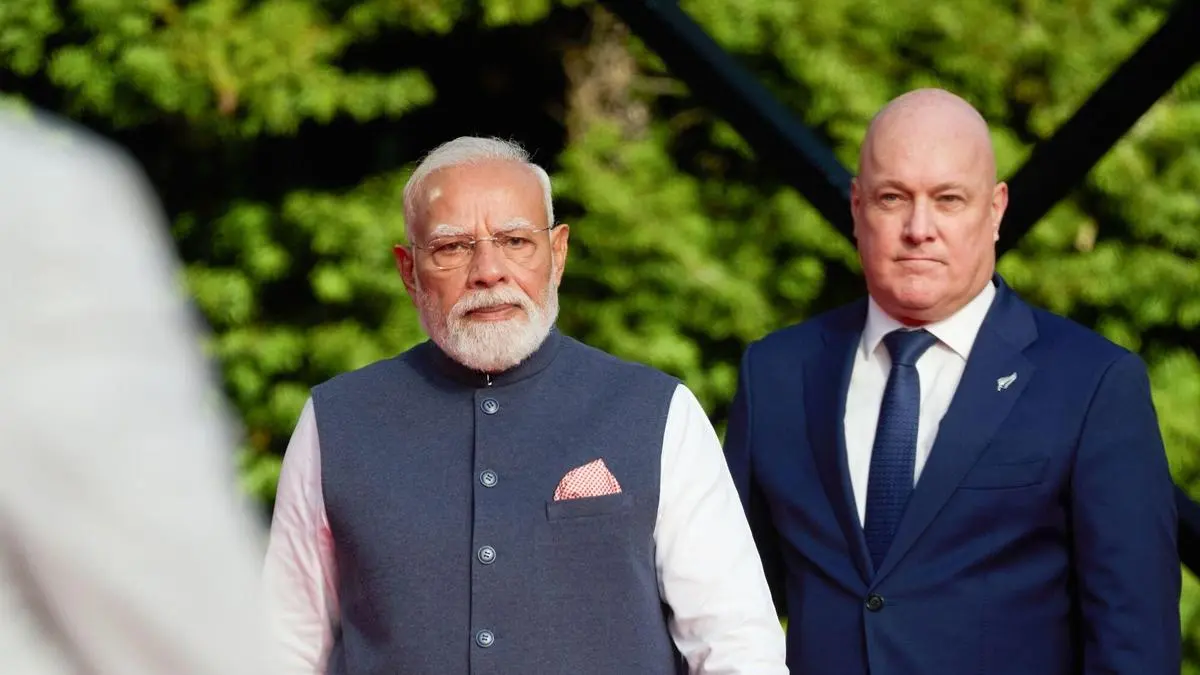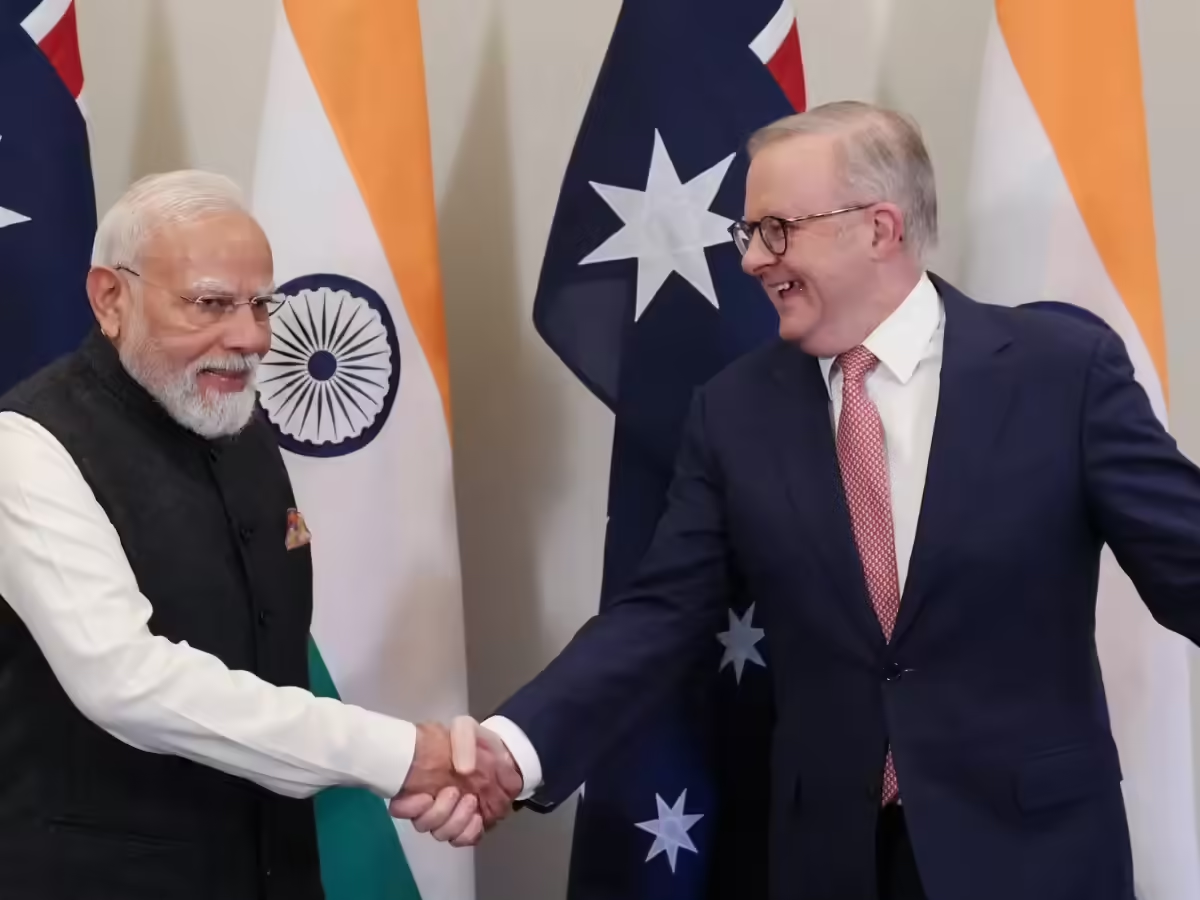
For much of India's post-Independence history, Australia and New Zealand occupied the margins of New Delhi's foreign policy. Geography, limited economic engagement and the absence of compelling strategic drivers ensured that both countries remained friendly but distant partners. That reality has changed fundamentally. Prime Minister Narendra Modi's visit to Australia on July 9-10 and New Zealand on July 10-11 reflects India's recognition that the political and economic centre of gravity is steadily shifting towards the Indo-Pacific and that partnerships across this vast maritime space will increasingly shape its national future.The Indo-Pacific has become the arena where commerce, technology, energy security and military competition now intersect. The oceans that connect Asia with the Pacific carry the bulk of global trade, while beneath them run the digital cables that sustain the modern economy. Whoever contributes to the stability of these waters will influence the future of international commerce. India, by virtue of its location and growing economic weight, cannot remain a passive observer of these changes.That explains why New Delhi has steadily widened its engagement with countries stretching from Southeast Asia to the Pacific. The objective is to develop a network of dependable relationships that can withstand economic shocks, geopolitical uncertainty and technological disruption. Australia's importance in this framework is self-evident. It is a major Indian Ocean power, a trusted security partner and one of the world's richest repositories of the minerals that will power the industries of the future.Also read | India, Australia must move ahead as ‘natural and trusted partners’ amidst global uncertainty: PM ModiThe relationship between India and Australia has travelled a considerable distance within a relatively short period. Defence cooperation has expanded from occasional exchanges to regular military exercises, logistics arrangements and maritime coordination. The two countries now find themselves working together on issues that would have appeared improbable a decade ago—from safeguarding sea lanes to building resilient supply chains and reducing vulnerabilities in critical sectors.Discussions on maritime domain awareness, defence production, naval cooperation and greater coordination across the Indo-Pacific will acquire added significance at a time when strategic competition is becoming more visible across the region. The 2009 India -Australia Defence Cooperation framework could see an upgrade, and a new roadmap for maritime cooperation is on the anvil. Australia possesses abundant reserves of lithium, cobalt, rare earths and other critical minerals that are indispensable for batteries, electric vehicles, semiconductors and renewable energy. For India, which seeks to emerge as a global manufacturing hub while accelerating its transition to cleaner sources of energy, access to these resources is not simply an economic issue but one of long-term strategic importance. Cooperation in uranium supplies, hydrogen, renewable energy and advanced technologies therefore fits naturally into the evolving relationship.Bilateral trade has crossed US$54 billion annually for goods and services combined, aided by the India-Australia Economic Cooperation and Trade Agreement. Investment flows have broadened into infrastructure, education, mining, financial services and clean energy and now amount to US$ 78 billion. Both governments are now engaged to move beyond incremental gains and create a more ambitious economic framework that encourages larger investments and deeper industrial collaboration.If Australia represents the strategic anchor of India's Pacific engagement, New Zealand represents an opportunity that has remained underexplored for far too long. The visit by an Indian Prime Minister after several decades acknowledges that the relationship has entered a different phase. The recently concluded Free Trade Agreement has removed an important constraint that had limited commercial engagement for years.Trade between the two countries is still modest, at about US$2.4 billion, leaving considerable room for expansion. New Zealand's strengths in agriculture, food processing, forestry, biotechnology and education complement India's priorities in food security, rural modernisation and skill development. Equally encouraging is Wellington's stated desire to invest US$20 billion in India over the next fifteen years under the framework of the bilateral trade agreement. If realised, this would rank among the more substantial long-term investment commitments made by a developed economy and could stimulate collaboration in manufacturing, logistics, research and innovation.Artificial intelligence, quantum computing, advanced manufacturing, digital infrastructure, clean energy and secure supply chains are becoming the currencies of international influence. India's engagement with Australia and New Zealand must therefore be viewed through the prism of the next industrial revolution. 140,000 Indian students have chosen Australia as a study destination, while 22,000 students have preferred New Zealand. Partnerships that encourage joint research, innovation, start-up ecosystems, university collaboration and technology transfer will yield dividends long after individual trade agreements have been concluded.Nearly a million people of Indian origin now live in Australia, while the Indian community in New Zealand continues to expand its presence across business, academia, healthcare and public life. These communities have become more than cultural ambassadors; they are catalysts for investment, entrepreneurship, educational exchanges and tourism. Modi's interactions with the diaspora during both visits will reinforce these living bridges that connect India with the wider Pacific. The Diaspora engagement in the Melbourne Marvel stadium is already sold out. In an uncertain world, prosperity will increasingly depend upon reliable partners, diversified markets, secure supply chains and access to technology and natural resources. India's Pacific outreach should therefore be seen as an investment in the future. It reflects a country that is looking beyond immediate challenges and positioning itself for the geopolitical and economic realities of the decades ahead. Anil Wadhwa is a former Secretary (East) in the Ministry of External Affairs, former Indian Ambassador to Italy, Oman, Thailand and Oman , and author of CIIs Australia Economic Strategy Report.(Disclaimer: The opinions expressed in this column are that of the writer. The facts and opinions expressed here do not reflect the views of www.economictimes.com.)
The Pacific is no longer distant for India - The Economic Times
India's foreign policy is increasingly focused on the Indo-Pacific region, underscored by Prime Minister Modi's recent trips. His engagements with Australia demonstrate a rapid expansion of strategic and economic collaborations. Meanwhile, New Zealand presents untapped potential for trade and investment.
935 words~4 min read