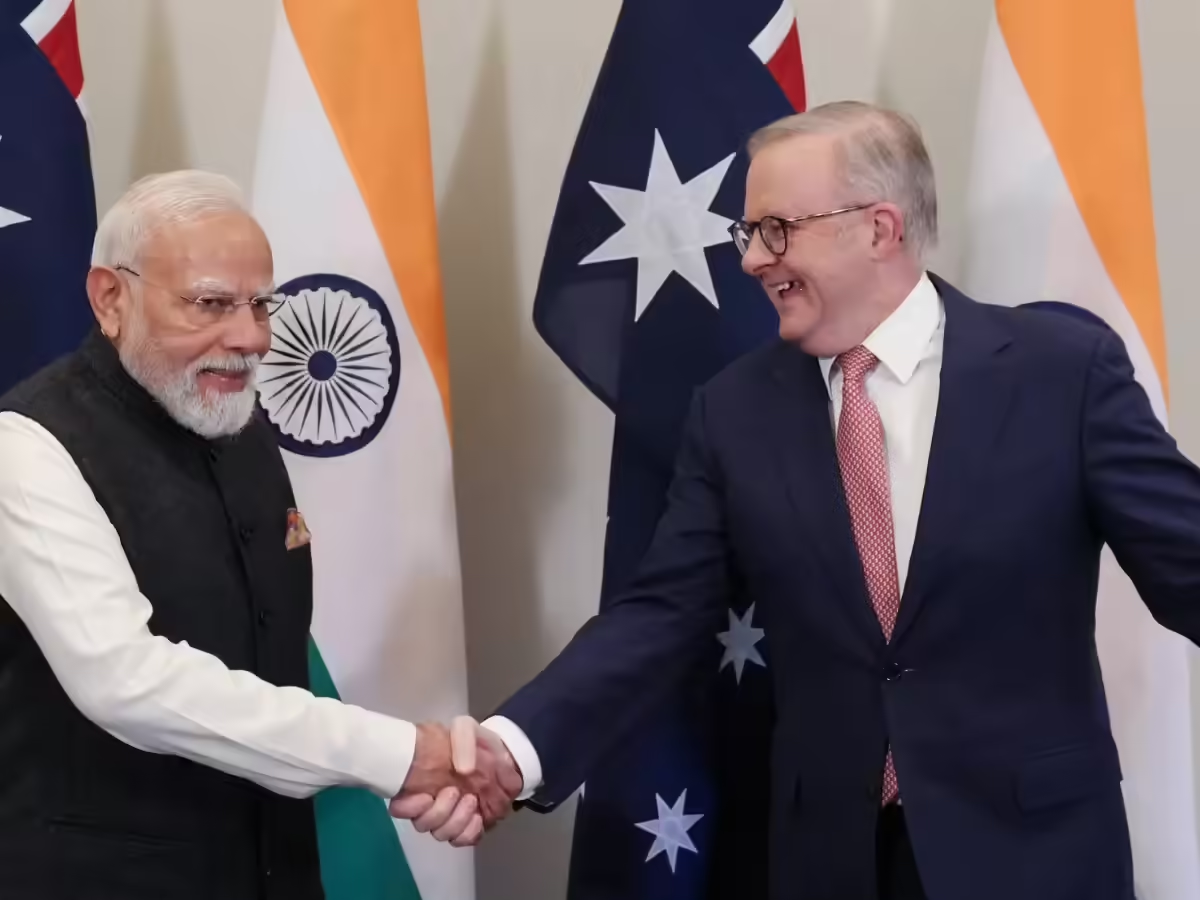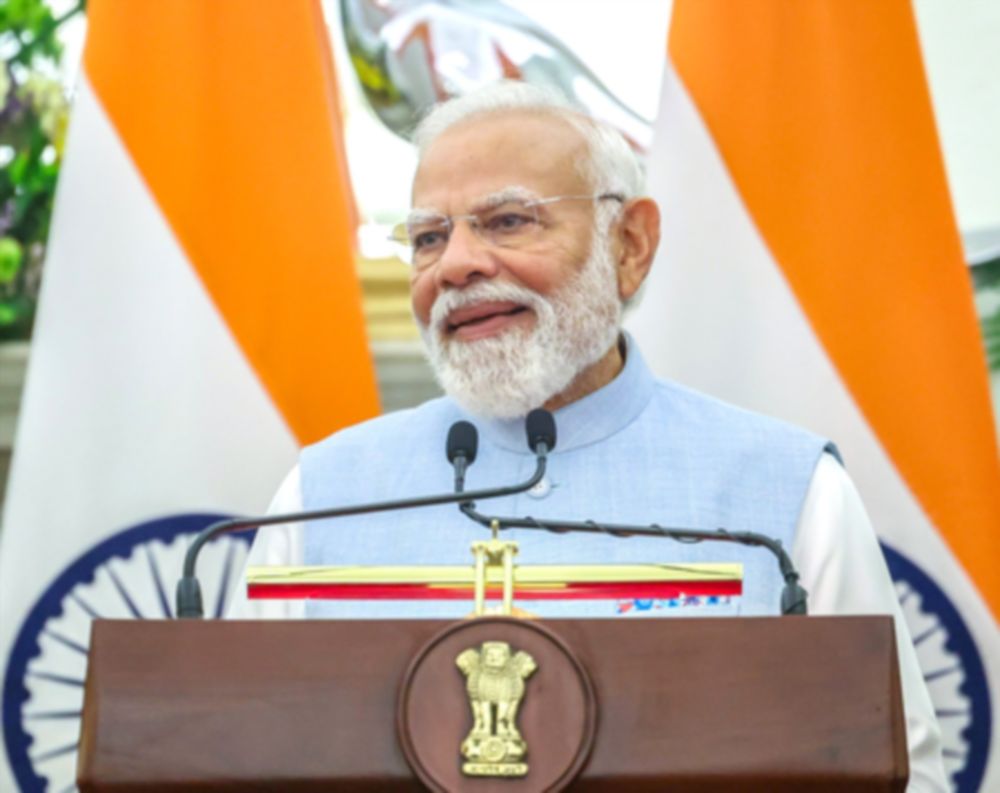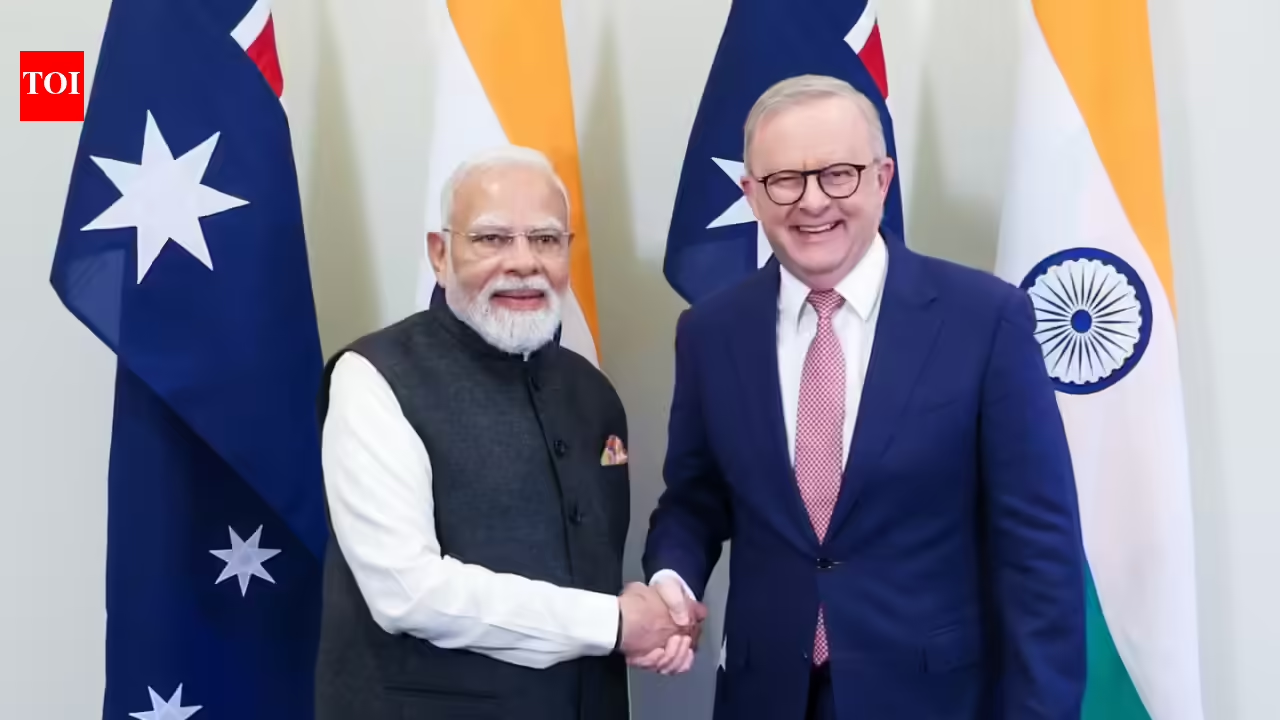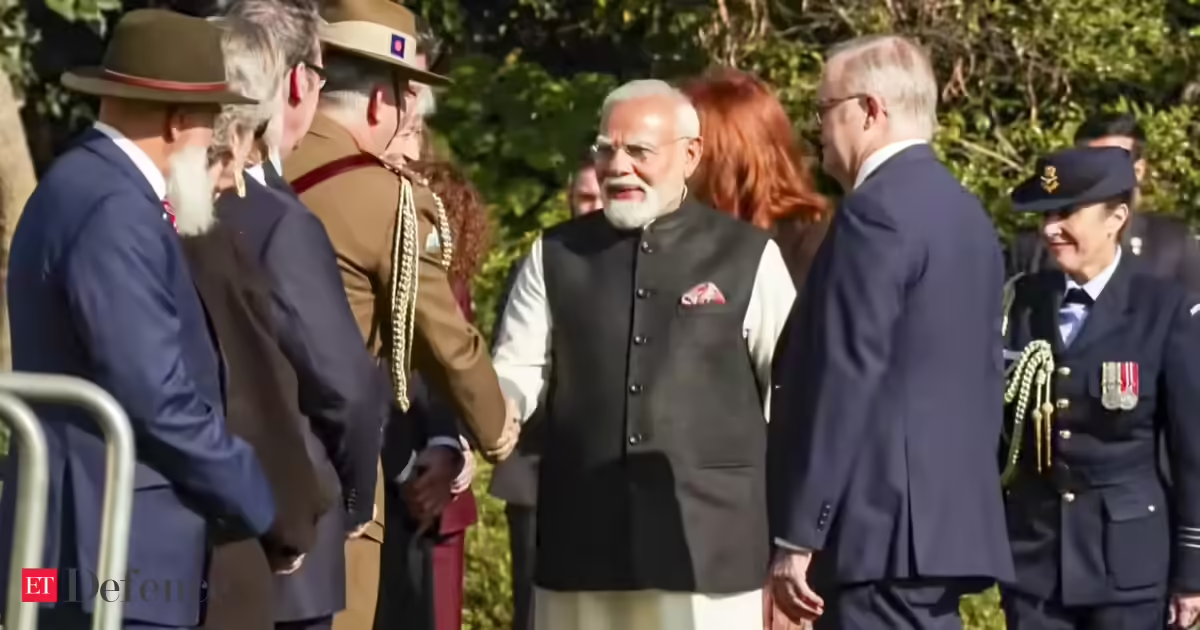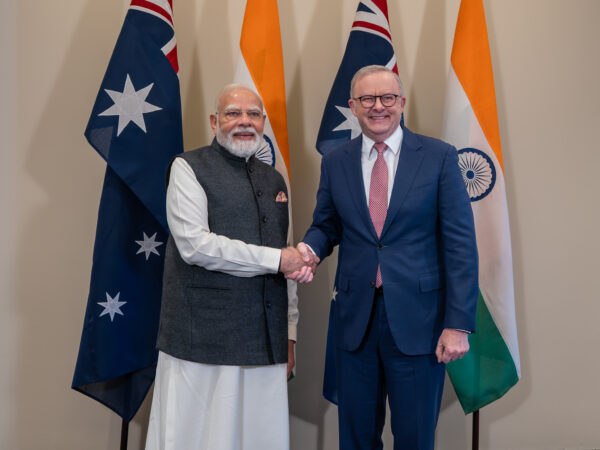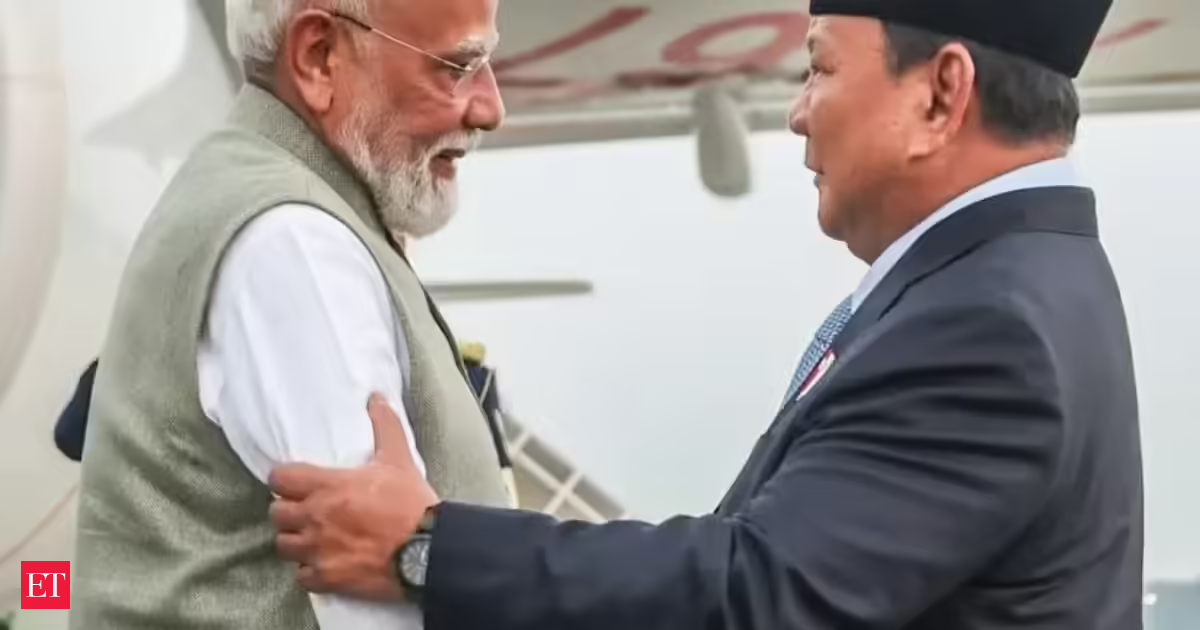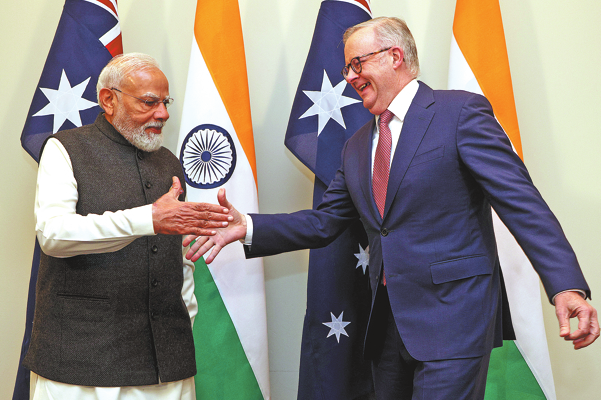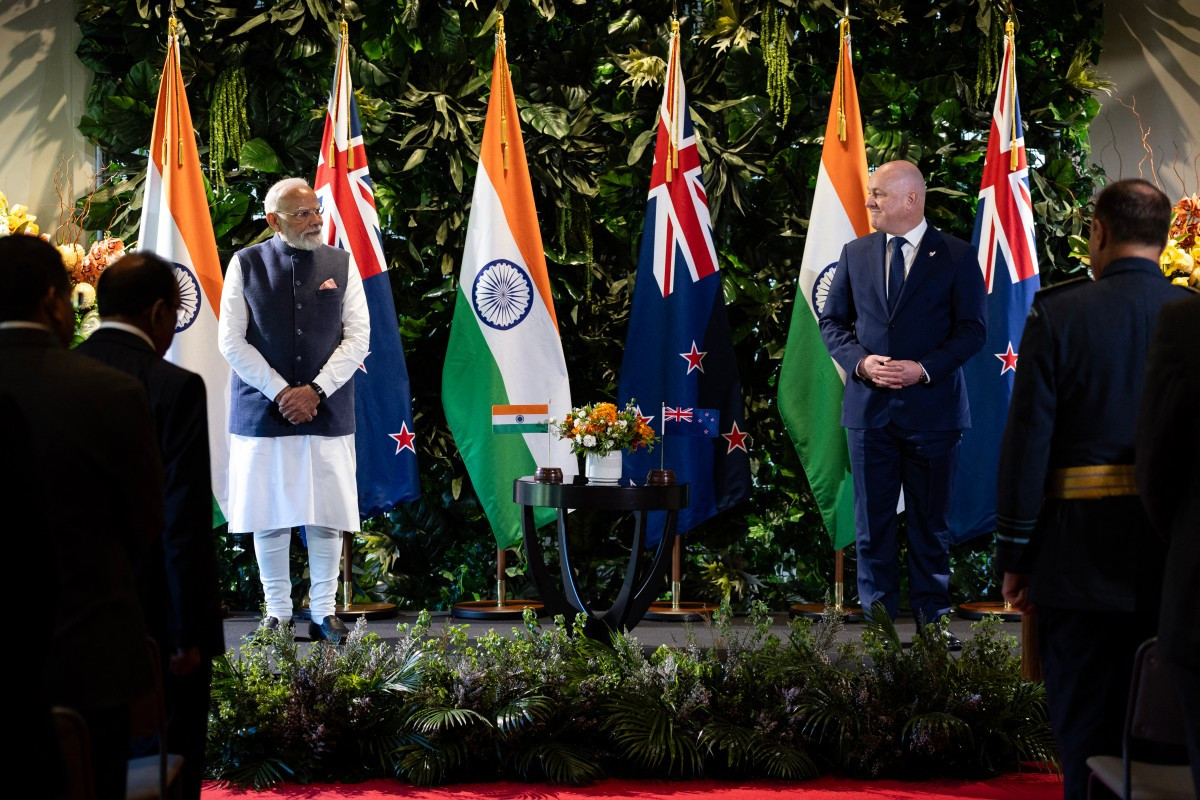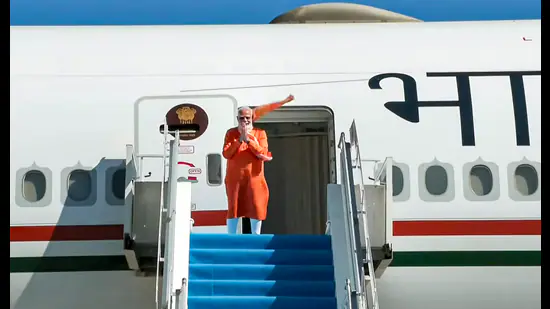
Prime Minister Modi’s visit to Australia on July 9-10 and New Zealand on July 10-11 is taking place at a moment when the Indo-Pacific has become the epicentre of global politics and economics. Supply chains are being redrawn, technological rivalries are intensifying, energy systems are undergoing a fundamental transition, and maritime security has acquired unprecedented importance. India today is seeking trusted partners that can contribute to its economic transformation, technological advancement and national security without compromising its strategic autonomy. Australia and New Zealand fit naturally into that vision. Both are stable democracies, important maritime nations and increasingly influential participants in shaping the future of the Indo-Pacific.Prime Minister Narendra Modi greets as he emplanes for Melbourne, in Indonesia. (@pmoindia)Australia has, over the past decade, emerged as one of India’s closest strategic partners. The relationship has acquired depth through the Quad, expanding defence cooperation and growing convergence on regional security issues and the shared desire to preserve an open, rules-based maritime order. Greater cooperation in maritime domain awareness, naval interoperability and coordinated patrols would strengthen security across the Indian Ocean and adjoining waters. Collaboration between the two defence and space industries can also contribute to India’s objective of developing a stronger domestic manufacturing base while reducing dependence on external suppliers.Equally significant is the growing economic complementarity between the two countries. Australia possesses abundant reserves of critical minerals that have become indispensable for electric mobility, semiconductor manufacturing, battery storage and renewable energy. For India, assured access to these resources is central to achieving its ambitions in advanced manufacturing and the clean energy transition. Cooperation in uranium supplies for India’s civilian nuclear programme, hydrogen technologies and renewable energy will further diversify an already expanding partnership. The two sides are expected to upgrade the 2009 Joint declaration on defence and security cooperation, agree on an actionable maritime security collaboration roadmap, and sign several sector specific MOUs on clean energy, technology transition, education, mobility and skilling as well as economic cooperation.Also Read:Missiles, minerals mark new phase in India-Indonesia ties; BrahMos, Astra deals sealedBilateral trade has crossed US$25 billion annually, supported by the India-Australia Economic Cooperation and Trade Agreement, and investments from both sides have reached $48 billion. Australian investments continue to find opportunities across infrastructure, mining, education, financial services and clean energy. The next logical step is a comprehensive trade arrangement that creates greater certainty for businesses on both sides, removes further trade barriers, and encourages larger investment flows.If Australia represents the strategic pillar of India’s Pacific engagement, New Zealand offers the opportunity to build a modern economic partnership. Modi’s visit—the first by an Indian Prime Minister in decades—recognizes that the relationship has remained well below its potential despite strong political goodwill. The recently concluded India-New Zealand Free Trade Agreement provides the framework for changing that reality. Bilateral trade, presently around US$2.4 billion, is modest for two complementary economies. India offers one of the world’s fastest-growing consumer markets, while New Zealand brings strengths in agriculture, food processing, forestry, education, biotechnology and innovation. As part of the bilateral FTA New Zealand has pledged to facilitate and promote US$20 billion in investments into India over a 15-year period.Agreements expected during the visit in agriculture, forestry, education, research and innovation are therefore significant because they look beyond conventional trade. India’s agricultural modernization, food security objectives and climate adaptation efforts can benefit from New Zealand’s expertise, while closer academic and research partnerships can create long-term institutional linkages between the two countries.Twenty-first century partnerships are increasingly defined by collaboration in artificial intelligence, quantum technologies, digital infrastructure, resilient supply chains, advanced manufacturing and the transition to low-carbon economies. Equally valuable are the human bridges that have strengthened these relationships. Nearly one million people of Indian origin now live in Australia, while the Indian community in New Zealand, now at 292,000, continues to grow in both size and influence. Their contributions to business, education, healthcare, technology and public life have transformed them into an important strategic asset. Modi’s interactions with the diaspora will reinforce these connections.140,000 Indian students are enrolled in Australian universities while 22,000 study in New Zealand. 450,000 Indian tourists experienced Australian diversity while 90,000 enjoyed the picturesque sights of New Zealand last year. Yet, tourism, education and mobility, still remain underutilized areas capable of generating economic dividends alongside stronger societal links.Modi’s warm rapport with Australian Prime Minister Anthony Albanese has undoubtedly accelerated the pace of bilateral engagement. His meeting with New Zealand Prime Minister Christopher Luxon offers an opportunity to inject similar political momentum into a relationship that is entering a new phase. India’s engagement with Australia and New Zealand is about building the economic resilience, technological capabilities and strategic partnerships that will underpin India’s role as a leading Indo-Pacific nation in the decades ahead.Anil Wadhwa is a former Secretary (East) in the Ministry of External Affairs, and Indian Ambassador to Italy, Thailand, Oman and Poland. He is the author of CII’s Australia Economic Strategy Report.
PM Modi in the Pacific: India’s push for economic security
Bilateral trade has crossed US$25 billion annually, supported by the India-Australia Economic Cooperation and Trade Agreement | India News
816 words~4 min read