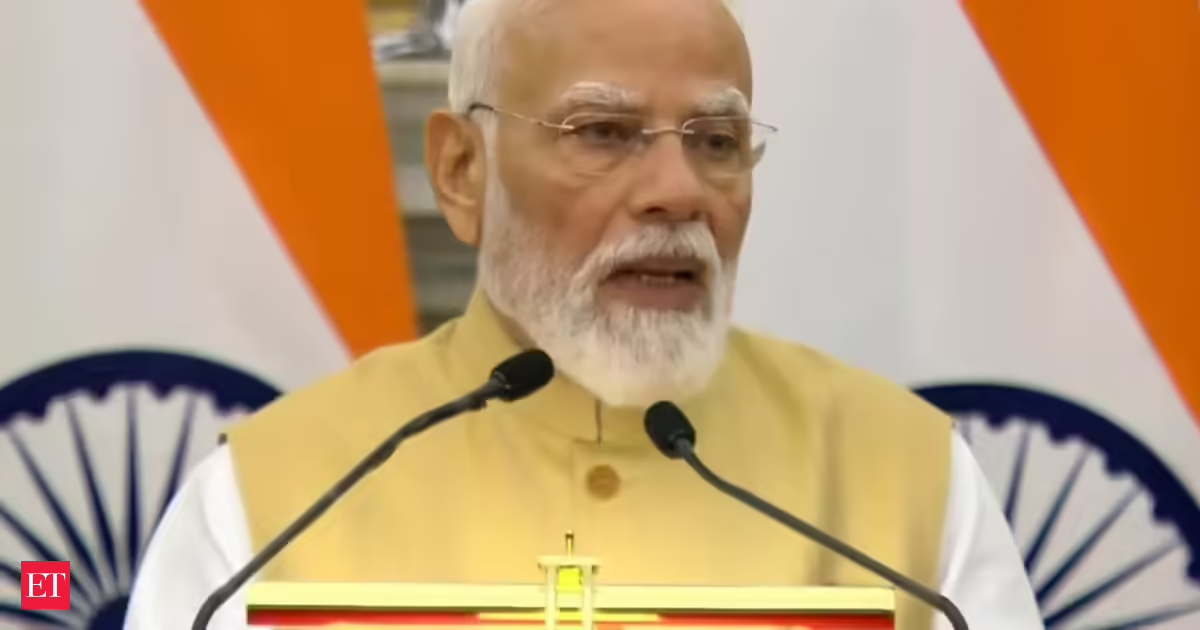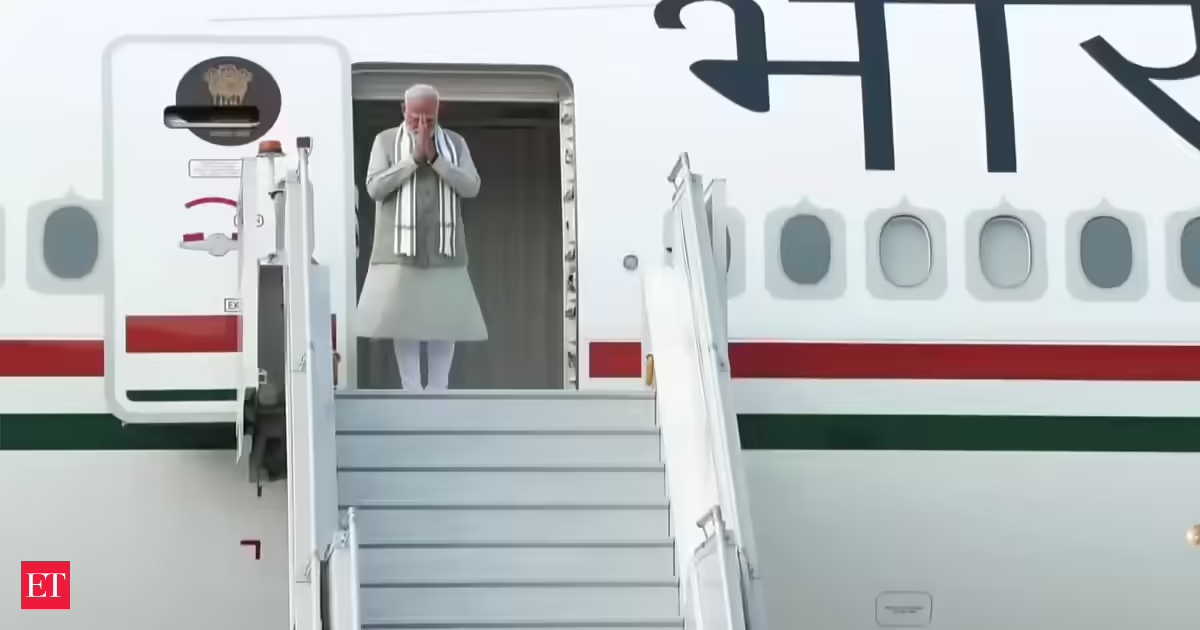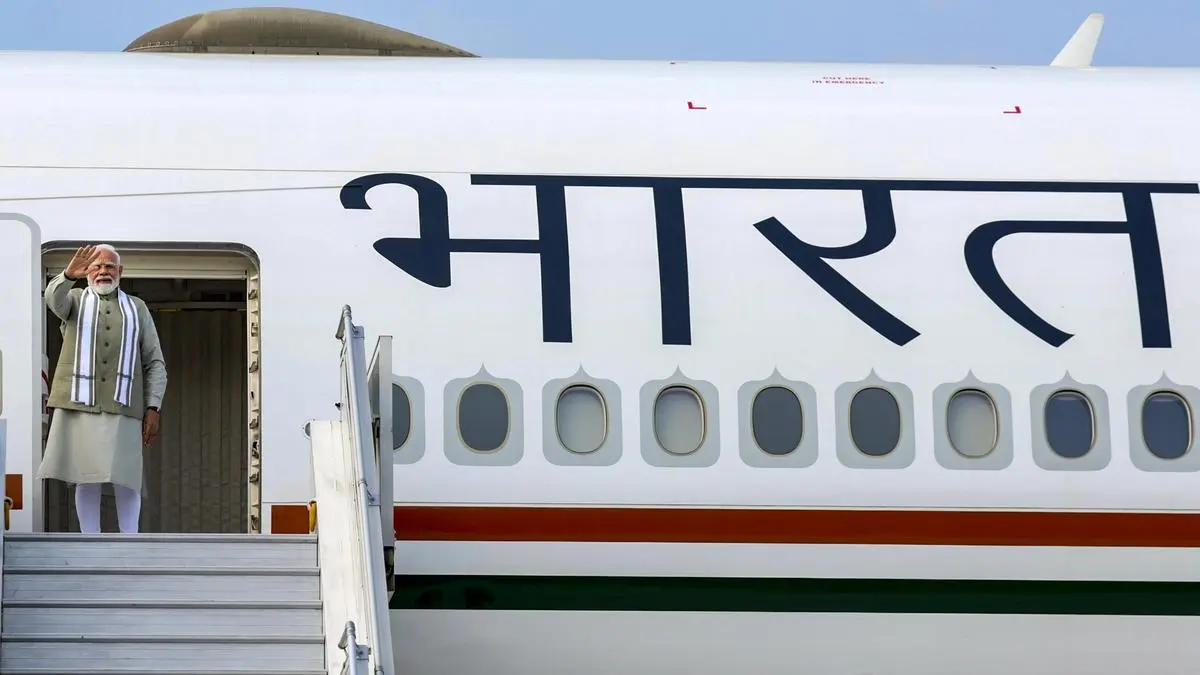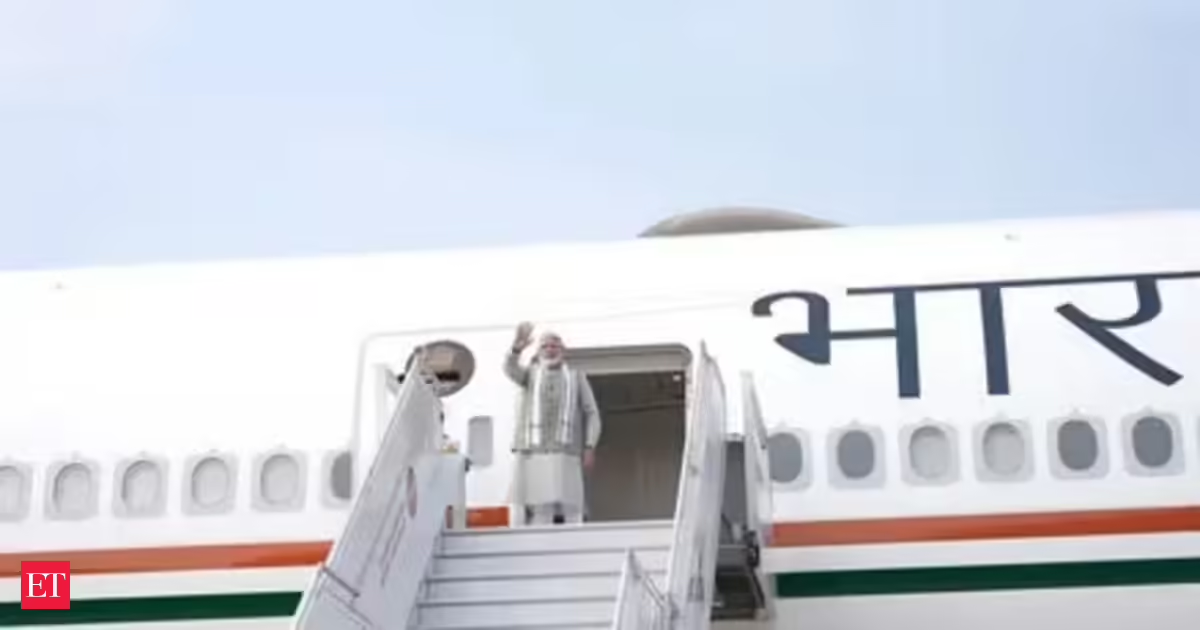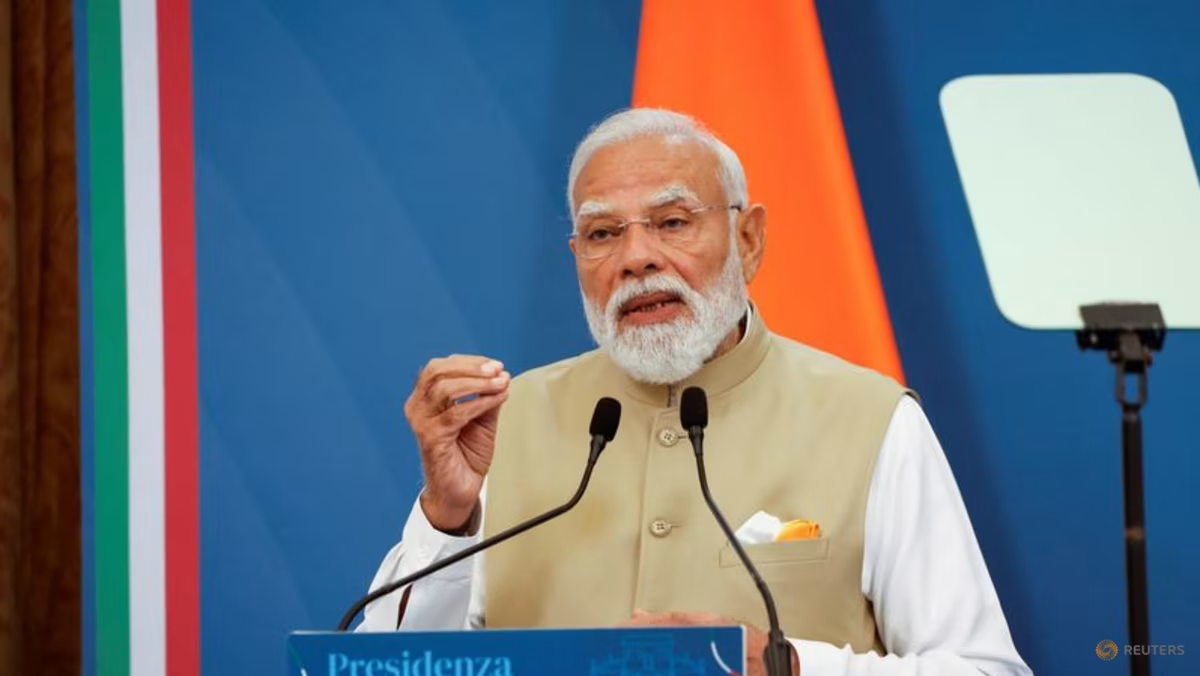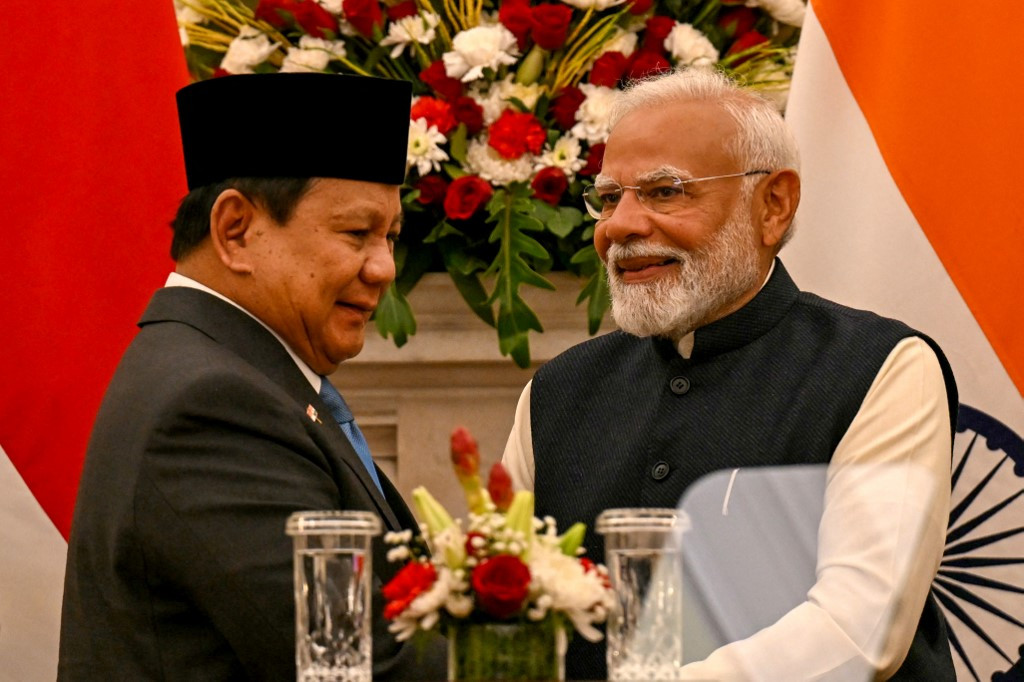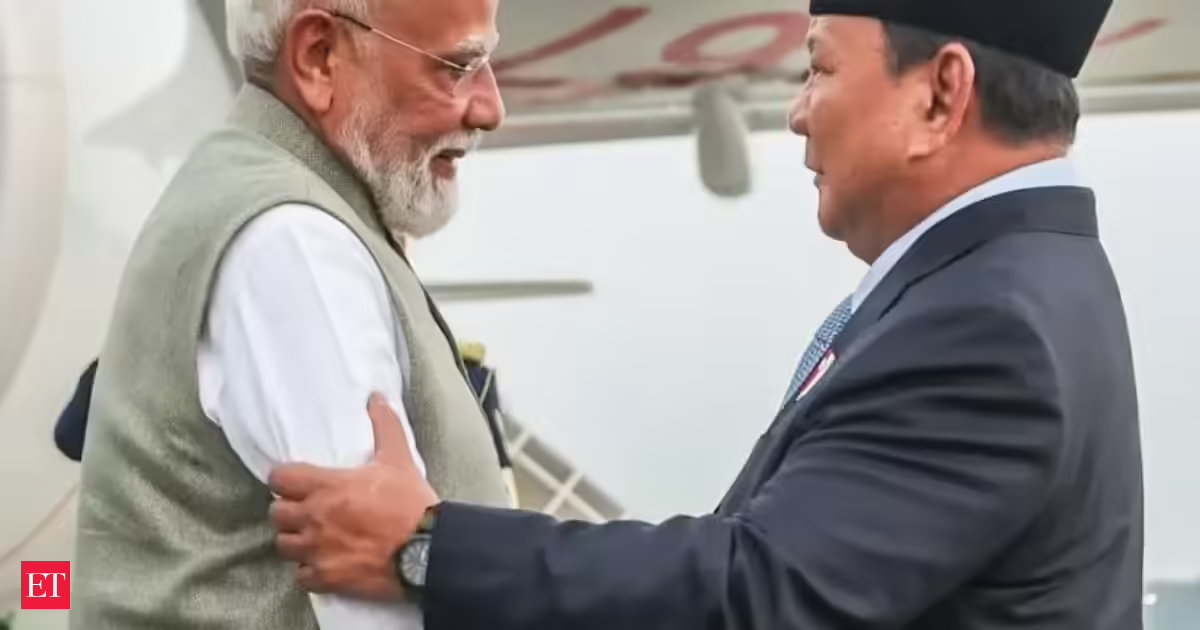
Prime Minister Narendra Modi has made his first stopover in Jakarta, meeting his Indonesian counterpart, President Prabowo Subianto, as part of his three-nation tour to Indonesia, Australia and New Zealand from 6 July to 11 July. The development comes at a time when regional anxieties are paramount on the China threat and questions on Taiwan’s future loom large.
In May, the much-awaited Xi-Trump Summit in Beijing signalled a major reset between the world’s powerful countries. Trump’s visit, for many, changed the strategic lexicon of ‘US-China rivalry’ to ‘managing the China threat’ through transactional diplomacy. And now, as the two superpowers rearrange the bilateral ties and eventually shape their regional priorities, it leaves a sense of disquiet in the First Island Chain countries like Japan, Taiwan, the Philippines, Malaysia, Brunei, and Indonesia, on the US role in the region, especially in the case of a Taiwan contingency.
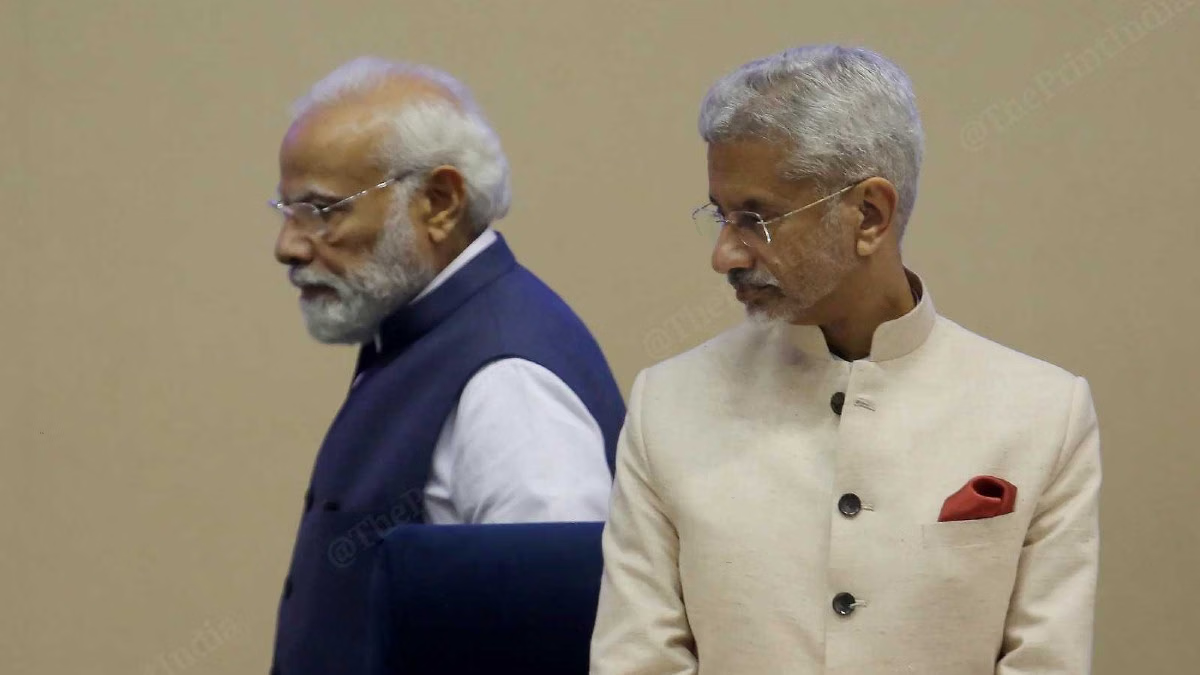
Amid this, for a country like India, whose stakes in regional security remain at an all-time high and for whom the China threat challenge is beyond the maritime sphere, what does PM Modi’s visit indicate?But let’s hold, there is more than just one visit and one answer.Prime Minister Modi’s visit also overlaps with Foreign Minister S Jaishankar’s six-city tour, with four in the Gulf Cooperation Council (GCC), namely Qatar, Bahrain, Kuwait and Oman, then a visit to New York and Brussels in Belgium. Jaishankar’s 11-day visit from 5 July to 15 July covers West Asia, Europe and the US.Jaishankar’s visit to three continents—Asia, Europe and America—comes in the backdrop of the crisis in West Asia and the ongoing war between Russia and Ukraine in Europe. While Jaishankar mostly accompanies the Prime Minister on such tours, the two leaders taking separate visits to different locations indicate a well-calibrated strategy that Delhi is adopting after major global churns in Indo-Pacific, West Asia, Europe and the US. A calibrated strategy