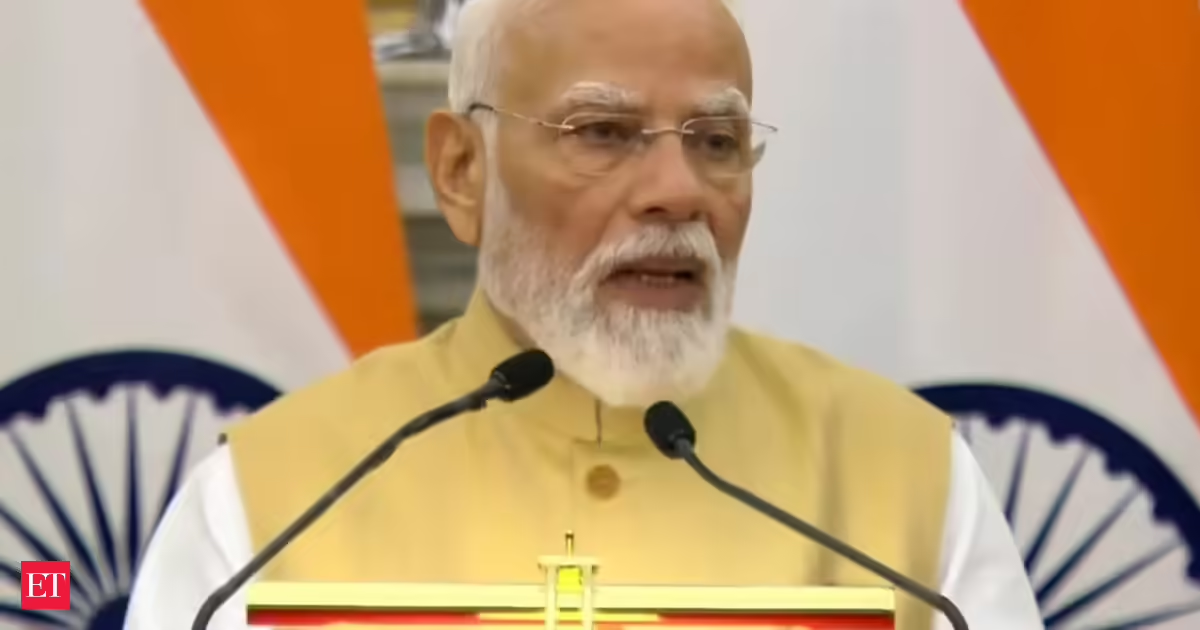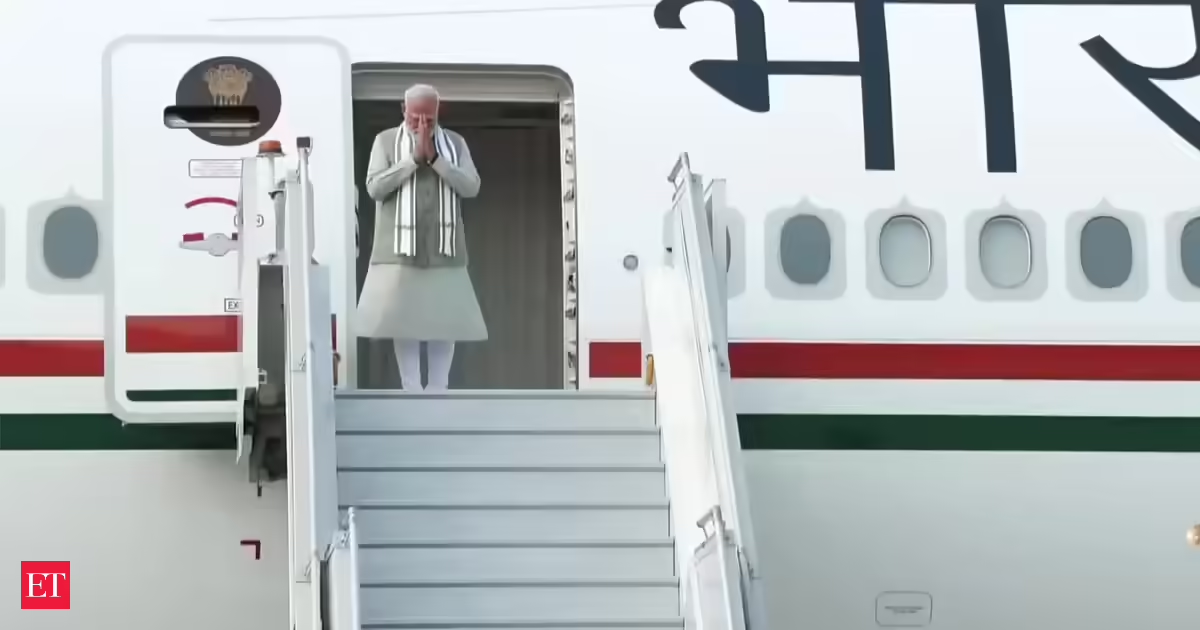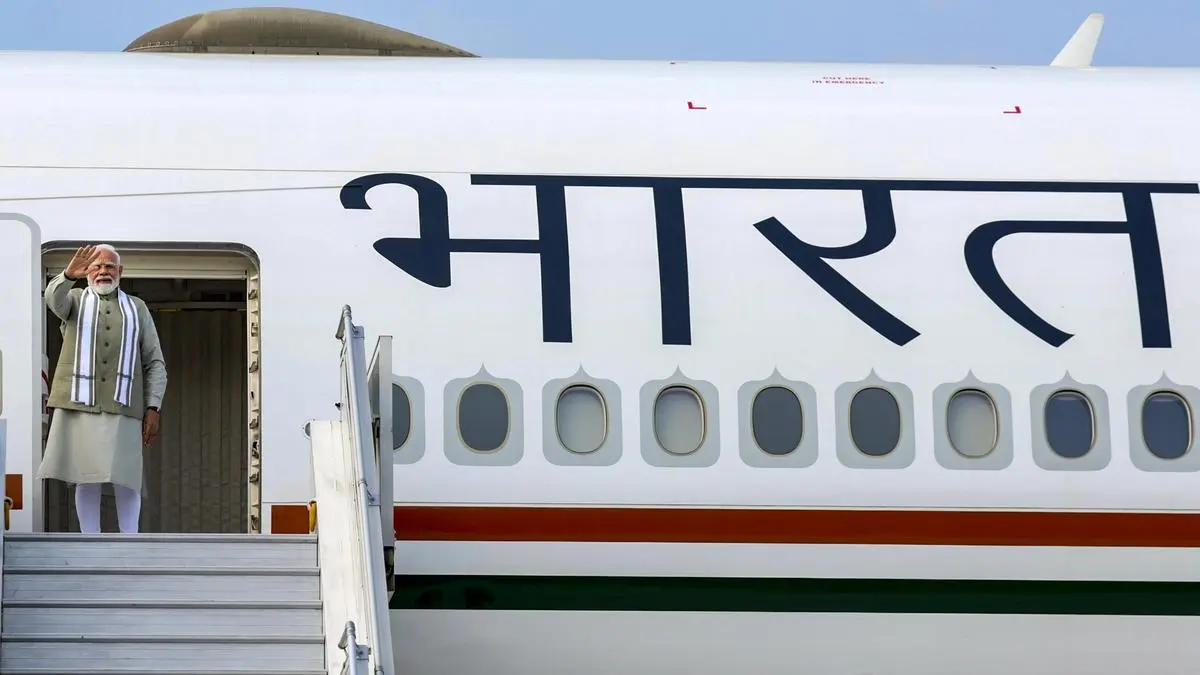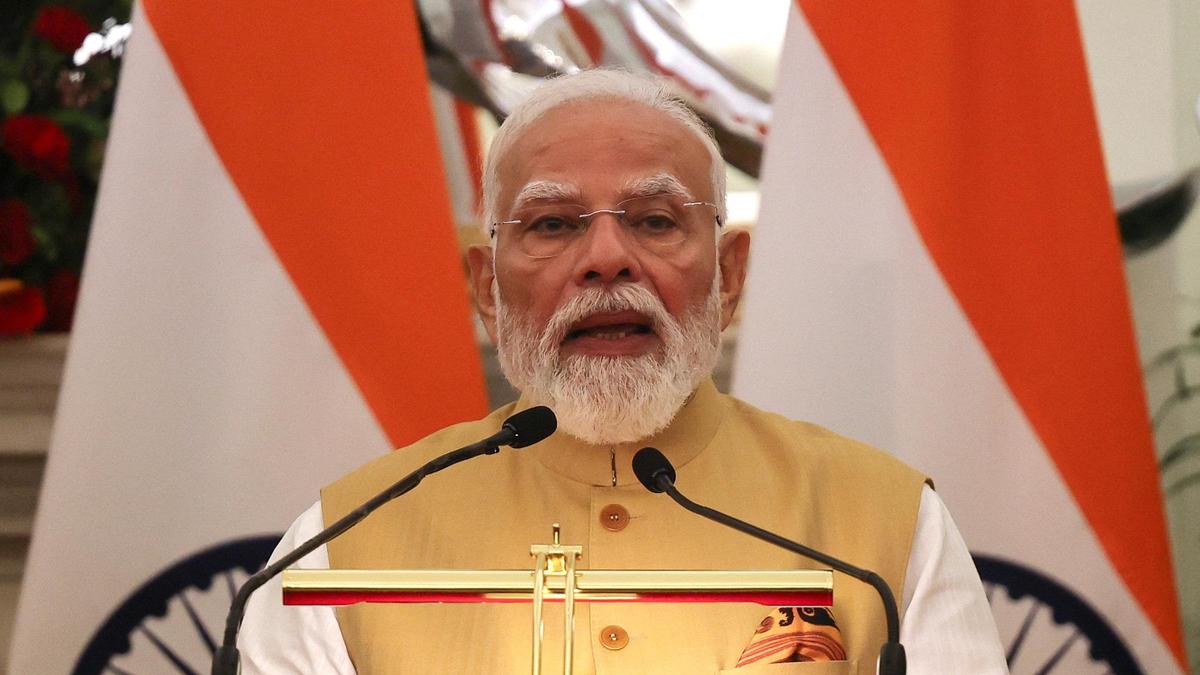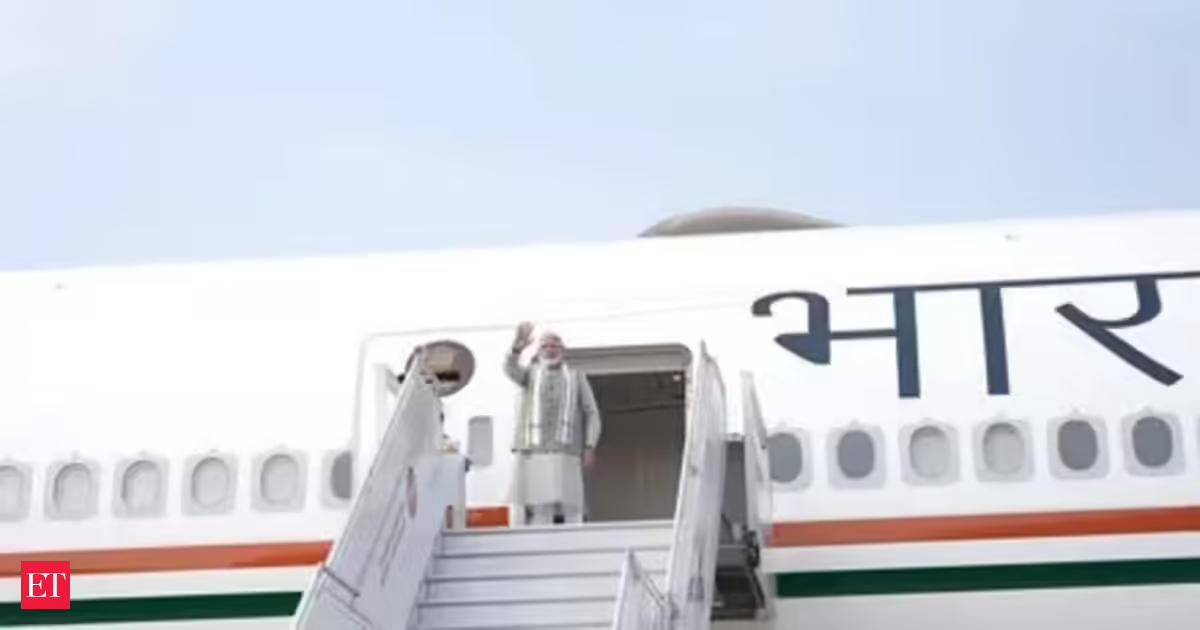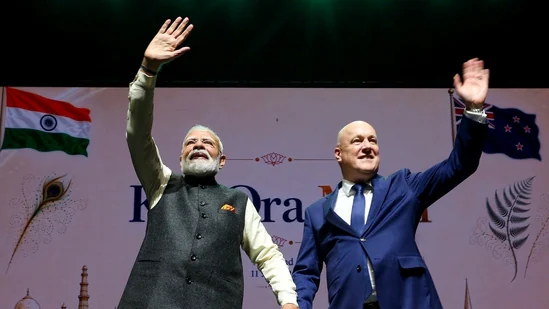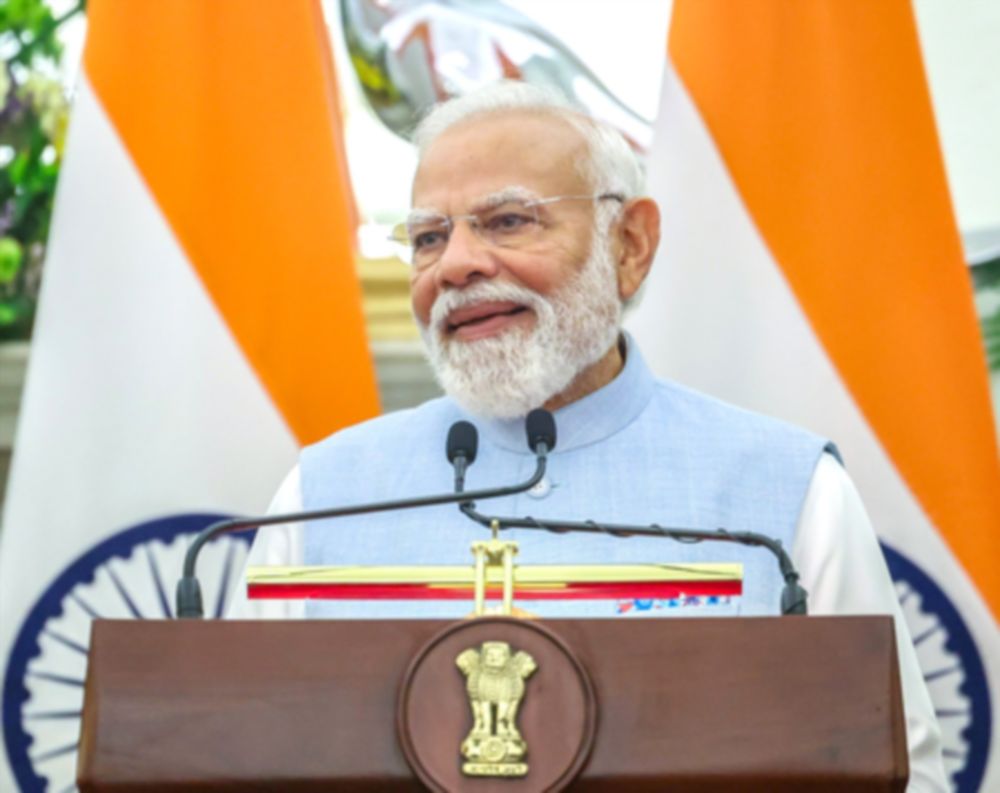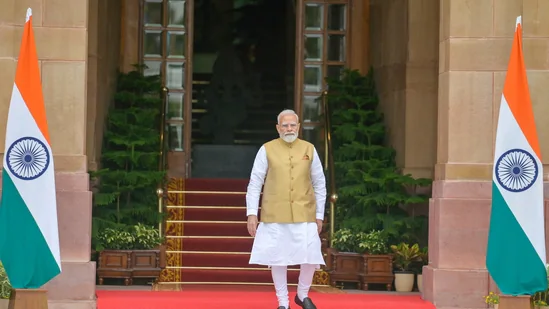
Prime Minister (PM) Narendra Modi’s three-nation tour beginning July 6, to Indonesia, Australia and New Zealand, is a test of whether India can complete its transition from an Indian Ocean power to an Indo-Pacific one. The vehicle for that transition is MAHASAGAR (Mutual and Holistic Advancement for Security and Growth Across Regions), unveiled by Modi in Mauritius in March 2025 as an expansion of India’s earlier SAGAR vision. If SAGAR reflected India’s ambition to lead in its maritime neighbourhood, MAHASAGAR reflects an aspiration to shape a much larger strategic space stretching from the eastern coast of Africa to the South Pacific.Prime Minister Narendra Modi to mark his maiden visit to New Zealand next week to strengthen the two countries' Free Trade Agreement (HT/ Raj K Raj)Taken together, the three destinations form a useful test of MAHASAGAR’s viability. Indonesia represents the chokepoints through which much of India’s trade flows. Australia represents the security partnerships needed to sustain a stable maritime order. New Zealand represents India’s ambition to become a more consequential actor in Pacific affairs. Success in all three would suggest MAHASAGAR is becoming an operational strategy rather than a rhetorical construct.MAHASAGAR widens SAGAR, an Indian Ocean construct, into a strategic outlook spanning the Arabian Sea to the South Pacific, requiring India to behave less like a regional power and more like a stakeholder in the governance of the entire ocean commons. For much of the post-Cold War period, India approached maritime strategy through the lens of the Indian Ocean. Today, however, the country’s trade routes, energy imports, supply chains, and strategic partnerships increasingly connect it to the wider Indo-Pacific. China's expanding naval presence, intensifying competition over critical minerals, and growing contestation around maritime chokepoints have all pushed India to think beyond its immediate neighbourhood. MAHASAGAR is the clearest articulation yet of that shift.That future will not be built on historical nostalgia alone. The Delhi-Jakarta relationship has long leaned on memories of the 1955 Bandung Conference and shared civilisational ties. These sentiments are real and necessary, but not sufficient. Jakarta has its own maritime strategy, the Global Maritime Fulcrum, which runs parallel to India’s SAGAR, and the 2018 Shared Vision between Modi and then-president Joko Widodo sought to weave the two together through Andaman-Sumatra connectivity and joint naval exercises. The same logic applies to Australia: The partnership should now be defined by submarines, critical minerals, and maritime domain awareness. This is where the visit becomes a genuine test rather than a ceremonial one, across three structural facts.First, the unfinished economic promise. In 2019, external affairs minister S Jaishankar and his Indonesian counterpart pledged to triple bilateral trade to $50 billion by 2025. That deadline has passed, and trade sits well short of it, a reminder that declarations age faster than delivery. Modi’s visit needs to revive that number with a credible roadmap, or replace it with one his government intends to keep. Layered onto this is the chokepoint problem: roughly forty per cent of India’s seaborne trade transits waters that Indonesia effectively polices, the Malacca, Sunda, and Lombok straits. Deeper maritime domain awareness cooperation, building on the 2018 Shared Vision’s Andaman-Sumatra connectivity goals, is no longer optional; current Iran-linked volatility around the Strait of Hormuz is a reminder that India cannot afford exposure at multiple chokepoints simultaneously.Second, the Australia relationship has outgrown the language usually used to describe it. Defence minister Rajnath Singh’s October 2025 visit to Canberra, the first by an Indian defence minister since 2013, produced a security pact covering submarine cooperation and a standing forum for military talks. Bilateral defence exercises have roughly tripled over the past decade, and Australia has offered India maintenance and overhaul facilities for its naval vessels in the Indian Ocean. Both countries concluded that an assertive China makes a reliable middle-power partnership worth the investment. Modi’s visit must convert this momentum into a more coherent strategic framework, building on the 2009 Joint Declaration on Defence and Security Cooperation, rather than leaving it a sequence of disconnected initiatives.Third, New Zealand is MAHASAGAR’s least-tested frontier. Forty years without a prime ministerial visit are reflected in modest trade volumes and thin strategic engagement. Yet Wellington's interest in an India FTA, coupled with India's growing interest in Pacific Island diplomacy as a counterweight to Chinese infrastructure financing in the region, suggests the relationship has been underdeveloped rather than inherently constrained. A successful Auckland leg would signal that MAHASAGAR's Pacific dimension is more than rhetorical padding.The diaspora events planned in Melbourne and Auckland, reportedly drawing crowds in the tens of thousands, matter too, not as a sideshow but as connective tissue. Indian-origin communities in both countries are economically influential, politically organised constituencies whose goodwill can facilitate everything from investment flows to mobility arrangements. Modi has long recognised the strategic value of diaspora diplomacy and is likely to use these engagements to reinforce India’s broader regional presence.Yet MAHASAGAR also faces a fundamental challenge. The doctrine significantly expands India’s strategic horizons at a time when New Delhi remains heavily occupied with continental security challenges and domestic development priorities. Sustaining meaningful influence from the Western Indian Ocean to the South Pacific requires more than diplomatic outreach. It demands naval capacity, economic engagement, development partnerships, and the institutional resources to maintain a presence across one of the world’s largest strategic theatres. The question is not whether India can articulate a maritime vision; it is whether it can consistently resource one.This will ultimately determine the significance of Modi’s tour. The three-nation tour is an opportunity to demonstrate that MAHASAGAR is a working architecture, not an acronym in search of substance. Its success will be judged by what gets signed, financed, and built long after the cameras have moved on.(The views expressed are personal)This article is authored by Rajeev Ranjan Chaturvedy, associate professor, School of International Relations and Peace Studies, and coordinator of the Centre for Bay of Bengal Studies, Nalanda University, Rajgir.
Jakarta to Auckland: A look at India’s maritime vision
This article is authored by Rajeev Ranjan Chaturvedy.
979 words~4 min read