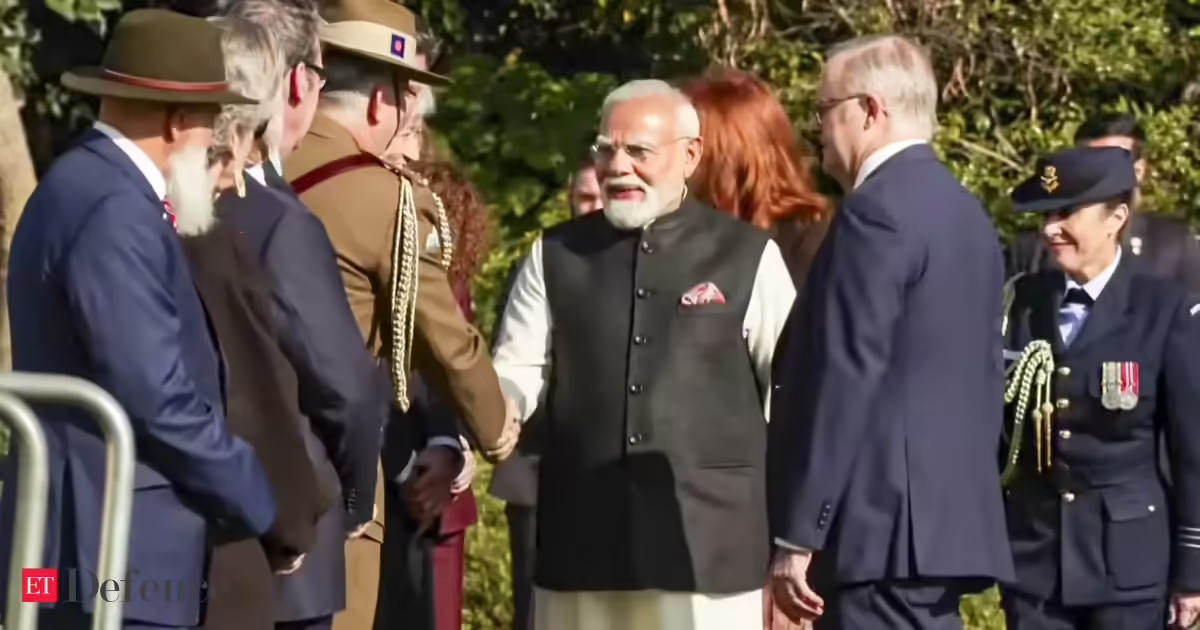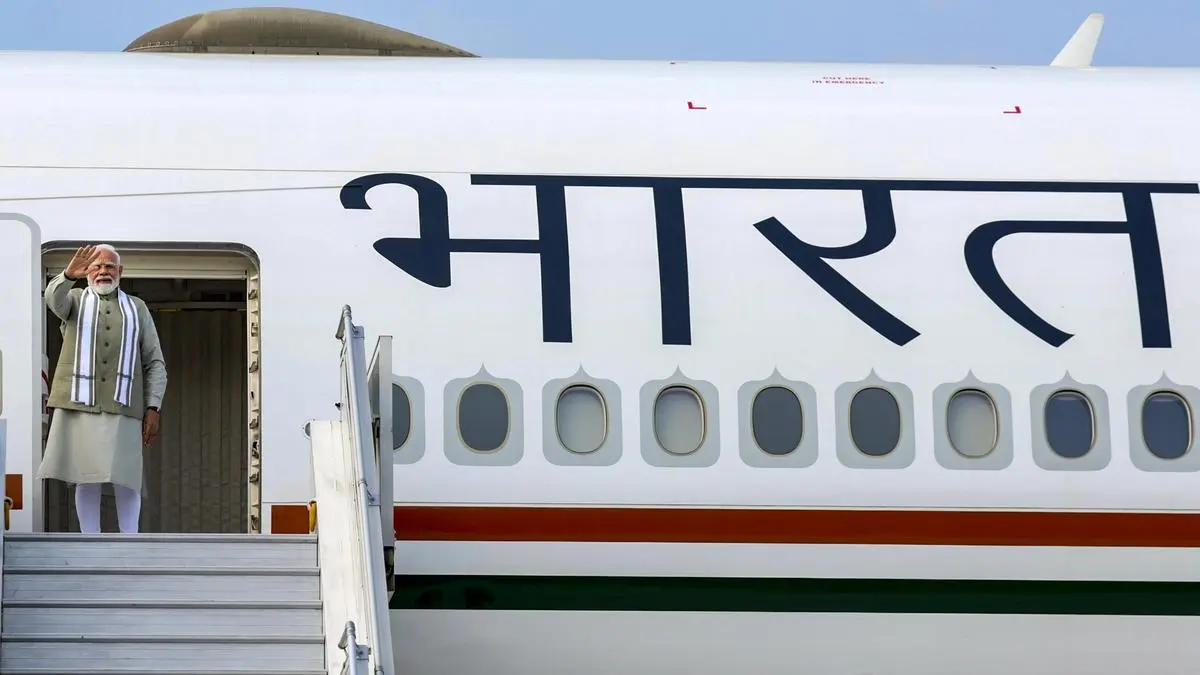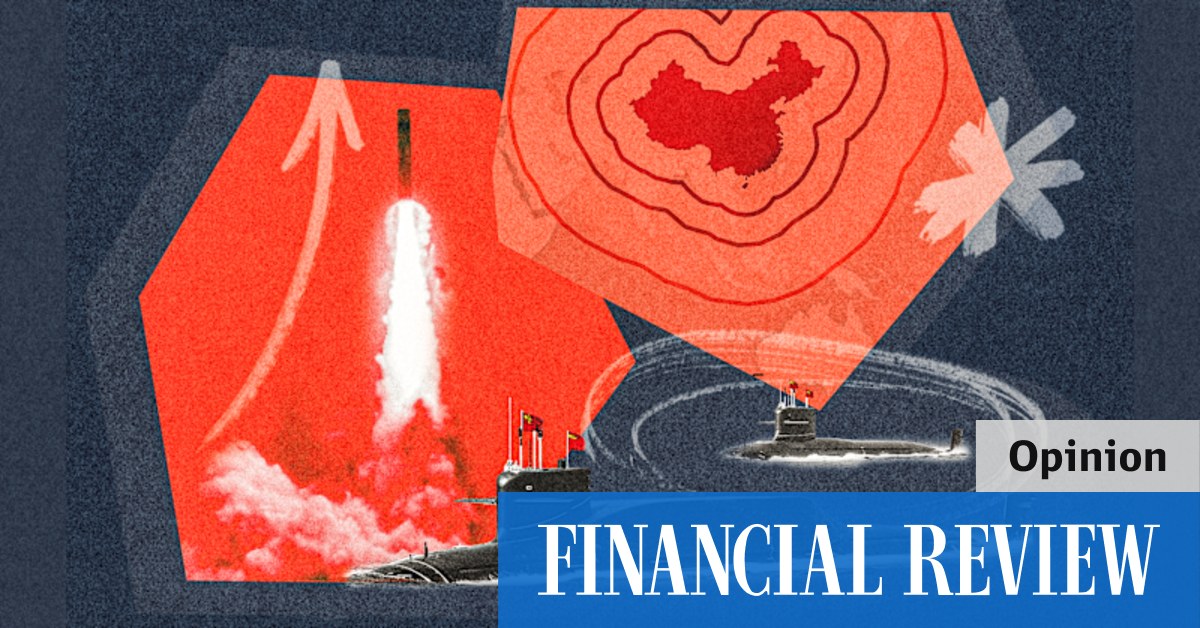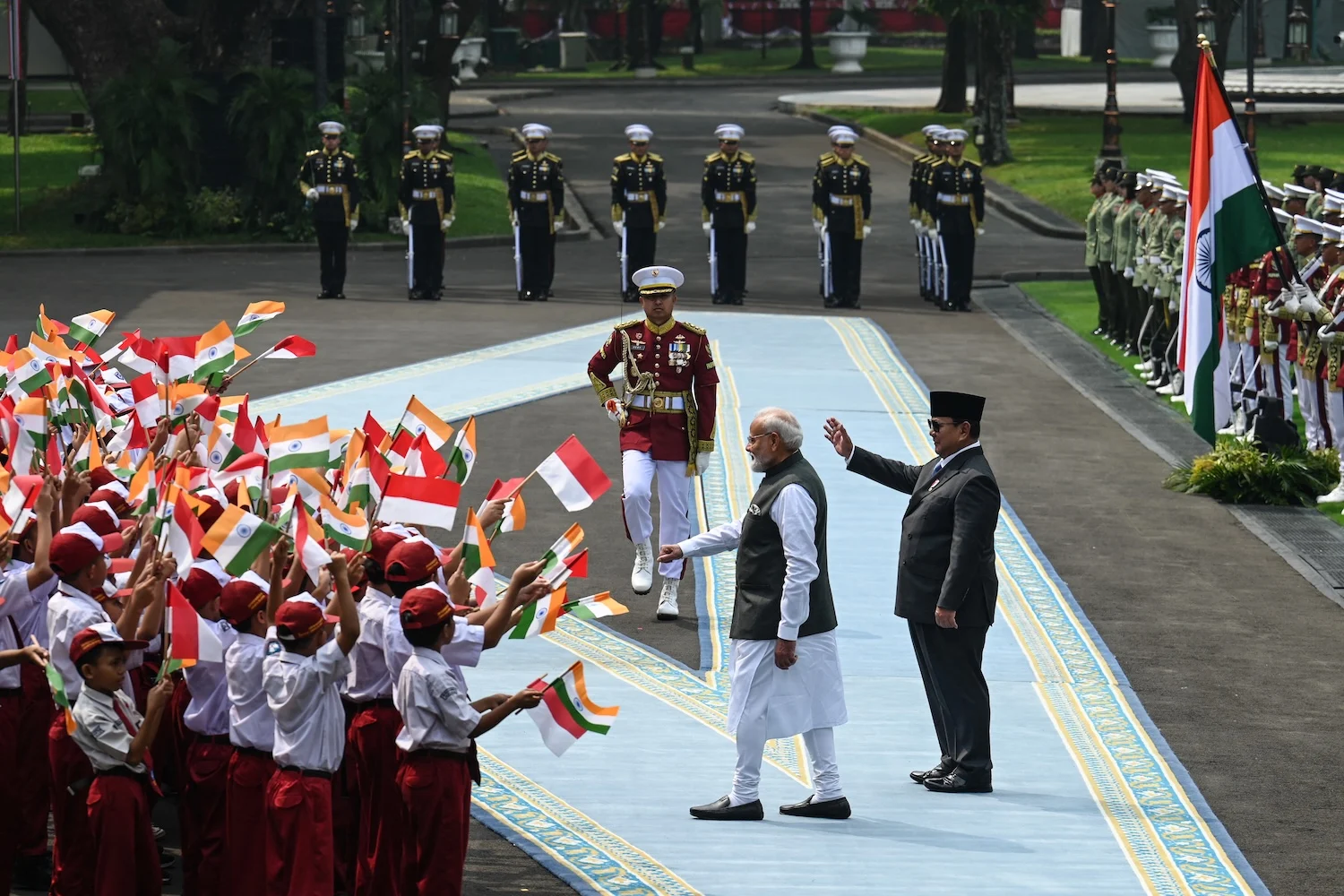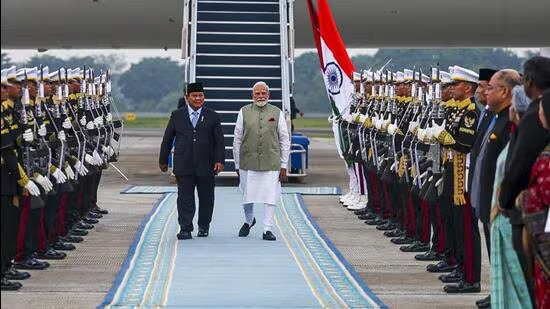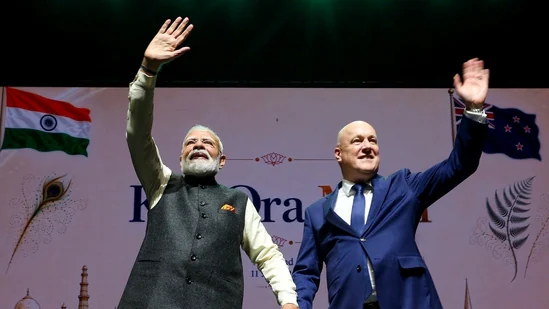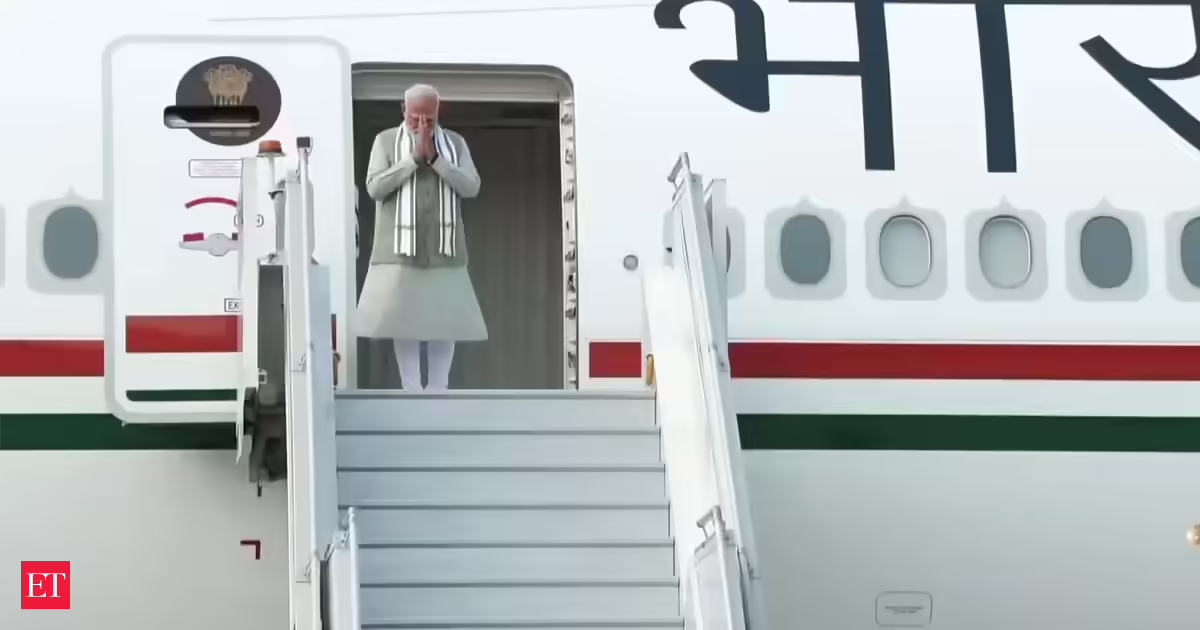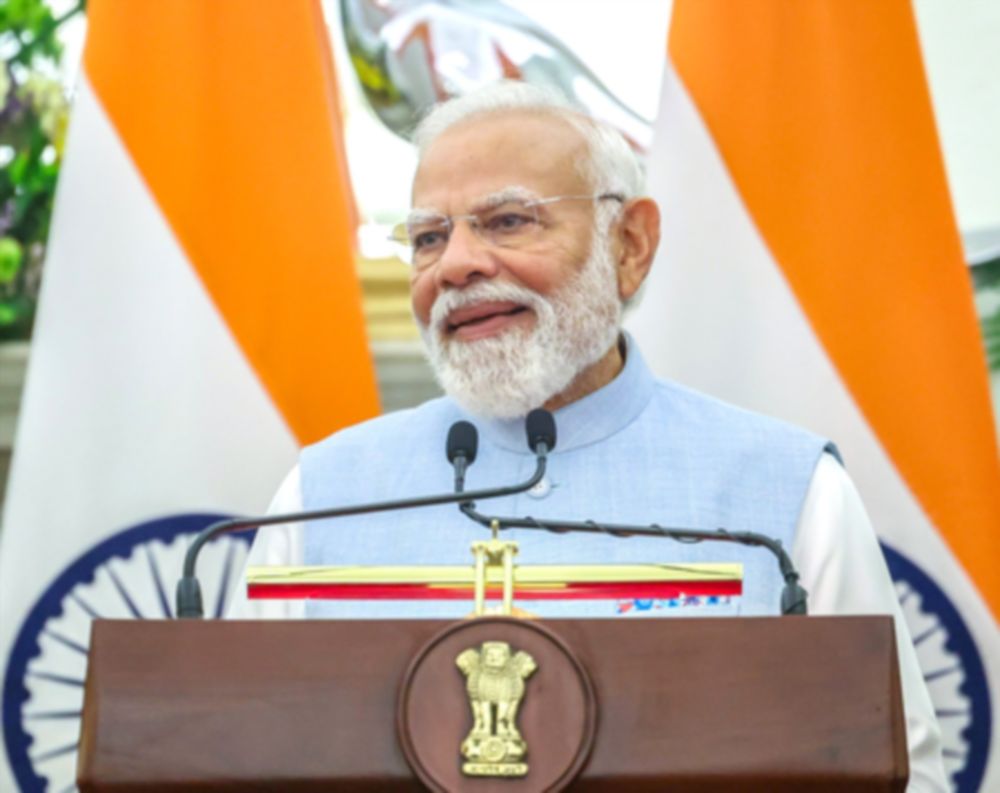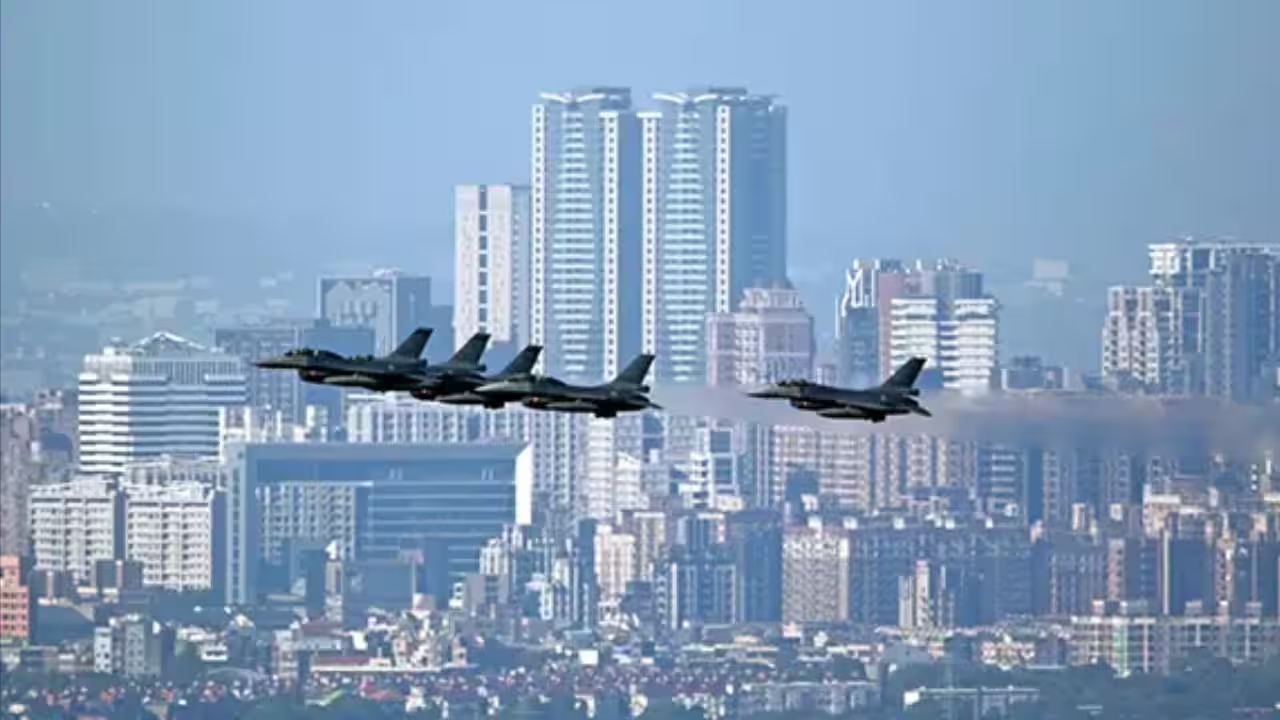
Photo credit: ANIPrime Minister Narendra Modi is on a three-nation tour involving Indonesia, Australia, and New Zealand in the highly contested Indo-Pacific region. He arrives amid significant developments in the Pacific, which have boiled its waters. The reason isn’t just super El Niño, but also gunpowder.On Monday, China tested a nuclear-capable intercontinental ballistic missile that was reportedly launched through a nuclear submarine and landed close to French Polynesia in the southern Pacific Ocean.The test came hours after Australia and Fiji signed a defence pact called ‘Ocean of Peace Alliance’, a mutual defence obligation where an armed attack on either nation would be seen as an attack on the other.Less than a year ago, Australian Prime Minister Anthony Albanese signed a similar deal with Papua New Guinea, increasingly solidifying a counter against China’s growing influence in the region.China’s unprecedented naval expansionAccording to a report by the Centre for Strategic and International Studies (CSIS) in 2024, the Chinese Navy emerged as the world's largest, operating 234 warships compared to the US Navy's 219.In 2025, it added 11 combat vessels, including the third aircraft carrier, Fujian, while it's currently building the fourth.According to the report, within four years, China's four largest shipyards produced 39 warships with a combined displacement of 550,000 tonnes.Such an unprecedented expansion isn’t limited to the pace of shipbuilding; the country also conducted an ICBM test in 2024, nearly 44 years after its previous test warhead fell near the very French Polynesia, showcasing strike capabilities that extend far beyond its coast.According to the Australian Institute of International Affairs, China's island chain strategy divides the western Pacific into three concentric maritime zones that guide its long-term naval ambitions.First, second, and third island chainsThe First Island Chain, stretching from Japan through the Ryukyu Islands, Taiwan and the Philippines to Borneo, is viewed as the immediate priority for securing China's coastline and gaining access to the wider Pacific.Beyond it lies the Second Island Chain, extending from Japan through the Mariana Islands, including Guam, to New Guinea, where China seeks to expand its naval reach and challenge US military influence.The Third Island Chain, stretching from the Aleutian Islands through Hawaii to New Zealand, represents Beijing's longer-term objective of operating as a global maritime power with sustained presence across the Pacific,The tested missile had landed in the proximity of the third island chain.Indonesia’s concernsAs for Indonesia, a country that lies on the Junction of the Indian and Pacific ocean, the biggest security concern is China's claim under the "nine-dash line", which overlaps with Indonesia's Exclusive Economic Zone (EEZ) around the Natuna Islands.Chinese coast guard ships and fishing vessels have repeatedly entered these waters, forcing Indonesia to deploy warships and fighter aircraft and increase military infrastructure on the Natuna Islands, and improve defence cooperation with its neighbours.PM Modi’s visit to the country upon the Indonesian PM’s invitation is particularly significant."India is a strong advocate of a free, open and inclusive Indo-Pacific. India believes in freedom of navigation in the Indo-Pacific," Modi said, while addressing the Indonesian parliament."India is a nation that follows the path of development, not expansionism," he added, offering the country a counterbalance against the ever-increasing Chinese threat.According to the sources quoted by ANI, Indonesia has decided to import Indian air-to-air Astra missiles after their proven success in Operation Sindoor. Talks are also underway regarding the acquisition of Brahmos supersonic cruise missiles.
The Indo-Pacific is heating up, and the reason isn’t just super El Niño, but also gunpowder
Prime Minister Narendra Modi is on a three-nation tour involving Indonesia, Australia, and New Zealand in the highly contested Indo-Pacific region. He arrives amid significant developments in the Pacific, which have boiled its waters.
558 words~3 min read