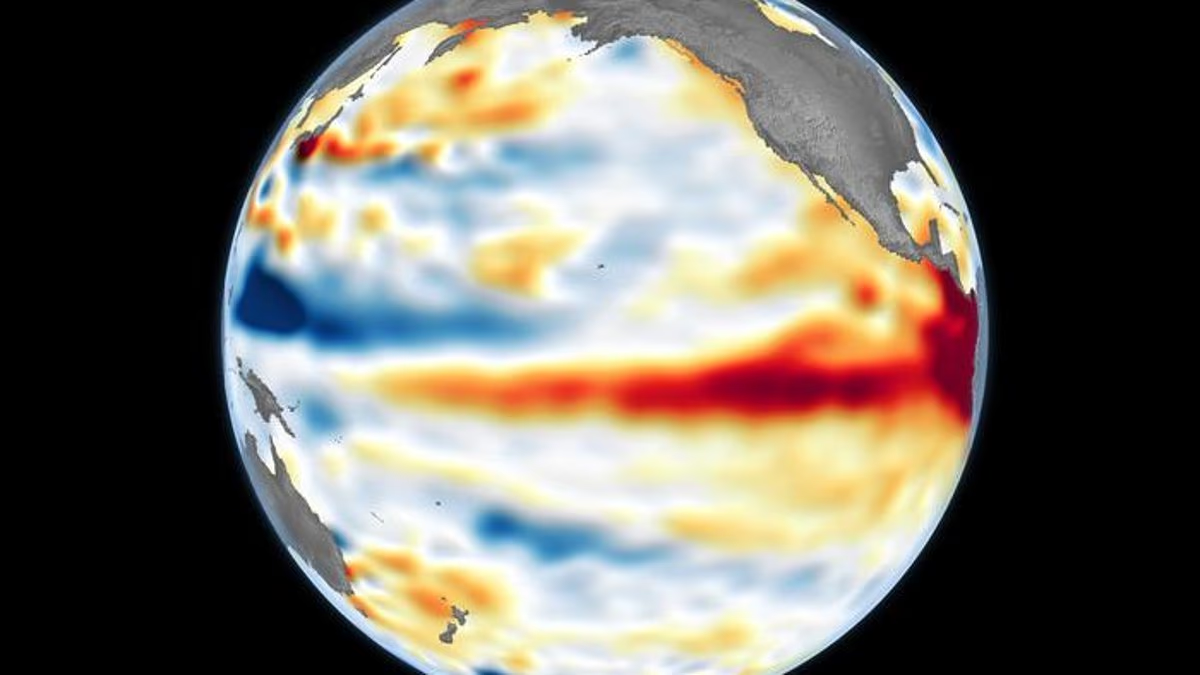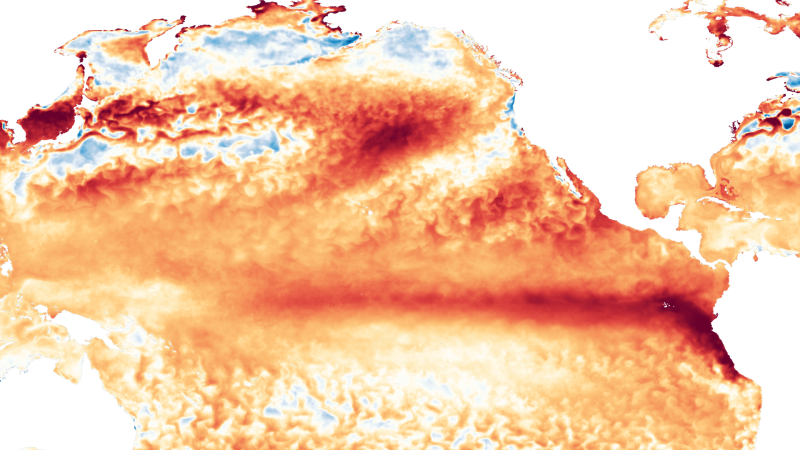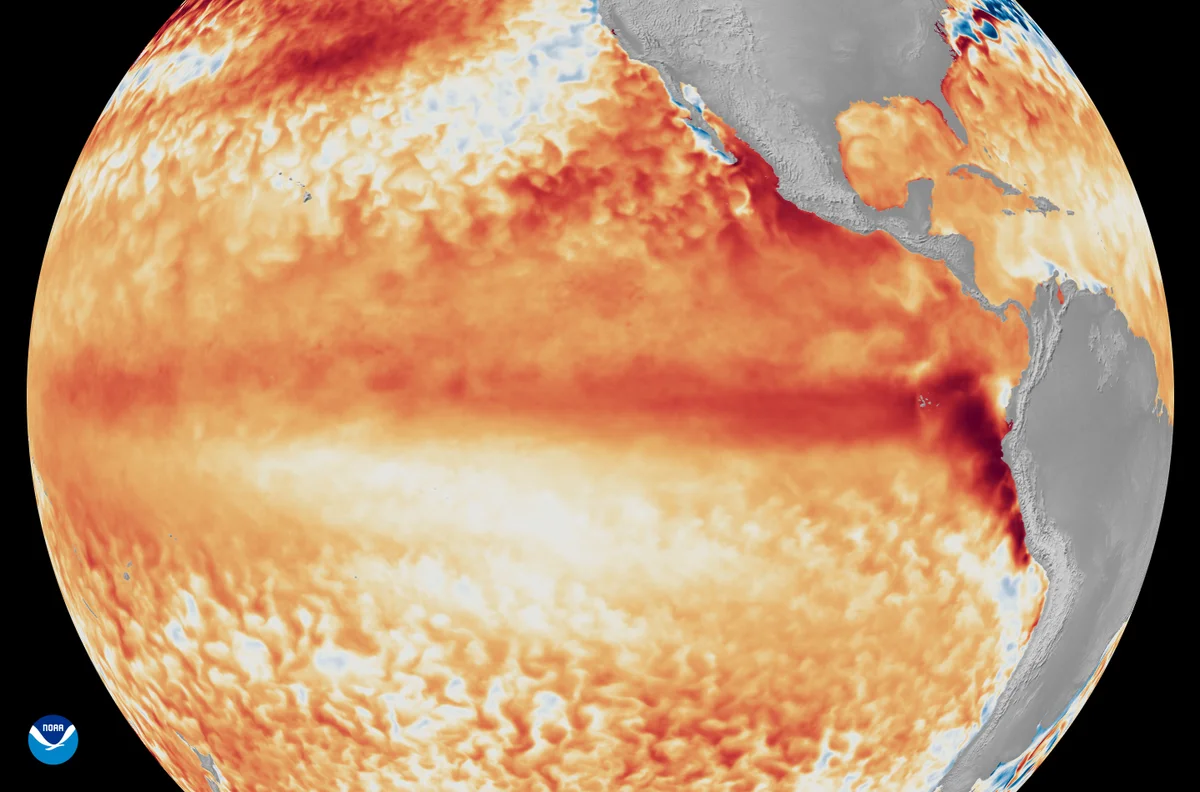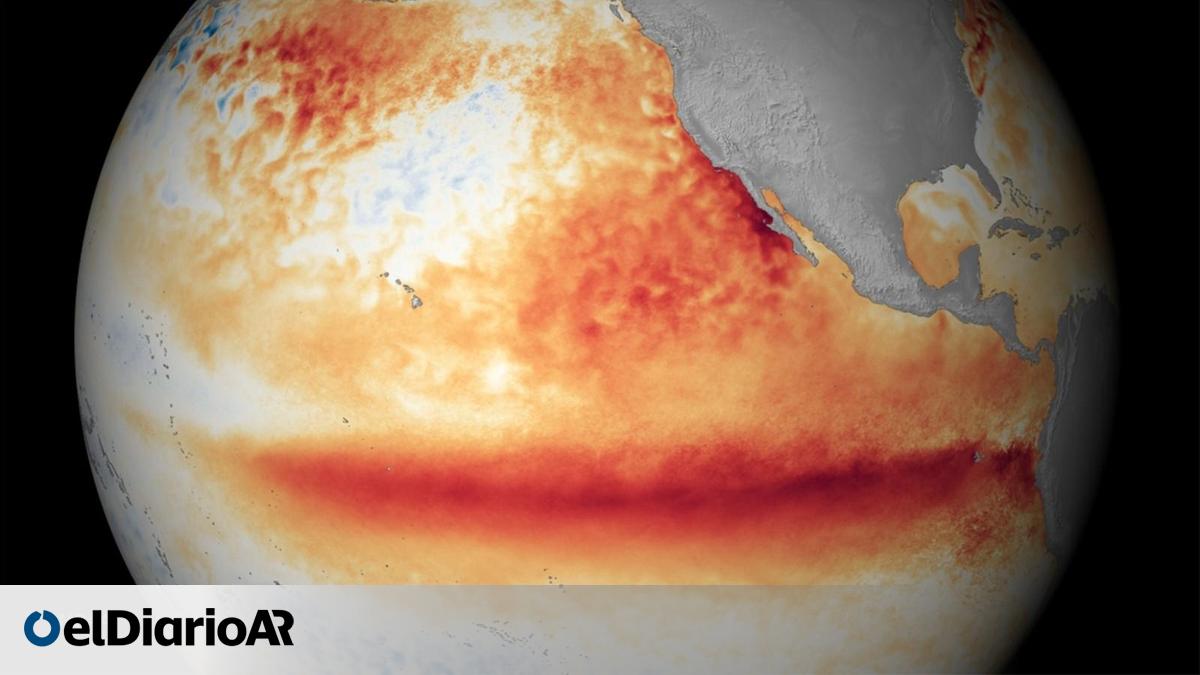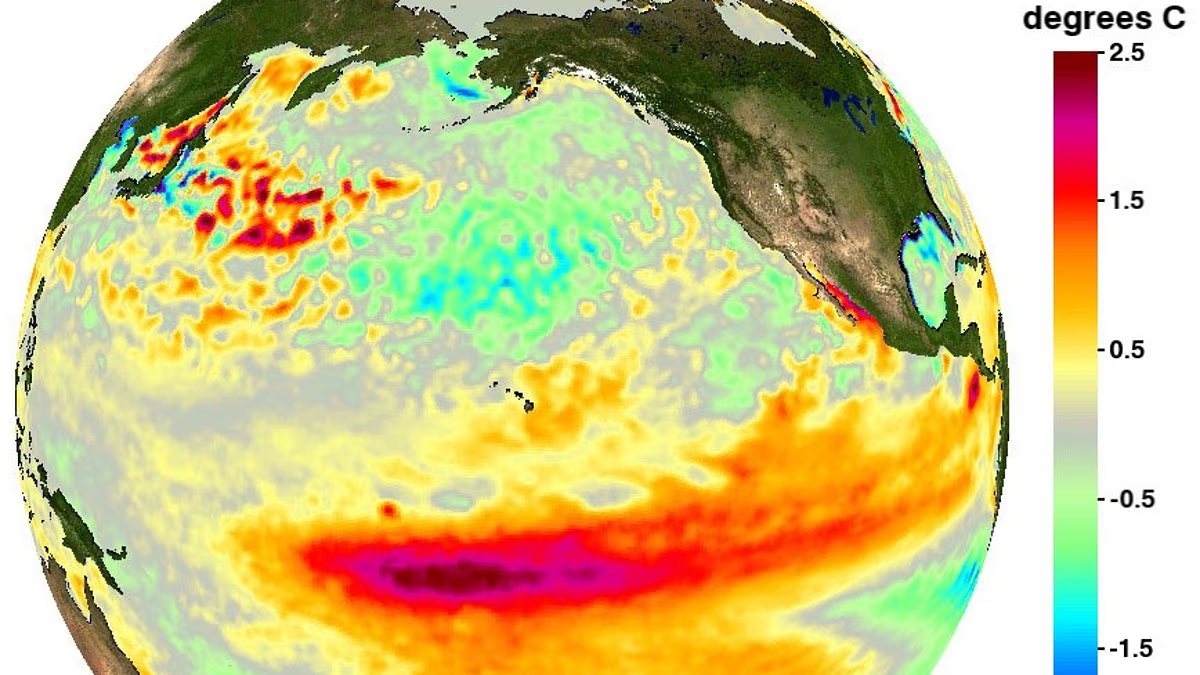
WASHINGTON: A brewing “Super” El Nino cycle is poised to unleash heat waves, floods and drought worldwide, with the effects amplified by long term human-caused climate change. But what if it was possible to interrupt and effectively “switch off” the Pacific Ocean heating phenomenon as it starts to form?
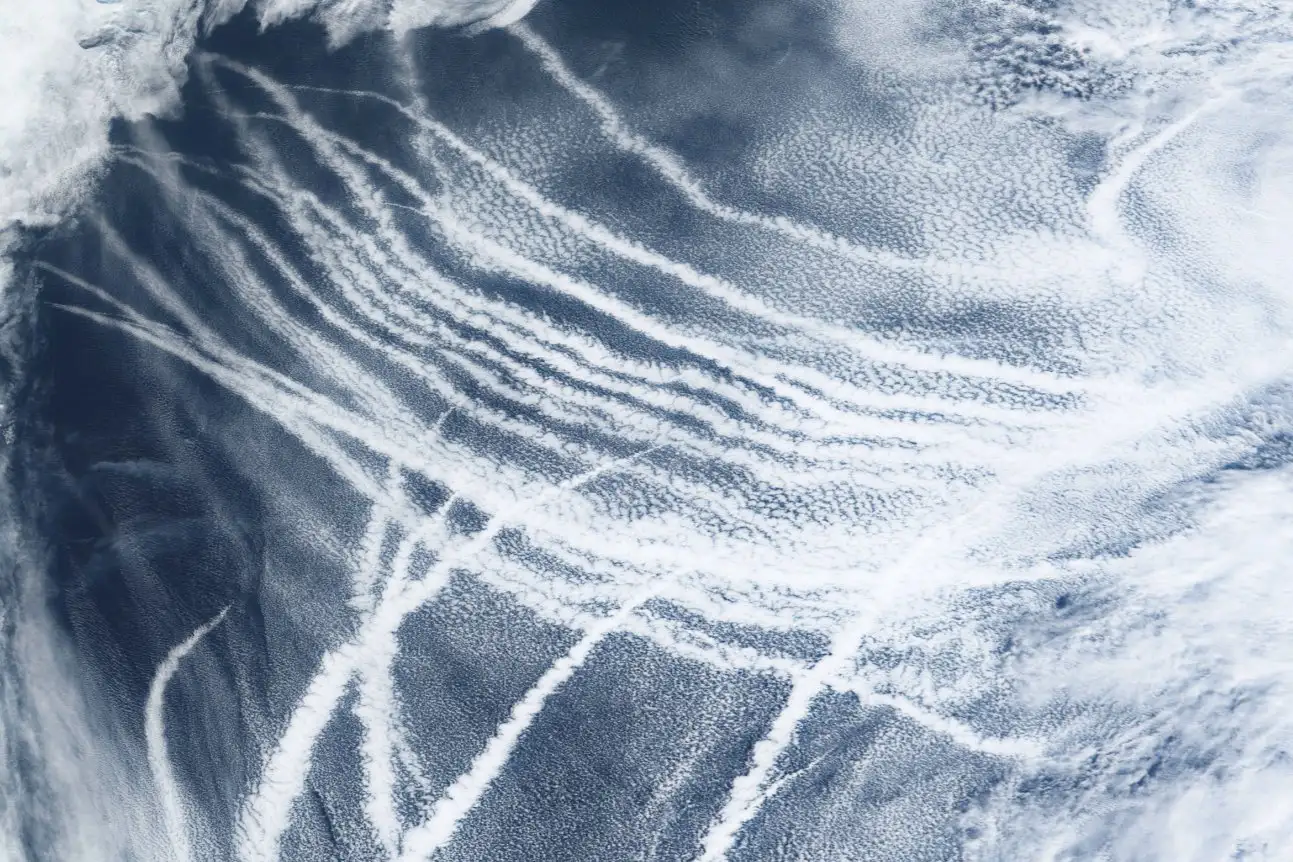
That’s the premise of a new Science Advances study published on Wednesday, which uses computer models to show that artificially brightening clouds over the Pacific, when timed right, could neutralize the influential weather pattern and blunt its worst impacts.
While previous research on so-called geoengineering has focused on cooling the planet as a whole, the new paper instead proposes more targeted interventions.
“These shorter timescales of interventions could be a very powerful way that geoengineering enters this portfolio of responses to climate change,” lead author Jessica Wan, a postdoctoral researcher at the University of Chicago, said.
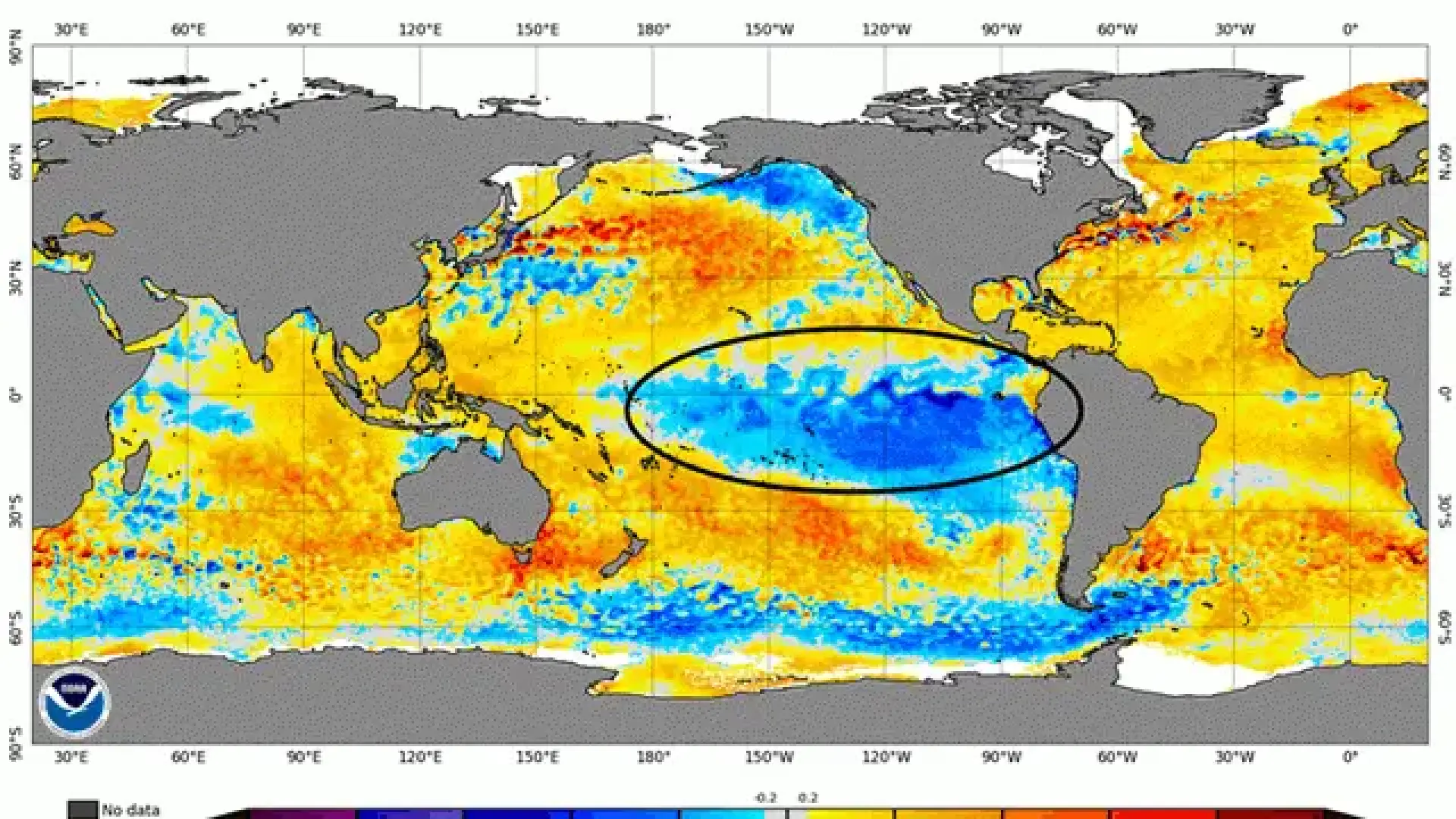
Prior research had shown that the “Black Summer” bushfires that scorched Australia in 2019-2020 played a key role in creating a multi-year La Nina, the cool phase of the El Nino-Southern Oscillation cycle.